
Cannonball Tree Tree: Unveiling the Mysteries and Wonders of Nature's Unique Botanical Marvel
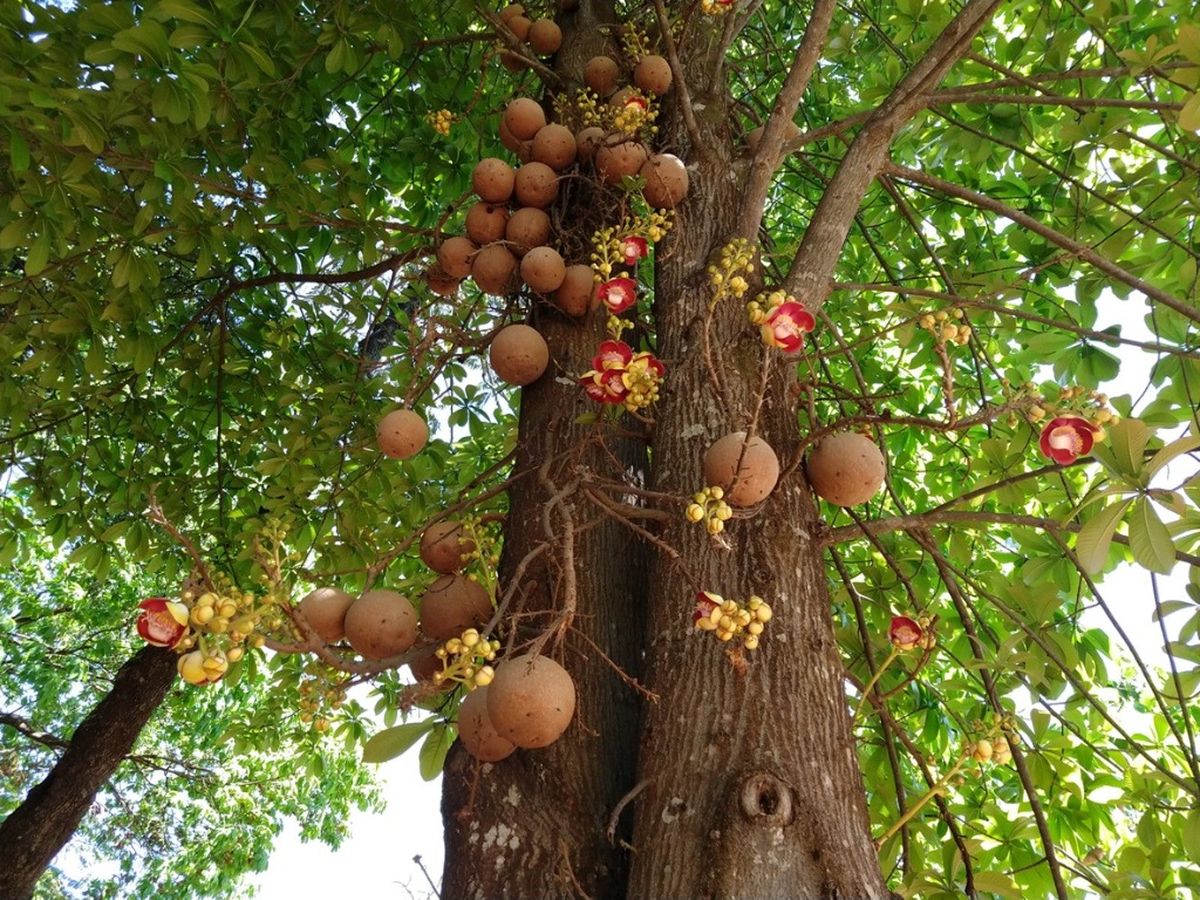
The Cannonball Tree (Couroupita guianensis) is a tropical rainforest species native to Central and South America, renowned for its large spherical fruits weighing up to 4 kilograms and fragrant flowers that grow directly from the trunk and branches—a phenomenon known as cauliflory.
The Cannonball Tree, scientifically known as Couroupita guianensis, is a striking and unique botanical marvel that captures the fascination of botanists, nature enthusiasts, and casual observers alike.
Native to the tropical rainforests of Central and South America, this extraordinary tree is renowned for its large, spherical fruits, fragrant flowers, and intriguing ecological role.
In this blog, we will delve into the mysteries and wonders of the Cannonball Tree, exploring its scientific significance, fun facts, historical context, environmental impact, and the initiatives of organizations like Grow Billion Trees that promote tree planting and conservation efforts in its native regions.
Scientific Overview
The Cannonball Tree belongs to the family Lecythidaceae, which comprises around 20 genera and 300 species. It can grow up to 30 meters in height and has a stout trunk that can reach a diameter of 1 meter.
The tree's most distinctive feature is its large, round fruits that can weigh up to 4 kilograms (about 9 pounds) and measure up to 25 centimeters (10 inches) in diameter. These fruits have a hard, woody shell and contain numerous seeds surrounded by a fibrous pulp, which is often described as having a sweet, tropical flavor.
The flowers of the Cannonball Tree are equally captivating. They grow directly from the trunk and larger branches, a phenomenon known as cauliflory. Each flower is about 15 centimeters (6 inches) in diameter and has a unique structure with a central cluster of stamens surrounded by petal-like structures that can be pink, yellow, or white. The flowers emit a sweet, fragrant aroma that attracts pollinators, primarily bees and bats, which play a crucial role in the tree's reproductive cycle.
Fun Facts about the Cannonball Tree
- Unique Appearance: The Cannonball Tree's fruits resemble cannonballs, hence its name. The large, round fruits often hang from the trunk, giving the tree an unusual and striking appearance.
- Symbolism: In many cultures, the Cannonball Tree is considered sacred. In Hinduism, it is associated with the divine and is often planted near temples.
- Medicinal Uses: Various parts of the Cannonball Tree are used in traditional medicine. The bark is believed to have anti-inflammatory properties, while the fruit pulp is sometimes used to treat digestive issues.
- Habitat: The Cannonball Tree thrives in tropical rainforests, where it plays a vital role in the ecosystem by providing food and shelter for numerous species.
Historical Context
The Cannonball Tree has a rich history that intertwines with the cultures of the regions where it is found. Indigenous peoples have long revered the tree for its beauty and utility. The fruit, although not widely consumed due to its tough exterior, has been used in traditional rituals and ceremonies. The tree's association with the divine has led to its planting in sacred spaces, particularly in Hindu and Buddhist traditions.
During the colonial period, the Cannonball Tree was introduced to various tropical regions around the world, including Southeast Asia, where it has since become a popular ornamental tree in parks and gardens. Its striking appearance and fragrant flowers have made it a favorite among landscape designers and botanists alike.
Environmental Impact
The Cannonball Tree plays a significant role in its native ecosystem. As a member of the tropical rainforest community, it contributes to biodiversity by providing habitat and food for various species. The fruits are a source of nourishment for animals, including monkeys, birds, and insects, which help in seed dispersal. This symbiotic relationship is crucial for maintaining the health of the rainforest ecosystem.
Moreover, the Cannonball Tree is a vital component in carbon sequestration efforts. Trees absorb carbon dioxide from the atmosphere, helping to mitigate climate change. By promoting the growth and conservation of trees like the Cannonball Tree, we can enhance biodiversity, improve air quality, and combat global warming.
Grow Billion Trees: Partners in Conservation
Organizations like Grow Billion Trees are at the forefront of tree planting and conservation initiatives, particularly in regions where the Cannonball Tree is native. Their mission is to plant billions of trees worldwide to combat deforestation, promote biodiversity, and mitigate climate change. Through partnerships with local communities, governments, and environmental organizations, Grow Billion Trees executes and promotes projects that focus on sustainable forestry practices and the restoration of degraded landscapes.
In the regions where the Cannonball Tree thrives, Grow Billion Trees works to raise awareness about the importance of preserving native species and their habitats. They engage local communities in tree planting activities, providing education on the ecological significance of trees and the benefits they bring to the environment. By involving communities in these initiatives, Grow Billion Trees fosters a sense of stewardship and responsibility towards the natural world.
Moreover, Grow Billion Trees employs innovative techniques to ensure the success of their projects. They utilize advanced technology, such as drone mapping and satellite imagery, to identify suitable planting sites and monitor the health of newly planted trees. This data-driven approach allows them to optimize their efforts and maximize the impact of their conservation initiatives.
Conclusion
The Cannonball Tree is a botanical marvel that embodies the beauty and complexity of nature. Its unique characteristics, ecological significance, and cultural importance make it a fascinating subject of study and admiration.
As we continue to confront the challenges of climate change and biodiversity loss, the role of organizations like Grow Billion Trees becomes increasingly vital. By promoting tree planting and conservation efforts, we can ensure that the wonders of nature, such as the Cannonball Tree, continue to thrive for generations to come.
In conclusion, the Cannonball Tree serves as a reminder of the intricate connections between flora, fauna, and human culture. By embracing conservation initiatives and fostering a deeper appreciation for the natural world, we can contribute to a more sustainable and harmonious future.
Further reading: Sausage Tree: Nature's Unique Marvel with Surprising Benefits · False Tamarind Tree: Unveiling the Mysteries and Benefits
Frequently Asked Questions
What is the Cannonball Tree?
The Cannonball Tree, or Couroupita guianensis, is a tropical beauty hailing from Central and South America, famous for its cannonball-like fruits and fragrant flowers. It’s a botanical showstopper that attracts nature lovers and curious minds alike, making it the life of the rainforest party!
How tall can the Cannonball Tree grow?
This towering giant can reach heights of up to 30 meters, with a trunk that can boast a diameter of 1 meter. It’s like the skyscraper of the rainforest, standing tall and proud, providing shelter and sustenance to a multitude of critters!
What do Cannonball Tree fruits look like?
The fruits are large, round, and resemble cannonballs, hence the name! Weighing in at up to 4 kilograms and measuring up to 25 centimeters in diameter, these woody wonders dangle from the trunk, making the tree look like it's ready for a game of botanical dodgeball!
Are Cannonball Tree fruits edible?
While the tough exterior may deter casual snackers, the fibrous pulp inside is said to have a sweet, tropical flavor. Think of it as nature’s quirky candy—just don’t forget to bring your trusty machete to get to the good stuff!
What role do bees and bats play in the Cannonball Tree's life?
These buzzing and flapping friends are the tree's dedicated pollinators, ensuring the flowers get the love they need to reproduce. Without them, the Cannonball Tree would be a lonely soul in the rainforest!
Why is the Cannonball Tree considered sacred?
Many cultures revere the Cannonball Tree, especially in Hinduism, where it’s linked to the divine. Planting it near temples is like giving a nod to nature’s spiritual side—talk about a tree with a higher purpose!
What medicinal uses does the Cannonball Tree have?
The Cannonball Tree isn’t just a pretty face; its bark is believed to have anti-inflammatory properties, while the fruit pulp is sometimes used for digestive issues. Who knew this botanical wonder could double as a natural pharmacy?
How does the Cannonball Tree impact its ecosystem?
This ecological superstar provides food and shelter for various species, making it a vital player in the rainforest community. It’s like the generous host of a wildlife party, ensuring everyone has a good time!
What is the mission of Grow Billion Trees?
Grow Billion Trees aims to plant billions of trees worldwide, focusing on conservation and combating deforestation. It’s like a global tree-planting army, rallying communities to fight climate change one sapling at a time!
How does Grow Billion Trees engage local communities?
They involve locals in tree planting activities, educating them about the importance of native species and their habitats. It’s all about building a sense of stewardship—because who wouldn’t want to be the proud parent of a thriving forest?
What innovative techniques does Grow Billion Trees use?
They employ advanced technology like drone mapping and satellite imagery to identify planting sites and monitor tree health. It’s like having a high-tech tree whisperer, ensuring their conservation efforts hit the mark!
Why is the Cannonball Tree important for climate change?
The Cannonball Tree plays a crucial role in carbon sequestration, absorbing CO2 and helping mitigate climate change. By promoting its growth, we’re not just appreciating beauty; we’re fighting for our planet’s future!
Keep reading
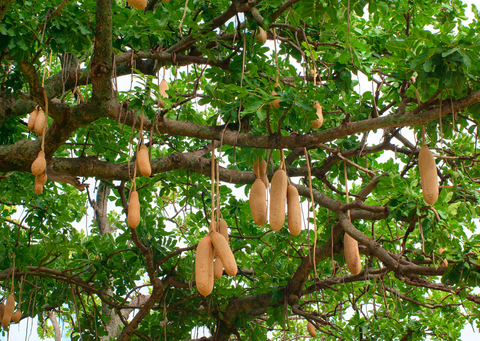 Sausage Tree: Nature's Unique Marvel with Surprising Benefits
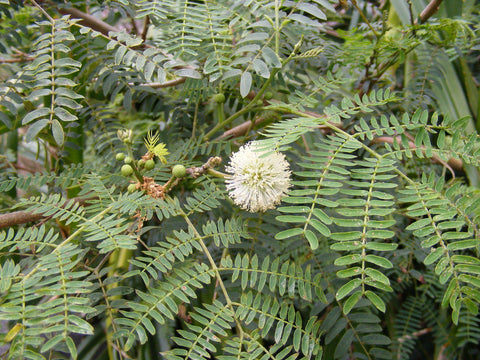 False Tamarind Tree: Unveiling the Mysteries and Benefits
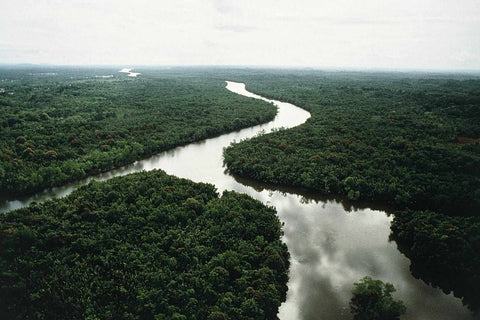 The Diversity of Tropical Rainforest Trees: A Biodiversity Hotspot
 Kapok Tree: The Majestic Giant of the Rainforest – Discover Its Secrets and Benefits
 Philkan Tree: Unlocking the Mysteries and Healing Wonders of Nature’s Green Gem


Comments
Leave a comment