
Indian Cedar Tree: Unraveling the Mystique, Benefits, and Cultural Significance of This Majestic Evergreen

The Indian Cedar (Cedrus deodara), native to the western Himalayas, is an evergreen conifer in the Pinaceae family that reaches up to 60 metres in height. It features a conical crown and drooping branches, and can live for over 1,000 years. The wood is highly valued for durability and resistance to decay.
The Indian Cedar Tree, scientifically known as Cedrus deodara, is a majestic evergreen that has captivated the hearts and minds of people for centuries. Renowned for its towering height, aromatic wood, and significant cultural symbolism, this tree is an integral part of India’s natural heritage.
In this blog post, we will unravel the mystique surrounding the Indian Cedar Tree, explore its numerous benefits, delve into its cultural significance, and examine its environmental impact. Additionally, we will highlight the efforts of organizations like Grow Billion Trees Partners, which are dedicated to promoting and executing tree planting projects in the region.
The Botanical Marvel: Understanding the Indian Cedar Tree
The Indian Cedar is a member of the Pinaceae family and is native to the western Himalayas and the surrounding regions. It can grow up to 60 meters tall, making it one of the tallest conifers in the world.
The tree features a conical crown and drooping branches that give it a distinctive appearance. Its needle-like leaves are dark green and can be up to 5 cm long, providing a lush canopy that offers shade and habitat for various wildlife species.
One of the most fascinating aspects of the Indian Cedar is its longevity; some trees can live for over 1,000 years. The wood of the Indian Cedar is highly valued for its durability and resistance to decay, making it a popular choice for construction, furniture making, and even in the production of essential oils.
Ecological Benefits of the Indian Cedar Tree
The Indian Cedar Tree plays a critical role in its ecosystem. Here are some of the ecological benefits it provides:
- Carbon Sequestration: Like all trees, Indian Cedars absorb carbon dioxide from the atmosphere and store it in their biomass, helping to mitigate climate change.
- Biodiversity Support: The tree serves as a habitat for various birds, insects, and mammals, contributing to the biodiversity of the region.
- Soil Conservation: The extensive root system of the Indian Cedar helps prevent soil erosion, especially in hilly terrains where they are commonly found.
- Water Cycle Regulation: Trees play a vital role in maintaining the water cycle by facilitating groundwater recharge and reducing surface runoff.
Cultural Significance of the Indian Cedar Tree
The Indian Cedar Tree holds a revered place in Indian culture and spirituality. In Hinduism, it is often associated with divinity and is mentioned in various ancient texts. The name "Deodar" is derived from the Sanskrit word "devadaru," which translates to "wood of the gods." This sacred tree is frequently found in temples and is used in religious ceremonies.
In addition to its spiritual significance, the Indian Cedar has been a source of inspiration in art and literature. Its majestic presence has been depicted in numerous poems and paintings, symbolizing strength, resilience, and eternity. The tree has also been used in traditional medicine, with its bark and leaves being utilized for their antiseptic and anti-inflammatory properties.
Fun Facts About the Indian Cedar Tree
- The Indian Cedar is known for its unique ability to adapt to various soil types, making it a versatile species for reforestation projects.
- It is often referred to as the "Himalayan Cedar" and is the national tree of Pakistan.
- The wood of the Indian Cedar is naturally resistant to insects and fungi, which makes it an ideal choice for outdoor furniture.
- In traditional Ayurvedic medicine, cedar oil is used for its calming properties and is believed to help reduce anxiety.
Environmental Impact of Deforestation and the Role of Tree Planting Initiatives
Despite its numerous benefits, the Indian Cedar Tree faces threats from deforestation, urbanization, and climate change. The loss of these trees has significant ramifications for the environment, including increased carbon emissions, loss of biodiversity, and soil degradation. Recognizing the urgency of the situation, various organizations have initiated tree planting projects to restore degraded ecosystems and promote sustainable practices.
Grow Billion Trees Partners: A Commitment to Sustainability
Grow Billion Trees Partners is an organization dedicated to combating deforestation and promoting reforestation in various regions, including the habitats of the Indian Cedar Tree. Their mission is to plant a billion trees globally, focusing on native species that can thrive in their natural habitats. Here’s how they execute and promote their projects:
- Community Involvement: Grow Billion Trees Partners actively engages local communities in their tree planting initiatives. By involving residents, they raise awareness about the importance of trees and foster a sense of ownership over the project.
- Partnerships with Local Governments: Collaborating with local authorities ensures that the projects align with regional conservation efforts and policies, maximizing their impact.
- Education and Training: The organization provides training sessions for community members on the significance of trees, proper planting techniques, and sustainable land management practices.
- Monitoring and Maintenance: After planting, the organization ensures that the young trees are monitored and maintained, increasing their chances of survival and growth.
- Awareness Campaigns: Grow Billion Trees Partners conducts awareness campaigns through social media, workshops, and community events to promote the importance of reforestation and the ecological benefits of trees.
Conclusion: A Call to Action
The Indian Cedar Tree is a symbol of resilience, strength, and ecological balance. Its numerous benefits extend beyond its majestic appearance, providing essential support for biodiversity, climate regulation, and cultural heritage. However, the threats of deforestation and climate change pose significant risks to its survival.
Organizations like Grow Billion Trees Partners are leading the charge in promoting tree planting initiatives to restore ecosystems and combat climate change. By participating in such projects or supporting them through donations, individuals can contribute to the preservation of not only the Indian Cedar Tree but also the myriad of life forms that depend on it.
As we look to the future, let us remember that every tree planted is a step toward a healthier planet. Together, we can create a greener, more sustainable world for generations to come.
For more information on how to get involved with tree planting initiatives or to learn more about the Indian Cedar Tree, visit the Grow Billion Trees Partners website and join the movement to make a positive impact on our environment.
Frequently Asked Questions
What is the Indian Cedar Tree?
The Indian Cedar Tree, or Cedrus deodara, is a towering evergreen from the Himalayas, known for its aromatic wood and cultural symbolism. It’s like the tall, majestic friend who always steals the spotlight at parties—just with more needles and a lot more history!
What makes the Indian Cedar Tree ecologically important?
This tree is an environmental superhero! It sequesters carbon, supports biodiversity, conserves soil, and regulates the water cycle. Think of it as nature's multi-tasker, juggling climate change, wildlife habitats, and soil stability—all while looking fabulous in its green attire!
How tall can the Indian Cedar Tree grow?
The Indian Cedar Tree can reach heights of up to 60 meters! That’s taller than most skyscrapers, making it the gentle giant of the forest. Just imagine it standing there, towering over its leafy companions, thinking, “I’m the tallest tree in the room!”
What is the cultural significance of the Indian Cedar Tree?
The Indian Cedar is steeped in cultural lore, often associated with divinity in Hinduism. Known as "devadaru," or "wood of the gods," it graces temples and spiritual ceremonies, proving that even trees can have a divine flair and a fan club!
How does the Indian Cedar Tree contribute to biodiversity?
This tree is a habitat haven! It provides shelter and sustenance for various birds, insects, and mammals, making it a crucial player in maintaining ecological balance. Picture it as a luxury apartment complex for wildlife—everyone wants to live there!
Why is the wood of the Indian Cedar Tree highly valued?
The wood is a superstar—durable, decay-resistant, and naturally repellent to pests! It's like the Swiss Army knife of timber, perfect for construction, furniture, and even essential oils. Who knew a tree could be so versatile and stylish?
What are some fun facts about the Indian Cedar Tree?
Did you know this tree can adapt to various soil types? It's like the ultimate tree chameleon! Plus, it’s often called the "Himalayan Cedar," and its wood is resistant to insects. Talk about being tough and trendy!
How does deforestation affect the Indian Cedar Tree?
Deforestation is like throwing a party and forgetting to invite the Indian Cedar Tree. It leads to increased carbon emissions, loss of biodiversity, and soil degradation. Without these majestic giants, our ecosystems would be missing their most fabulous guests!
What is Grow Billion Trees Partners?
Grow Billion Trees Partners is a tree-planting powerhouse, dedicated to combating deforestation. They’re on a mission to plant a billion trees, focusing on native species. Think of them as the eco-warriors of the planting world, rallying communities and governments to join the green revolution!
How does Grow Billion Trees Partners engage communities?
They get locals involved in tree planting, turning residents into tree champions! By fostering community ownership and awareness, they ensure that everyone feels like they’re part of the green team. After all, who doesn’t want to be a hero in their own neighborhood?
What can individuals do to support tree planting initiatives?
You can join the movement by participating in local tree planting or supporting organizations like Grow Billion Trees Partners. Every contribution counts! So, roll up your sleeves, grab a shovel, and let’s dig our way to a greener future together!
How can I learn more about the Indian Cedar Tree?
For more information, visit the Grow Billion Trees Partners website. Dive into the world of the Indian Cedar Tree and discover how you can make a positive impact—because every tree planted is a step toward saving our planet!
Keep reading
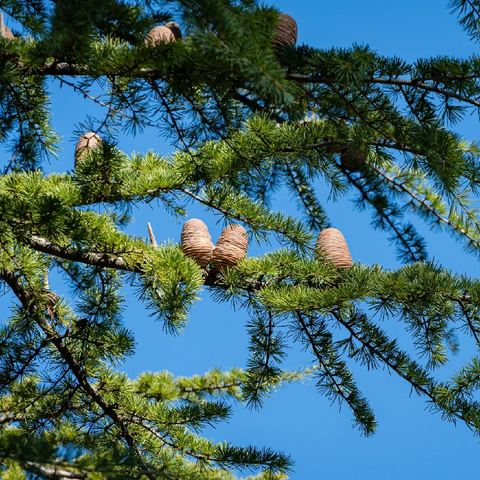 Himalayan Cedar Tree: Unveiling the Secrets of Nature's Majestic Evergreen
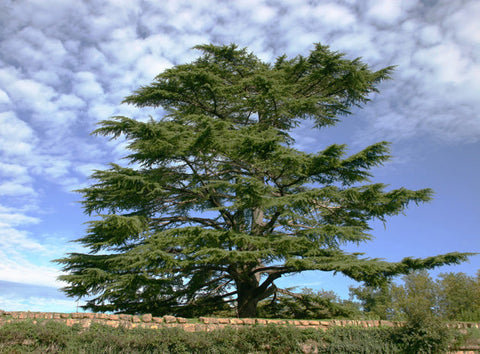 Fragrant Cedar Tree: Nature's Aromatic Wonder for Gardens
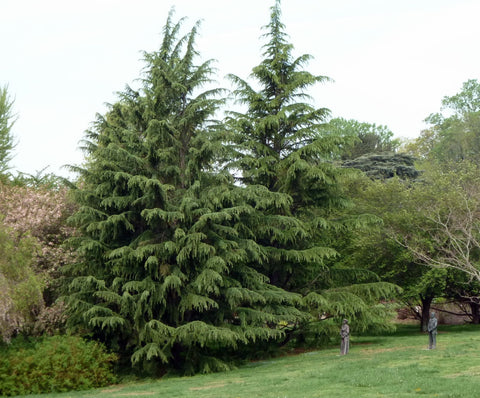 Deodar Tree: Majestic Evergreen Guardian of Himalayan Splendor
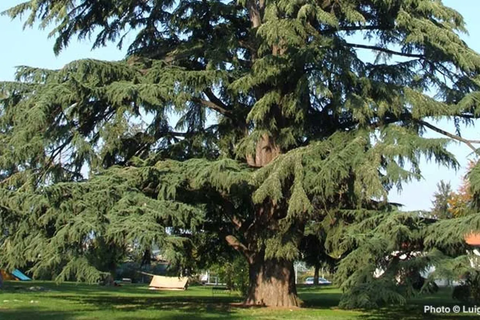 Devdaru Tree: Sacred Cedar of the Himalayas & Divine Heritage
 Japanese Cedar Tree: Unlocking Timeless Beauty & Eco Benefits


Leave a comment