
Japanese Cedar Tree: Unlocking Timeless Beauty & Eco Benefits
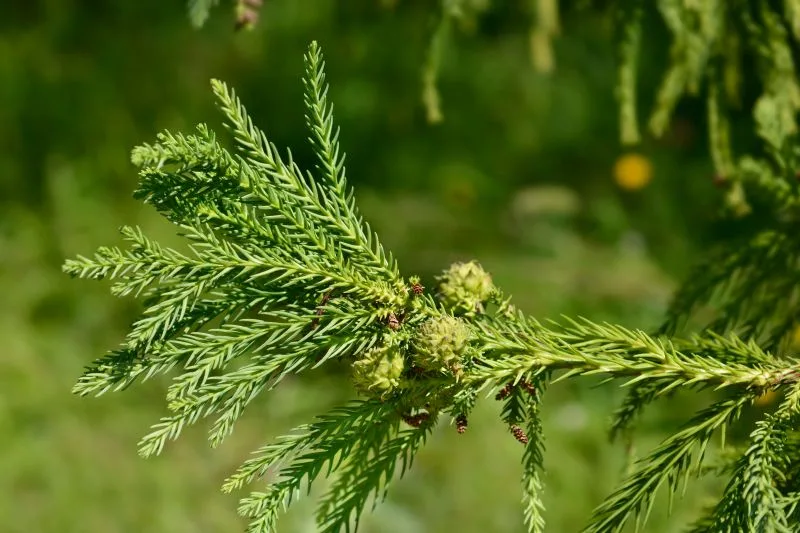
The Japanese Cedar Tree (Cryptomeria japonica), or Sugi, combines timeless beauty with environmental value. Its straight trunks reach 60 metres high, with naturally decay-resistant timber that has preserved temples and shrines for centuries. The species demonstrates remarkable longevity—the oldest known specimen in Yakushima exceeds 1,000 years old—embodying both aesthetic and ecological significance.
The Japanese Cedar Tree (Cryptomeria japonica) stands as one of nature's most magnificent conifers, combining breathtaking aesthetics with powerful environmental benefits. This majestic species has captured hearts for over a millennium while actively combating climate change through collective action in forests worldwide.
Historical Significance of Japanese Cedar ✅
The Japanese Cedar has been an integral part of Japanese culture for centuries. Known as "Sugi" in Japan, this remarkable tree is deeply woven into the nation's history and architecture. Ancient temples, shrines, and traditional houses were constructed using Sugi wood, testament to its durability and beauty.
The wood's natural resistance to decay makes it ideal for structures that have withstood time's test. The oldest known Sugi tree, located in Yakushima, is estimated to be over 1,000 years old, showcasing this species' incredible longevity and resilience.
Beyond architectural uses, the Japanese Cedar holds deep spiritual significance. It's associated with purification and used in rituals and ceremonies. The tree appears in various art forms, from paintings to poetry, symbolizing strength and endurance.
Physical Characteristics and Timeless Beauty ⭐
The Japanese Cedar Tree is easily recognizable with its straight trunk reaching heights of up to 60 meters (197 feet) and diameters of up to 2 meters (6.5 feet). Its foliage consists of soft, needle-like leaves arranged spirally along branches, creating a lush, green appearance that transforms to beautiful reddish-brown in autumn.
The bark presents another striking feature - reddish-brown and peeling in long strips, revealing vibrant layers beneath. This unique characteristic enhances beauty while providing habitat for various insects and birds, contributing to biodiversity.
Ecological Benefits and Environmental Impact 💡
The Japanese Cedar Tree offers numerous ecological advantages that align with modern sustainability goals:
- Carbon Sequestration: Mature Japanese Cedars absorb significant amounts of carbon dioxide, supporting global efforts to achieve net zero targets
- Wildlife Habitat: Dense foliage provides shelter and food for birds, insects, and mammals
- Soil Conservation: Extensive root systems prevent erosion, particularly crucial in mountainous regions
- Water Regulation: Enhances groundwater recharge and maintains soil moisture levels
According to the United Nations Sustainable Development Goals, forest conservation plays a vital role in achieving environmental sustainability. The Japanese Cedar Tree exemplifies how individual species contribute to broader ecological health.
Growing Japanese Cedar: Care and Cultivation ➡️
Successfully growing Japanese Cedar requires understanding its specific needs. These trees thrive in well-drained, slightly acidic soil with consistent moisture. They prefer partial shade to full sun and benefit from protection against strong winds during establishment.
For those interested in sustainable tree planting, organizations like Grow Billion Trees offer comprehensive programs including 2-3ft Tree Planting + 3 Years Care + GeoTag tracking. You can plant a tree in your name for just ₹299, contributing to the goal of planting 100 crore trees across India.
Environmental Challenges and Conservation Efforts ⚠️
Despite its resilience, the Japanese Cedar faces threats from deforestation and urbanization. As populations grow and urban areas expand, forests are cleared for development. This habitat loss endangers not only Japanese Cedars but entire ecosystems, leading to biodiversity loss and increased carbon emissions.
The World Wildlife Fund highlights deforestation as a critical threat to global forest ecosystems. Reforestation efforts become essential for restoring degraded landscapes and enhancing biodiversity.
Organizations worldwide are addressing these challenges through innovative approaches. UN Environment Programme's forest initiatives emphasize the importance of sustainable forest management and community engagement in conservation efforts.
Cultural and Spiritual Significance
The Japanese Cedar Tree holds profound cultural meaning beyond its ecological value. In Japanese tradition, Sugi represents longevity, strength, and spiritual purity. Many sacred groves feature these magnificent trees, creating spaces for meditation and reflection.
Traditional Japanese architecture extensively uses Cedar wood for its aromatic properties and natural resistance to insects and decay. The wood's pleasant fragrance and beautiful grain patterns make it highly valued for interior construction, particularly in traditional baths (onsen) and temples.
Modern Applications and Sustainable Uses
Today's applications of Japanese Cedar extend beyond traditional uses. The essential oil extracted from Cedar wood offers calming properties used in aromatherapy and wellness products. Sustainable harvesting practices ensure these benefits continue while preserving forest ecosystems.
Modern forestry techniques focus on selective harvesting and replanting, maintaining forest health while meeting human needs. This approach aligns with contemporary sustainability goals and supports long-term forest conservation.
Supporting Global Reforestation Initiatives
Individual actions can contribute significantly to global reforestation efforts. Supporting organizations dedicated to tree planting and forest conservation helps scale impact beyond personal capabilities. These initiatives often combine local community engagement with scientific approaches to maximize success rates.
Corporate partnerships increasingly focus on achieving environmental targets through tree planting programs. Many companies now integrate forest conservation into their sustainability strategies, recognizing trees' role in carbon neutrality and environmental stewardship.
Further reading: White Cedar Tree: Unlocking the Secrets of Nature's Timeless Treasure · Himalayan Cedar Tree: Unveiling the Secrets of Nature's Majestic Evergreen
Frequently Asked Questions
How long does a Japanese Cedar Tree live?
Japanese Cedar Trees can live for over 1,000 years, making them among the longest-living tree species. The oldest known specimen in Yakushima is estimated to be over a millennium old, demonstrating remarkable longevity.
What makes Japanese Cedar wood special?
Japanese Cedar wood is naturally resistant to insects and decay, features beautiful grain patterns, and emits a pleasant aromatic fragrance. These properties make it ideal for construction, particularly in traditional Japanese architecture.
How tall can Japanese Cedar Trees grow?
Mature Japanese Cedar Trees can reach heights of up to 60 meters (197 feet) with trunk diameters of up to 2 meters (6.5 feet). Their impressive size contributes to their significant carbon sequestration capacity.
Where do Japanese Cedar Trees naturally grow?
Japanese Cedar Trees are native to Japan, where they grow naturally in mountainous regions. They thrive in temperate climates with adequate moisture and well-drained soils.
Can Japanese Cedar Trees grow in other countries?
Yes, Japanese Cedar Trees can adapt to similar climates worldwide. They're successfully cultivated in various countries with temperate conditions, contributing to global reforestation efforts.
What wildlife benefits from Japanese Cedar Trees?
Japanese Cedar Trees provide habitat and food for numerous species including birds, insects, and small mammals. Their dense foliage offers nesting sites while cones provide food sources for wildlife.
How do Japanese Cedar Trees help combat climate change?
Japanese Cedar Trees absorb significant amounts of carbon dioxide during photosynthesis, storing carbon in their wood and roots. This process helps mitigate climate change by reducing atmospheric carbon levels.
What soil conditions do Japanese Cedar Trees prefer?
Japanese Cedar Trees thrive in well-drained, slightly acidic soil with consistent moisture. They prefer locations with partial shade to full sun and protection from strong winds during establishment.
How can I support Japanese Cedar conservation?
You can support conservation through tree planting organizations, sustainable product choices, and educational initiatives. Contributing to reforestation programs helps preserve these magnificent trees for future generations.
What cultural significance do Japanese Cedar Trees hold?
In Japanese culture, Cedar Trees (Sugi) symbolize longevity, strength, and spiritual purity. They're integral to traditional architecture, spiritual practices, and artistic expression throughout Japanese history.The Japanese Cedar Tree represents nature's perfect balance of beauty, functionality, and environmental benefit. As we face mounting environmental challenges, these magnificent conifers offer hope and practical solutions for sustainable living. By understanding and protecting Japanese Cedars, we contribute to global forest conservation and climate action.Ready to make a difference? Explore tree planting opportunities and join the mission to plant 100 crore trees across India. Together, we can nurture a greener, more sustainable future for generations to come.
Keep reading
 White Cedar Tree: Unlocking the Secrets of Nature's Timeless Treasure
 Himalayan Cedar Tree: Unveiling the Secrets of Nature's Majestic Evergreen
 Fragrant Cedar Tree: Nature's Aromatic Wonder for Gardens
 Indian Cedar Tree: Unraveling the Mystique, Benefits, and Cultural Significance of This Majestic Evergreen
 Indian White Cedar Tree: Nature's Marvel with Incredible Benefits


Leave a comment