
Jackalberry Tree: Nature's Hidden Gem and Its Surprising Benefits for Wildlife and Ecosystems
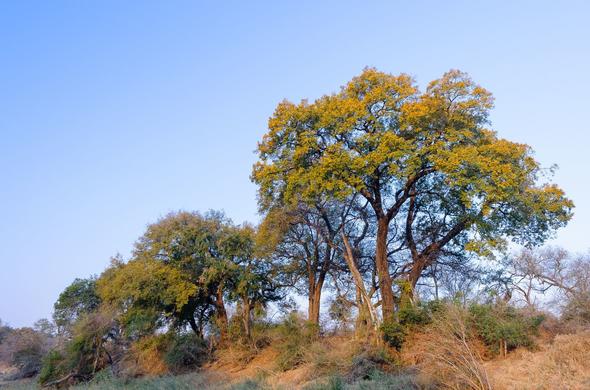
The Jackalberry tree (Diospyros mespiliformis) is a medium to large African species that functions as a keystone species, providing critical habitat and food sources for numerous wildlife including birds. Reaching heights of up to 20 meters, this species remains vital to the savannah ecosystems across Botswana, Zambia, and South Africa.
The Jackalberry tree, scientifically known as Diospyros mespiliformis, is a remarkable species that thrives in the African savannahs and woodlands.
Often overlooked, this tree plays a crucial role in the ecosystem, providing numerous benefits for wildlife and the environment. In this blog post, we will delve into the fascinating world of the Jackalberry tree, exploring its ecological significance, historical context, and the surprising advantages it offers to various species.
Additionally, we will highlight initiatives by organizations like Grow Billion Trees Partners that are dedicated to promoting the growth and conservation of this hidden gem.
Ecological Significance of the Jackalberry Tree
The Jackalberry tree is a medium to large deciduous tree that can reach heights of up to 20 meters (65 feet). It is characterized by its dense crown and thick, leathery leaves that can grow up to 10 cm in length.
The tree is native to various regions in Africa, including Botswana, Zambia, and South Africa, and is particularly prevalent in areas with clayey soils.
One of the most notable ecological benefits of the Jackalberry tree is its role as a keystone species. Keystone species are organisms that have a disproportionately large effect on their environment relative to their abundance.
The Jackalberry tree provides critical habitat and food sources for numerous animals, including birds, insects, and mammals. Its fruits, which ripen in late summer, are particularly important for various wildlife species, including monkeys, elephants, and birds like the African Grey Parrot.
Research indicates that the Jackalberry tree can produce thousands of fruits annually, contributing significantly to the diet of local fauna.
The fruits are rich in nutrients, making them a vital food source during the dry season when other resources become scarce. This seasonal availability of food helps sustain wildlife populations and promotes biodiversity in the region.
Fun Facts About the Jackalberry Tree
- The Jackalberry tree gets its name from the jackal, a common scavenger in Africa that is known to feed on its fruits.
- Its wood is highly valued for its durability and is often used in furniture making and construction.
- The tree can live for over 100 years, making it a long-lasting component of the ecosystem.
- Jackalberry trees have a unique ability to withstand drought conditions, making them resilient in changing climates.
Historical Context and Cultural Significance
The Jackalberry tree has been an integral part of African culture for centuries. Indigenous communities have utilized its resources for various purposes, from food to traditional medicine.
The bark and leaves of the tree have been used in herbal remedies to treat ailments such as fevers and digestive issues. Additionally, the wood has been employed in crafting tools and artifacts, showcasing the tree's importance in sustaining local livelihoods.
Historically, the Jackalberry tree has also been a focal point in local folklore and traditions. Many African cultures view the tree as a symbol of strength and resilience, often incorporating it into their spiritual practices.
The presence of Jackalberry trees in the landscape is often associated with the health of the ecosystem, serving as a reminder of the interconnectedness of nature and humanity.
Environmental Impact and Biodiversity
The Jackalberry tree plays a vital role in maintaining the ecological balance of its environment. By providing shelter and food for various species, it fosters biodiversity and promotes healthy ecosystems.
The tree's dense foliage offers nesting sites for birds and small mammals, while its fruits attract a wide range of pollinators, including bees and butterflies.
Moreover, the Jackalberry tree contributes to soil health. Its root system helps prevent soil erosion, while its fallen leaves decompose to enrich the soil with organic matter. This process enhances soil fertility, allowing other plants to thrive in the vicinity.
As a result, the presence of Jackalberry trees can lead to increased vegetation cover, which further supports wildlife habitats.
In recent years, the impact of climate change has posed significant challenges to many tree species, including the Jackalberry. However, its resilience to drought conditions makes it a valuable asset in restoration efforts aimed at combating desertification and promoting reforestation.
By planting more Jackalberry trees, we can enhance ecosystem stability and support wildlife populations that rely on this critical resource.
Grow Billion Trees Partners: Promoting Tree Planting Initiatives
Organizations like Grow Billion Trees Partners are at the forefront of promoting tree planting initiatives in regions where the Jackalberry tree thrives.
Their mission is to combat climate change, restore ecosystems, and enhance biodiversity through large-scale tree planting projects. By focusing on native species like the Jackalberry, they ensure that the trees planted are well-suited to the local environment and can thrive alongside existing flora and fauna.
Grow Billion Trees Partners employs a community-based approach to tree planting, engaging local communities in the process.
This involvement not only empowers residents but also fosters a sense of ownership and responsibility towards the environment. The organization provides education and training on sustainable land management practices, ensuring that communities understand the importance of preserving their natural resources.
Through partnerships with local governments, NGOs, and conservation organizations, Grow Billion Trees Partners executes tree planting projects that target areas in need of restoration.
They carefully select planting sites, considering factors such as soil quality, water availability, and existing biodiversity. By prioritizing the Jackalberry tree in their initiatives, they contribute to the overall health of the ecosystem and support wildlife populations dependent on this species.
Conclusion: A Call to Action
The Jackalberry tree is indeed nature's hidden gem, offering a wealth of benefits for wildlife and ecosystems alike. Its ecological significance, cultural importance, and resilience make it a vital component of the African landscape.
As we face increasing environmental challenges, it is crucial to recognize the value of such species and take action to protect and promote their growth.
By supporting initiatives like those led by Grow Billion Trees Partners, we can contribute to the conservation of the Jackalberry tree and the ecosystems it supports.
Whether through direct involvement in tree planting efforts or by advocating for sustainable practices in our communities, every action counts. Together, we can ensure that the Jackalberry tree continues to thrive, benefiting wildlife and ecosystems for generations to come.
Let us celebrate the Jackalberry tree and its role in our world, and commit to protecting our planet's natural treasures. Join the movement to grow more trees and foster a healthier environment for all living beings.
Further reading: Sausage Tree: Nature's Unique Marvel with Surprising Benefits · Sacred Bark Tree: Unveiling the Mystical Benefits and Cultural Significance of Nature's Hidden Gem
Frequently Asked Questions
What is the Jackalberry tree?
A majestic giant of the African savannah, the Jackalberry tree, scientifically known as Diospyros mespiliformis, stands tall at up to 20 meters. With its dense crown and leathery leaves, it’s not just a pretty face—it’s a keystone species, providing food and habitat for a plethora of wildlife.
Why is the Jackalberry tree considered a keystone species?
The Jackalberry tree is the life of the party in its ecosystem! By offering critical habitat and delicious fruits, it supports a diverse array of animals, from monkeys to elephants. Its seasonal bounty is a lifesaver during dry spells, making it a superstar in promoting biodiversity.
How long can a Jackalberry tree live?
Talk about longevity! The Jackalberry tree can live for over 100 years, making it the wise old sage of the savannah. Its enduring presence not only enriches the landscape but also provides a consistent habitat for wildlife, proving that good things really do last!
What animals benefit from the Jackalberry tree?
The Jackalberry tree is like a buffet for wildlife! Birds, elephants, and monkeys all enjoy its nutrient-rich fruits, especially during the dry season. This tree’s generous nature helps sustain various species, ensuring that the circle of life keeps spinning in the African savannah.
How does the Jackalberry tree help the environment?
The Jackalberry tree is an environmental MVP! Its roots prevent soil erosion and its fallen leaves enrich the soil, promoting fertility. By providing shelter and food, it fosters biodiversity, making it a key player in maintaining ecological balance and supporting healthy ecosystems.
What cultural significance does the Jackalberry tree hold?
The Jackalberry tree isn’t just a tree; it’s a cultural icon! Indigenous communities have relied on it for food, medicine, and tools for centuries. Its presence in folklore symbolizes strength and resilience, reminding us of the deep connection between nature and human life.
How does the Jackalberry tree contribute to soil health?
The Jackalberry tree is a soil superhero! Its root system not only prevents erosion but also enriches the soil with organic matter through decomposing leaves. This nutrient boost allows other plants to thrive, creating a lush environment that supports diverse wildlife.
What role does the Jackalberry tree play in combating climate change?
The Jackalberry tree is a climate warrior! Its resilience to drought makes it an excellent candidate for restoration projects aimed at combating desertification. By planting more Jackalberry trees, we can enhance ecosystem stability and support wildlife populations in the face of climate challenges.
Who is Grow Billion Trees Partners?
Grow Billion Trees Partners is like the tree-planting Avengers! This organization is dedicated to combating climate change through large-scale tree planting initiatives, focusing on native species like the Jackalberry. They engage local communities, ensuring that everyone feels empowered to protect their environment.
How can I get involved with tree planting initiatives?
Ready to roll up your sleeves and plant some trees? Joining local initiatives like Grow Billion Trees Partners is a fantastic way to get involved! You’ll learn about sustainable practices, meet like-minded folks, and contribute to a greener future—one Jackalberry at a time.
Why should we care about the Jackalberry tree?
The Jackalberry tree is nature’s hidden gem, playing a vital role in ecosystems and wildlife habitats. By recognizing its ecological and cultural significance, we can take action to protect and promote its growth. After all, a thriving Jackalberry tree means a healthier planet for all!
Keep reading
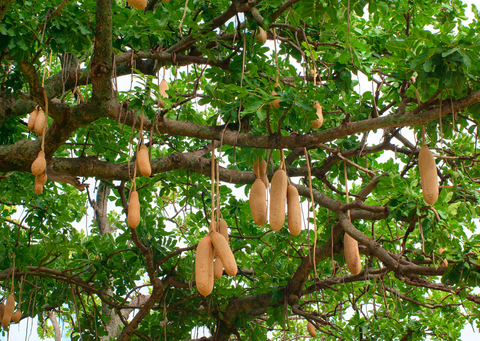 Sausage Tree: Nature's Unique Marvel with Surprising Benefits
 Sacred Bark Tree: Unveiling the Mystical Benefits and Cultural Significance of Nature's Hidden Gem
 Wild Pistachio Tree: Unveiling Nature's Hidden Gem and Its Surprising Benefits
 Indian Ebony Tree: The Ultimate Guide to Its Beauty, Benefits, and Cultural Significance
 Cottonwood Tree: The Majestic Giant of Nature's Landscape and Its Surprising Benefits


Comments
Leave a comment