
Sausage Tree: Nature's Unique Marvel with Surprising Benefits
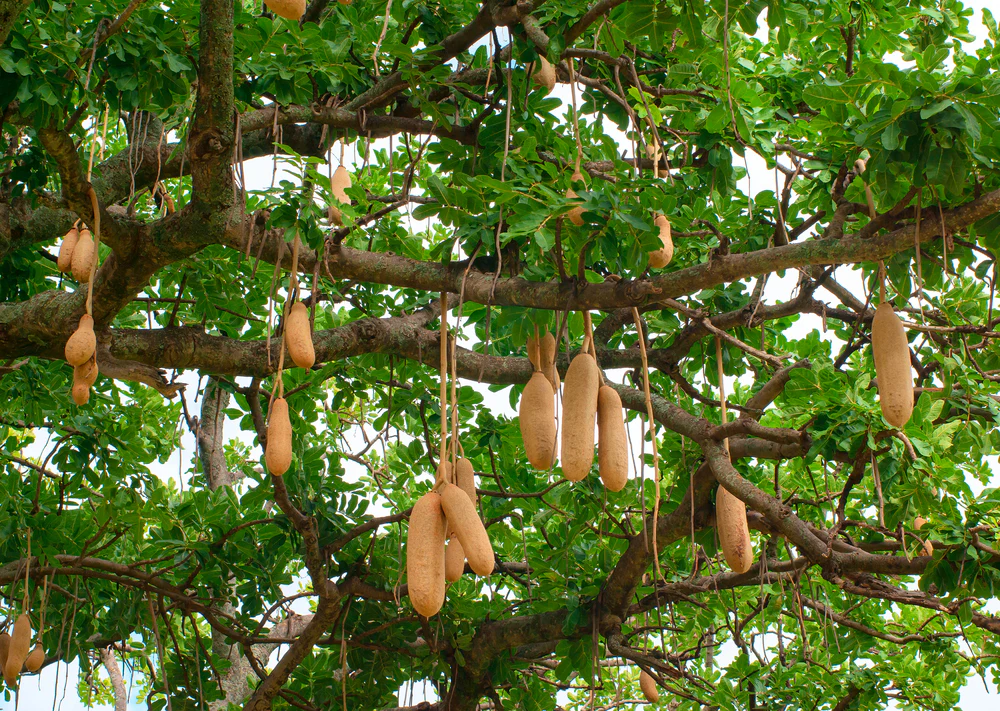
The Sausage Tree (Kigelia africana) is a large African deciduous tree named for distinctive hanging fruits resembling massive sausages, which grow up to 60 centimetres and weigh 5 kilograms each. Reaching 20 metres tall, it produces night-blooming trumpet-shaped flowers that attract pollinators and offers ecological services and traditional medicinal value.
The Sausage Tree (Kigelia africana) stands as one of nature's most extraordinary botanical wonders, capturing hearts with its distinctive hanging fruits that resemble massive sausages. This remarkable African native offers far more than its unusual appearance suggests, providing essential ecological services, traditional medicine, and cultural significance across the continent.
For environmentally conscious individuals seeking to understand nature's incredible diversity, the Sausage Tree represents the perfect example of how unique species contribute to our planet's biodiversity. At Grow Billion Trees, we recognize the importance of preserving such remarkable species as part of our mission to Plant a tree in your Name and achieve our goal of planting 100 crore trees across India.
✅ What Makes the Sausage Tree So Special?
The Sausage Tree is a large deciduous tree native to the African savannahs, capable of reaching heights up to 20 meters with a broad, spreading canopy. Its most distinctive feature remains its unusual fruit, which resembles large sausages hanging from branches, hence the memorable name.
These extraordinary fruits can grow up to 60 centimeters in length and weigh up to 5 kilograms each. The tree typically blooms between late spring and early summer, producing large, trumpet-shaped flowers that open at night and emit a sweet fragrance, attracting essential pollinators such as bats and various insects.
Scientific Classification and Origin
The Sausage Tree belongs to the family Bignoniaceae, which comprises about 120 genera and over 700 species. Its scientific name, Kigelia africana, reflects its African roots, with 'Kigelia' derived from local names in several African languages. The tree thrives naturally in countries such as Zambia, Zimbabwe, Botswana, and South Africa.
⭐ Fascinating Facts About the Sausage Tree
- Often referred to as the "Sausage Fruit" tree due to its distinctive long, sausage-shaped fruits
- Considered sacred in many cultures and associated with various myths and legends
- Flowers open exclusively at night and are primarily pollinated by bats attracted to their sweet scent
- Fruits are not edible for humans but serve important ecological and traditional medicinal purposes
- Tree bark is traditionally used to make ropes and fishing nets in local communities
- Can live for several centuries, becoming important landmarks in their native habitats
🌿 Rich Historical and Cultural Significance
The Sausage Tree has been deeply woven into African culture for centuries. Indigenous peoples have utilized its various parts for medicinal purposes, with the fruits being used in traditional remedies for ailments such as skin infections and inflammation. The tree's bark serves multiple purposes in local crafts and rope-making, highlighting its multifaceted utility.
Furthermore, the Sausage Tree holds profound significance in local folklore and mythology. Many African tribes regard the tree as a symbol of fertility and abundance. Some legends speak of the tree as a divine gift, intended to provide sustenance and healing to communities across generations.
💡 Remarkable Ecological Impact and Benefits
The Sausage Tree plays a vital role in its ecosystem, contributing to environmental health in numerous ways. According to the United Nations Environment Programme's forest conservation initiatives, trees like the Sausage Tree are crucial for maintaining biodiversity and ecological balance.
Wildlife Habitat and Food Source
The Sausage Tree provides essential habitat and food for various wildlife species. Birds, bats, and insects are naturally attracted to its flowers and fruits, creating vibrant ecosystems around each tree. This biodiversity support aligns with global conservation efforts outlined in the United Nations Sustainable Development Goals.
Soil Health and Water Retention
The tree significantly contributes to soil health through its nutrient-rich leaf litter, which decomposes and enriches surrounding soil. Its extensive root system helps retain water in arid environments, contributing to local water cycles and supporting other vegetation.
Carbon Sequestration
Like many trees in our reforestation programs, the Sausage Tree plays a crucial role in carbon sequestration, absorbing carbon dioxide from the atmosphere. This natural process supports global efforts in Combating Climate Change Through Collective Action, as emphasized by United Nations climate change initiatives.
🌱 Traditional Medicinal Uses and Properties
While the fruit of the Sausage Tree is not safe for direct human consumption, it has been traditionally used in various medicinal applications throughout Africa. The bark and leaves possess antimicrobial properties and have been used to treat skin conditions and infections for generations.
Extracts from the tree are incorporated into herbal medicines, showcasing the importance of the Sausage Tree in traditional healing practices. Modern research continues to explore these traditional uses, highlighting the potential pharmaceutical applications of this remarkable species.
⚠️ Conservation Challenges and Sustainability Efforts
Despite its natural resilience, the Sausage Tree faces significant threats from habitat loss, climate change, and overharvesting. As human populations expand and agricultural practices intensify, the natural habitats of these unique trees are increasingly at risk.
Conservation efforts are crucial to ensure the survival of this extraordinary species. At Grow Billion Trees, we understand that protecting biodiversity requires comprehensive action, which is why our programs include both native Indian species and support for global conservation efforts.
Our Commitment to Conservation
Through our 2-3ft Tree Planting + 3 Years Care + GeoTag program, we demonstrate how technology and dedication can ensure successful tree establishment. While we focus primarily on Indian native species, we support global conservation efforts and recognize the importance of preserving unique species like the Sausage Tree worldwide.
Our mission to plant 100 crore trees includes partnerships with organizations working to protect endangered and culturally significant species across different continents. We believe that achieving Net Zero Targets requires a global perspective on forest conservation.
🌍 Growing and Cultivating Sausage Trees
For those interested in cultivating Sausage Trees, understanding their specific requirements is essential. These trees thrive in warm, subtropical to tropical climates with well-draining soil. They require full sunlight and can tolerate drought conditions once established, making them suitable for various environmental conditions.
Planting and Care Requirements
- Plant in well-draining, fertile soil with pH between 6.0-7.5
- Ensure full sunlight exposure for optimal growth
- Water regularly during establishment, then reduce frequency as tree matures
- Prune carefully to maintain shape and remove dead branches
- Protect young trees from strong winds and extreme weather
Further reading: Jackalberry Tree: Nature's Hidden Gem and Its Surprising Benefits for Wildlife and Ecosystems · Raatrani Tree: Discovering the Enchanting Fragrance and Incredible Benefits of Natures Night Blooming Beauty
Frequently Asked Questions
What is a Sausage Tree and where does it grow naturally?
The Sausage Tree (Kigelia africana) is a large deciduous tree native to African savannahs, growing up to 20 meters tall with distinctive sausage-shaped fruits. It naturally occurs in countries like Zambia, Zimbabwe, Botswana, and South Africa.
Are Sausage Tree fruits edible for humans?
No, Sausage Tree fruits are not safe for direct human consumption. However, they have been traditionally used in African medicine for treating various ailments and skin conditions when properly prepared.
How do Sausage Trees reproduce and pollinate?
Sausage Trees produce large, trumpet-shaped flowers that open at night and emit a sweet fragrance. They are primarily pollinated by bats and nocturnal insects attracted to their scent and nectar.
What wildlife depends on Sausage Trees?
Various wildlife species depend on Sausage Trees, including bats (primary pollinators), birds that nest in the canopy, and insects that feed on flowers and fruits. The trees create important biodiversity hotspots in their native habitats.
Can Sausage Trees grow in climates outside Africa?
Sausage Trees can potentially grow in warm, subtropical to tropical climates outside Africa, provided they receive adequate sunlight, well-draining soil, and protection from frost. However, they require specific conditions to thrive.
How long do Sausage Trees live and how fast do they grow?
Sausage Trees are long-lived species that can survive for several centuries. They are relatively slow-growing, taking many years to reach maturity and begin producing their characteristic fruits.
What conservation status do Sausage Trees currently have?
While not currently endangered, Sausage Trees face increasing pressure from habitat loss and climate change. Conservation efforts focus on protecting their natural habitats and promoting sustainable cultivation practices.
How are Sausage Trees used in traditional African medicine?
Traditional African medicine uses various parts of the Sausage Tree, including bark and leaves, to treat skin conditions, infections, and inflammation. The fruits are processed into topical treatments rather than consumed directly.
Supporting Global Tree Conservation Efforts
At Grow Billion Trees, we believe that every tree matters in our fight against climate change. While our primary focus remains on planting native Indian species through our affordable ₹299 tree planting program, we recognize the global importance of conserving unique species like the Sausage Tree.
Our commitment extends beyond individual tree planting to supporting comprehensive environmental restoration. Through our various programs including Miyawaki forests, agroforestry, and mangrove restoration, we demonstrate how diverse approaches to reforestation can create lasting environmental impact.
🌟 The Future of Sausage Tree Conservation
The future of Sausage Tree conservation depends on continued research, habitat protection, and community engagement. As we work toward our goal of planting 1 billion trees by June 2030, we support global efforts to preserve biodiversity and protect unique species worldwide.
Every tree planted contributes to a healthier planet, whether it's a native Indian species through our programs or supporting conservation efforts for remarkable trees like the Sausage Tree in Africa. Together, we can ensure that future generations will continue to marvel at nature's incredible diversity.
Ready to make a difference? Plant a tree in your Name today and join our mission to create a greener, more sustainable future for all. With our comprehensive care program and GeoTag technology, you can track your contribution to global reforestation efforts while supporting the preservation of remarkable species worldwide.
Keep reading
 Jackalberry Tree: Nature's Hidden Gem and Its Surprising Benefits for Wildlife and Ecosystems
 Raatrani Tree: Discovering the Enchanting Fragrance and Incredible Benefits of Natures Night Blooming Beauty
 Cannonball Tree Tree: Unveiling the Mysteries and Wonders of Nature's Unique Botanical Marvel
 African Mahogany Tree: The Ultimate Guide to Its Beauty, Benefits, and Sustainable Harvesting
 Baobab Tree: The Marvelous 'Tree of Life' You Need to Discover Today


Comments
Leave a comment