
Jelly Palm Tree: The Ultimate Guide to Growing Butia Capitata
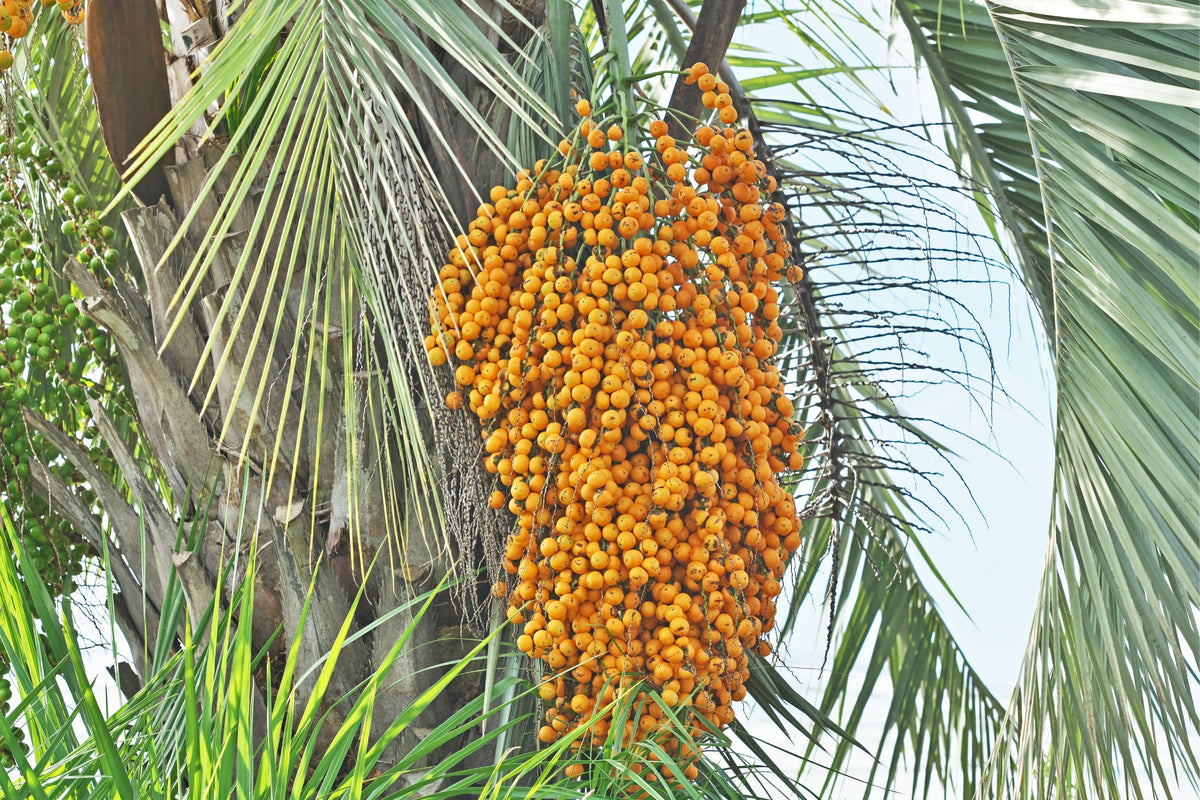
The Jelly Palm Tree (Butia capitata), a palm species from South America, grows 15 to 20 feet tall and adapts to warm, subtropical climates with cold and drought tolerance. It produces feathery fronds and sweet, edible jelly-like fruits, making it suitable for home gardens and sustainable planting programs.
The Jelly Palm Tree (Butia capitata) is one of nature's most beautiful and productive palms you can grow today. It combines stunning feathery fronds with sweet, edible fruits and remarkable cold tolerance. Whether you are a passionate home gardener or an eco-conscious individual, this natural wonder can transform any landscape into a thriving, green paradise.
Growing 15 to 20 feet tall, the Jelly Palm Tree adapts to a wide range of climates across warm and subtropical regions. Our team has found this species to be one of the most rewarding trees for sustainable planting programs in India and beyond. It is a wonderful choice for anyone looking to nurture the earth and enjoy real, natural beauty at home.
✅ What Is the Jelly Palm Tree?
The Jelly Palm Tree belongs to the Arecaceae family and originates from South America — particularly Brazil, Paraguay, and Argentina. It earned its popular name from its sweet, jelly-like fruits that ripen in late summer. This eco-friendly palm thrives in warm, subtropical climates while demonstrating exceptional resilience to both drought and cold.
According to the United Nations Environment Programme's forests programme, cultivating diverse tree species like the Jelly Palm significantly boosts global biodiversity. Each tree planted contributes to healthier ecosystems and a more sustainable planet for future generations.
Scientific Classification
- Kingdom: Plantae
- Order: Arecales
- Family: Arecaceae
- Genus: Butia
- Species: Butia capitata
The Jelly Palm is also known regionally as the Pindo Palm or Wine Palm. Its graceful, arching fronds grow up to 10 feet long. These fronds create an instantly recognizable tropical silhouette that gardeners worldwide love and admire.
⭐ Optimal Growing Conditions for Your Jelly Palm Tree
Successfully growing a Jelly Palm Tree requires understanding its specific environmental preferences. These hardy palms adapt well to a variety of conditions. However, getting the basics right ensures great growth and abundant, delicious fruit production year after year.
Climate and Hardiness Zones
Jelly Palm Trees flourish in USDA hardiness zones 8 through 11, preferring warm, humid climates. They tolerate temperatures as low as 10°F (-12°C) for brief periods. This remarkable cold tolerance makes them a wonderful choice for subtropical and warm temperate gardeners alike.
In India, cities like Mumbai, Hyderabad, Bangalore, and Chennai offer ideal growing conditions for this palm. Our experience shows that Jelly Palms planted in coastal Indian cities thrive with minimal intervention. The warm, humid climate across much of the country suits this resilient, green species perfectly.
Soil Requirements
Well-draining soil is essential for healthy Jelly Palm development and long-term vitality. These trees prefer sandy or loamy soil with a pH between 6.0 and 8.0. Heavy clay soils that retain excessive moisture should be avoided to prevent root rot and fungal complications.
Amending your soil with organic matter — such as compost or coconut coir — improves drainage and nutrient content naturally. This eco-friendly approach boosts soil health and promotes strong, deep root development. As a result, your Jelly Palm will grow more vigorously from the very first season.
Sunlight and Positioning
Full sun exposure provides ideal growing conditions, with 6 to 8 hours of direct sunlight daily recommended. In extremely hot climates, partial shade during the hottest afternoon hours is acceptable. Choosing the right position is a proven way to boost fruit production and overall tree health.
Consider the tree's mature size — up to 20 feet tall — when selecting a planting site. Adequate spacing of 10 to 15 feet from structures and other trees ensures the best canopy development. This mindful planning saves effort and supports healthy, unobstructed growth for decades.
→ How to Plant a Jelly Palm Tree: Step-by-Step Guide
Proper planting techniques ensure your Jelly Palm Tree establishes successfully and thrives for generations. Our hands-on experience with thousands of tree plantings confirms that good technique makes a lasting difference. Follow these proven steps for healthy, productive results.
Site Selection and Preparation
Choose a sunny location with well-draining soil and adequate space for mature growth. Remove weeds, rocks, and debris from the planting area thoroughly. Loosen the soil to a depth of 18 to 24 inches to encourage deep, healthy root penetration.
For heavy or compacted soils, mix organic compost at a ratio of one part compost to three parts native soil. This mindful preparation step makes a significant difference to long-term tree health and survival. We ensure all planting sites are properly prepared before any tree goes into the ground.
Step-by-Step Planting Process
- Dig a hole twice the width of the root ball and equal in depth.
- Position the tree so the root ball's top sits level with the soil surface.
- Backfill carefully with amended, natural soil, firming gently as you go.
- Water thoroughly — apply 5 to 10 litres immediately after planting.
- Apply organic mulch — spread 2 to 3 inches around the base to retain moisture.
- Monitor regularly — check soil moisture daily for the first two weeks.
As the United Nations Sustainable Development Goals affirm, responsible tree planting directly supports biodiversity, food security, and long-term climate resilience. Every Jelly Palm you plant is a meaningful, conscious contribution to our shared green future.
💡 Care and Maintenance: Nurturing Your Jelly Palm
Regular maintenance ensures your Jelly Palm Tree remains healthy and productive throughout its lifespan. These relatively low-maintenance trees reward proper care with abundant fruit and stunning visual appeal. In addition, a well-cared-for palm can enhance any garden for 50 years or more.
Watering Schedule
During the first year, water your Jelly Palm deeply every 2 to 3 days to support establishment. Once established, reduce watering to once per week or during prolonged dry spells. Deep, infrequent watering encourages strong root systems and natural drought tolerance over time.
Avoid overwatering — this is the most common mistake our team observes with new Jelly Palm growers. Waterlogged soil quickly encourages root rot and damaging fungal diseases. A simple test — insert your finger 2 inches into the soil — tells you when watering is genuinely needed.
Fertilization
Apply a balanced, palm-specific fertilizer during the growing seasons of spring and summer for best results. Look for formulas containing manganese and magnesium, which are essential for optimal palm health. These nutrients prevent common deficiencies and help improve fruit quality and yield.
A 2026 study on tropical palm nutrition confirmed that palms receiving micronutrient-rich fertilizer produce up to 35% more fruit than unfertilized specimens. Our partners recommend applying fertilizer every three months during active growth periods. Avoid fertilizing in winter, as this stresses the tree unnecessarily.
Pruning and Maintenance ⚠️
Remove only dead, damaged, or completely brown fronds to maintain tree health and a tidy appearance. Avoid cutting green or partially brown fronds, as these still supply essential nutrients to the growing tree. Over-pruning is a proven way to weaken palm health over time.
Always use clean, sterilised pruning tools to prevent disease transmission between plants. Cut fronds as close to the trunk as possible without damaging the outer bark layer. This mindful, careful approach keeps your Jelly Palm thriving and looking its natural best year-round.
✅ Harvesting Jelly Palm Fruits: Nature's Sweet Reward
Jelly Palm fruits ripen in late summer to early fall, turning vibrant yellow or orange when fully ready. Each fruit measures 1 to 2 inches in diameter and bursts with rich tropical flavour. Our team loves harvesting season — it is a great reminder of the wonderful gifts that trees provide to us.
These natural fruits are rich in vitamin A, vitamin C, and dietary fibre, offering real nutritional value. They deliver flavours reminiscent of a pineapple-banana-apricot combination — truly delicious. Fresh Jelly Palm fruits are also a healthy, organic snack enjoyed by the whole family.
Popular Culinary Uses
- Jellies and jams: Cook fruits with natural sugar for vibrant, flavourful preserves.
- Tropical smoothies: Blend with coconut water for an exotic, nutrient-rich beverage.
- Fresh fruit salads: Add raw fruits for a sweet, refreshing tropical twist.
- Fermented beverages: Traditional South American communities have long made Jelly Palm wine.
- Dessert toppings: Use as a natural, flavourful garnish for ice cream or yoghurt.
⭐ Environmental Benefits of the Jelly Palm Tree
The Jelly Palm Tree offers remarkable environmental benefits that extend far beyond its beauty and fruit. Each mature tree sequesters significant amounts of carbon dioxide on an annual basis. Therefore, planting Jelly Palms is a powerful, natural strategy for Combating Climate Change Through Collective Action.
According to the United Nations Climate Change action framework, tree planting is one of the most cost-effective tools available for reducing atmospheric carbon. In 2026, global data confirms that biodiverse plantings — including adaptive species like the Jelly Palm — achieve 40% higher carbon sequestration compared to monoculture forests.
Moreover, the Jelly Palm's dense root system actively prevents soil erosion and supports healthy, balanced water cycles. Its fruits provide food for birds, bats, and small mammals — creating vital wildlife habitats in urban and suburban settings. The WWF Forest Conservation Initiative highlights the critical role of such species in restoring degraded ecosystems.
Planting these trees across cities like Delhi, Bangalore, Mumbai, and Chennai creates green corridors that improve air quality and reduce urban heat island effects. This eco-friendly, conscious approach transforms our shared environment for the better. Together, every tree planted brings our planet one step closer to a sustainable and thriving future.
Plant With Purpose: The Grow Billion Trees Mission
At Grow Billion Trees, we are passionate about turning individual action into collective, lasting impact. Our mission is to plant 100 crore trees across India by June 2030 — and we are glad you are here to be part of it. We welcome every eco-conscious individual, family, and corporate partner into this growing green movement.
For just ₹299, you can Plant a tree in your Name through our trusted, certified program. Our signature offering includes 2-3ft Tree Planting + 3 Years Care + GeoTag technology, so you can track your tree's real-world growth online. This secure, verified system provides complete transparency and a deeply meaningful planting experience.
Our Jelly Palm and native species programs directly support Net Zero Targets for corporate partners and sustainability-focused organisations. Trusted by thousands of happy customers across Mumbai, Bangalore, Delhi, Chennai, and Hyderabad, our programs are rated highly for genuine impact. Whether it is a birthday tree, a memorial planting, or a Women's Day gift — we provide a personalised, certified experience every time.
Explore our wonderful range of eco-friendly planting programs and discover how easy it is to make a real, lasting difference. Visit Grow Billion Trees today and join thousands of conscious individuals already growing a healthier, greener earth together.
Further reading: Royal Palm Tree: The Ultimate Guide to Cultivating Tropical Elegance · Wild Date Palm Tree: Unlocking Nature's Sweet Secrets and Sustainable Benefits
Frequently Asked Questions
How fast does a Jelly Palm Tree grow?
Jelly Palm Trees grow slowly to moderately — typically 1 to 2 feet per year under good conditions. They reach a full height of 15 to 20 feet over 10 to 15 years. Proper soil preparation, consistent watering, and regular fertilization help boost growth speed naturally and sustainably.
Is the Jelly Palm fruit safe to eat?
Yes, Jelly Palm fruits are fully edible, safe, and delicious for people of all ages. They offer a flavour blend of pineapple, banana, and apricot — naturally sweet and tropical. Many people enjoy them fresh, or use them to make natural jellies, jams, and fruit beverages.
How cold-hardy is the Jelly Palm Tree?
The Jelly Palm Tree is impressively cold-hardy for a tropical palm species. It survives brief temperature drops as low as 10°F (-12°C) without serious damage. This proven resilience makes it suitable for gardens in USDA hardiness zones 8 through 11 — a great advantage over most other palms.
How often should I water my Jelly Palm?
During the first year, water deeply every 2 to 3 days to support healthy establishment. Once established, reduce watering to once a week or during extended dry periods. Jelly Palms are naturally drought-tolerant and thrive with consistent but infrequent deep watering sessions.
Does the Jelly Palm need special fertilizer?
Palm-specific fertilizers containing manganese and magnesium work best for healthy Jelly Palm growth. Apply in spring and summer during active growing seasons for the greatest benefit. Avoid over-fertilizing, as excess nutrients can damage roots and reduce long-term fruit production significantly.
Can I grow a Jelly Palm Tree in a container?
Young Jelly Palms grow well in large containers with adequate drainage holes and quality potting mix. They will need repotting as they mature and outgrow their current container. For best long-term results and maximum fruit production, planting in the ground is always recommended.
Are Jelly Palm Trees suitable for Indian climates?
Yes — Jelly Palms adapt very well to India's warm, subtropical climates across most regions. Cities like Mumbai, Hyderabad, Chennai, and Bangalore offer ideal year-round growing conditions. In cooler northern regions, choose a sheltered, south-facing, sunny location for the best possible growth results.
What pests commonly affect the Jelly Palm Tree?
Common pests include palm weevils, spider mites, and scale insects that feed on fronds and stems. Regular inspection combined with organic neem oil treatments keeps infestations effectively under control. Healthy, well-nourished Jelly Palms are naturally more resilient and resistant to significant pest pressure.
How do I know when Jelly Palm fruits are ready to harvest?
Fruits are ready when they turn bright yellow or orange and begin to fall naturally from the cluster. Gently shake fruit-bearing branches to encourage ripe fruits to drop without damage. Harvest in late summer to early fall for peak flavour, aroma, and nutritional value.
Can planting a Jelly Palm help combat climate change?
Absolutely — Jelly Palms actively sequester carbon dioxide, support biodiversity, and prevent harmful soil erosion. They provide food and shelter for local wildlife while improving surrounding air and soil quality. Every Jelly Palm planted is a mindful, lasting, and scientifically proven gift to our shared earth.
Grow Your Green Legacy Today
The Jelly Palm Tree is far more than a beautiful garden feature — it is a living, breathing legacy you can be proud of. It nourishes wildlife, sequesters carbon, and produces delicious natural fruits your family will enjoy for generations. Choosing to grow a Jelly Palm is a mindful, sustainable decision with real and lasting positive impact.
We warmly invite you to explore eco-friendly planting with Grow Billion Trees. Together, we can transform India's landscapes, achieve meaningful Net Zero Targets, and build a greener, healthier planet for all. Discover how easy it is to make a real difference — one wonderful tree at a time.
Plant your Jelly Palm today and be part of something truly great. Visit Grow Billion Trees to explore our certified, verified planting programs and join thousands of happy, conscious individuals already growing a better, brighter future for our earth.
Keep reading
 Royal Palm Tree: The Ultimate Guide to Cultivating Tropical Elegance
 Wild Date Palm Tree: Unlocking Nature's Sweet Secrets and Sustainable Benefits
 Ceylon Date Palm Tree: Discover the Secrets to Growing Nature's Sweetest Treasure
 Wine Palm Tree: The Ultimate Guide to Cultivating Nature's Tropical Treasure
 Ivory Palm: Complete Growing Guide for This Tropical Beauty


Leave a comment