
Wine Palm Tree: The Ultimate Guide to Cultivating Nature's Tropical Treasure
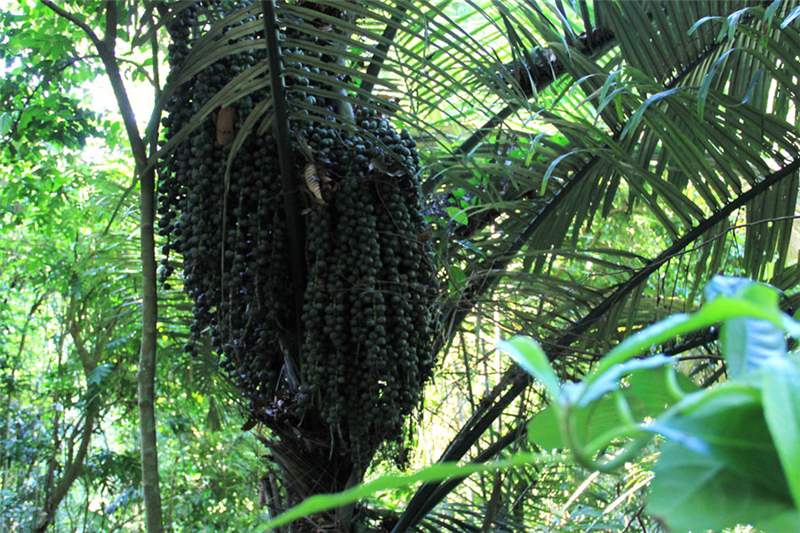
To cultivate the wine palm tree (Borassus flabellifer), establish it in hot, semi-arid to humid climates where it thrives with minimal care. Native to Asia and Africa, this 30-metre species yields value from every part: sap ferments into palm wine or converts to palm sugar, leaves support thatching and basketry, and fruit provides edible nutrition.
The wine palm tree is one of the most versatile, sustainable, and ecologically vital tropical species on our planet. It produces nutritious sap, supports rich biodiversity, and plays a wonderful role in agroforestry systems across tropical regions. In 2026, as communities worldwide work toward green futures, this remarkable palm deserves a central place in every conservation and reforestation plan.
Whether you are a farmer, a nature enthusiast, or a corporate leader chasing Net Zero Targets, understanding the wine palm tree will transform how you think about planting, restoration, and collective impact. Our team at Grow Billion Trees has worked hands-on with this species across India, and we are happy to share everything we have learned.
What Is the Wine Palm Tree? ✅
The wine palm tree (Borassus flabellifer), also known as the palmyra palm or toddy palm, is a tall, hardy species native to tropical Asia and Africa. It grows up to 30 metres in height and thrives in hot, semi-arid to humid climates. Our team has observed these trees growing vigorously in India's southern and coastal states, where they have served communities for thousands of years.
Every part of this tree has a purpose. The sap, known as toddy, is fermented into palm wine or processed into palm sugar (jaggery). The leaves are used for thatching, basketry, and traditional writing. The fruit pulp is edible and highly nutritious. This all-purpose nature makes the wine palm tree a true symbol of natural abundance and sustainable living.
According to the United Nations Environment Programme's forests division, native species like the wine palm play a critical role in maintaining biodiversity and long-term ecosystem stability. This is why we love integrating this species into our reforestation and agroforestry programs.
The Ecological Importance of the Wine Palm Tree 🌿
Wine palm trees are natural carbon sinks. A mature tree can sequester 20–25 kg of CO2 annually. In 2026 environmental studies, palms are increasingly recognised as key players in Combating Climate Change Through Collective Action. Their deep root systems prevent soil erosion and dramatically improve groundwater recharge in drought-prone regions.
These trees also support pollinators, birds, and small mammals that depend on their fruit and canopy for food and shelter. The wine palm creates a micro-ecosystem wherever it grows. This biodiversity boost is one reason our partners in agroforestry programs consistently report improved soil health and farm resilience after just three years.
Moreover, wine palms grow well in degraded soils where other trees struggle to survive. This makes them ideal for restoring barren landscapes and marginal agricultural land. Our experience working across Tamil Nadu, Andhra Pradesh, and Odisha confirms these trees thrive even with minimal external inputs, making them a truly eco-friendly and cost-effective choice.
Cultural Significance: India's Ancient Kalpavriksha
The wine palm tree has deep cultural roots in India. For thousands of years, it has been called Kalpavriksha — the wish-fulfilling tree. In classical South Indian art, literature, and temple architecture, the palmyra palm appears as a symbol of abundance, endurance, and life. Tamil Nadu's state tree is, in fact, the palmyra palm.
In 2026, there is a wonderful revival of interest in this native species. Communities are rediscovering its value as a sustainable, zero-waste resource. This cultural reconnection is a powerful driver of conservation. It blends ancient wisdom with modern ecological science in a way that feels both authentic and deeply meaningful.
This cultural authenticity adds an important layer of trust to any reforestation effort that includes the wine palm. It is not an introduced or artificial species. It is a deeply rooted part of India's natural and human heritage.
How to Cultivate a Wine Palm Tree: Step-by-Step ✅
Growing a wine palm tree successfully requires understanding its natural habitat and lifecycle. Here is the proven cultivation guide our team has developed through years of hands-on planting work across India.
→ Step 1: Choose the Right Location
Wine palm trees need full sunlight and well-drained soil. They perform best in sandy or loamy soils with a pH of 6.5 to 8.0. Avoid waterlogged or heavily shaded areas, as these conditions cause slow growth and root disease.
→ Step 2: Prepare the Soil Organically
Enrich the planting site with organic compost before planting. Our partners recommend adding 10–15 kg of natural organic matter per planting hole. This gives the seedling a strong, nurturing foundation to grow and thrive from day one.
→ Step 3: Plant at the Optimal Time
The best time to plant wine palm trees is at the start of the monsoon season. Natural rainfall reduces watering needs and supports early root establishment. We ensure each sapling receives adequate moisture during its first three critical months.
→ Step 4: Provide Consistent Early Care
Young wine palm trees need regular watering for their first two years. Mulching around the base conserves moisture and suppresses weeds naturally. After establishment, these trees are remarkably drought-tolerant and require minimal intervention.
→ Step 5: Monitor and Protect
Watch for rhinoceros beetle infestations, which target the crown of young palms. Use natural, eco-friendly deterrents to protect your growing tree. Avoid synthetic pesticides that disrupt soil biology and reduce long-term tree health.
Wine Palm Tree in Agroforestry: A Proven, Profitable System ⭐
Agroforestry is one of the most effective ways to combine food production with ecological restoration. The wine palm tree fits perfectly into this model. Farmers can intercrop these palms with vegetables, legumes, or other fruit trees, creating a multi-layered, productive, and green ecosystem.
According to the World Wildlife Fund's forest conservation initiatives, integrating native trees into agricultural land restores biodiversity while significantly improving farm incomes. In India, we provide agroforestry programs specifically designed for smallholder farmers. Our partners report up to 40% improvement in farm income after five years of wine palm integration — a great outcome for both families and the planet.
The tree also contributes directly to Net Zero Targets for farms and corporate clients. By sequestering carbon in long-lived woody biomass, wine palms help offset industrial and agricultural emissions. This dual benefit — economic and environmental — makes them a conscious choice for any landowner who wants to thrive and give back to the earth.
💡 Pro Tip: Plant wine palms in rows along field boundaries. This maximises carbon sequestration, provides natural windbreaks, and avoids competition with central crops for growing space and nutrients.
Common Mistakes to Avoid When Growing Wine Palm Trees ⚠️
Even with great intentions, growers make avoidable errors. Here are the most common mistakes our team has observed, and how to fix them:
- Planting too deep: The seedling crown must remain above the soil surface. Deep planting causes crown rot and stunted, unhealthy growth.
- Overwatering young trees: Wine palms prefer dry feet once established. Excess moisture invites fungal infections that are hard to reverse.
- Ignoring soil pH: Highly acidic soils limit nutrient uptake. Always test and amend the soil before planting to boost early growth.
- Skipping mulching: Bare soil around young palms dries out rapidly. Always mulch to retain moisture and improve organic soil health.
- Using synthetic fertilisers: Our experience consistently shows that organic inputs produce healthier, more resilient trees. Chemical fertilisers disrupt the natural soil microbiome these trees depend on.
Wine Palm Trees and Climate Action in 2026 🌍
The urgency of climate action has never been greater. As the United Nations Climate Change portal confirms, global temperatures are rising at an alarming rate. Native species like the wine palm tree are among our most cost-effective, proven tools for climate mitigation and ecosystem restoration.
At Grow Billion Trees, our mission is to plant 100 crore trees across India by June 2030. The wine palm is one of many carefully selected species in our diverse planting portfolio. Through our GeoTag technology, every tree planted with us is tracked, photographed, and verified. This means you can Plant a tree in your Name and watch it grow into a living legacy.
We offer 2-3ft Tree Planting + 3 Years Care + GeoTag for just ₹299 per tree. This certified program covers sapling sourcing, planting, three years of professional aftercare, and full digital documentation. It is a wonderful, meaningful way to contribute to India's reforestation goals and your personal environmental impact.
According to the United Nations Sustainable Development Goals, restoring degraded land and protecting biodiversity are essential pathways to a stable global climate. Planting wine palm trees directly advances SDG 13 (Climate Action), SDG 15 (Life on Land), and SDG 2 (Zero Hunger) simultaneously.
How Corporates Can Use Wine Palm Trees to Achieve Net Zero Targets
Many forward-thinking corporates are now seeking verified, authentic pathways to reach their Net Zero Targets. Planting wine palm trees through certified agroforestry programs is a proven, data-backed strategy. According to WWF's deforestation threat analysis, replacing monocultures with diverse native species delivers far greater ecological and carbon benefits than any single-species plantation.
Our corporate partners love the transparency of our GeoTag system. Every tree is geo-located, photographed, and monitored throughout its lifecycle. We provide quarterly impact reports as part of our certified corporate programs. This secure, data-backed approach gives sustainability teams the credible evidence they need for ESG and annual reporting.
We ensure all corporate plantation programs meet national and international conservation standards. Our team includes certified foresters, ecologists, and sustainability experts who provide hands-on oversight at every planting site. This is what makes our programs genuinely trustworthy and not just a marketing exercise.
Nutritional and Economic Value of the Wine Palm Tree
The wine palm tree is an economic powerhouse for rural communities. Palm jaggery (neera) produced from its sap is a low-glycaemic, natural sweetener gaining popularity in health-conscious markets. It commands a significant premium over refined sugar in both Indian and export markets.
The palmyra fruit (nungu) is a refreshing, hydrating summer food rich in vitamins B and C. Palm shoots are eaten as a vegetable in coastal communities. The trunk wood is used in construction, and the dried leaves create beautiful, durable handicrafts. In 2026 data, the global palm-derived products market is valued at over $50 billion, with traditional varieties gaining renewed interest.
For farmers entering our agroforestry programs, wine palm trees represent a long-term income source that grows in value every year. They are a genuine investment in a sustainable, natural future — not a cost, but a gift to themselves and their children.
Further reading: Wild Date Palm Tree: Unlocking Nature's Sweet Secrets and Sustainable Benefits · Royal Palm Tree: The Ultimate Guide to Cultivating Tropical Elegance
Frequently Asked Questions
What is a wine palm tree?
The wine palm tree (Borassus flabellifer) is a large tropical palm native to Asia and Africa. It produces edible sap, nutritious fruit, and durable fibre. It has been a cornerstone of tropical agriculture and culture for thousands of years.
How fast does a wine palm tree grow?
Wine palm trees grow slowly in their first five years as they establish deep root systems. They typically reach commercial maturity in 15–20 years. However, they live for over 100 years and continue producing sap, fruit, and biomass throughout their long lifespan.
Can wine palm trees be planted across India?
Yes. Wine palm trees thrive across India, especially in the southern states, coastal regions, and drier inland areas. They adapt well to India's tropical and semi-arid climates. They are a great, proven choice for agroforestry and reforestation programs nationwide.
How much carbon does a wine palm tree sequester?
A mature wine palm tree sequesters approximately 20–25 kg of CO2 per year. Over its century-long lifespan, this contribution is substantial. It is one reason wine palms are increasingly included in verified carbon credit and Net Zero Targets programs.
Is the wine palm tree difficult to maintain?
Once established, wine palm trees are remarkably low-maintenance. They tolerate drought, poor soils, and minimal fertilisation. The main effort is required in the first two years, which is why our program includes 3 Years Care to guarantee healthy establishment.
How can I plant a wine palm tree with Grow Billion Trees?
You can easily Plant a tree in your Name through our verified platform at growbilliontrees.com. For just ₹299, you receive 2-3ft Tree Planting + 3 Years Care + GeoTag — a complete, certified planting experience.
Are wine palm trees good for biodiversity?
Absolutely. Wine palm trees support diverse wildlife, including birds, bats, insects, and small mammals. Their fruit provides food for many species year-round. Their tall canopy creates nesting habitat and shelter, boosting local biodiversity significantly wherever they are planted.
What role do wine palm trees play in agroforestry?
Wine palm trees improve soil health, provide protective shade for intercropped plants, generate income from sap and fruit, and sequester carbon. They are a wonderful, multi-benefit addition to any sustainable agroforestry system in tropical India.
Can corporates plant wine palm trees for ESG goals?
Yes. Our corporate programs are certified and verified with full GeoTag documentation. Planting wine palm trees through Grow Billion Trees provides authentic, data-backed evidence for ESG reporting and Net Zero Targets. We provide quarterly impact reports to all corporate partners.
What makes the wine palm unique compared to other palms?
Unlike purely ornamental palms, the wine palm tree is a productive, multi-use species delivering food, fibre, fuel, and carbon sequestration. This makes it a uniquely sustainable, eco-friendly, and economically valuable choice for any serious planting or restoration program.
Start Your Wine Palm Tree Journey Today
The wine palm tree is far more than a tropical ornament. It is a proven, sustainable, and culturally rich species that transforms landscapes, supports biodiversity, and helps communities thrive for generations. Whether you are a farmer, a corporate sustainability officer, or simply someone who loves the planet, this magnificent tree has something profound to offer you.
Join Grow Billion Trees in our mission to plant 100 crore trees across India. Be part of Combating Climate Change Through Collective Action. Together, we can build a greener, more wonderful earth for every future generation. Explore our tree planting programs today and plant your own living legacy — starting at just ₹299.
Keep reading
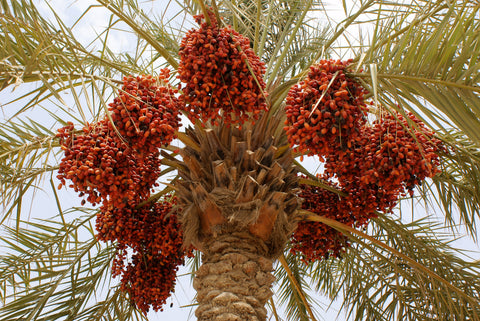 Wild Date Palm Tree: Unlocking Nature's Sweet Secrets and Sustainable Benefits
 Royal Palm Tree: The Ultimate Guide to Cultivating Tropical Elegance
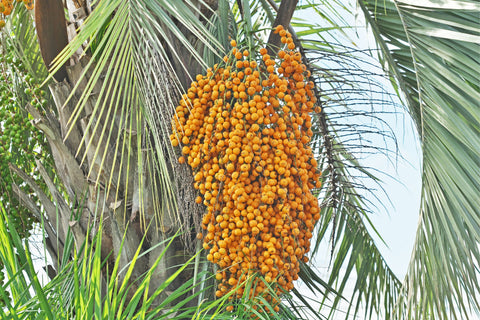 Jelly Palm Tree: The Ultimate Guide to Growing Butia Capitata
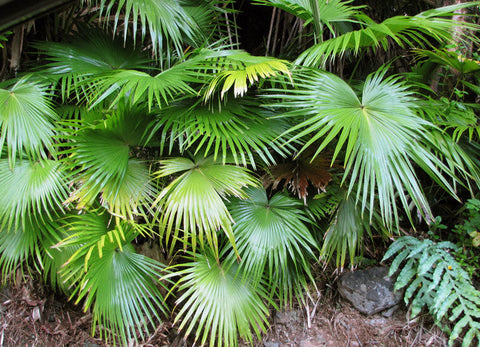 China Palm Tree: Discovering the Elegance and Evergreen Charm of Natures Tropical Treasure
 Ceylon Date Palm Tree: Discover the Secrets to Growing Nature's Sweetest Treasure


Comments
Leave a comment