
Khejri Tree: The Wonder Tree of the Thar Desert
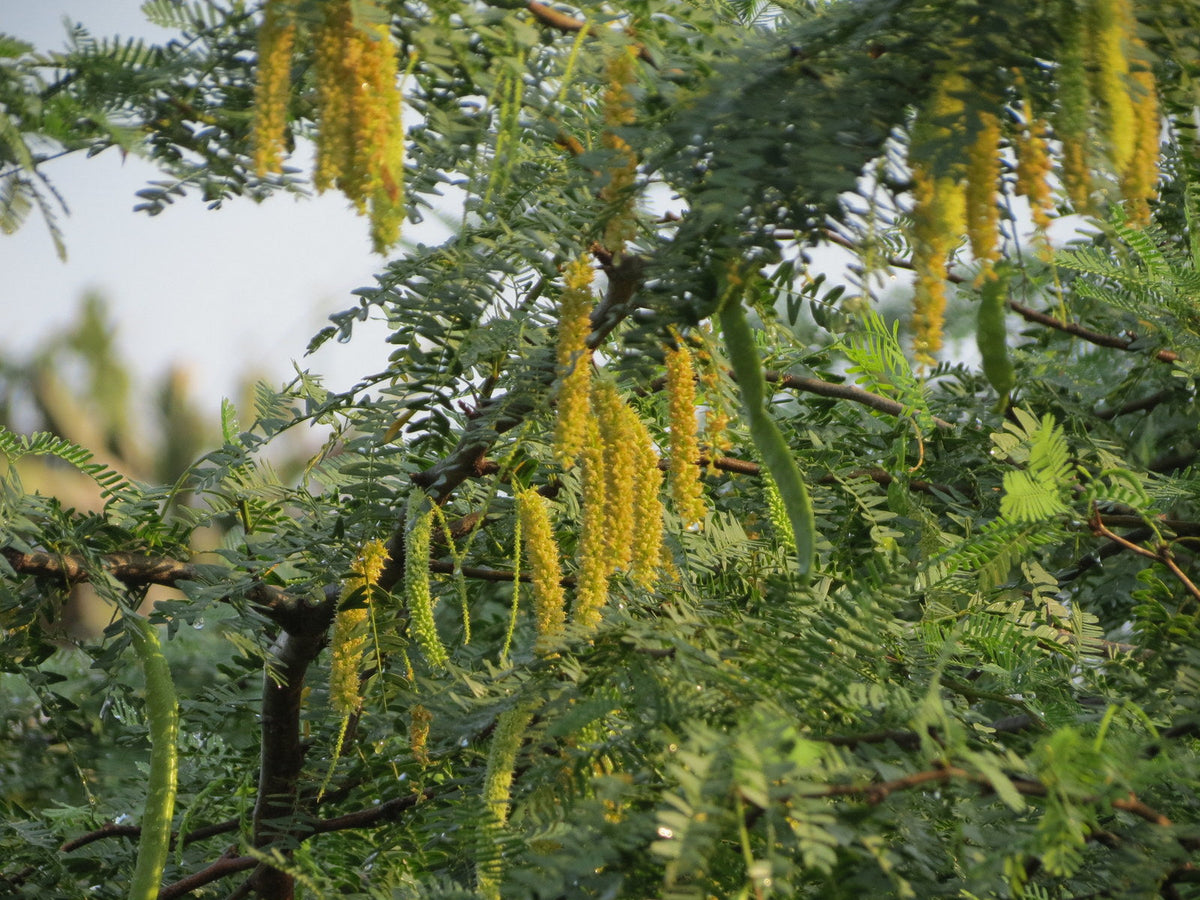
Khejri (Prosopis cineraria) is a deciduous tree native to India's arid regions, particularly Rajasthan. With feathery leaves and small yellow flowers, this tree thrives in dry, sandy soils and withstands extreme arid conditions. It plays a vital role in soil conservation and ecological balance, supporting local flora and fauna in semi-arid landscapes.
Further reading: Jammi Chettu: The Tree of Life · Shami Tree:Unveiling the Sacred Significance and Remarkable Benefits of Natures Symbol of Prosperity
Frequently Asked Questions
What is the Khejri tree and what is its scientific name?
Khejri, scientifically known as Prosopis cineraria, is a deciduous tree native to India's arid regions, particularly Rajasthan. It is also commonly referred to as Ghaf and is characterized by its feathery leaves and small yellow flowers.
Where are Khejri trees found in India?
Khejri trees are native to arid and semi-arid regions of India, particularly in states like Rajasthan. They are adapted to thrive in dry, sandy soils across these harsh desert landscapes.
What do Khejri trees look like?
Khejri trees are deciduous with finely divided, feathery leaves and small yellow flowers. These distinctive features make them easily recognizable in the arid regions where they grow.
Why are Khejri trees important for the environment?
Khejri trees play a vital role in soil conservation and ecological balance in semi-arid landscapes. They support local flora and fauna, helping maintain ecological health in arid desert regions.
How do Khejri trees survive in extremely dry conditions?
Khejri trees are highly adaptable to extreme arid conditions and thrive in dry, sandy soils. This natural resilience allows them to withstand harsh desert environments where most other plants cannot survive.
Keep reading
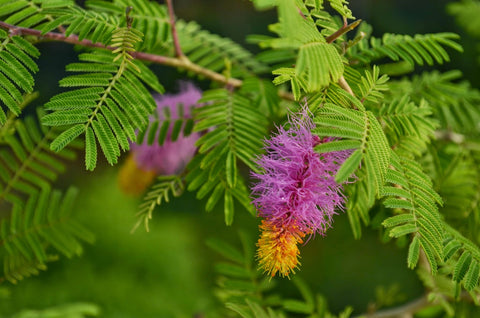 Jammi Chettu: The Tree of Life
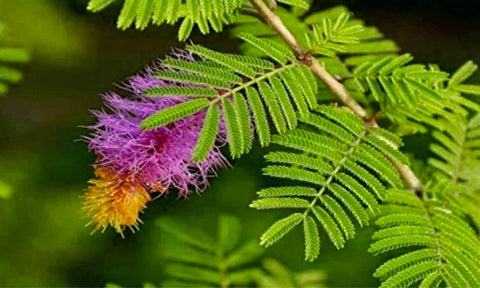 Shami Tree:Unveiling the Sacred Significance and Remarkable Benefits of Natures Symbol of Prosperity
 Toon Tree: The State Tree of Manipur
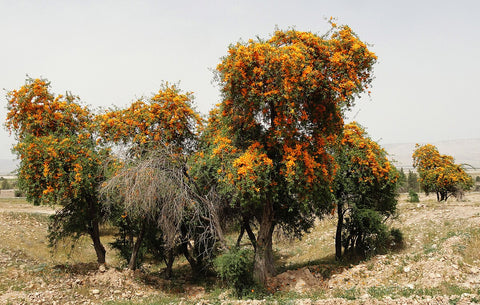 Desert Teak Rohida: Rajasthan's Golden Tree of Survival
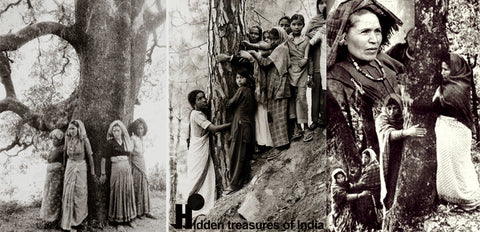 Amrita Devi Bishnoi: The Environmental Warrior Who Died for Trees
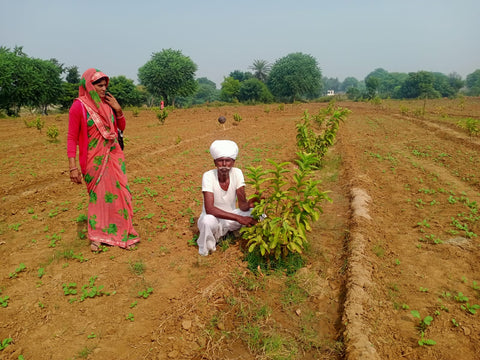 Enhancing Agricultural Sustainability through Agroforestry in Bhairana, Jaipur


Comments
Leave a comment