
Shami Tree:Unveiling the Sacred Significance and Remarkable Benefits of Natures Symbol of Prosperity
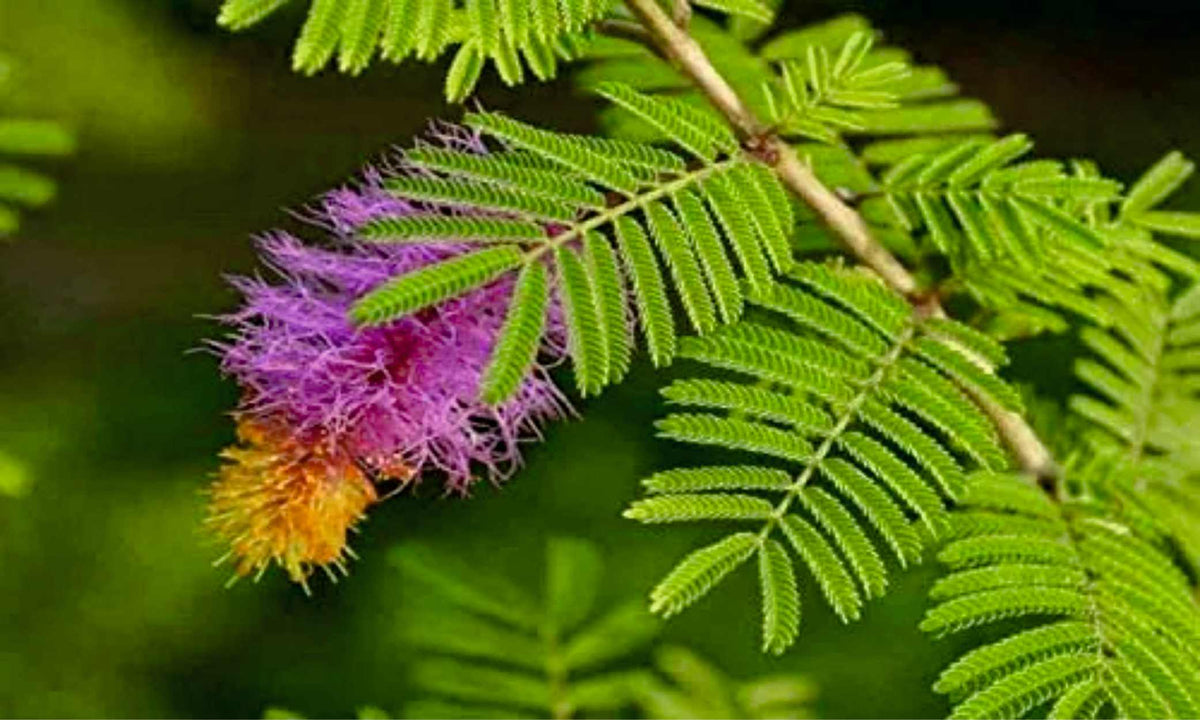
The Shami Tree (Prosopis cineraria), known as Khejri or Jand, is a drought-resistant tree native to India's arid regions, particularly the Thar Desert in Rajasthan and Gujarat. Sacred in Hindu mythology and linked to the Pandavas in the Mahabharata, this medium-sized tree reaching 8–10 metres provides nutritious seed pods, ecological benefits, and spiritual significance, justifying its 'Tree of Prosperity' title.
The Shami Tree, scientifically known as Prosopis cineraria, holds a revered position in Indian culture and ecology. Often referred to as the “Tree of Prosperity,” it is deeply intertwined with history, spirituality, and environmental sustainability.
Found primarily in arid regions, the Shami Tree is a beacon of resilience, providing immense ecological, economic, and spiritual benefits.
In this blog, we’ll delve into the botanical features, historical significance, spiritual importance, ecological impact, and practical uses of the Shami Tree, unveiling why it’s celebrated as a true marvel of nature.
Botanical Overview of the Shami Tree
The Shami Tree is a drought-resistant species native to the Indian subcontinent. It thrives in harsh, arid climates and is particularly prevalent in the Thar Desert and semi-arid regions of Rajasthan, Gujarat, and Haryana.
- Scientific Name: Prosopis cineraria
- Common Names: Shami, Khejri, Jand
- Family: Fabaceae
- Growth: A medium-sized tree, reaching heights of 8 to 10 meters.
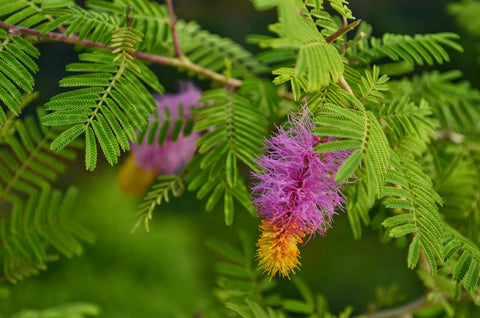
- Leaves: Small, feathery, and compound, minimizing water loss in arid climates.
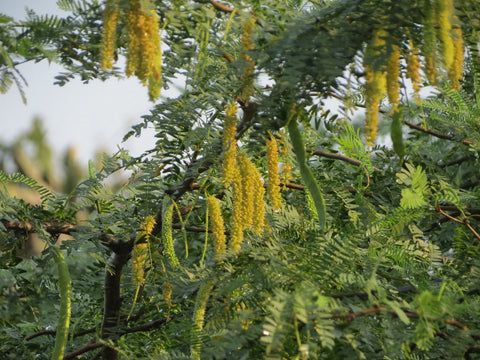
- Flowers: Small, yellowish-green, blooming during the summer months.
- Fruits: Pods containing seeds, which are edible and nutritious.
Historical and Spiritual Significance
1. In Indian Mythology
The Shami Tree is considered sacred in Hindu mythology. It is associated with the Pandavas in the Mahabharata, who hid their weapons in a Shami Tree during their exile. On Dussehra, this act is commemorated as a symbol of victory and valor.
2. Cultural Practices
In many Indian households, the Shami Tree is worshipped during Dussehra to seek blessings for prosperity and protection. It is also planted in homes and temples as a symbol of good fortune.
3. Historical Importance
Historically, the Shami Tree has been a lifeline for communities in arid regions. It provided shade, food, and fodder during times of drought, earning its nickname as the “Kalpavriksha” or wish-fulfilling tree.
Ecological Benefits of the Shami Tree
The Shami Tree is a cornerstone of ecological balance, especially in desert and semi-arid regions.
1. Soil Enrichment
As a member of the Fabaceae family, the Shami Tree is a natural nitrogen fixer. It improves soil fertility, making it an essential component of sustainable agriculture.
2. Drought Resistance
The tree’s deep root system enables it to access groundwater, helping it survive in extreme drought conditions. It provides a green cover in barren landscapes.
3. Biodiversity Support
The Shami Tree is a habitat for birds, insects, and small animals. Its flowers attract pollinators, while its fruits serve as food for wildlife.
4. Climate Mitigation
This tree plays a vital role in combating desertification. Its ability to stabilize sand dunes and reduce soil erosion makes it a key ally in ecological restoration.
Medicinal Benefits of the Shami Tree
The Shami Tree is a treasure trove of natural remedies, widely used in traditional medicine systems like Ayurveda.
- Anti-inflammatory Properties: The bark and leaves are used to treat inflammation and joint pain.
- Digestive Aid: The pods are consumed to improve digestion and relieve constipation.
- Wound Healing: Paste made from the bark is applied to wounds for faster healing.
- Respiratory Health: Decoctions from the leaves are used to alleviate asthma and bronchitis symptoms.
Economic Importance
The Shami Tree provides multiple resources that contribute to rural economies.
1. Fodder
The pods and leaves are a vital source of fodder for livestock, especially in drought-prone areas. Rich in protein, they support the nutritional needs of animals.
2. Fuelwood
The wood of the Shami Tree is dense and burns efficiently, making it a reliable source of fuel for rural households.
3. Timber
While not as durable as hardwoods, Shami wood is used for crafting tools, furniture, and small-scale construction.
4. Edible Pods
The pods, known as Sangri, are a delicacy in Rajasthani cuisine, often cooked with spices and dried for long-term storage.
Fun Facts About the Shami Tree
- The Shami Tree is often referred to as the “Golden Tree” of the Thar Desert due to its immense ecological and economic value.
- It is the state tree of Rajasthan, symbolizing resilience and prosperity.
- The tree can survive temperatures ranging from -5°C to 50°C, showcasing its adaptability.
Shami Tree in Landscaping and Urban Spaces
Due to its adaptability and minimal maintenance requirements, the Shami Tree is increasingly used in landscaping and urban greening projects.
- Urban Greening: It thrives in polluted environments, improving air quality and providing shade in urban areas.
- Aesthetic Appeal: Its feathery leaves and delicate flowers make it a visually appealing addition to parks and gardens.
How to Grow and Care for a Shami Tree
Growing a Shami Tree is relatively simple, and it thrives even in harsh conditions.
Planting Requirements
- Soil: Prefers sandy or loamy soil with good drainage.
- Water: Requires minimal watering once established.
- Sunlight: Thrives in full sun.
Maintenance
- Prune dead or diseased branches regularly to maintain its health and shape.
- Fertilization is not necessary due to its nitrogen-fixing ability.
Sustainability and the Shami Tree
The Shami Tree aligns perfectly with sustainable development goals, particularly in arid regions.
- Combatting Desertification: Its ability to stabilize soil and prevent erosion is critical for restoring degraded lands.
- Carbon Sequestration: The tree absorbs significant amounts of carbon dioxide, helping mitigate climate change.
- Livelihood Support: Its resources provide food, fodder, and income for rural communities.
Challenges and Conservation
Despite its benefits, the Shami Tree faces threats due to deforestation and urbanization. Conservation efforts include:
- Awareness Campaigns: Educating communities about its ecological and economic importance.
- Reforestation Projects: Planting Shami Trees in degraded areas to restore ecosystems.
Conclusion
The Shami Tree is a testament to nature’s resilience and generosity. From its spiritual significance to its ecological and economic benefits, this tree embodies prosperity and sustainability. Whether you’re seeking to enhance your garden, support biodiversity, or honor cultural traditions, the Shami Tree is an invaluable addition to any space.
Plant a Shami Tree today and contribute to preserving this remarkable symbol of prosperity for future generations. Its beauty, utility, and legacy make it a true natural treasure.
Further reading: Shami Tree: The Sacred Warrior Tree of Victory and Devotion · Jammi Chettu: The Tree of Life
Frequently Asked Questions
What is the Shami Tree?
The Shami Tree, scientifically known as Prosopis cineraria, is a drought-resistant tree revered for its spiritual, ecological, and medicinal benefits, often called the Tree of Prosperity.
Why is the Shami Tree considered sacred?
In Indian mythology, it symbolizes protection, prosperity, and victory, playing a pivotal role in the Mahabharata, where the Pandavas hid their weapons under its branches.
What are the ecological benefits of the Shami Tree?
The Shami Tree enriches soil with nitrogen, prevents erosion, supports biodiversity, and thrives in arid regions, making it an environmental champion.
What are the medicinal uses of the Shami Tree?
Its bark soothes inflammation, its pods aid digestion, and its leaves are used to treat respiratory issues, making it a trusted remedy in traditional medicine.
How is the Shami Tree used in Rajasthani cuisine?
The pods, known as Sangri, are a delicacy in Rajasthani dishes, offering a tangy, nutrient-rich flavor that’s both delicious and healthy.
How do you care for a Shami Tree?
Plant it in well-drained soil, water sparingly, and let it bask in sunlight. This hardy tree thrives with minimal maintenance and occasional pruning.
Can the Shami Tree survive in urban areas?
Absolutely. It adapts well to urban landscapes, providing shade, improving air quality, and adding a touch of tradition and greenery to cities.
Why is the Shami Tree associated with Dussehra?
The Shami Tree is worshipped during Dussehra as a symbol of victory and prosperity, honoring its role in the Pandavas’ triumphant return.
Is the Shami Tree drought-tolerant?
Yes, its deep roots allow it to access groundwater, making it a lifesaver in arid and semi-arid regions with minimal rainfall.
What makes the Shami Tree eco-friendly?
Its low water requirements, nitrogen-fixing roots, and role in combating desertification make it a sustainable choice for landscaping and agriculture.
How long does a Shami Tree live?
The Shami Tree has an impressive lifespan, often thriving for decades, providing shade, prosperity, and ecological benefits to generations.
What is the significance of planting a Shami Tree?
Planting a Shami Tree symbolizes resilience, prosperity, and harmony with nature, while contributing to environmental conservation and sustainable living.


Leave a comment