
Desert Teak Rohida: Rajasthan's Golden Tree of Survival
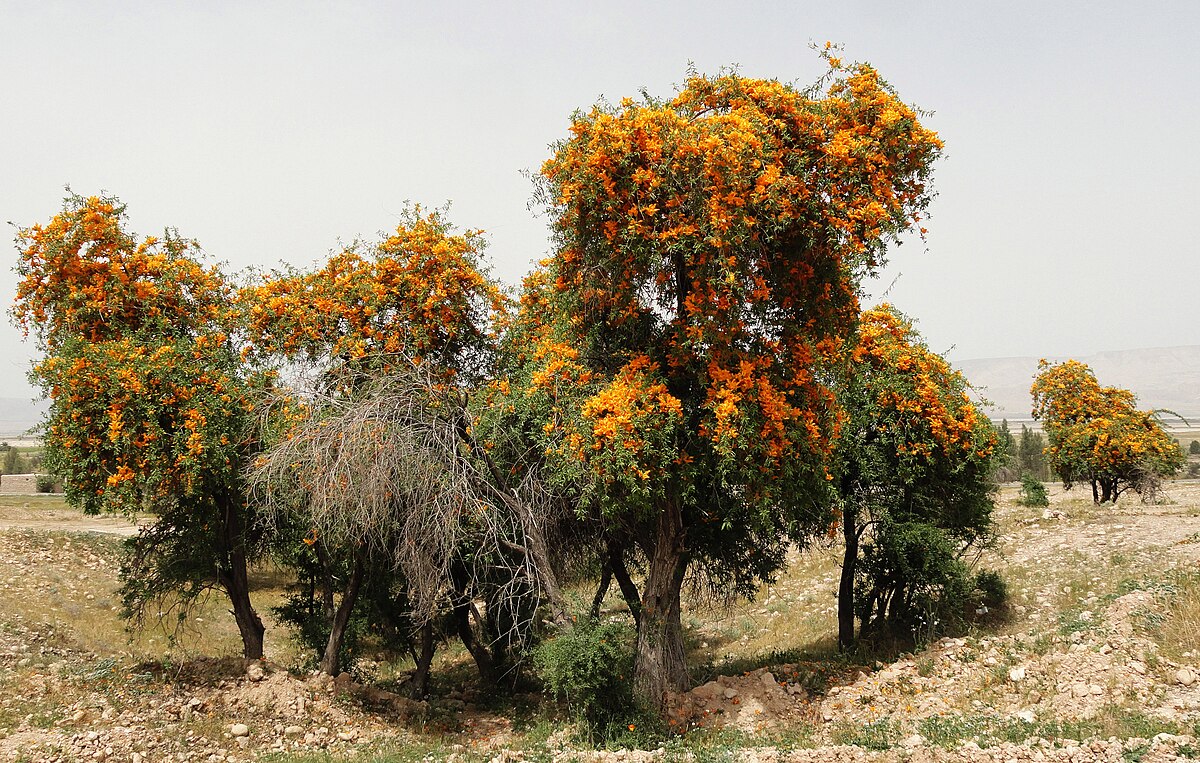
Desert Teak, scientifically known as Tecomella undulata, is a small deciduous tree native to Rajasthan and Gujarat that survives India's harshest desert conditions. Standing 4 to 10 metres tall, Rohida endures extreme heat and aridity where few plants grow, supporting desert ecosystems and local communities through its dense wood, vibrant flowers, and drought resilience.
In the vast, arid stretches of India's Thar Desert stands a tree that defies the odds, blooms with fiery brilliance, and provides life where little else survives — the mighty Desert Teak, locally known as Rohida. This remarkable tree represents nature's incredible adaptation to harsh environments and serves as a beacon of hope for sustainable desert ecosystems.
Scientifically named Tecomella undulata, this tree isn't just nature's artwork but a lifeline for desert communities, ecosystems, and biodiversity. Dubbed the "Lifeline of the Desert," Rohida is the teak of the dunes — prized for its dense wood, vibrant flowers, and exceptional climate resilience.
✅ Scientific Classification & Botanical Overview
Understanding the Desert Teak Rohida begins with its scientific foundation. This remarkable species belongs to the Bignoniaceae family and thrives in conditions that would challenge most plant life.
- Scientific Name: Tecomella undulata
- Family: Bignoniaceae
- Common Names: Rohida (Hindi, Rajasthani), Marwar Teak, Desert Teak
- Native Range: India (Rajasthan, Gujarat), Pakistan (Sindh region)
- Tree Type: Deciduous, small to medium tree
- Height: 4 to 10 meters
- Climate Suitability: Hot, arid, semi-arid zones
According to the United Nations Environment Programme's forest conservation initiatives, trees like Rohida play crucial roles in maintaining ecological balance in challenging environments. The Desert Teak's ability to thrive in extreme conditions makes it a valuable species for climate adaptation strategies.
🌺 Identifying Rohida in the Wild
Rohida is visually striking, especially during its flowering season when it bursts into flame-colored blossoms amid dry landscapes. This natural spectacle transforms the desert into a canvas of gold and orange.
Key Identifying Features:
- Leaves: Opposite, lance-shaped, thick with wavy (undulating) margins — giving the tree its Latin name "undulata"
- Flowers: Bell-shaped, orange to yellow, blooming between March to May
- Fruit: Flat, long pods that split open to release papery-winged seeds
- Bark: Pale brown to grey, fissured, and valued in traditional medicine
⭐ Phytochemistry & Medicinal Potential
Rohida isn't just a survivor; it's a natural pharmacy growing in the desert. The tree contains numerous bioactive compounds that have been used in traditional medicine for centuries.
Key Constituents:
- Flavonoids with antioxidant properties
- Phenolic compounds for anti-inflammatory effects
- Tannins with antimicrobial benefits
- Tecomine alkaloids for therapeutic applications
Traditional Medicinal Uses:
- Bark decoction treats fever, cough, asthma, and joint pain
- Bark paste applied to wounds and skin infections
- Root extracts used as natural diuretics
- Leaves processed for respiratory ailments
🏺 Historical & Cultural Importance
Desert Teak Rohida is deeply embedded in the cultural and economic fabric of Rajasthan, particularly in the Marwar and Shekhawati regions. This tree has witnessed centuries of desert civilization and continues to play a vital role in local traditions.
The tree has been historically known as the "Royal Timber of Rajasthan" and holds significant cultural value:
- Used in crafting intricate furniture, door panels, carts, and temple structures
- Mentioned in ancient Jain and Rajasthani texts as a sacred and noble tree
- Wood gifted during weddings and religious functions symbolizing strength and prosperity
- Planted near homes as an auspicious symbol offering protection and prosperity
Our experience working with desert communities shows that Rohida represents more than just timber — it embodies the spirit of desert resilience and sustainable living practices passed down through generations.
🌍 Ecological Impact & Environmental Role
Desert Teak serves as a keystone species in desert ecosystems, providing benefits that extend far beyond its immediate presence. The World Wildlife Fund's forest conservation programs recognize such species as critical for maintaining biodiversity in challenging environments.
Drought Resistance & Adaptation
With deep root systems and waxy leaves, Rohida survives where even cacti struggle. It provides crucial green cover in otherwise barren landscapes, creating microclimates that support other plant and animal life.
Soil Enrichment & Conservation
The tree's leaf litter improves soil organic matter, helping in soil conservation and fertility enhancement for desert agriculture. This natural process supports the United Nations Sustainable Development Goals related to land restoration and sustainable agriculture.
Windbreaks & Sand Dune Stabilization
When planted along fields or borders, Rohida reduces wind speed and sand movement, helping nearby crops thrive while preventing soil erosion.
Pollinator Haven & Biodiversity Support
Its vibrant flowers attract bees, butterflies, and birds, contributing to pollination networks and biodiversity conservation in desert ecosystems.
💸 Economic Importance & Market Value
Desert Teak represents significant economic opportunities for rural communities, combining aesthetic appeal, functional strength, and substantial market value. We found that sustainable cultivation of Rohida can provide steady income streams for desert farmers.
Key Economic Applications:
- Timber Market: Premium wood for luxury furniture, hand-carved artifacts, doors, and cabinets
- Agroforestry: Grown on farm boundaries to generate additional income
- Handicrafts: Jodhpur and Bikaner artisans create exquisite home décor items
- Sustainable Forestry: Government schemes encourage Rohida cultivation
The Rajasthan Forest Department has initiated comprehensive Desert Tree Plantation Programs, encouraging farmers to cultivate Rohida under sustainable forestry schemes that align with net zero targets and climate adaptation strategies.
💡 Growing Rohida: Cultivation Tips
Successfully growing Desert Teak requires understanding its unique needs and desert adaptation strategies. Our experience with desert reforestation shows that proper cultivation techniques can ensure healthy tree establishment.
Planting Requirements
- Soil: Well-drained, sandy to rocky soils with good drainage
- Water: Minimal irrigation after establishment; drought-tolerant once mature
- Sunlight: Full sun exposure for optimal growth
- Spacing: 4-6 meters apart for proper canopy development
Care & Maintenance
- Regular watering during first two years of establishment
- Protection from grazing animals during early growth
- Minimal pruning required due to natural growth pattern
- Organic mulching around base to retain moisture
⚠️ Conservation Status & Modern Threats
Despite its remarkable toughness, Desert Teak Rohida faces significant modern challenges that threaten its long-term survival. Climate change impacts, as highlighted by the United Nations climate change initiatives, pose additional stress on desert ecosystems.
Primary Threats:
- Overharvesting for timber and craft industries
- Grazing pressure on young saplings from livestock
- Prolonged droughts due to climate change
- Urbanization and land-use changes
- Habitat fragmentation in desert regions
Conservation Efforts:
- Establishment of seed banks and specialized nurseries
- Community-based conservation programs
- Sustainable harvesting guidelines
- Research on climate-resilient varieties
- Integration into reforestation initiatives
🌱 Rohida in Modern Reforestation Programs
At Grow Billion Trees, we recognize the exceptional value of Desert Teak Rohida in our mission to plant 100 crore trees across India. This remarkable species perfectly embodies our commitment to combating climate change through collective action while supporting local communities.
Our 2-3ft Tree Planting + 3 Years Care + GeoTag program includes Rohida cultivation in suitable desert regions, ensuring proper establishment and monitoring. When you Plant a tree in your Name through our platform, you're not just contributing to reforestation — you're supporting the preservation of India's desert heritage.
The Desert Teak's ability to thrive in challenging conditions makes it an excellent choice for corporate partners working toward their net zero targets. Our comprehensive care program ensures each Rohida tree receives the attention needed to establish strong root systems and begin its journey as a desert guardian.
🤩 Fascinating Facts About Desert Teak
Desert Teak Rohida holds many surprises that showcase its unique position in India's botanical heritage:
- ⭐ Official state tree of Rajasthan, recognized for ecological and economic significance
- 🎨 Flower color shifts based on temperature and soil minerals — nature's desert chameleon
- 🏺 Traditional carpenters say, "If wood could sing, Rohida would hum desert folk tunes"
- 🐝 Single mature tree can support over 50 species of insects and small animals
- 💰 Wood commands premium prices despite growing in harsh desert conditions
- 🎭 Desert festivals use Rohida flowers in traditional garlands and cultural rituals
- 🌡️ Can survive temperatures exceeding 50°C while maintaining photosynthetic activity
Further reading: Shami Tree:Unveiling the Sacred Significance and Remarkable Benefits of Natures Symbol of Prosperity · Khejri Tree: The Wonder Tree of the Thar Desert
Frequently Asked Questions
What makes Desert Teak different from regular teak?
Desert Teak (Rohida) belongs to the Bignoniaceae family, while regular teak is from Lamiaceae. Rohida is specifically adapted to arid conditions with deeper root systems, waxy leaves, and exceptional drought tolerance that regular teak cannot match.
How long does it take for Rohida to mature?
Desert Teak typically reaches maturity in 15-20 years under favorable conditions. However, it begins producing flowers and seeds within 5-7 years, making it relatively fast-growing for desert conditions.
Can Desert Teak grow outside Rajasthan?
Yes, Rohida can grow in similar arid and semi-arid regions across India, including parts of Gujarat, Haryana, and Maharashtra. The key requirements are well-drained soil, full sunlight, and minimal water availability.
Is Desert Teak wood really valuable?
Absolutely. Rohida wood is highly prized for its density, durability, and beautiful grain patterns. It's commonly used in luxury furniture, traditional crafts, and architectural elements, commanding premium market prices.
How does Rohida help combat desertification?
Desert Teak helps prevent desertification through soil stabilization, wind erosion control, and microclimate creation. Its deep roots bind soil particles while its canopy provides shade and reduces surface temperature.
What animals depend on Desert Teak?
Various desert wildlife species depend on Rohida, including desert foxes, peacocks, bee-eaters, and numerous insect species. The tree provides nesting sites, food sources, and shelter in harsh desert environments.
Can I plant Desert Teak in my garden?
If you live in an arid or semi-arid region with well-drained soil and full sun exposure, Desert Teak can be an excellent addition to your garden. It requires minimal water once established and provides beautiful seasonal flowers.
How does Grow Billion Trees support Desert Teak conservation?
We include Rohida in our specialized desert reforestation programs, providing comprehensive care including proper planting, 3 years of maintenance, and GeoTag tracking. Our initiatives support both conservation and community development in desert regions.
🌟 The Future of Desert Teak Conservation
The story of Desert Teak Rohida represents hope for sustainable desert development and climate resilience. As we face increasing environmental challenges, trees like Rohida demonstrate nature's incredible ability to adapt and thrive in harsh conditions.
Our commitment to preserving this golden tree of the desert extends beyond simple conservation — we're building sustainable ecosystems that support both environmental health and community prosperity. Through our comprehensive tree planting programs, we ensure that future generations will witness the magnificent sight of Rohida blooms painting the desert landscape in shades of gold and orange.
The Desert Teak stands as a testament to the power of adaptation, resilience, and the incredible diversity of India's natural heritage. By supporting Rohida conservation, we're not just saving a tree — we're preserving a living symbol of desert survival and sustainable coexistence with nature.
Ready to contribute to Desert Teak conservation? Explore our tree planting programs and plant a tree in your name today. Together, we can ensure that Rajasthan's golden tree continues to thrive for generations to come, supporting our mission of combating climate change through collective action.
Keep reading
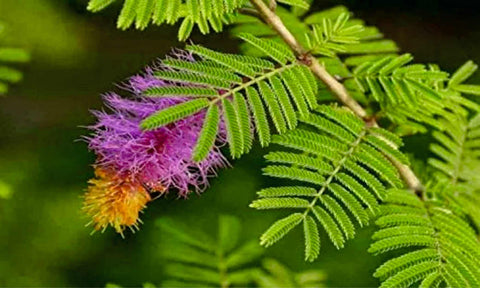 Shami Tree:Unveiling the Sacred Significance and Remarkable Benefits of Natures Symbol of Prosperity
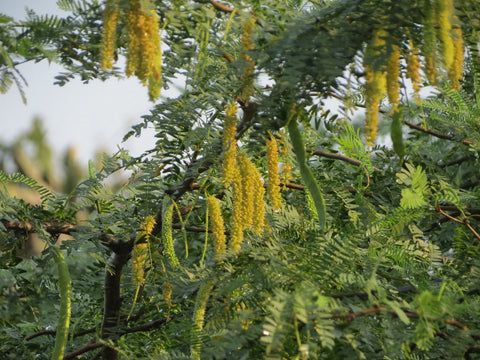 Khejri Tree: The Wonder Tree of the Thar Desert
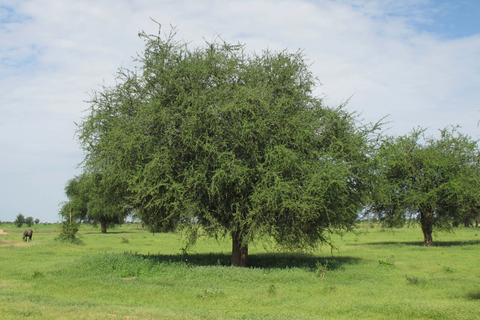 Desert Date Tree: Nature's Superfood with Incredible Health Benefits
 Yellow Teak Tree: Ultimate Guide to Benefits, Care & Sustainable Use
 Desert Willow Tree: Complete Growing & Care Guide 2024


Leave a comment