


Nutmeg Tree: Unlocking the Secrets of Nature's Spice Powerhouse for Health and Flavor
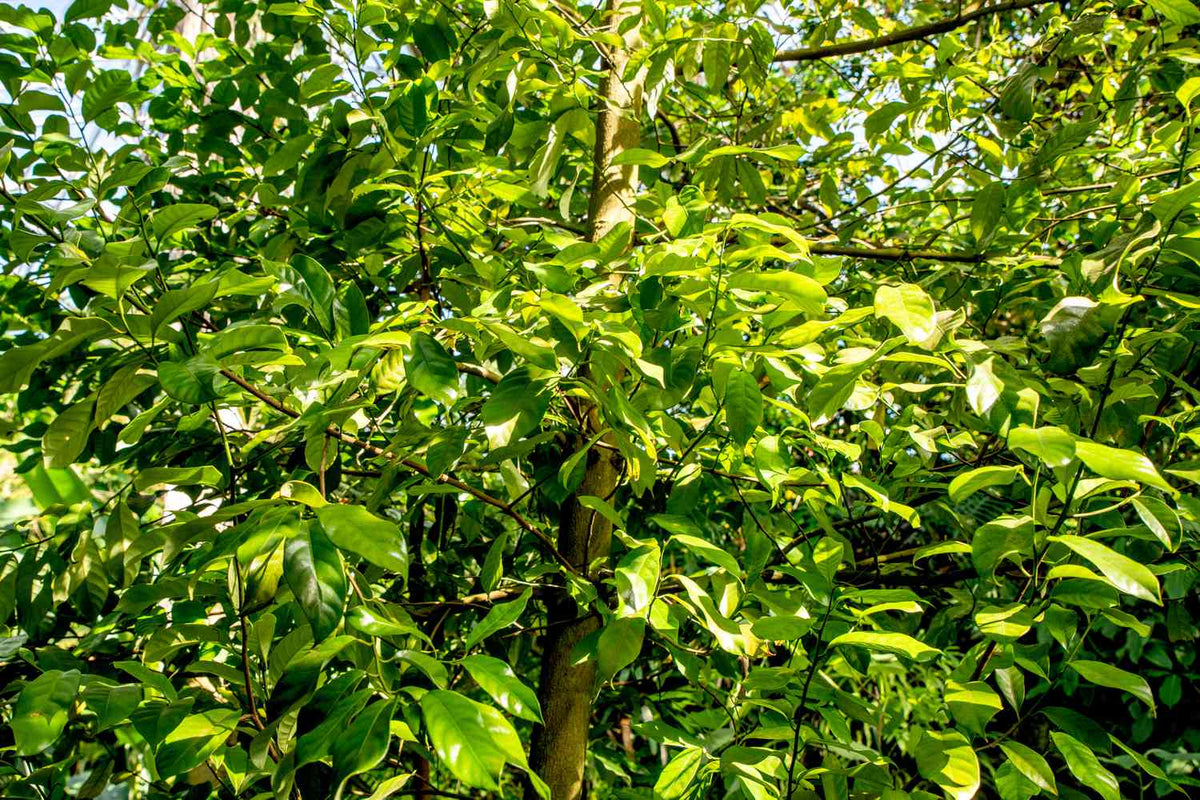
The nutmeg tree (Myristica fragrans), a tropical evergreen native to Indonesia's Banda Islands, produces seeds valued for both flavor and health. These seeds contain compounds like myristicin and elemicin linked to anti-inflammatory effects, while the tree itself can grow up to 20 meters tall, making nutmeg central to global culinary and medicinal traditions.
Nutmeg, a spice derived from the seed of the nutmeg tree (Myristica fragrans), has been celebrated for centuries not only for its distinctive flavor but also for its myriad health benefits.
This evergreen tree, native to the Banda Islands in Indonesia, has become a global sensation, finding its way into kitchens and medicine cabinets around the world.
In this blog, we will explore the fascinating world of the nutmeg tree, its health benefits, culinary uses, historical significance, environmental impact, and the efforts of organizations like Grow Billion Trees in promoting sustainable nutmeg cultivation.
The Nutmeg Tree: An Overview
The nutmeg tree is a tropical evergreen that can grow up to 20 meters tall. It features large, glossy leaves and produces a unique fruit that resembles a peach. Inside this fruit lies the seed, which is the nutmeg spice we know and love.
The outer layer of the fruit contains a red aril, known as mace, which is also used as a spice. Both nutmeg and mace have been integral to culinary traditions across the globe.
Health Benefits of Nutmeg
Nutmeg is more than just a flavor enhancer; it is a powerhouse of health benefits. Scientific studies have identified several compounds in nutmeg that contribute to its medicinal properties:
- Anti-inflammatory Properties: Nutmeg contains compounds like myristicin and elemicin, which have been shown to reduce inflammation in the body. Chronic inflammation is linked to numerous health issues, including heart disease and arthritis.
- Antioxidant Effects: Nutmeg is rich in antioxidants, which help combat oxidative stress and protect cells from damage. This can contribute to overall health and longevity.
- Digestive Aid: Traditionally, nutmeg has been used to alleviate digestive issues. It can help soothe an upset stomach and promote healthy digestion.
- Sleep Aid: Nutmeg has natural sedative properties that can help improve sleep quality. A pinch of nutmeg in warm milk is a popular remedy for insomnia.
- Improved Brain Function: Some studies suggest that nutmeg may enhance cognitive function and memory, making it a potential ally in fighting neurodegenerative diseases.
Culinary Uses of Nutmeg
Nutmeg's warm, sweet flavor makes it a versatile ingredient in both sweet and savory dishes. It is commonly used in:
- Baking: Nutmeg is a staple in many baked goods, including pumpkin pie, gingerbread, and spice cakes.
- Savory Dishes: It complements savory dishes like creamy sauces, soups, and stews, adding depth and warmth.
- Beverages: Nutmeg is often used in holiday drinks such as eggnog and mulled wine, providing a festive touch.
- Health Tonics: Nutmeg can be added to herbal teas and tonics for its health benefits.
Historical Significance of Nutmeg
The history of nutmeg is as rich as its flavor. Nutmeg was highly sought after during the spice trade of the 16th and 17th centuries. The Banda Islands, where nutmeg is native, became a focal point of European colonial ambitions.
The Dutch and British fought over control of the nutmeg trade, leading to significant geopolitical events, including the Treaty of Breda in 1667, which ceded control of the Banda Islands to the Dutch in exchange for Manhattan.
Nutmeg was so valuable that it was often referred to as “the spice of life” and was even used as currency in some regions. Its rarity and demand led to over-exploitation, which had significant ecological impacts on the islands where it was grown.
Environmental Impact of Nutmeg Cultivation
While nutmeg cultivation has economic benefits, it also poses environmental challenges. Deforestation for agricultural expansion can lead to habitat loss and biodiversity decline.
Sustainable practices are crucial to mitigate these impacts. Agroforestry, which integrates nutmeg trees with other crops, can enhance biodiversity and soil health while providing economic benefits to local communities.
Grow Billion Trees: Promoting Sustainable Nutmeg Cultivation
Organizations like Grow Billion Trees are at the forefront of promoting sustainable nutmeg cultivation practices. Their mission is to plant one billion trees globally, and nutmeg is a key component of their strategy. Here’s how they execute and promote these projects:
- Community Engagement: Grow Billion Trees works closely with local communities in nutmeg-growing regions to educate farmers about sustainable practices. This includes training on agroforestry techniques and organic farming methods that enhance soil health and biodiversity.
- Reforestation Initiatives: The organization focuses on reforesting areas that have been degraded due to unsustainable agricultural practices. By planting nutmeg trees alongside other native species, they help restore ecosystems while providing economic opportunities for local farmers.
- Research and Development: Grow Billion Trees collaborates with agricultural scientists to develop high-yield, disease-resistant nutmeg varieties. This research aims to increase productivity while minimizing the environmental impact.
- Market Access: The organization helps smallholder farmers access markets for their sustainably grown nutmeg, ensuring fair prices and economic stability. This empowers communities and encourages sustainable farming practices.
- Awareness Campaigns: Grow Billion Trees runs awareness campaigns about the importance of sustainable nutmeg cultivation, highlighting its benefits for both health and the environment. These campaigns aim to educate consumers about the value of sustainably sourced spices.
Fun Facts About Nutmeg
- Nutmeg was once so valuable that it was worth more than gold during the spice trade era.
- The nutmeg tree can take up to 7 years to bear fruit, but it can live for over 60 years.
- In addition to nutmeg and mace, the nutmeg tree produces an essential oil that is used in perfumes and cosmetics.
- Nutmeg can be toxic in large quantities. Just a small amount is sufficient for culinary use; excessive consumption can lead to nausea and hallucinations.
- Nutmeg has been used in traditional medicine for centuries, particularly in Ayurvedic practices.
Conclusion
The nutmeg tree is a remarkable example of nature's bounty, offering both health benefits and culinary delights. As we continue to explore and unlock the secrets of this spice powerhouse, it is essential to prioritize sustainable cultivation practices to protect our environment and support local communities.
Organizations like Grow Billion Trees play a vital role in promoting these practices, ensuring that nutmeg remains a cherished ingredient for generations to come. By choosing sustainably sourced nutmeg, consumers can contribute to a healthier planet while enjoying the rich flavors and health benefits of this extraordinary spice.
As we savor the warm, aromatic notes of nutmeg in our favorite dishes, let us also remember the journey of this spice from tree to table and the importance of preserving the ecosystems that nurture it.
Further reading: Zanzibar Nutmeg Tree: Culinary Secrets & Sustainable Growing · False Nutmeg Tree: Discover the Hidden Benefits and Myths of This Enigmatic Plant!
Frequently Asked Questions
What is nutmeg?
Nutmeg is a spice derived from the seed of the nutmeg tree (Myristica fragrans), celebrated for its unique flavor and health benefits. Native to Indonesia's Banda Islands, this evergreen tree produces not only nutmeg but also mace, making it a culinary star and a historical treasure.
What are the health benefits of nutmeg?
Nutmeg is a health superstar, boasting anti-inflammatory, antioxidant, and digestive aid properties. It may help improve sleep quality and cognitive function. Just a sprinkle can soothe your stomach and your mind, making it a delicious way to enhance well-being.
How can I use nutmeg in cooking?
Nutmeg's warm, sweet flavor is a versatile addition to both sweet and savory dishes. From pumpkin pies to creamy sauces, and even festive drinks like eggnog, this spice adds depth and warmth, transforming ordinary meals into extraordinary culinary experiences.
What is the historical significance of nutmeg?
Nutmeg's history is as rich as its flavor; it was once worth more than gold! During the spice trade, European powers fought over control of the Banda Islands, leading to significant geopolitical events. This spice has shaped history and continues to influence global trade.
What environmental impacts does nutmeg cultivation have?
Nutmeg cultivation can lead to deforestation and biodiversity loss if not managed sustainably. However, by adopting agroforestry and sustainable practices, we can mitigate these impacts, ensuring that nutmeg trees thrive alongside other crops and contribute to a balanced ecosystem.
What is Grow Billion Trees?
Grow Billion Trees is an organization dedicated to promoting sustainable nutmeg cultivation and reforestation efforts. Their mission is to plant one billion trees globally, focusing on educating communities about eco-friendly farming practices and enhancing biodiversity while supporting local economies.
How does nutmeg aid digestion?
Nutmeg has been traditionally used to soothe digestive issues. Its natural compounds can help alleviate stomach discomfort and promote healthy digestion. A sprinkle in your herbal tea or warm milk can work wonders for your tummy!
Can nutmeg help me sleep better?
Absolutely! Nutmeg has natural sedative properties that can improve sleep quality. A pinch of nutmeg in warm milk is a popular remedy for insomnia, turning your bedtime routine into a cozy, relaxing ritual that lulls you to dreamland.
Is nutmeg safe to consume?
While nutmeg is safe in culinary amounts, excessive consumption can lead to toxicity, including nausea and hallucinations. Stick to small doses for flavor and health benefits, and you’ll enjoy this spice without any wild side effects!
What are the benefits of sustainable nutmeg cultivation?
Sustainable nutmeg cultivation benefits the environment by preserving biodiversity and promoting healthy ecosystems. It supports local communities by providing fair market access and enhancing soil health, ensuring that nutmeg can be enjoyed for generations without compromising the planet.
What fun facts should I know about nutmeg?
Nutmeg was once so valuable it rivaled gold! The nutmeg tree can take up to seven years to bear fruit and can live over 60 years. Plus, while it has impressive health benefits, too much can lead to unexpected side effects. Enjoy in moderation!
Keep reading
 Zanzibar Nutmeg Tree: Culinary Secrets & Sustainable Growing
 False Nutmeg Tree: Discover the Hidden Benefits and Myths of This Enigmatic Plant!
 Cinnamon Tree: Unlocking the Secrets to Health, Flavor, and Sustainable Living
 Laung Tree: Spicy Treasure, Health Benefits, and Culinary Secrets
 Kali Mirch Tree: Revealing the Spicy Secrets and Incredible Benefits of Natures Black Gold


Leave a comment