


Kali Mirch Tree: Revealing the Spicy Secrets and Incredible Benefits of Natures Black Gold
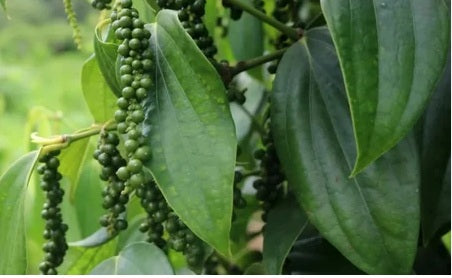
The Kali Mirch Tree, scientifically known as Piper nigrum, is a perennial climbing vine native to tropical forests of South India that produces peppercorns. It grows alongside other crops in agroforestry systems, enhancing biodiversity and soil health while serving as an eco-friendly crop for small-scale farmers.
The Kali Mirch Tree, scientifically known as Piper nigrum, famously called the King of Spices.This remarkable plant not only adds zest to your meals but also boasts a rich history, numerous health benefits, and a significant role in global trade and agriculture.
Let’s dive into the spicy world of this green marvel.
Botanical Wonders of the Kali Mirch Tree
Native to the tropical forests of South India, the Kali Mirch Tree thrives in warm, humid climates.
It’s a perennial climbing vine with heart-shaped leaves and small white flowers that produce the peppercorns we know and love.
This plant grows best when supported by taller trees, making it a unique addition to agroforestry.
Historical Significance of Black Pepper
Black pepper’s journey through history is as rich as its flavor. It played a central role in ancient trade routes, especially the spice trade between India and Europe.
In medieval Europe, pepper was a symbol of wealth and was stored as treasure.Its demand even sparked exploration, including Vasco da Gama’s famous voyage to India.
Environmental Impact of the Kali Mirch Tree
The Kali Mirch Tree contributes significantly to sustainable agriculture. As a climber, it is often grown alongside other crops, optimizing land use and enhancing biodiversity.
Its cultivation helps maintain soil health and supports pollinators, making it an eco-friendly crop for small-scale farmers.
Health Benefits of Black Pepper
Black pepper isn’t just a spice; it’s a powerhouse of health benefits. Its piperine content aids digestion, boosts metabolism, and enhances nutrient absorption.
Additionally, it has antioxidant and anti-inflammatory properties, which help combat free radicals and support overall well-being.
Culinary Uses of Black Pepper
The versatility of black pepper in the kitchen is unmatched. From seasoning savory dishes to adding a spicy kick to desserts, this spice elevates flavors effortlessly.
Its pungent aroma and sharp taste make it a staple in global cuisines, from Indian curries to Italian pasta.
How to Cultivate a Kali Mirch Tree
Growing your own Kali Mirch Tree is both rewarding and straightforward:
- Climate: Warm, humid conditions are ideal.
- Soil: Fertile, well-drained soil with organic matter works best.
- Support: Provide a sturdy tree or pole for the vine to climb.
- Watering: Regular watering is essential, but avoid waterlogging.
Economic Importance of the Kali Mirch Tree
Black pepper is a key player in the global spice trade, contributing significantly to the economies of countries like India, Vietnam, and Indonesia. Its high demand in the food, pharmaceutical, and cosmetic industries makes it a valuable crop for farmers worldwide.
Scientific Studies on Black Pepper
Research highlights the medicinal potential of black pepper. Studies show that piperine can enhance the bioavailability of nutrients, improve cognitive function, and even have anti-cancer properties. Its antimicrobial properties also make it a natural preservative.
Spiritual and Cultural Significance
In Indian traditions, black pepper is considered a symbol of prosperity and protection. It’s often used in rituals to ward off negativity. Its deep cultural roots make it more than just a spice—it’s a part of heritage and spirituality.
Why You Should Embrace the Kali Mirch Tree
The Kali Mirch Tree is not just a source of flavor but a symbol of sustainability, health, and history. Cultivating or simply using black pepper connects you to centuries of tradition and supports eco-friendly practices.
Conclusion
The Kali Mirch Tree, with its rich history, incredible health benefits, and sustainable impact, truly deserves its title as Nature’s Black Gold.
Whether it’s adding spice to your meals, improving your health, or connecting with cultural traditions, this tree offers something for everyone. Embrace the spicy secrets of this remarkable plant today.
Further reading: Peruvian Pepper Tree: Culinary Delights & Medicinal Wonders · Laung Tree: Spicy Treasure, Health Benefits, and Culinary Secrets
Frequently Asked Questions
What is the Kali Mirch Tree?
The Kali Mirch Tree, or Piper nigrum, is the source of black pepper, known as the King of Spices for its bold flavor and incredible health benefits.
Why is black pepper called black gold?
Once used as currency, black pepper earned the nickname black gold for its high value in ancient trade and its enduring global demand.
What are the health benefits of black pepper?
Packed with piperine, black pepper boosts digestion, metabolism, and nutrient absorption. It also offers antioxidant and anti-inflammatory properties, making it a health powerhouse.
How is black pepper used in cooking?
Black pepper’s bold, spicy flavor enhances savory dishes, marinades, and even desserts. It’s a versatile seasoning that brings depth to any recipe.
Where does the Kali Mirch Tree grow?
Native to South India, the Kali Mirch Tree thrives in tropical climates, often climbing taller trees in warm, humid environments.
Can I grow a Kali Mirch Tree at home?
Yes, with the right conditions! Provide warm, humid weather, fertile soil, and a sturdy support for this climber, and you’ll grow your own black gold.
What is piperine in black pepper?
Piperine is the compound responsible for black pepper’s spiciness and health benefits, including enhanced nutrient absorption and antioxidant properties.
Why is the Kali Mirch Tree eco-friendly?
It supports sustainable agriculture, improves soil health, and thrives as a companion crop, making it a valuable choice for biodiversity and environmental conservation.
Keep reading
 Peruvian Pepper Tree: Culinary Delights & Medicinal Wonders
 Laung Tree: Spicy Treasure, Health Benefits, and Culinary Secrets
 Zanzibar Nutmeg Tree: Culinary Secrets & Sustainable Growing
 Trumpet Vine (Campsis) Tree: The Bold and Beautiful Climber That Transforms Your Garden into a Vibrant Paradise
 Nutmeg Tree: Unlocking the Secrets of Nature's Spice Powerhouse for Health and Flavor


Leave a comment