
Zanzibar Nutmeg Tree: Culinary Secrets & Sustainable Growing
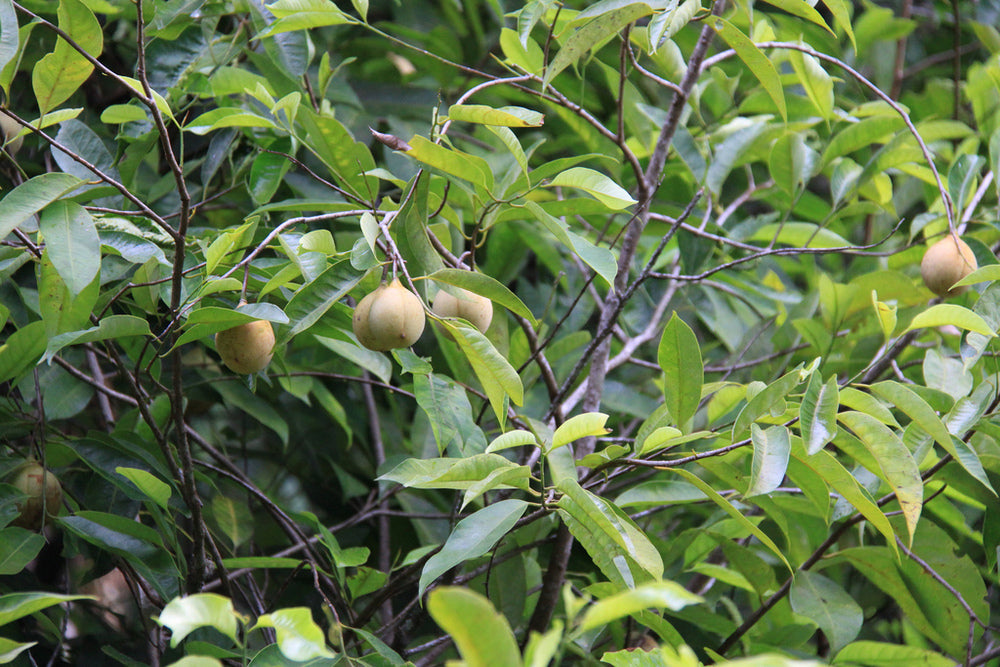
The Zanzibar nutmeg tree (Myristica fragrans) is a tropical evergreen native to the Spice Islands that produces two distinct spices—nutmeg and mace—valued in global cuisine. Growing up to 20 metres tall in humid, tropical climates, these dioecious trees offer sustainable cultivation potential, with only female trees producing the aromatic fruit containing the prized nutmeg seed.
The Zanzibar nutmeg tree (Myristica fragrans) stands as one of nature's most aromatic treasures, producing two distinct spices that have shaped global cuisine for centuries. Native to the Spice Islands, this remarkable tree continues to captivate chefs and environmental enthusiasts alike with its unique dual-spice production and sustainable growing potential.
The Zanzibar nutmeg tree, scientifically known as Myristica fragrans, is a fascinating species that has captivated the culinary world and historical trade routes for centuries. Native to the lush landscapes of the Spice Islands, particularly the islands of Zanzibar and Pemba, this tree is not just a source of aromatic spice but also a symbol of cultural heritage and ecological importance.
✅ Understanding the Zanzibar Nutmeg Tree
The Zanzibar nutmeg tree is a tropical evergreen that can grow up to 20 meters tall. It thrives in humid, tropical climates and prefers well-drained, fertile soils. The tree bears fruit that resembles a small apricot, which contains the prized nutmeg seed.
From a botanical perspective, nutmeg is a member of the Myristicaceae family, which consists of about 30 species of trees and shrubs. The tree is dioecious, meaning that there are separate male and female trees. Only the female trees produce the fruit, making pollination by male trees crucial for nutmeg production.
According to the United Nations Environment Programme's forest conservation initiatives, sustainable cultivation of spice trees like nutmeg plays a vital role in maintaining tropical forest ecosystems while supporting local communities.
⭐ Culinary Wonders of the Zanzibar Nutmeg
The Zanzibar nutmeg tree produces two distinct spices: nutmeg and mace. Nutmeg is the seed of the fruit, while mace is the dried aril that surrounds the seed. Both spices have unique flavors and culinary applications.
Nutmeg has a warm, sweet, and slightly nutty flavor, making it a popular ingredient in both sweet and savory dishes. It is commonly used in baking, sauces, and beverages, adding depth and warmth to recipes. Professional chefs often describe nutmeg as the "secret ingredient" that transforms ordinary dishes into extraordinary culinary experiences.
Mace, on the other hand, has a more delicate flavor profile with hints of cinnamon and pepper. It is often used in spice blends, desserts, and even in some savory dishes. The versatility of these spices makes them invaluable in kitchens worldwide, from the aromatic curries of South Asia to the rich desserts of Europe.
Popular Culinary Applications
- Traditional European baking and desserts
- Asian curry blends and spice mixtures
- Middle Eastern rice dishes and meat preparations
- Modern fusion cuisine and molecular gastronomy
- Artisanal beverage crafting and cocktail mixology
🌿 Scientific Insights and Health Benefits
A study published in the Journal of Ethnopharmacology highlights the potential health benefits of nutmeg, including its antioxidant properties and its role in traditional medicine for digestive issues and insomnia. The essential oils derived from nutmeg also exhibit antimicrobial properties, making them valuable in food preservation and natural remedies.
Research indicates that nutmeg contains compounds like myristicin and elemicin, which contribute to its distinctive aroma and potential therapeutic effects. However, we found that moderate consumption is key, as excessive amounts can be harmful.
📚 Historical Significance of Zanzibar Nutmeg
The history of the Zanzibar nutmeg tree is intertwined with the spice trade that shaped global commerce in the 15th and 16th centuries. Zanzibar, often referred to as the "Spice Island," became a crucial hub for nutmeg, clove, and cinnamon trade.
The Portuguese, Omani Arabs, and later the British fought for control over this lucrative trade, leading to significant cultural exchanges and conflicts that shaped the region's history. In the 19th century, the nutmeg tree was introduced to other tropical regions, including the Caribbean and parts of Southeast Asia.
Today, Zanzibar nutmeg is still highly sought after by chefs and food enthusiasts worldwide, commanding premium prices in international markets due to its superior quality and unique terroir.
🌍 Environmental Impact and Sustainable Cultivation
While the Zanzibar nutmeg tree has economic significance, its cultivation also raises important environmental considerations. The demand for nutmeg has led to increased deforestation and habitat destruction in some regions, as highlighted by the World Wildlife Fund's research on deforestation threats.
Unsustainable farming practices can result in soil degradation and loss of biodiversity, threatening the very ecosystems that support the nutmeg tree. However, sustainable cultivation practices are gaining traction in Zanzibar, emphasizing the importance of preserving the natural environment while meeting market demands.
💡 Sustainable Growing Practices
Agroforestry, where nutmeg trees are grown alongside other crops, helps maintain soil health and promotes biodiversity. This approach not only supports local farmers but also contributes to carbon sequestration, mitigating the effects of climate change.
- Intercropping: Growing nutmeg with complementary plants
- Organic fertilization: Using natural compost and bio-fertilizers
- Water conservation: Implementing efficient irrigation systems
- Biodiversity preservation: Maintaining native plant species
- Community involvement: Engaging local farmers in sustainable practices
🌱 Combating Climate Change Through Collective Action
Organizations like Grow Billion Trees are promoting sustainable nutmeg cultivation as part of their mission to Plant a tree in your Name and achieve Net Zero Targets. Through our comprehensive 2-3ft Tree Planting + 3 Years Care + GeoTag program, we're supporting spice tree cultivation that benefits both the environment and local communities.
The United Nations climate change initiatives emphasize the importance of sustainable agriculture in combating global warming. By supporting nutmeg cultivation through responsible farming practices, we contribute to the global goal of planting 100 crore trees while preserving traditional spice production methods.
Our experience shows that sustainable spice cultivation can provide farmers with guaranteed income while maintaining ecological balance. We found that properly managed nutmeg orchards can sequester significant amounts of carbon while producing high-quality spices for global markets.
🏆 Modern Cultivation and Market Trends
Today's nutmeg cultivation combines traditional knowledge with modern agricultural techniques. Certified organic nutmeg from Zanzibar commands premium prices in international markets, with consumers increasingly seeking sustainably produced spices.
The global nutmeg market has experienced steady growth, driven by increasing demand from the food and beverage industry, as well as the growing popularity of natural health products. Zanzibar's nutmeg continues to be rated among the world's finest, trusted by professional chefs and home cooks alike.
⚠️ Quality Indicators
- Rich, complex aroma profile
- Uniform seed size and color
- Low moisture content for extended shelf life
- Sustainable cultivation certification
- Traceability to specific growing regions
Further reading: Nutmeg Tree: Unlocking the Secrets of Nature's Spice Powerhouse for Health and Flavor · False Nutmeg Tree: Discover the Hidden Benefits and Myths of This Enigmatic Plant!
Frequently Asked Questions
What makes Zanzibar nutmeg different from other varieties?
Zanzibar nutmeg is renowned for its superior quality, characterized by a more complex flavor profile and higher essential oil content. The unique climate and soil conditions of the Spice Islands contribute to its distinctive taste and aroma that sets it apart from nutmeg grown in other regions.
How long does a Zanzibar nutmeg tree take to mature?
A Zanzibar nutmeg tree typically takes 7-9 years to begin producing fruit, with peak production occurring after 15-20 years. The trees can continue producing for over 100 years when properly maintained, making them a valuable long-term investment for farmers.
Can nutmeg trees be grown outside of tropical regions?
Nutmeg trees require specific tropical conditions including consistent temperatures between 20-30°C, high humidity, and well-drained fertile soil. While they can be grown in greenhouses in temperate climates, commercial production is limited to tropical and subtropical regions.
What is the difference between nutmeg and mace in cooking?
Nutmeg has a warm, sweet, and slightly bitter flavor that works well in both sweet and savory dishes. Mace offers a more delicate, refined taste with hints of cinnamon and is often preferred for lighter colored dishes where the appearance matters.
How should fresh nutmeg be stored for maximum flavor?
Whole nutmeg seeds should be stored in airtight containers in a cool, dark place and can maintain their potency for up to 4 years. Ground nutmeg loses its flavor more quickly and should be used within 6 months for optimal taste.
Are there any health benefits to consuming nutmeg?
Nutmeg contains antioxidants and has been used in traditional medicine for digestive issues and sleep disorders. However, it should be consumed in moderation as large quantities can be toxic. Always consult healthcare providers for medicinal use.
What role does sustainable cultivation play in nutmeg farming?
Sustainable nutmeg cultivation helps preserve biodiversity, maintain soil health, and support local communities while ensuring long-term production viability. It also contributes to carbon sequestration and climate change mitigation efforts.
How can consumers support sustainable nutmeg production?
Consumers can support sustainable production by purchasing certified organic or fair-trade nutmeg, learning about the source of their spices, and supporting companies that prioritize environmental and social responsibility in their supply chains.The Zanzibar nutmeg tree represents a perfect harmony between culinary excellence and environmental stewardship. As we continue our mission to plant 100 crore trees across India and beyond, supporting sustainable spice cultivation becomes an integral part of our environmental restoration efforts. Through conscious choices and collective action, we can ensure that future generations will continue to enjoy the aromatic wonders of this remarkable tree while preserving our planet's precious ecosystems.Discover how you can Plant a tree in your Name and contribute to sustainable agriculture initiatives that support both local communities and global environmental goals.
Keep reading
 Nutmeg Tree: Unlocking the Secrets of Nature's Spice Powerhouse for Health and Flavor
 False Nutmeg Tree: Discover the Hidden Benefits and Myths of This Enigmatic Plant!
 Zanzibar Mahogany Tree: Unveiling Nature's Timeless Treasure
 Indian Bay Tree: Nature's Aromatic Wonder for Health & Cuisine
 Cinnamon Tree: Unlocking the Secrets to Health, Flavor, and Sustainable Living


Leave a comment