


Japanese Maple Tree: Ultimate Guide to Stunning Garden Color
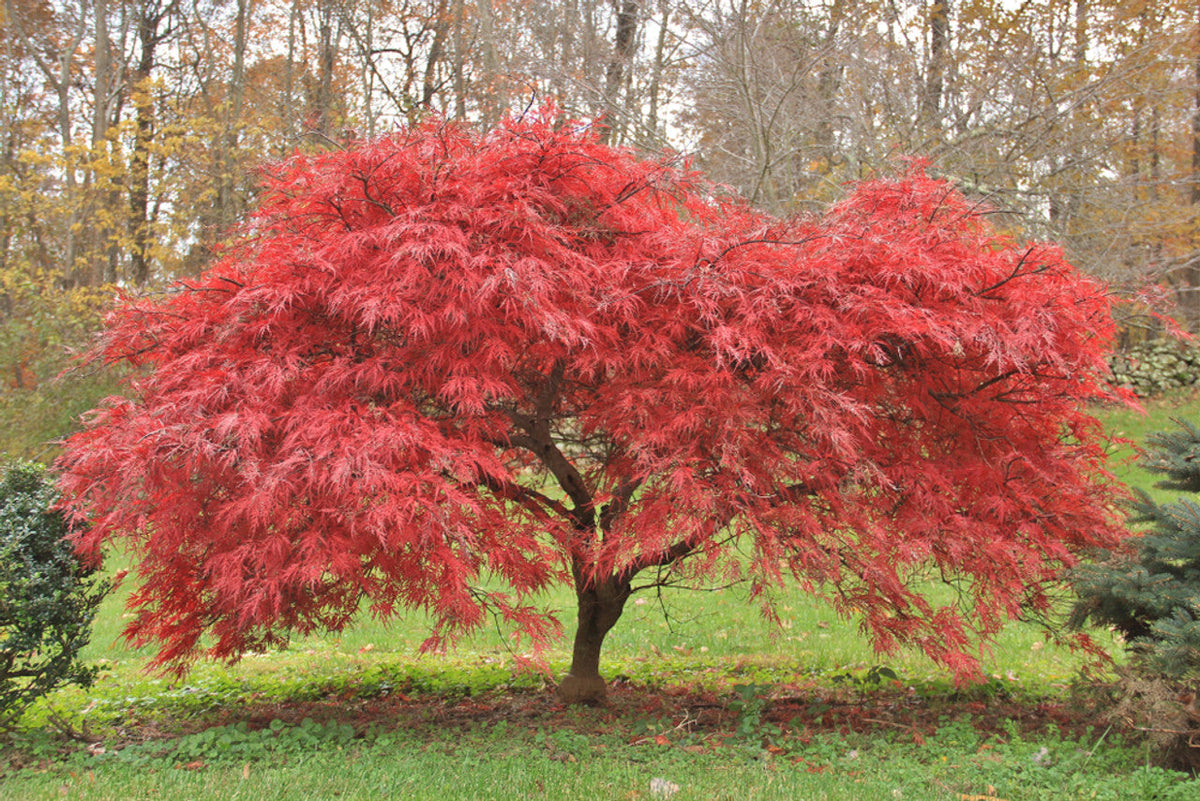
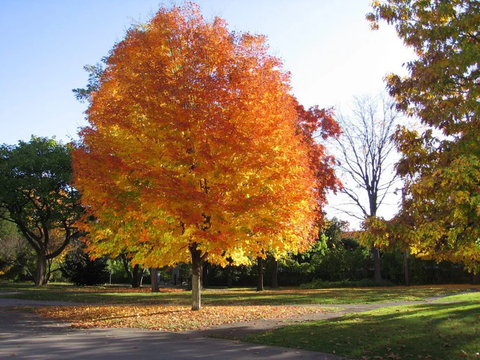
Japanese Maple Tree (Acer palmatum) is a deciduous ornamental tree known for dramatic seasonal foliage colors, ranging from deep green to brilliant reds and golds. Over 1,000 certified cultivars exist, with trees typically reaching 15 to 25 feet tall and thriving in USDA hardiness zones 5 to 8.
The Japanese Maple Tree (Acer palmatum) stands as one of the most beloved ornamental trees worldwide. These magnificent trees transform gardens into living masterpieces with spectacular seasonal color displays. Whether you're a beginner gardener or experienced horticulturist, we found that understanding proper cultivation techniques helps achieve stunning results.
History and Cultural Significance ⭐
These trees have graced gardens for over 1,000 years, first cultivated during Japan's Heian period (794-1185). These trees were cherished for their exceptional beauty. Furthermore, they became integral elements in traditional Japanese gardens, symbolizing grace and tranquility.
Throughout centuries of careful breeding, gardeners have developed over 1,000 certified cultivars with diverse characteristics. Popular varieties like 'Bloodgood', 'Emperor I', and 'Sango Kaku' each offer unique features that can transform any landscape.
Botanical Characteristics and Growing Zones
Japanese Maple trees are deciduous specimens typically reaching heights of 15 to 25 feet. Their distinctive palmate leaves create stunning displays, ranging from deep emerald green to brilliant reds and golden yellows. Additionally, these adaptable trees thrive in USDA hardiness zones 5 to 8.
These trees prefer well-drained, slightly acidic soils with pH levels between 6.0 and 6.5. Moreover, their delicate foliage and graceful branching structure make them perfect focal points for both small gardens and expansive landscapes.
Essential Cultivation Techniques 💡
Site Selection for Optimal Growth
Choosing the perfect location requires careful consideration of several key factors:
- ✅ Sunlight Requirements: Most varieties prefer partial shade, especially in hotter climates
- ✅ Soil Conditions: Well-drained, loamy soil ensures healthy root development
- ✅ Adequate Space: Allow sufficient room for mature growth without interference
Professional Planting Techniques
Our experience shows these proven steps ensure successful establishment:
- → Dig a hole twice the width of the root ball
- → Gently loosen any tightly bound roots before positioning
- → Backfill with native soil and organic compost mixture
- → Water thoroughly and apply mulch to retain moisture
Watering and Fertilization Best Practices
Japanese Maple trees prefer consistent moisture without waterlogged conditions. Water deeply during dry spells, particularly during the first few years after planting. Additionally, fertilization is typically unnecessary unless growth appears stunted.
In such cases, apply slow-release tree fertilizer in early spring. This approach guarantees optimal nutrient delivery throughout the growing season.
Pruning and Maintenance Schedule
Proper pruning maintains both shape and health of your Japanese Maple tree. The optimal pruning time is late winter or early spring before new growth emerges. Focus on removing dead or crossing branches while thinning crowded areas.
Regular maintenance includes monitoring for pests and ensuring adequate mulching. These verified practices help maintain the tree's stunning appearance and longevity.
Environmental Impact and Sustainability 🌱
Japanese Maple trees contribute significantly to environmental health and biodiversity. Their foliage provides essential habitat for various bird species. According to the United Nations Climate Change initiative, trees like Japanese Maples play crucial roles in carbon sequestration.
The World Wildlife Fund's forest conservation programs emphasize cultivating diverse tree species in urban environments. By planting Japanese Maple trees, you're contributing to Combating Climate Change Through Collective Action while creating stunning natural beauty.
Popular Japanese Maple Varieties
Selecting the right variety depends on your specific garden conditions and aesthetic preferences:
- 'Bloodgood': Deep red-purple foliage throughout the growing season
- 'Emperor I': Upright growth habit with brilliant red fall color
- 'Sango Kaku': Coral bark provides winter interest
- 'Dissectum': Weeping form with finely cut leaves
Common Problems and Solutions
Japanese Maple trees face several common challenges. Leaf scorch occurs when trees receive too much direct sunlight. Therefore, providing afternoon shade prevents this issue.
Scale insects can occasionally affect these trees. However, regular inspection and appropriate treatment maintain tree health. Furthermore, proper watering prevents root rot and other moisture-related problems.
Further reading: Maple Tree Magic: Discover the Secrets to Growing Vibrant Maple Trees in Your Garden · Scarlet Maple Tree: Transform Your Landscape with Stunning Fall Colors
Frequently Asked Questions
How fast do Japanese Maple trees grow?
Japanese Maple trees typically grow 1-2 feet per year, reaching mature height in 10-15 years. Growth rate varies by cultivar and growing conditions.
When is the best time to plant Japanese Maple trees?
Plant Japanese Maple trees in early spring or fall when temperatures are moderate. This timing allows roots to establish before extreme weather.
Do Japanese Maple trees need full sun or shade?
Most Japanese Maple varieties prefer partial shade, especially afternoon shade in hot climates. Morning sun with afternoon protection produces the best results.
How much space does a Japanese Maple tree need?
Allow 15-20 feet between Japanese Maple trees and other large plants. This spacing accommodates their mature canopy spread.
Are Japanese Maple trees drought tolerant?
Established Japanese Maple trees show moderate drought tolerance. However, consistent moisture produces healthier growth and better color.
What soil pH do Japanese Maple trees prefer?
Japanese Maple trees thrive in slightly acidic soil with pH between 6.0-6.5. This range optimizes nutrient uptake and overall health.
Can Japanese Maple trees survive winter?
Japanese Maple trees are hardy in zones 5-8, surviving winter temperatures down to -20°F when properly established.
How do I protect young Japanese Maple trees?
Protect young trees with burlap wraps in harsh winter areas. Mulching around the base provides additional root protection.
Supporting Global Reforestation Efforts
The United Nations Environment Programme recognizes the critical importance of forest restoration worldwide. When you Plant a tree in your Name through programs like Grow Billion Trees, you contribute to the goal of planting 100 crore trees across India.
Our certified tree planting services include 2-3ft Tree Planting + 3 Years Care + GeoTag technology for tracking your environmental impact. This verified approach helps individuals and corporations achieve their Net Zero Targets while supporting biodiversity conservation.
Japanese Maple trees represent just one species in the diverse forest ecosystems we need to protect. By choosing to plant trees for special occasions or corporate sustainability goals, you join a global movement toward environmental restoration.
Transform your garden with the timeless beauty of Japanese Maple trees while contributing to a greener future. Explore our tree planting programs and discover how you can make a lasting environmental impact starting at just ₹299 per tree.
Keep reading
 Maple Tree Magic: Discover the Secrets to Growing Vibrant Maple Trees in Your Garden
 Scarlet Maple Tree: Transform Your Landscape with Stunning Fall Colors
 Rocky Mountain Maple Tree: Ultimate Growing & Care Guide
 Painted Maple Tree: Transform Your Landscape with Vibrant Colors
 Norway Maple Tree: Ultimate Guide to Beauty, Benefits & Care
 The Art of Bonsai: Miniature Trees with Majestic Stories


Leave a comment