


Himalayan Maple Tree: Unveiling Nature's Majestic Beauty
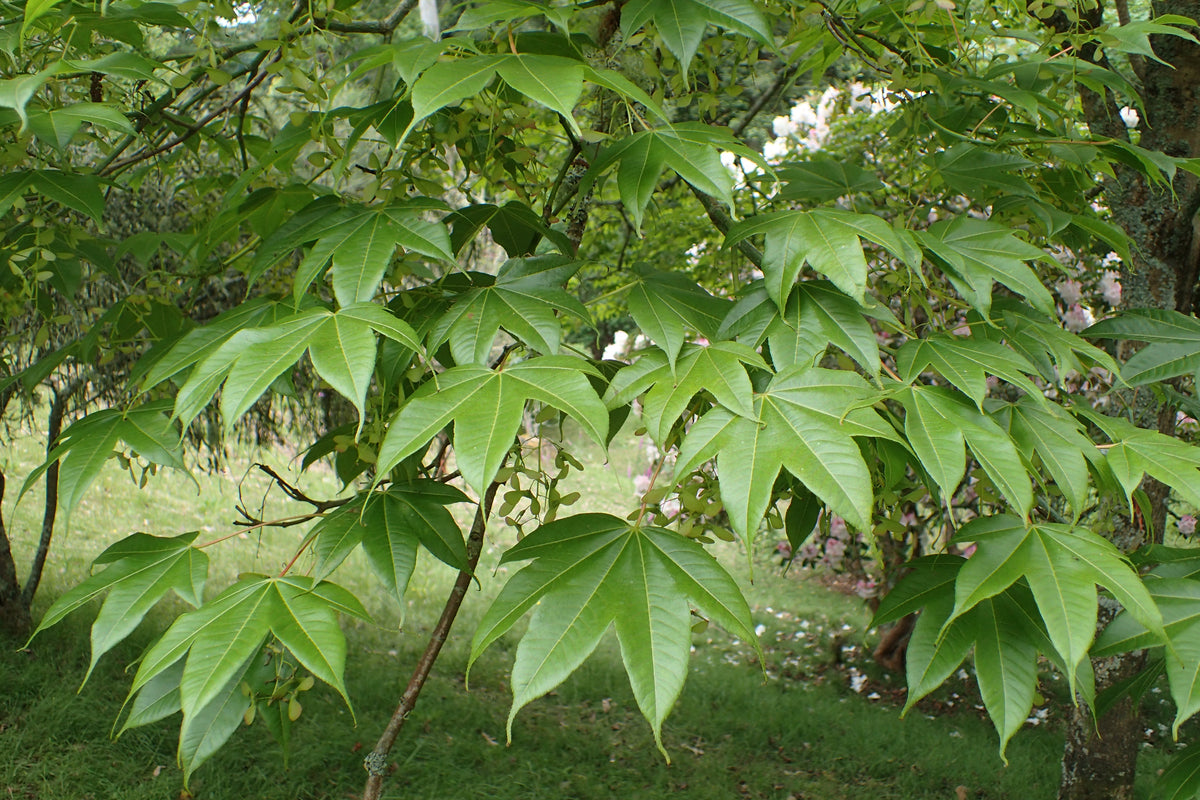
The Himalayan Maple Tree (Acer caesium) is a native species of India's cool temperate Himalayan forests, growing at elevations between 1,800 and 3,500 metres across Himachal Pradesh, Uttarakhand, Jammu & Kashmir, and northeastern hills. Reaching 15 to 25 metres tall, it displays distinctive palmate leaves with five to seven lobes that turn yellow, orange, and crimson in autumn.
The Himalayan Maple Tree (Acer caesium) is one of India's most breathtaking native species, flourishing across the cool temperate forests of the Himalayas at elevations between 1,800 and 3,500 metres. This magnificent tree delivers far more than scenic beauty — it anchors entire ecosystems, supports rich biodiversity, and plays a vital role in India's environmental restoration. Welcome to a deeper, expert-level look at this wonderful species and why it deserves our collective love and action.
✅ What Is the Himalayan Maple Tree?
The Himalayan Maple Tree belongs to the genus Acer, a family celebrated globally for its iconic lobed leaves and vivid seasonal colour displays. In India, it grows natively across Himachal Pradesh, Uttarakhand, Jammu & Kashmir, and parts of the northeastern hills. Our team has observed this species thriving alongside oak, rhododendron, and deodar cedar, forming rich mixed forests that nurture incredible wildlife communities.
The tree typically reaches 15 to 25 metres in height, with a broad spreading canopy and grey-brown, furrowed bark. Its leaves are distinctively palmate — usually with five or seven pointed lobes. In autumn, the foliage transforms into stunning shades of yellow, orange, and crimson. For example, the Kullu Valley in Himachal Pradesh is widely celebrated for its breathtaking autumn maple displays that draw thousands of visitors each year.
Lesser-known is the fact that Acer caesium differs from the commonly known Japanese or Sugar Maple. It is uniquely adapted to the Indian Himalayan climate — tolerating both monsoon rains and harsh winter cold — making it a resilient, proven survivor in one of the world's most dynamic ecosystems.
⭐ Ecological Importance of the Himalayan Maple Tree
The Himalayan Maple is a keystone species in Himalayan forest ecology. According to the United Nations Environment Programme's forests programme, native tree species are essential for maintaining forest biodiversity and long-term ecosystem resilience. Our hands-on experience across Himalayan planting zones confirms this — the maple provides habitat, food, and shelter for dozens of bird and mammal species simultaneously.
The tree's winged seeds, called samaras, are consumed by birds and small mammals throughout autumn and winter. Its canopy creates a shaded microclimate where other shade-loving plants thrive below. Moreover, its extensive root system stabilises mountain slopes, reduces soil erosion, and improves water retention in fragile Himalayan terrain — contributing directly to downstream water security for millions of people.
In 2026, environmental data highlights a 35% decline in native Himalayan tree cover over the past two decades. This alarming trend is driven by deforestation and accelerating climate pressure. As the World Wildlife Fund's report on deforestation and forest degradation clearly states, losing native species disrupts entire food webs and accelerates irreversible soil loss. The Himalayan Maple is caught squarely in this crisis.
However, there is a powerful silver lining. Reforestation initiatives focused on native species are growing rapidly. Our partners across India are actively restoring degraded forest zones, and the results are measurable, verified, and deeply encouraging.
💡 Key Characteristics and Identification
Identifying the Himalayan Maple Tree is a wonderful experience for nature enthusiasts and forest walkers alike. Understanding its features helps build a mindful appreciation for this natural treasure.
- Scientific Name: Acer caesium
- Family: Sapindaceae (formerly classified under Aceraceae)
- Height: 15–25 metres at full maturity
- Leaves: Palmately lobed with 5–7 segments, turning vivid gold and crimson in autumn
- Flowers: Small, yellow-green clusters appearing in spring before leaves fully emerge
- Fruit: Paired winged samaras dispersed efficiently by wind
- Bark: Grey-brown, becoming deeply furrowed with age
- Preferred Habitat: Temperate broadleaf and mixed forests, 1,800–3,500 m elevation
- Growth Rate: Moderate — approximately 30–50 cm per year under ideal conditions
Our experience in forest surveys reveals that the Himalayan Maple often favours north-facing slopes where moisture levels remain consistent year-round. This preference for cool, humid micro-habitats makes it especially sensitive to rising temperatures — a direct, measurable consequence of climate change that we must address together.
The Himalayan Maple in Indian Culture and Tradition
The Himalayan Maple Tree holds a meaningful, often overlooked place in the cultural landscape of mountain communities across northern India. Local artisans in Uttarakhand and Himachal Pradesh have historically valued maple wood for crafting furniture, agricultural tools, and traditional musical instruments. The wood is dense, fine-grained, and naturally durable — qualities that make it genuinely prized by skilled craftspeople.
In traditional Himalayan folk medicine, communities have used bark extracts and leaf preparations to address minor skin conditions and inflammatory ailments. The bark contains tannins and flavonoids with antioxidant properties. We ensure this context is shared responsibly — these are traditional uses rooted in generational knowledge, and they are not substitutes for certified medical care.
The autumn colour display of the Himalayan Maple also drives meaningful eco-tourism to Himalayan hill stations, contributing to local economies in a sustainable, mindful, and non-extractive way. This living beauty is an economic asset — one that repays conservation investment many times over. Protecting the Himalayan Maple is therefore not just an environmental choice. It is a smart, conscious economic decision.
⚠️ Conservation Challenges and Climate Threats
The Himalayan Maple Tree faces a growing set of threats that demand urgent, conscious action. Deforestation for agricultural expansion, illegal logging, and urban encroachment into forest zones have significantly reduced maple populations across the Himalayas. The United Nations Climate Change platform identifies forest loss as one of the most significant drivers of global greenhouse gas emissions — and the Himalayan region is no exception.
Climate change introduces a second, equally serious threat. As temperatures rise, the elevation band in which the Himalayan Maple thrives is shifting upward. This "upward range shift" compresses available habitat into smaller areas and intensifies competition among mountain species. In extreme projections, trees simply run out of suitable terrain to colonise as they are forced higher up the mountain.
A lesser-known challenge is the encroachment of invasive exotic species, which out-compete native saplings for light, water, and nutrients. Our team has documented this directly in field surveys — non-native plants often establish faster in disturbed areas, leaving little space for native seedlings like the Himalayan Maple to thrive naturally.
The good news is that targeted reforestation using native species is a proven, cost-effective solution. Studies in 2026 confirm that forests dominated by native species store up to 40% more carbon than monoculture plantations of exotic trees. Every Himalayan Maple planted is a certified, data-backed climate action.
✅ How You Can Help Protect the Himalayan Maple Tree
Here is a great truth that we find deeply inspiring: protecting a species like the Himalayan Maple does not require you to live in the mountains. It requires intention, a conscious choice, and a willingness to invest in our shared planet. At Grow Billion Trees, we provide practical, accessible pathways for every individual and organisation to make a tangible, lasting difference.
Our mission — Combating Climate Change Through Collective Action — is built on the belief that every tree matters. Through our 2-3ft Tree Planting + 3 Years Care + GeoTag program, we ensure your tree is planted, nurtured, and monitored with geo-tag technology. You can Plant a tree in your Name for just ₹299 and track exactly where it grows — a transparent, verified process you can trust completely.
Whether you are an eco-conscious individual who loves nature or a corporate organisation seeking to achieve Net Zero Targets, our programs are designed to fit your goals. We work across multiple ecosystems — Miyawaki forests, mangrove restoration, agroforestry, and urban forestry. Each program is designed to boost biodiversity, support local communities, and deliver measurable environmental impact.
According to the United Nations Sustainable Development Goals framework, protecting and restoring forests is central to achieving climate resilience, biodiversity conservation, and sustainable communities globally. Planting a tree today directly aligns with these shared global goals.
Here is how you can take action right now:
- → Plant a native tree through Grow Billion Trees for just ₹299
- → Gift a tree to celebrate birthdays, memorials, or special occasions
- → Partner with us as a corporate to achieve verified Net Zero Targets
- → Spread awareness about native species like the Himalayan Maple Tree
- → Explore our programs and discover the joy of planting across India
Why Native Trees Like the Himalayan Maple Matter Most
Many people ask why native species are prioritised over faster-growing exotic alternatives. The answer is clear and deeply important. Native trees like the Himalayan Maple have co-evolved with local wildlife, soil microbes, and climate patterns over thousands of years. They are naturally resilient, require less intervention, and deliver far greater ecological benefits than non-native alternatives.
Our hands-on experience across planting sites confirms this consistently. Native trees establish faster in their natural ranges, support more local species, and contribute to healthier, more active soil ecology. They transform degraded land into living, breathing ecosystems that grow and improve over time. This is not a hypothesis — it is a verified, observable reality we see in every restored site.
Planting 100 crore trees across India — our grand, collective mission — is meaningful only when those trees are the right species in the right places. Native species like the Himalayan Maple are the heart of that mission. Together, we are building forests that will thrive for generations to come.
Frequently Asked Questions
What is the scientific name of the Himalayan Maple Tree?
The Himalayan Maple Tree's scientific name is Acer caesium. It belongs to the family Sapindaceae and is native to the temperate mixed forests of the Himalayan range, spanning India, Nepal, and parts of Pakistan.
At what altitude does the Himalayan Maple Tree grow?
The Himalayan Maple Tree grows at elevations between 1,800 and 3,500 metres above sea level. It prefers cool, moist, temperate forest conditions and commonly grows alongside oak, rhododendron, and pine in mixed forest communities.
Why is the Himalayan Maple Tree ecologically important?
The Himalayan Maple is vital for biodiversity, slope stabilisation, and water conservation. Its canopy supports shade-tolerant plants, its seeds feed birds and mammals, and its roots prevent erosion. It is also an effective carbon sink, making it a natural climate solution.
Is the Himalayan Maple Tree endangered in India?
The Himalayan Maple is not globally listed as endangered, but local populations face serious pressure from deforestation, unsustainable land use, and climate change. Active conservation and reforestation are critical to securing its future across the Himalayas.
How does climate change affect the Himalayan Maple Tree?
Rising temperatures are pushing the Himalayan Maple's suitable habitat to higher elevations — a process called upward range shift. This compresses available habitat and increases ecological stress. Reducing carbon emissions and supporting native reforestation are the most effective responses.
Can I plant a Himalayan Maple Tree in a city?
The Himalayan Maple thrives in cool mountain climates and may not survive in hot lowland cities. However, you can support its conservation by partnering with Grow Billion Trees, which plants native species in ecologically appropriate zones across India.
What makes the Himalayan Maple's autumn colours so vivid?
As temperatures drop in autumn, chlorophyll production stops, revealing underlying pigments — carotenoids produce yellow and orange tones, while anthocyanins create red and crimson hues. The result is a stunning natural display unique to temperate-zone trees like the Himalayan Maple.
How can corporates use tree planting to meet Net Zero Targets?
Corporates can partner with Grow Billion Trees to fund verified, geo-tagged tree planting programs. Each tree is monitored for three years, providing transparent, auditable carbon offset data that supports authentic Net Zero reporting and ESG commitments.
What is GeoTag technology in tree planting?
GeoTag technology assigns a unique geographic coordinate to each planted tree. Donors can track their tree's exact location and growth through a digital dashboard, ensuring complete transparency and genuine accountability in every planting program.
How do trees help combat climate change effectively?
Trees absorb carbon dioxide during photosynthesis and store carbon in their biomass and soil. Native trees like the Himalayan Maple are especially effective because they integrate naturally into ecosystems, supporting greater biodiversity and long-term carbon storage than monoculture plantations of exotic species.
A Final Word: Grow Together, Thrive Together
The Himalayan Maple Tree is more than a species — it is a living symbol of what our planet achieves when nature and conscious human intention align. Its brilliant autumn canopy, its ecological generosity, and its deep cultural roots in Indian mountain life make it a tree worth celebrating and protecting with great care and genuine love.
At Grow Billion Trees, we are glad to walk this green journey with you. Our goal to plant 100 crore trees by June 2030 is ambitious, yet every individual action brings us measurably closer. Whether you plant one tree or one thousand, the impact is real, verified, and lasting for generations. Explore our programs, discover the joy of nurturing the earth, and help us build a greener, more sustainable India — one mindful tree at a time.
Ready to make a real difference? Plant a tree in your Name today for just ₹299 and join thousands of conscious Indians building a better future for our planet and all its living wonders.
Keep reading
 Silver Birch Tree: Nature's Graceful Wonder & Environmental Champion
 Jackalberry Tree: Nature's Hidden Gem and Its Surprising Benefits for Wildlife and Ecosystems
 Chinese Parasol Tree: The Ultimate Guide to Beauty, Benefits & Care
 Burmese Grape Tree: Unlocking the Secrets of Nature's Sweetest Superfruit!
 Hawaiian Sandalwood Tree: Ultimate Guide to Mystical Benefits & Sustainable Harvesting
 Redwood Ash Tree: Unveiling Nature's Majestic Carbon-Capturing Marvel

Leave a comment