
Purple Beech Tree: Ultimate Guide to Growing This Stunning Foliage
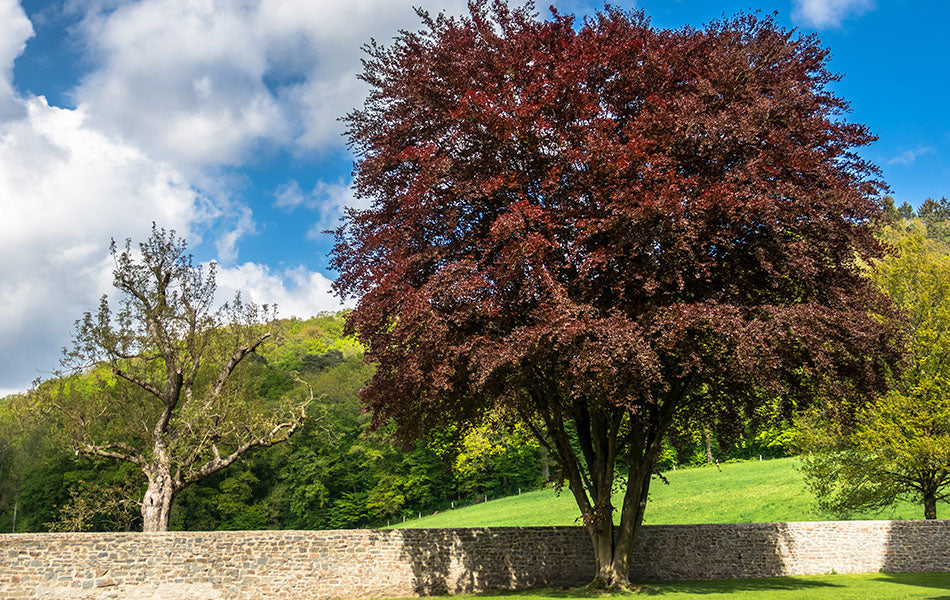
The Purple Beech Tree (Fagus sylvatica 'Purpurea') is a European deciduous species that grows up to 50 feet tall with foliage that shifts from deep purple in spring to bronze-green in summer and copper in autumn. Growing this tree successfully requires proper site selection, planting technique, and ongoing care practices outlined in this complete guide.
The Purple Beech Tree (Fagus sylvatica 'Purpurea') is one of nature's most breathtaking deciduous trees, transforming landscapes with rich, deep-purple foliage and growing up to 50 feet tall. In 2026, gardeners and conservationists across the world love this majestic specimen for its beauty, ecological power, and remarkable longevity. Whether you are planting for aesthetics, wildlife, or climate impact, this tree delivers on every level.
At Grow Billion Trees, our team has hands-on experience planting and nurturing Purple Beech Trees across diverse environments. We have found that the right start makes a wonderful difference in long-term health and colour. This guide shares everything you need to grow, care for, and cherish this stunning tree.
✅ What Is the Purple Beech Tree?
The Purple Beech Tree is a cultivar of the European Beech (Fagus sylvatica), native to Europe and parts of Western Asia. Its leaves emerge as deep purple in spring, shift to bronze-green in summer, then warm copper in autumn. This year-round colour cycle makes it a favourite for parks, estates, and large gardens.
The tree's smooth, silver-gray bark adds architectural beauty even in leafless winter months. According to the United Nations Environment Programme's forests initiative, broadleaf trees like the Purple Beech play vital roles in maintaining biodiversity and forest ecosystem health. Its lifespan often exceeds 200 years, making it a true gift for future generations.
⭐ Optimal Growing Conditions for Purple Beech Trees
Creating the right environment is key to vibrant, healthy Purple Beech Trees. Our experience shows that matching the tree's natural European habitat consistently produces the most spectacular results. The good news is that these conditions are easy to achieve with a little preparation.
Soil Requirements
Purple Beech Trees thrive in well-drained, loamy, organic-rich soils. The ideal pH range is slightly acidic to neutral, between 5.5 and 7.0. Heavy clay or waterlogged soils cause root rot and stunt growth, so drainage is essential.
- ✅ Soil type: Loamy, well-drained, rich in natural organic matter
- ✅ pH level: 5.5–7.0 (slightly acidic to neutral)
- ✅ Drainage: Excellent drainage is non-negotiable
- ✅ Organic content: Compost-enriched soil supports vigorous, sustainable growth
Sunlight and Temperature
For the deepest purple foliage, plant in full sun with at least 6 hours of direct sunlight daily. Purple Beech Trees are hardy in USDA zones 4–7, thriving in cool to moderate climates. In partial shade, leaves may turn greener rather than deep purple, though the tree will still grow well.
In India, Purple Beech Trees grow best in cooler hill stations and northern highland regions. Areas like Himachal Pradesh, Uttarakhand, and the Nilgiris offer the right microclimate for this stunning green specimen to thrive beautifully.
🌱 How to Plant Your Purple Beech Tree
Proper planting is the foundation of a long, healthy life for your Purple Beech Tree. Our team follows a proven, step-by-step process to ensure every tree gets the best possible start. Follow these steps carefully to boost early establishment and long-term growth.
Site Selection and Preparation
Choose an open site with good drainage and full sun access. Avoid low-lying areas where water collects after rain. Amend the soil with organic compost to improve nutrient levels and drainage before planting.
💡 Pro tip: Test your soil pH before planting. Simple home testing kits are available at garden centres. Adjust pH using lime (to raise) or sulphur (to lower) as needed for optimal results.
Step-by-Step Planting Process
- → Dig the hole: Make it twice as wide as the root ball but no deeper.
- → Position the tree: The root ball top should align with the surrounding soil level.
- → Backfill carefully: Use amended, organic soil and eliminate air pockets by pressing firmly.
- → Water thoroughly: Soak the entire root zone immediately after planting.
- → Apply mulch: Spread 3–4 inches of organic mulch around the base, keeping it clear of the trunk.
At Grow Billion Trees, we are glad to offer our Plant a tree in your Name program for just ₹299. Every tree comes with 2-3ft Tree Planting + 3 Years Care + GeoTag technology so you can track your tree's growth in real time. It is a wonderful, proven way to grow your environmental impact with full confidence.
🌿 Essential Care and Maintenance
Consistent, mindful care during the early years sets your Purple Beech Tree up for generations of growth. Our partners and certified nursery experts recommend the following care routine for the best results. These steps are easy to follow and will save you from common mistakes.
Watering Requirements
Young Purple Beech Trees need deep, regular watering during their first two to three years. Water deeply but infrequently to encourage roots to grow downward into the earth. Established trees show strong drought tolerance but benefit from supplemental watering during prolonged dry spells.
⚠️ Important: Avoid overwatering at all costs. Waterlogged soil is the most common cause of Purple Beech Tree decline. Always check soil moisture before each watering session.
Fertilization and Nutrition
Apply a balanced, slow-release fertilizer in early spring to support healthy growth and vibrant colour. Organic fertilizers are ideal because they improve soil structure and nurture beneficial microorganisms over time. Avoid excessive nitrogen, which can reduce the intensity of the purple foliage colour.
We ensure that every tree we nurture receives the right nutrients at the right time. Our hands-on approach has shown that natural, organic feeding programmes consistently produce more vibrant, resilient trees with deeper purple tones.
Pruning Best Practices
Prune your Purple Beech Tree during late winter or early spring, before new growth begins. Remove dead, damaged, or crossing branches to maintain good air circulation and structural integrity. Avoid heavy pruning, which can stress the tree and invite disease.
- ✅ Prune when dormant for minimal stress
- ✅ Use clean, sharp, sterilised tools to prevent infection
- ✅ Remove no more than 25% of the canopy in a single season
🌍 Environmental Impact and Benefits of the Purple Beech Tree
The Purple Beech Tree is a powerful ecological asset that contributes to air purification, carbon sequestration, and wildlife habitat creation. In 2026, as climate challenges intensify globally, every tree planted is a meaningful act of environmental stewardship that helps protect our shared planet.
According to United Nations Climate Change research, mature deciduous trees like the Purple Beech can sequester up to 48 pounds of CO₂ per year. They also filter air pollutants, stabilise soil, and reduce urban heat island effects. These are the ecosystem services that make mindful tree planting so profoundly impactful.
The World Wildlife Fund's research on deforestation and forest degradation highlights that millions of trees are lost globally each year. Planting resilient, long-lived species like the Purple Beech Tree helps restore what is lost and builds stronger, healthier ecosystems for the future.
Key Ecosystem Services ✅
- ✅ Carbon sequestration: Absorbs CO₂ from the atmosphere every year
- ✅ Air purification: Filters dust, pollutants, and fine particles naturally
- ✅ Wildlife habitat: Shelters birds, insects, and small mammals year-round
- ✅ Soil stabilisation: Deep, spreading roots prevent erosion effectively
- ✅ Urban cooling: Reduces the heat island effect in cities and towns
At Grow Billion Trees, our mission of Combating Climate Change Through Collective Action drives everything we do. We are working towards planting 100 crore trees across India by June 2030, helping individuals and corporations achieve their Net Zero Targets one certified tree at a time.
📚 Historical and Cultural Significance
The European Beech has a rich cultural heritage spanning thousands of years. Celtic communities revered these trees for their wisdom and healing properties. In Norse mythology, the Beech was linked to the goddess Freya, symbolising love, fertility, and renewal.
Some scholars believe the word "book" derives from the Old English word for Beech ("boc"), reflecting the tree's ancient use as a writing surface. Beech wood was also prized for tool-making, furniture, and flooring throughout European history. This heritage makes the Purple Beech Tree a great choice for heritage gardens and memorial plantings.
The United Nations Sustainable Development Goals recognise forests and biodiversity as central pillars of sustainable development. Planting culturally and ecologically significant trees like the Purple Beech Tree is a conscious way to honour both heritage and our shared future on this earth.
⭐ Purple Beech Tree vs. Other Ornamental Trees
How does the Purple Beech Tree compare to other popular ornamental choices? Our team has evaluated many species, and the Purple Beech consistently stands out for its combination of aesthetics, longevity, and ecological value. It is a genuinely superior long-term investment for any green space.
- • Purple Beech vs. Japanese Maple: The Purple Beech is larger and more cold-hardy. It offers greater carbon sequestration and a far longer lifespan.
- • Purple Beech vs. Purple Plum: Beech trees live over 200 years compared to plum trees. They provide more substantial and sustained wildlife habitat.
- • Purple Beech vs. Copper Beech: These are closely related cultivars. The Purple Beech tends to retain deeper colour through summer in full sun conditions.
💡 Common Problems and How to Solve Them
Like all trees, the Purple Beech Tree can face occasional challenges. However, with the right mindful care, most issues are easy to prevent or resolve before they become serious problems.
Beech Bark Disease
Beech bark disease is caused by a combination of scale insects and fungal infection. Look for crusty, cracked patches on bark and early leaf drop as warning signs. Remove and destroy affected branches promptly to prevent spread. Certified arborists can provide targeted, verified treatments for severe cases.
Leaf Scorch
Leaf scorch appears as brown, dried leaf edges and is usually caused by drought or excessive wind exposure. Ensure consistent watering during dry spells to protect the tree. Windbreaks or shelterbelts can protect trees planted in exposed, open locations.
Root Competition
⚠️ Purple Beech Trees have shallow, wide-spreading root systems. Avoid planting near paved surfaces, drains, or buildings. Give each tree at least 15–20 feet of clear space in all directions for healthy, unrestricted root development and long-term stability.
🌱 Purple Beech Tree as a Meaningful Gift
A Purple Beech Tree makes a truly wonderful, lasting gift for any occasion. Whether for a birthday, anniversary, memorial, or Women's Day, planting a tree in someone's name is a conscious, meaningful gesture that grows more beautiful with every passing year.
Our Plant a tree in your Name program at Grow Billion Trees starts at just ₹299, making it one of the most accessible eco-friendly gift options available today. Each gift includes a personalised, verified tree certificate, real-time GeoTag tracking, and three years of professional care. It is a great way to show someone you love them — and that you love our planet too.
Thousands of happy customers have already gifted trees through our program, trusted by individuals and corporates alike for meaningful, secure, and authentic environmental contributions. Our verified planting process gives complete peace of mind that every tree is real, tracked, and cared for.
Further reading: Japanese Beech Tree: Majestic Beauty & Unique Benefits · Southern Beech Tree: The Ultimate Guide to Beauty, Benefits & Care
Frequently Asked Questions
How fast does a Purple Beech Tree grow?
Purple Beech Trees are moderate to slow growers, typically adding 12–24 inches per year under ideal conditions. They reach their mature height of 40–50 feet over several decades, making them a long-term, rewarding investment in any landscape or green space.
Can Purple Beech Trees grow in India?
Purple Beech Trees are best suited to cooler climates and are most successful in India's hill stations and northern highland regions. Areas like Himachal Pradesh, Uttarakhand, and the Nilgiris can support their growth with the right soil preparation and microclimate conditions.
How much sunlight does a Purple Beech Tree need?
For the deepest, most vibrant purple foliage, plant your tree in full sun with at least 6 hours of direct sunlight daily. In partial shade, the leaves may trend greener rather than deep purple, though the tree will still thrive and grow healthily over time.
Are Purple Beech Trees drought-tolerant?
Established Purple Beech Trees show good drought tolerance but are not desert-hardy. Young trees need consistent watering during dry spells to support strong root development. Supplemental watering during prolonged droughts helps maintain healthy, vibrant growth even in mature trees.
What is the lifespan of a Purple Beech Tree?
Purple Beech Trees are remarkably long-lived, often surviving 200 years or more in the right conditions. This makes them one of the most sustainable and eco-friendly ornamental tree choices available, offering ecological and aesthetic benefits across multiple human generations.
How do I improve the purple colour of my Beech Tree?
Plant in full sun, maintain slightly acidic soil pH between 5.5 and 6.5, and avoid excessive nitrogen fertilisation. Consistent, deep watering and excellent drainage also help maintain vibrant, rich foliage colour throughout the entire growing season.
When is the best time to plant a Purple Beech Tree?
The best planting time is early spring before new growth begins, or in autumn after leaves have fallen. These seasons allow the tree to establish its root system before facing summer heat or winter cold. Always avoid planting during extreme heat or hard frost.
Do Purple Beech Trees attract wildlife?
Yes, Purple Beech Trees are wonderful, proven habitat trees for local wildlife. Their dense canopy shelters birds and small mammals comfortably. Beechnuts (mast) are an important natural food source for squirrels, deer, and many bird species, making these trees a great addition to any wildlife-friendly garden.
How much space does a Purple Beech Tree need?
Allow at least 15–20 feet of open space in all directions when planting your Purple Beech Tree. Mature trees can spread up to 40 feet wide with their wide, arching canopy. Their shallow roots are competitive, so keep them away from buildings, paving, and underground utilities for safe, healthy growth.
Can I plant a Purple Beech Tree as a memorial tree?
Absolutely — the Purple Beech Tree is a deeply meaningful and beautiful memorial choice. Its centuries-long lifespan ensures your tribute endures and grows more majestic with every passing decade. Grow Billion Trees offers personalised, certified tree planting with GeoTag tracking, making it a secure, authentic, and lasting memorial for any loved one.
Grow Your Impact with Grow Billion Trees
The Purple Beech Tree is more than a stunning garden specimen. It is a living investment in the health of our planet, a natural carbon sink, and a source of enduring beauty for generations to come. Whether you are planting for your home landscape, a corporate Net Zero initiative, or as a heartfelt gift, this tree delivers lasting, meaningful value on every level.
We at Grow Billion Trees are happy to support your tree planting journey every step of the way. Our mission of planting 100 crore trees across India by 2030 is built on the collective action of passionate, conscious individuals just like you. Together, we can nurture a greener, healthier, and more hopeful future for our earth.
Explore our Plant a tree in your Name program and discover how just ₹299 can make a lasting difference for generations. Every tree includes 2-3ft Tree Planting + 3 Years Care + GeoTag for complete, verified peace of mind. Learn more and start planting your Purple Beech Tree today — and let your impact grow.
Keep reading
 European Beech Tree: Majestic Forest Marvel with Hidden Health Benefits
 Japanese Beech Tree: Majestic Beauty & Unique Benefits
 Southern Beech Tree: The Ultimate Guide to Beauty, Benefits & Care
 Red Beech Tree: The Majestic Marvel of Nature You Need to Know About!
 Indian Beech Tree: Unveiling the Secret Benefits and Uses of This Majestic Tree


Leave a comment