
Japanese Beech Tree: Majestic Beauty & Unique Benefits
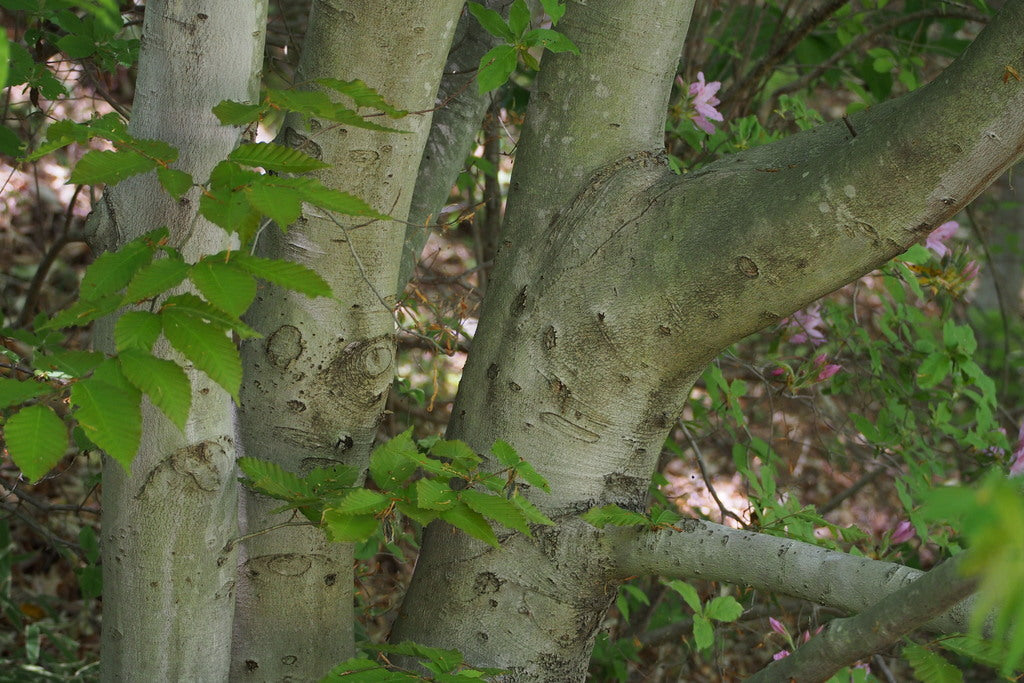
The Japanese Beech Tree (Fagus crenata) is a deciduous species that grows up to 30 meters tall and can live for several centuries, featuring smooth gray bark and leaves that turn glossy green in spring and golden-brown in autumn. The tree produces edible beechnuts and plays a vital role in forest ecosystems.
The Japanese Beech Tree (Fagus crenata) stands as one of nature's most magnificent specimens, captivating hearts with its towering presence and golden autumn displays. This enchanting species plays a vital role in Japan's forest ecosystems while offering remarkable benefits for our planet's future. Through initiatives like Grow Billion Trees, we're working toward planting 100 crore trees to combat climate change through collective action.
✅ Biological Characteristics of the Japanese Beech Tree
The Japanese Beech Tree is a deciduous giant that can reach impressive heights of up to 30 meters (approximately 98 feet) and live for several centuries. Its straight, cylindrical trunk features smooth, grayish bark that develops distinctive fissures with age, creating a textured masterpiece that tells the story of its longevity.
The leaves of this remarkable species are alternate, simple, and ovate, measuring 5 to 12 centimeters in length. During spring and summer, they display a glossy green appearance that transforms into stunning golden-brown hues in autumn. This seasonal transformation creates breathtaking displays that have inspired Japanese art and poetry for generations.
One fascinating aspect of the Japanese Beech Tree is its reproductive process. The tree produces small, edible nuts called beechnuts, encased in spiky husks that protect these valuable seeds. These nuts serve as a vital food source for wildlife, including squirrels, birds, and deer, supporting entire forest ecosystems.
💡 Unique Hybridization Abilities
The Japanese Beech Tree demonstrates remarkable genetic flexibility through its ability to hybridize with other beech species, particularly the European Beech (Fagus sylvatica). This natural adaptation has led to diverse hybrid populations in certain regions, showcasing nature's incredible ability to evolve and thrive.
⭐ Ecological Benefits and Environmental Impact
The ecological significance of the Japanese Beech Tree extends far beyond its visual appeal. This species serves as a cornerstone of forest ecosystems, providing essential habitat and sustenance for countless wildlife species. Its dense canopy creates shelter for various bird species, while fallen leaves enrich the forest floor, promoting biodiversity and soil health.
According to the United Nations climate change initiatives, trees like the Japanese Beech play a crucial role in carbon sequestration. A mature Japanese Beech Tree can absorb approximately 48 pounds (22 kilograms) of CO2 annually, making it a powerful ally in our fight against climate change.
The tree's extensive root system provides additional environmental benefits by preventing soil erosion and stabilizing forest floors. This natural engineering helps maintain ecosystem integrity while supporting diverse understory plant communities that enhance overall biodiversity.
🌿 Supporting Forest Biodiversity
The Japanese Beech Tree creates microhabitats that support an intricate web of life. From insects that depend on its bark and leaves to mammals that rely on its nutritious beechnuts, this species anchors entire food chains. The World Wildlife Fund's forest conservation efforts recognize such keystone species as essential for maintaining healthy forest ecosystems.
🏛️ Historical Significance and Cultural Heritage
The Japanese Beech Tree holds profound cultural significance in Japan, where it has been revered for centuries as a symbol of strength, endurance, and natural beauty. This majestic species frequently appears in traditional Japanese literature, art, and folklore, representing the enduring connection between people and nature.
In ancient times, the beech tree was considered sacred, and its durable wood was crafted into ceremonial objects and essential tools. The timber industry has historically valued Japanese Beech for its exceptional workability and durability, making it a preferred choice for furniture, flooring, and various wooden products.
This economic importance has contributed to local communities while also highlighting the need for sustainable harvesting practices to preserve these magnificent trees for future generations.
🌱 Conservation Efforts and Modern Challenges
Like many forest species worldwide, the Japanese Beech Tree faces mounting challenges from climate change, deforestation, and rapid urbanization. The World Wildlife Fund reports on deforestation threats emphasize the urgent need for comprehensive conservation strategies to protect these valuable ecosystems.
Recent conservation initiatives have focused on promoting sustainable forestry practices, restoring degraded forest areas, and educating communities about the critical importance of preserving this enchanting species. These efforts align with global sustainability goals and recognize the Japanese Beech Tree's role in maintaining ecological balance.
→ Restoration and Reforestation Programs
Modern conservation approaches integrate scientific research with community engagement, ensuring that restoration efforts are both effective and sustainable. Programs focus on protecting existing Japanese Beech forests while establishing new populations in suitable habitats.
🌍 Grow Billion Trees: Planting for Our Planet's Future
At Grow Billion Trees, we recognize the extraordinary value of species like the Japanese Beech Tree in our mission to plant 100 crore trees across India. Our comprehensive approach includes 2-3ft Tree Planting + 3 Years Care + GeoTag technology, ensuring each tree receives the nurturing it needs to thrive.
Through our Plant a tree in your Name program for just ₹299, individuals can contribute to reforestation efforts while receiving personalized certificates for special occasions. Our initiatives support various planting programs, including Miyawaki forests, agroforestry, and urban forestry projects that create lasting environmental impact.
Corporate partners working toward Net Zero Targets find valuable opportunities through our specialized environmental programs. We combine traditional wisdom with modern technology to ensure maximum success rates and measurable impact in our collective fight against climate change.
✅ Technology-Enhanced Tree Care
Our innovative GeoTag system allows supporters to track their planted trees, creating transparency and connection between individuals and their environmental contributions. This technology ensures accountability while building lasting relationships between communities and their local ecosystems.
💡 Benefits of Japanese Beech Trees for Modern Landscapes
Beyond their ecological importance, Japanese Beech Trees offer numerous benefits for modern landscaping and urban planning. Their impressive size and seasonal beauty make them excellent choices for parks, large gardens, and natural areas where space permits their full development.
The species demonstrates remarkable adaptability to various soil conditions and climate zones, though they thrive best in well-drained, fertile soils with adequate moisture. Their tolerance for partial shade makes them valuable for forest restoration projects and mixed-species plantings.
🏞️ Urban Forest Applications
- Air Quality Improvement: Large canopy provides excellent air filtration
- Temperature Regulation: Dense foliage creates cooling microclimates
- Wildlife Habitat: Supports urban biodiversity through food and shelter
- Aesthetic Value: Seasonal color changes enhance landscape beauty
- Carbon Storage: Significant CO2 sequestration capacity
🌿 Sustainable Management and Future Prospects
The future of Japanese Beech Trees depends on implementing sustainable management practices that balance human needs with ecological preservation. This includes selective harvesting methods, habitat protection, and active restoration of degraded forest areas.
Research continues to reveal new insights about optimal growing conditions, genetic diversity preservation, and climate adaptation strategies for this remarkable species. The United Nations Environment Programme's forest initiatives support such research efforts globally.
Educational programs play a crucial role in building public awareness about the importance of forest conservation and the specific value of native species like the Japanese Beech Tree. These initiatives help create informed communities that actively participate in conservation efforts.
Further reading: Purple Beech Tree: Ultimate Guide to Growing This Stunning Foliage · Red Beech Tree: The Majestic Marvel of Nature You Need to Know About!
Frequently Asked Questions
What makes the Japanese Beech Tree unique compared to other beech species?
The Japanese Beech Tree (Fagus crenata) is distinguished by its exceptional longevity, ability to hybridize with other beech species, and its stunning golden-brown autumn coloration. It also demonstrates remarkable adaptability to various environmental conditions while maintaining its ecological importance.
How long does it take for a Japanese Beech Tree to mature?
Japanese Beech Trees typically reach maturity in 40-60 years, though they continue growing and can live for several centuries. Young trees establish slowly but develop into magnificent specimens with proper care and suitable growing conditions.
Can Japanese Beech Trees grow in different climate zones?
While native to Japan's temperate regions, Japanese Beech Trees can adapt to similar climate zones worldwide. They prefer cool, moist conditions with well-drained soil and protection from extreme weather events.
What wildlife species depend on Japanese Beech Trees?
Numerous species rely on Japanese Beech Trees, including squirrels, birds, deer, and various insects. The trees provide food through their beechnuts, shelter in their canopy, and habitat for ground-dwelling creatures among fallen leaves.
How do Japanese Beech Trees contribute to carbon sequestration?
A mature Japanese Beech Tree can absorb approximately 48 pounds (22 kilograms) of CO2 annually. Their large size, long lifespan, and dense wood make them excellent carbon storage systems, contributing significantly to climate change mitigation efforts.
What are the main threats to Japanese Beech Tree populations?
Primary threats include climate change, deforestation, urbanization, and unsustainable harvesting practices. Conservation efforts focus on habitat protection, sustainable forestry, and restoration of degraded forest areas.
How can individuals support Japanese Beech Tree conservation?
Individuals can support conservation through tree planting initiatives, supporting sustainable forestry practices, participating in educational programs, and choosing sustainably sourced wood products. Programs like Grow Billion Trees offer direct opportunities to contribute to reforestation efforts.
What role do Japanese Beech Trees play in forest ecosystems?
Japanese Beech Trees serve as keystone species, providing food and habitat for wildlife, preventing soil erosion, enriching soil through leaf litter, and supporting diverse understory plant communities. They help maintain the overall health and balance of forest ecosystems.
🌱 Join the Movement: Plant a Tree in Your Name
The Japanese Beech Tree exemplifies nature's incredible ability to provide beauty, ecological benefits, and cultural significance simultaneously. As we face global environmental challenges, protecting and planting trees like the Japanese Beech becomes increasingly vital for our planet's future.
Through Grow Billion Trees, you can be part of this meaningful mission. Our commitment to planting 100 crore trees across India includes supporting diverse species that create lasting environmental impact. With our comprehensive care program and GeoTag technology, every tree planted contributes to combating climate change through collective action.
Whether you're an individual seeking to make a personal environmental impact or a corporation working toward Net Zero Targets, our programs offer accessible ways to contribute to a greener future. Explore our tree planting initiatives and discover how you can plant a tree in your name today, creating a living legacy that will benefit generations to come.
Keep reading
 European Beech Tree: Majestic Forest Marvel with Hidden Health Benefits
 Purple Beech Tree: Ultimate Guide to Growing This Stunning Foliage
 Red Beech Tree: The Majestic Marvel of Nature You Need to Know About!
 Southern Beech Tree: The Ultimate Guide to Beauty, Benefits & Care
 Indian Beech Tree: Unveiling the Secret Benefits and Uses of This Majestic Tree


Leave a comment