
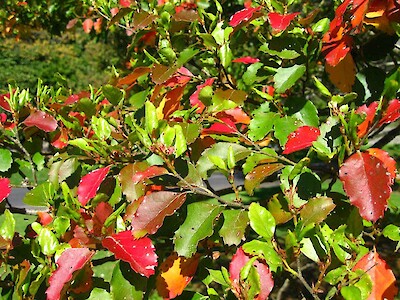
The Red Beech (Fuscospora fusca) is a native New Zealand tree reaching up to 50 metres tall with a lifespan exceeding 1,000 years. Distinguished by its smooth, greyish-brown bark and elliptical dark green leaves that turn vibrant red in autumn, this Read more
Trending Tree Plantations - Most Popular Environmental Programs
-
Trees for Birthday Celebration: Plant Meaningful Green Gifts
Regular price ₹ 299Regular priceUnit price per -
Trees for Mother
Regular price ₹ 299Regular priceUnit price per -
Trees as a Gift: Plant Hope & Create Lasting Environmental Impact
Regular price ₹ 299Regular priceUnit price per -
Trees to Honor the Memory of your Loved Ones
Regular price ₹ 299Regular priceUnit price per -
Trees for Women's Day (8th Mar)
Regular price ₹ 299Regular priceUnit price per


Trees for Corporates - Achieve Net Zero Targets Through Strategic Tree Planting
-
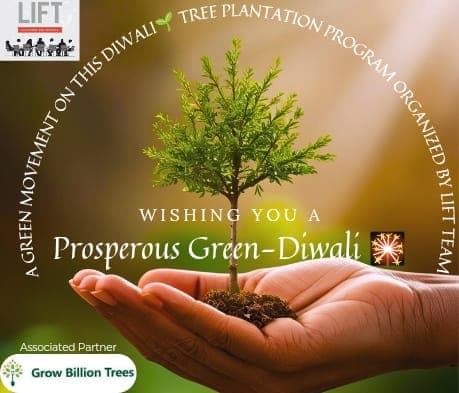 Project Closed
Trees by LIFT Team for Green Diwali: Transform Your Festival
Regular price ₹ 299Regular priceUnit price per -
Trees for a Greener Tomorrow - by Mahindra Lifespaces
Regular price ₹ 299Regular priceUnit price per -
Trees for Environment Day: Plant Your Impact on June 5th
Regular price ₹ 299Regular priceUnit price per -
Trees for Farmers: Sustainable Agroforestry Solutions for 2026
Regular price ₹ 299Regular priceUnit price per -
Trees for Employees: Transform Your Corporate Culture in 2026
Regular price ₹ 299Regular priceUnit price per

Red Beech Tree: Majestic 1000-Year Giants of New Zealand
The Red Beech (Fuscospora fusca) is a native New Zealand tree reaching up to 50 metres tall with a lifespan exceeding 1,000 years. Distinguished by its smooth, greyish-brown bark and elliptical dark green leaves that turn vibrant red in autumn, this species plays a critical role in forest ecosystems, supporting wildlife whilst contributing significantly to carbon sequestration and climate regulation.
The Red Beech tree (Fuscospora fusca) stands as one of New Zealand's most magnificent natural treasures, reaching heights of 50 meters and living for over 1,000 years. This extraordinary species not only captivates with its stunning autumn display of vibrant red foliage but also serves as a cornerstone of forest ecosystems, supporting countless wildlife species while playing a crucial role in carbon sequestration and climate regulation.
Scientific Classification and Remarkable Characteristics ✅
The Red Beech tree belongs to the family Nothofagaceae, distinguished by its impressive stature and unique features. These majestic trees can grow up to 50 meters tall with trunk diameters reaching 2 meters. The bark presents a smooth, greyish-brown appearance that darkens beautifully with age.
One of the most striking features of the Red Beech is its glossy, dark green elliptical leaves measuring 5 to 10 centimeters in length. During autumn, these leaves transform into a breathtaking display of vibrant red, creating spectacular natural artwork that attracts photographers and nature enthusiasts worldwide.
Red Beech trees are dioecious, meaning individual trees are either male or female. The small, inconspicuous flowers bloom in spring, with female trees producing woody capsules containing seeds dispersed by wind and wildlife.
Fascinating Facts About Red Beech Trees ⭐
These remarkable trees showcase extraordinary characteristics that make them truly special:
- Longevity: Red Beech trees demonstrate incredible longevity, with some specimens living for over 1,000 years
- Habitat: Primarily found in New Zealand's South Island temperate rainforests, thriving in well-drained soils with high rainfall
- Ecological Role: Provides essential habitat and food for native wildlife including tui and kereru birds
- Cultural Significance: Historically revered by Māori people for traditional carving and construction purposes
Historical Significance and Cultural Heritage 💡
The Red Beech tree holds profound historical importance within indigenous Māori culture. Traditional uses included constructing canoes, crafting tools, and creating intricate carvings. The bark served practical purposes in making traditional clothing and ropes, while the tree symbolized strength and resilience in Māori mythology.
During 19th-century European colonization, Red Beech timber became highly sought after for building and furniture making. This demand led to extensive logging that significantly impacted tree populations. Fortunately, 20th-century conservation efforts recognized the urgent need to protect this vital species and its habitat.
Environmental Impact and Ecosystem Services ⭐
The Red Beech tree plays a pivotal role in maintaining ecological balance within its habitat. According to the United Nations Environment Programme on forests, trees like the Red Beech contribute significantly to soil stability, erosion prevention, and water cycle regulation.
These magnificent trees create rich humus layers from fallen leaves, enriching soil and supporting diverse understory plant species. As habitat providers, Red Beech trees support extensive wildlife ranges, from birds to insects, serving as breeding grounds for numerous native species.
The flowers attract essential pollinators, ensuring ecosystem continuity. As carbon sinks, Red Beech trees combat climate change by absorbing atmospheric carbon dioxide, storing carbon in their biomass, and releasing oxygen—a process vital for air quality and global warming mitigation.
Conservation Efforts and Grow Billion Trees Partnership ✅
Recognizing Red Beech tree importance, various organizations have initiated conservation projects for protection and restoration. The World Wildlife Fund's forest conservation initiatives emphasize the critical need for protecting such species.
Grow Billion Trees actively promotes reforestation and sustainable land management practices, working toward our ambitious goal of planting 100 crore trees by June 2030. Our comprehensive approach includes:
- Reforestation Projects: Large-scale planting of Red Beech seedlings in deforested areas
- Community Engagement: Fostering local ownership through tree planting activities
- Education and Awareness: Promoting understanding of forest conservation importance
- Technology Integration: Using GeoTag tracking for monitoring planted trees
Combating Climate Change Through Collective Action 🌱
The Red Beech tree exemplifies how individual species contribute to global climate solutions. As outlined by the United Nations climate change action framework, forest conservation and reforestation are essential strategies for achieving Net Zero Targets.
Our Plant a tree in your Name initiative allows environmentally conscious individuals to contribute directly to Red Beech conservation. For just ₹299, you receive comprehensive care including 4ft Tree Planting + 3 Years Care + GeoTag tracking, ensuring your contribution makes a lasting impact.
Modern Conservation Strategies and Technology 💡
Contemporary Red Beech conservation employs innovative approaches combining traditional knowledge with modern technology. Satellite monitoring, genetic diversity studies, and climate modeling help optimize planting locations and species selection.
Grow Billion Trees utilizes advanced GeoTag technology, allowing supporters to track their planted trees' growth and impact. This transparency builds trust and encourages continued environmental stewardship among our community of tree planters.
The Future of Red Beech Conservation ➡️
Looking ahead, Red Beech tree conservation requires sustained commitment from individuals, organizations, and governments. Climate change poses new challenges, making adaptive management strategies essential for species survival.
Our comprehensive environmental restoration programs extend beyond tree planting to include beach cleaning, lake restoration, and sustainability education. These integrated approaches ensure holistic ecosystem health while supporting Red Beech populations.
Frequently Asked Questions
How long do Red Beech trees live?
Red Beech trees are remarkably long-lived, with some specimens surviving for over 1,000 years. Their longevity makes them valuable for long-term carbon storage and ecosystem stability.
Where are Red Beech trees naturally found?
Red Beech trees are native to New Zealand, primarily found in the temperate rainforests of the South Island. They thrive in well-drained soils with high rainfall conditions.
What makes Red Beech trees ecologically important?
Red Beech trees provide essential habitat for native wildlife, contribute to soil stability, prevent erosion, regulate water cycles, and serve as significant carbon sinks in the fight against climate change.
How can I support Red Beech tree conservation?
You can support conservation by participating in Grow Billion Trees' planting programs, donating to reforestation projects, or volunteering for local conservation initiatives in your area.
What is the cultural significance of Red Beech trees?
The Māori people traditionally used Red Beech wood for canoes, tools, and carvings. The bark was used for clothing and ropes, while the tree symbolized strength and resilience in their culture.
How do Red Beech trees help combat climate change?
Red Beech trees absorb atmospheric carbon dioxide, store carbon in their biomass, and release oxygen. This process helps improve air quality and mitigate global warming effects.
What threats do Red Beech trees face?
Historical logging significantly reduced populations. Current threats include climate change, habitat fragmentation, and invasive species competition requiring ongoing conservation efforts.
Can Red Beech trees be planted outside New Zealand?
While Red Beech trees are adapted to New Zealand's specific climate conditions, similar conservation principles can be applied to native tree species in other regions worldwide.
Taking Action for Environmental Conservation
The Red Beech tree represents nature's incredible resilience and the urgent need for environmental protection. Through organizations like Grow Billion Trees, we can collectively work toward preserving these majestic marvels for future generations.
Join our mission of Combating Climate Change Through Collective Action by planting a tree today. Visit Grow Billion Trees to discover how you can make a meaningful difference in forest conservation while contributing to our goal of planting 100 crore trees across India.
You may also like
-
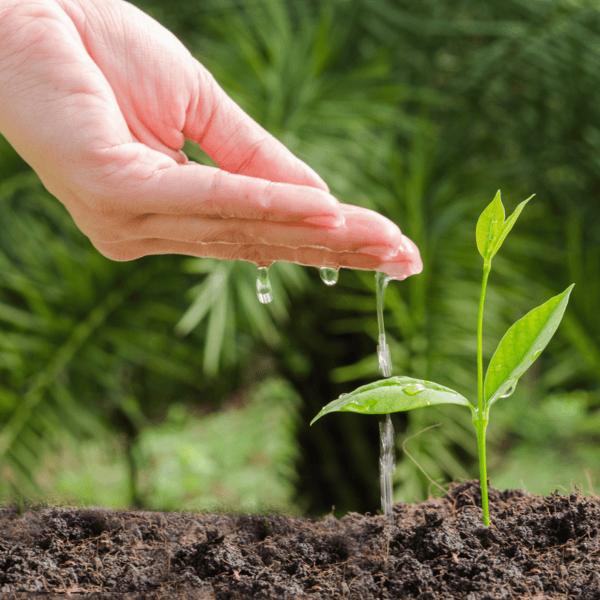
Gift a Tree - Meaningful Environmental Gifts That Make a Difference
Transform your gift-giving with meaningful environmental gifts that create lasting impact for...
-
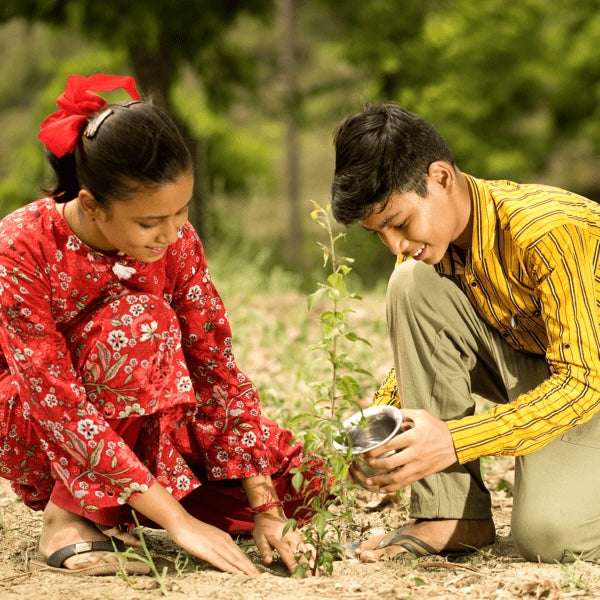
Trees For Shiv Ji - Sacred Tree Planting to Honor Lord Shiva
Honor Lord Shiva through sacred tree planting with Trees For Shiv Ji,...
-
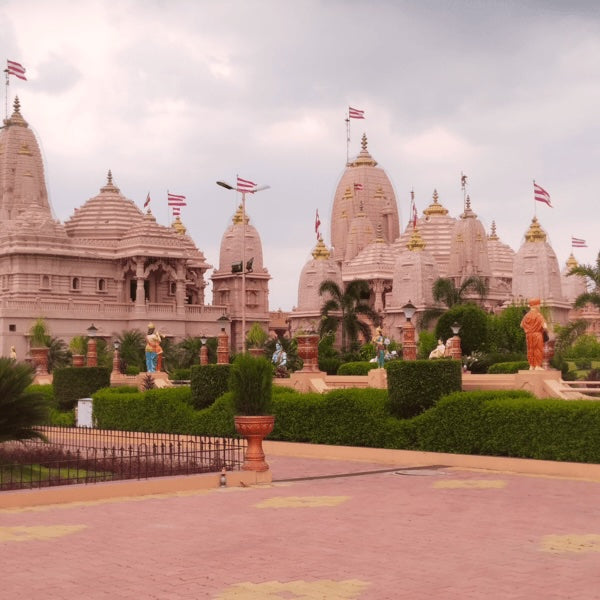
Tree Plantations for Shri Ram - Sacred Devotional Planting Services
Honor Lord Shri Ram through meaningful tree plantations for Shri Ram that...
-
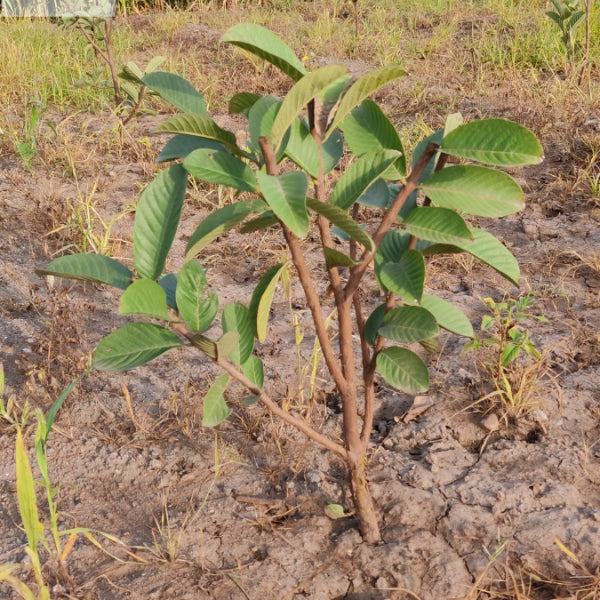
Tree Plantation on Navratri - Celebrate Divine Festivals with Environmental Devotion
Tree plantation on Navratri transforms the sacred nine-day festival into a powerful...
-
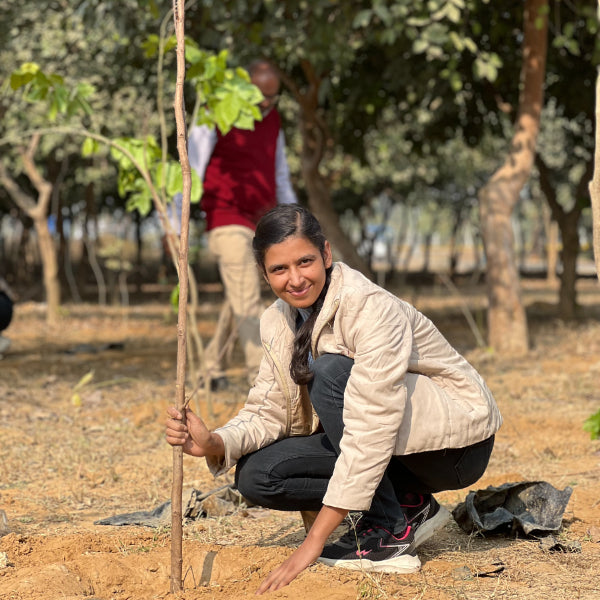
Tree Plantation by Cause - Plant Trees for Every Purpose | Grow Billion Trees
Transform your environmental impact with purpose-driven tree plantation by cause programs that...
Corporate Plantations
-
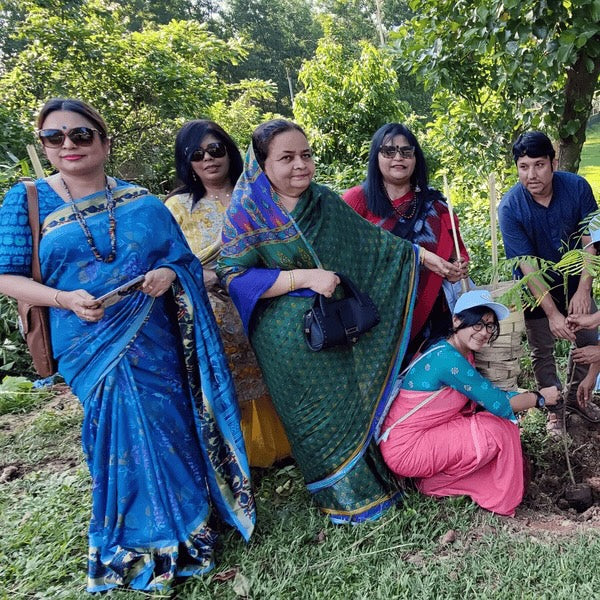
Trees for Corporates - Achieve Net Zero Targets Through Strategic Tree Planting
Trees for Corporates - Strategic Environmental SolutionsTransform your corporate environmental impact with...
-
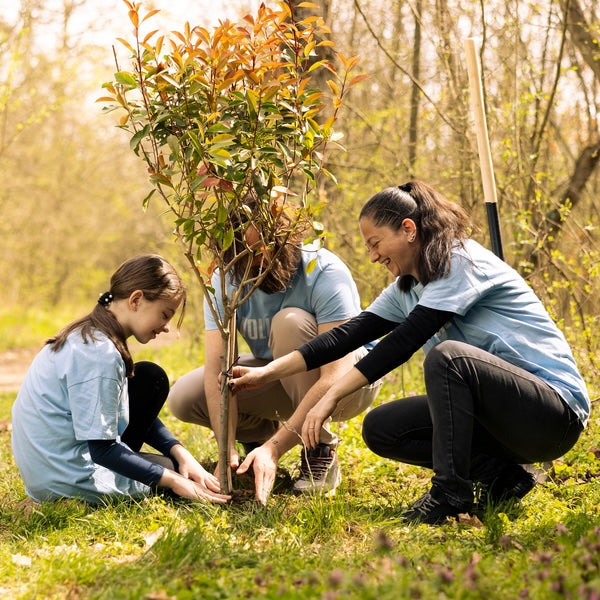
Tree Plantation for CSR - Corporate Environmental Programs | Grow Billion Trees
Tree Plantation for CSR - Transform Your Corporate Environmental ImpactTree plantation for...
-
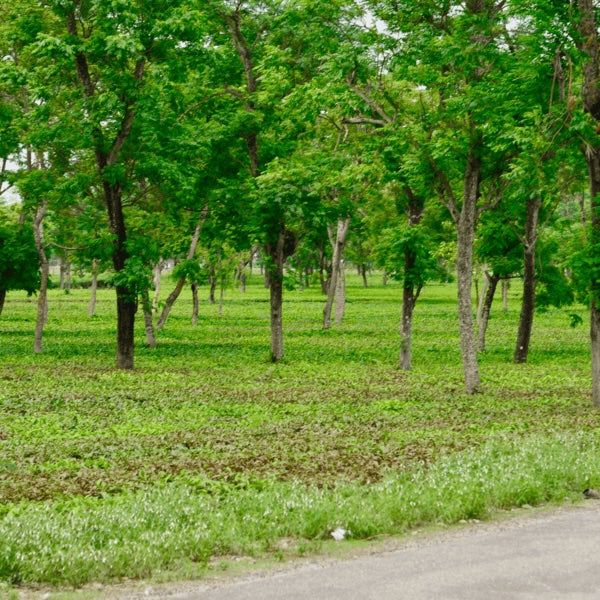
Tree Plantation for SDG - Support Sustainable Development Goals
Tree plantation for SDG initiatives represents a powerful pathway to achieving multiple...
-
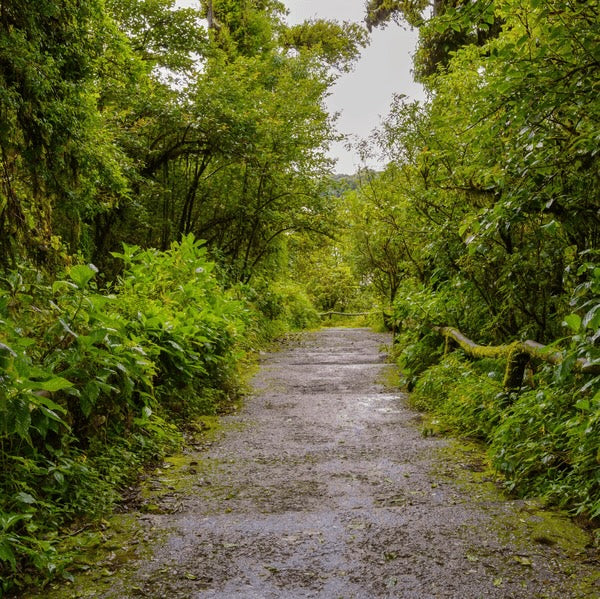
Corporate Tree Plantation Programs - Sustainable ESG Environmental Solutions for Net Zero Targets
Transform your organization's environmental impact with our comprehensive Corporate Tree Plantation Programs...
-
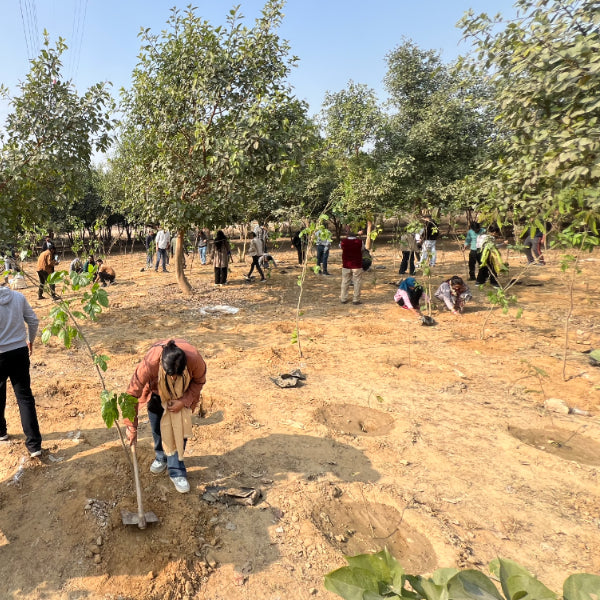
Tree Plantation by Location - Plant Trees Across India
Transform landscapes nationwide through our comprehensive tree plantation by location program. When...
Most Popular Tree Plantations - Top Choices for Environmental Impact
-
Trees for Birthday Celebration: Plant Meaningful Green Gifts
Regular price ₹ 299Regular priceUnit price per -
Trees for Mother
Regular price ₹ 299Regular priceUnit price per -
Trees as a Gift: Plant Hope & Create Lasting Environmental Impact
Regular price ₹ 299Regular priceUnit price per -
Trees to Honor the Memory of your Loved Ones
Regular price ₹ 299Regular priceUnit price per -
Trees for Krishna on Janmashtami - Sacred Divine Gift ₹299
Regular price ₹ 299Regular priceUnit price per
Connect with us
-
👥 Corporates
If you are looking for:
- 🌲 Tree Plantation Events
- 📊 CSR Projects
📧 corporate@growbilliontrees.com
📞 +91 9699723523
💬 +91 9325931304 WhatsApp (Only)
🕒 Mon - Sat | 10am - 7pm IST
-
🧩 Tree Plantation NGOs
If you are looking for:
- 💰 Financial Assistance
- 🤝 Operational Support
📧 support@growbilliontrees.com
📞 +91 9699723523
💬 +91 9325931304 WhatsApp (Only)
🕒 Mon - Sat | 10am - 7pm IST
-
🌼 Individuals
If you are looking for:
- 👥 Group Tree Plantation Drive
- 🌳 Bulk Tree Plantation
📞 +91 9699723523
💬 +91 9325931304 WhatsApp (Only)
🕒 Mon - Sat | 10am - 7pm IST
