
Sago Palm Tree: Ultimate Care Guide, Benefits & Landscape Ideas
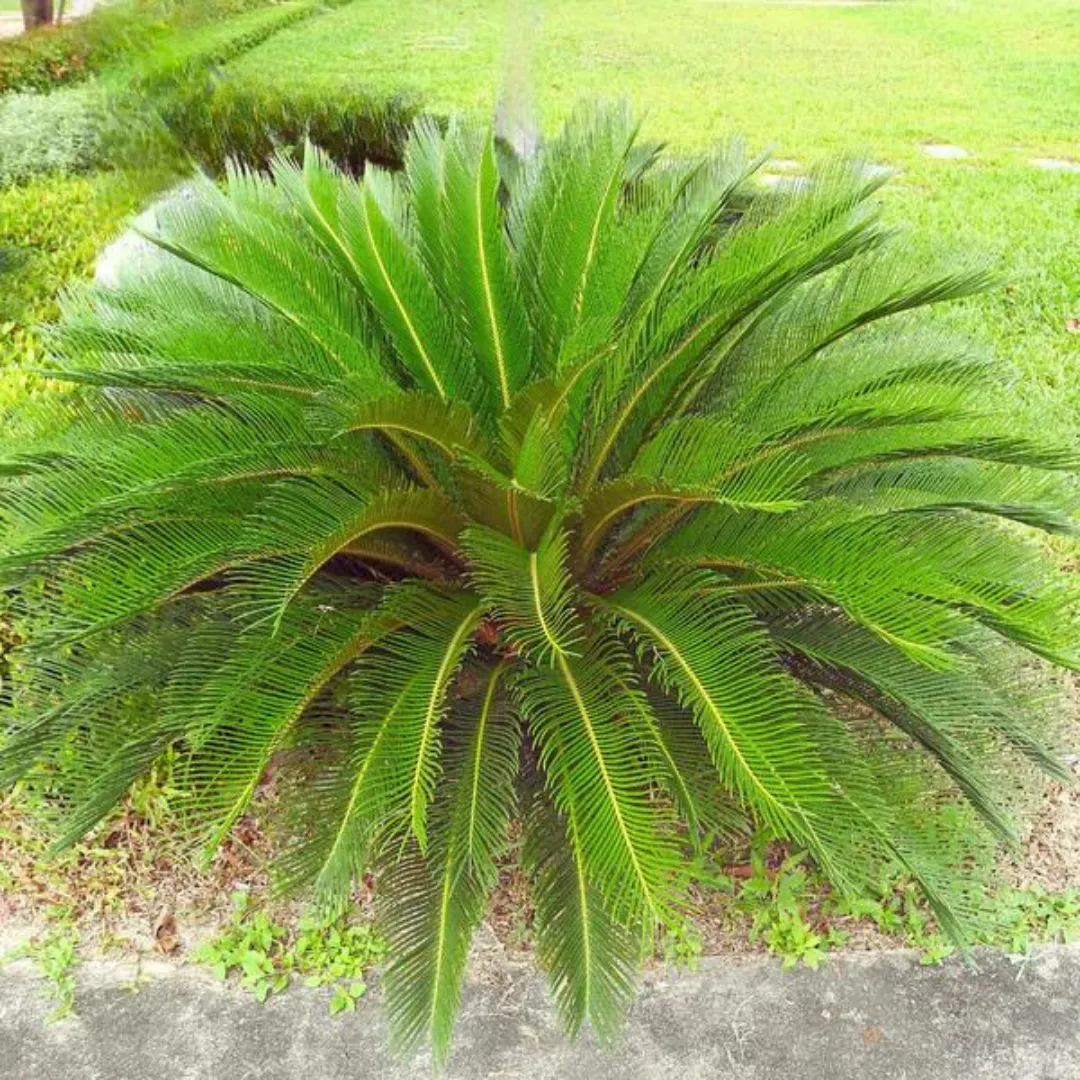
The Sago Palm Tree (Cycas revoluta) is an ancient cycad native to Japan's southern islands—not a true palm despite its common name. With feathery, dark green fronds extending up to 3 feet and over 200 million years of existence, it serves as a low-maintenance landscape centerpiece for gardeners.
The Sago Palm Tree (Cycas revoluta) stands as one of nature's most remarkable survivors, offering homeowners an extraordinary opportunity to cultivate a living piece of ancient history. Despite its name, this stunning plant isn't actually a palm but rather a cycad that has thrived for over 200 million years, making it one of Earth's oldest living species.
Native to the southern islands of Japan, the Sago Palm Tree has captured hearts worldwide with its distinctive feathery fronds and robust trunk-like stem. Whether you're seeking a low-maintenance landscape centerpiece or an exotic addition to your garden, this comprehensive guide will transform you into a confident Sago Palm cultivator.
✅ Understanding the Sago Palm Tree
Sago Palm Trees belong to the Cycadaceae family, distinguished by their prehistoric appearance and remarkable resilience. These ancient beauties feature thick, sturdy stems crowned with elegant, dark green fronds that can extend up to 3 feet in length.
The plant's scientific classification reveals its unique position in the plant kingdom. As members of the Cycadophyta division, they represent a bridge between ancient ferns and modern flowering plants, offering gardeners a glimpse into Earth's botanical past.
Scientific Classification & Historical Significance
The Sago Palm Tree holds deep cultural significance, particularly in Japan where it's revered in traditional gardens. Ancient civilizations once processed its starchy seeds into flour, though modern gardeners should note that all parts of the plant contain toxins requiring careful handling.
According to the United Nations Sustainable Development Goals, preserving ancient plant species like the Sago Palm contributes to global biodiversity conservation efforts.
⭐ Benefits of Growing Sago Palm Trees
Sago Palm Trees offer exceptional value for environmentally conscious gardeners seeking both beauty and sustainability. These remarkable plants provide multiple benefits that align with modern ecological principles.
Environmental Benefits
- Air Purification: Sago Palm Trees actively improve air quality by absorbing carbon dioxide and releasing fresh oxygen
- Wildlife Habitat: Their sturdy structure provides shelter for birds, beneficial insects, and small creatures
- Erosion Control: Deep root systems help stabilize soil and prevent erosion in challenging landscapes
- Biodiversity Support: As ancient species, they contribute to genetic diversity in garden ecosystems
Practical Advantages
- Low Maintenance: Drought-tolerant nature requires minimal ongoing care once established
- Longevity: Can live over 100 years, providing generations of enjoyment
- Versatile Design: Complements tropical, Mediterranean, and modern landscape styles
- Container Friendly: Thrives in large pots for patios and indoor spaces
The United Nations Environment Programme emphasizes the importance of cultivating diverse plant species to support global ecosystem health.
🌱 Complete Sago Palm Tree Care Guide
Mastering Sago Palm Tree care requires understanding their unique needs and ancient adaptations. Follow these expert guidelines to ensure your plant thrives for decades.
→ Planting Your Sago Palm Tree
Select a location with well-draining soil and partial to full sunlight exposure. Sago Palm Trees tolerate various soil types but flourish in sandy or loamy mixtures with excellent drainage.
Dig a planting hole twice the width of the root ball but no deeper than the original container. Position the plant at the same depth it was growing previously, ensuring the crown remains above soil level.
→ Watering Requirements
Sago Palm Trees prefer a "dry-wet" cycle, allowing soil to dry between waterings. During spring and summer growing seasons, water deeply every two weeks. Reduce frequency in fall and winter to prevent root rot.
Pro Tip: 💡 Insert your finger 2-3 inches into the soil; if dry, it's time to water thoroughly.
→ Fertilization Schedule
Feed your Sago Palm Tree with balanced fertilizer during active growing months (March through September). Choose formulations high in potassium and magnesium to promote healthy frond development and vibrant coloration.
Apply fertilizer every 6-8 weeks during growing season, following package directions carefully to avoid over-fertilization damage.
→ Pruning & Maintenance
Remove only completely yellow or brown fronds using clean, sharp pruning shears. Never cut green fronds, as they provide essential nutrients to the plant. Prune close to the trunk without damaging the main stem.
⚠️ Important: Wear gloves when handling Sago Palm Trees, as all parts contain toxic compounds.
→ Pest Management
While generally pest-resistant, Sago Palm Trees occasionally face scale insects and mealybugs. Inspect fronds regularly and treat infestations with insecticidal soap or neem oil applications.
Maintain good air circulation around plants and avoid overwatering to prevent most pest and disease issues naturally.
🏡 Stunning Landscape Ideas with Sago Palm Trees
Transform your outdoor space into a botanical masterpiece with these creative Sago Palm Tree landscape designs that showcase their ancient beauty.
Tropical Paradise Design
Create an exotic retreat by pairing Sago Palm Trees with lush tropical companions like hibiscus, bird of paradise, and colorful bromeliads. Add a water feature such as a bubbling fountain or koi pond to complete the tropical atmosphere.
Layer plants at different heights, using the Sago Palm as an architectural anchor point surrounded by softer, flowering species.
Modern Minimalist Gardens
Embrace contemporary design by featuring Sago Palm Trees as sculptural focal points in minimalist landscapes. Surround them with clean gravel pathways, geometric planters, and sleek outdoor lighting.
Combine with architectural grasses like fountain grass or blue fescue for textural contrast while maintaining the clean, modern aesthetic.
Mediterranean Courtyard Style
Channel Mediterranean charm by grouping Sago Palm Trees with lavender, rosemary, and olive trees in terracotta containers. Use natural stone pavers and warm-colored gravel to create authentic Mediterranean ambiance.
This combination thrives in sunny, well-drained locations and requires minimal water once established.
Container Garden Showcase
Maximize small spaces by growing Sago Palm Trees in large, decorative containers. Choose pots at least 24 inches wide with drainage holes, filling them with premium potting mix designed for palms and cycads.
Arrange multiple containers at varying heights to create visual interest on patios, decks, or balconies.
🌍 Environmental Impact & Conservation
Sago Palm Trees play crucial roles in ecosystem health and biodiversity preservation. As ancient species, they represent living links to Earth's botanical heritage and deserve protection for future generations.
Their ability to thrive in challenging conditions makes them valuable for landscape restoration projects and erosion control initiatives. The World Wildlife Fund's forest conservation programs recognize the importance of preserving ancient plant species like cycads.
By cultivating Sago Palm Trees in home landscapes, gardeners contribute to species preservation while creating habitats for local wildlife. These plants support biodiversity by providing shelter and food sources for various creatures.
💡 Expert Tips for Sago Palm Success
- Patience is Key: Sago Palm Trees grow slowly, typically producing one new flush of fronds annually
- Gender Matters: Female plants produce large, orange seed cones while males develop smaller, cylindrical cones
- Temperature Tolerance: Hardy in USDA zones 8-11, but can survive brief cold snaps with protection
- Propagation: Grow new plants from offsets (pups) that develop around the base of mature specimens
- Indoor Growing: Provide bright, indirect light and good air circulation for houseplant success
Connecting with Grow Billion Trees Mission
At Grow Billion Trees, we understand that every plant contributes to our mission of Combating Climate Change Through Collective Action. While our primary focus involves planting 100 crore trees across India, we recognize that cultivating diverse species like Sago Palm Trees in home landscapes supports broader environmental goals.
Our 2-3ft Tree Planting + 3 Years Care + GeoTag program demonstrates our commitment to long-term plant success. When you Plant a tree in your Name for just ₹299, you join thousands of environmentally conscious individuals working toward Net Zero Targets through meaningful action.
Further reading: Ivory Palm: Complete Growing Guide for This Tropical Beauty · Royal Palm Tree: The Ultimate Guide to Cultivating Tropical Elegance
Frequently Asked Questions
How fast do Sago Palm Trees grow?
Sago Palm Trees are extremely slow-growing, typically producing only one new flush of fronds per year. Mature plants may take 10-15 years to develop their characteristic trunk appearance, making patience essential for successful cultivation.
Are Sago Palm Trees toxic to pets and children?
Yes, all parts of Sago Palm Trees contain cycasin, a highly toxic compound. Keep these plants away from children and pets, as ingestion can cause serious health problems. Always wear gloves when pruning or handling the plant.
Can Sago Palm Trees survive winter outdoors?
Sago Palm Trees are cold-hardy in USDA zones 8-11 and can tolerate brief temperature drops to around 20°F (-6°C). In colder regions, grow them in containers and move indoors during winter months.
Why are my Sago Palm fronds turning yellow?
Yellow fronds typically indicate natural aging, overwatering, or nutrient deficiency. Remove completely yellow fronds and adjust watering schedule. If multiple fronds yellow simultaneously, check soil drainage and consider fertilizing.
How often should I repot container-grown Sago Palm Trees?
Repot Sago Palm Trees every 3-4 years or when roots become severely pot-bound. Choose a container only slightly larger than the previous one, as these plants prefer somewhat crowded root conditions.
Do Sago Palm Trees need full sun?
Sago Palm Trees tolerate full sun to partial shade but perform best with morning sun and afternoon protection in hot climates. Provide at least 4-6 hours of direct sunlight daily for optimal growth and frond development.
Can I grow Sago Palm Trees indoors?
Yes, Sago Palm Trees make excellent houseplants when provided with bright, indirect light and good air circulation. Place near south or west-facing windows and rotate regularly for even growth.
What's the difference between male and female Sago Palm Trees?
Female Sago Palm Trees produce large, orange seed cones, while males develop smaller, cylindrical pollen cones. Both types are equally attractive as landscape plants, though females require more energy to produce seeds.
How do I propagate Sago Palm Trees?
Propagate Sago Palm Trees by carefully removing offsets (pups) that develop around the base of mature plants. Allow cut surfaces to dry for several days before planting in well-draining soil mix.
What pests commonly affect Sago Palm Trees?
Scale insects and mealybugs are the most common pests affecting Sago Palm Trees. Regular inspection and treatment with insecticidal soap or neem oil effectively controls most infestations when caught early.The Sago Palm Tree represents more than just another landscape plant—it's a living testament to nature's incredible resilience and beauty. By incorporating these ancient giants into our gardens, we create spaces that honor Earth's botanical heritage while supporting modern environmental goals. Whether you choose a single specimen as a dramatic focal point or create an entire collection, Sago Palm Trees will reward your care with decades of stunning beauty and ecological benefits.Ready to start your own ancient garden legacy? Explore our sustainable gardening resources and discover how every plant choice contributes to a greener, more beautiful world.
Keep reading
 Ivory Palm: Complete Growing Guide for This Tropical Beauty
 Royal Palm Tree: The Ultimate Guide to Cultivating Tropical Elegance
 Jelly Palm Tree: The Ultimate Guide to Growing Butia Capitata
 Elephant Foot Tree: The Ultimate Guide to Caring for Your Unique Houseplant
 Ceylon Date Palm Tree: Discover the Secrets to Growing Nature's Sweetest Treasure


Leave a comment