
Shirish Tree: Unveiling the Ancient Healer and Nature’s Green Miracle for Health and Sustainability
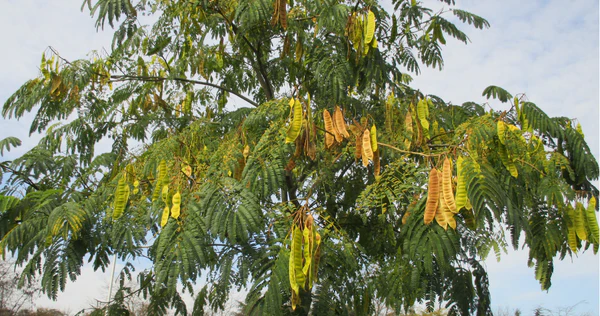
The Shirish Tree (Albizia lebbeck), native to South Asia, is a fast-growing deciduous species valued in Ayurvedic medicine as "Vishaghna," the poison-destroyer. Traditionally used for detoxification, respiratory health, and skin treatments, it also contributes to ecological sustainability through its role in forest ecosystems and as a roadside or garden tree.
The Shirish Tree (Albizia lebbeck), often referred to as the "Siris Tree," is an extraordinary gift from nature.
Known for its medicinal properties, ecological contributions, and cultural significance, this tree has been revered for centuries.
From its role in ancient healing traditions to its modern applications in sustainability, the Shirish Tree stands as a testament to nature's resilience and generosity.
Let’s explore its fascinating history, health benefits, environmental impact, and the hidden wonders that make the Shirish Tree a true green miracle.
What is the Shirish Tree? 🌳
The Shirish Tree, a fast-growing deciduous species, belongs to the Fabaceae family. Native to South Asia, it thrives in tropical and subtropical climates, often found in forests, roadsides, and gardens.
Its feathery leaves and fragrant yellowish-green flowers make it a standout in any landscape.
Scientific Classification:
- Kingdom: Plantae
- Family: Fabaceae
- Genus: Albizia
- Species: Albizia lebbeck
Known as the "Woman’s Tongue Tree" due to the rattling sound its pods make in the wind, this tree is as charming as it is useful.
Historical and Cultural Significance
The Shirish Tree holds a revered place in Ayurvedic texts, where it is called “Vishaghna,” meaning "poison-destroyer." Ancient Indian texts like the Charaka Samhita highlight its use in detoxification, respiratory health, and skin treatments.
In traditional Indian villages, the tree was planted near homes for its shade and believed ability to purify the air. Its wood was also used for furniture and construction, showcasing its multifaceted utility.
Fun Fact:
The tree’s pods were historically used as natural rattles for children, blending play with nature’s bounty.
Medicinal Properties of the Shirish Tree 🩺
The Shirish Tree is a powerhouse of health benefits, with almost every part—bark, leaves, flowers, and pods—offering therapeutic uses. Its bioactive compounds include flavonoids, saponins, and alkaloids, making it a staple in traditional medicine.
Key Health Benefits:
- Detoxification: Known as a natural detoxifier, it helps remove toxins from the body and supports liver health.
- Respiratory Relief: Its bark and leaves are used to treat asthma, bronchitis, and other respiratory ailments.
- Skin Health: Shirish paste is effective for treating skin conditions like eczema, rashes, and acne.
- Anti-inflammatory: It reduces inflammation and pain, making it useful for arthritis and joint issues.
- Antimicrobial: Its extracts combat bacterial and fungal infections, acting as a natural antibiotic.
Scientific Validation:
Research in the Asian Pacific Journal of Tropical Biomedicine highlights the Shirish Tree’s role in managing oxidative stress and its potential as a natural anti-inflammatory agent.
Environmental Importance 🌍
The Shirish Tree isn’t just a medicinal marvel—it’s an environmental champion. Its rapid growth, dense canopy, and ability to thrive in poor soils make it invaluable for restoring degraded lands.
Ecological Contributions:
- Air Purification: The tree absorbs pollutants and releases oxygen, improving air quality in urban areas.
- Soil Enrichment: As a nitrogen-fixing tree, it enhances soil fertility, making it ideal for agroforestry.
- Biodiversity Support: It provides shelter and food for birds, insects, and small animals, contributing to vibrant ecosystems.
- Climate Resilience: Its drought-resistant nature and carbon sequestration ability help combat climate change.
Fun Fact:
The tree’s shade is so dense that it’s often called a "living umbrella," making it a favorite for parks and roadside planting.
Shirish Tree in Landscaping and Agroforestry
The Shirish Tree’s adaptability and aesthetic appeal make it a popular choice for landscaping and agroforestry. Its ability to grow quickly and withstand harsh conditions makes it ideal for urban greening and reforestation projects.
Tips for Planting and Care:
- Soil: It thrives in well-drained sandy or loamy soils but can adapt to poorer conditions.
- Sunlight: Plant in full sun for optimal growth and flowering.
- Watering: Water moderately during its early growth stage; it becomes drought-tolerant once established.
- Pruning: Regular pruning encourages a healthier canopy and faster growth.
Its versatility ensures it can be used as a shade tree, windbreak, or ornamental addition to gardens.
Shirish Tree in Modern Research
Modern science is delving into the Shirish Tree’s bioactive compounds, exploring its potential in pharmaceuticals and environmental applications.
Promising Discoveries:
- Cancer Research: Early studies suggest that its flavonoids may have anti-cancer properties.
- Air Pollution Control: Its ability to absorb heavy metals and toxins makes it a candidate for urban pollution management.
- Natural Pesticides: The tree’s extracts are being tested as eco-friendly alternatives to chemical pesticides.
These findings reinforce the Shirish Tree’s position as a sustainable solution to modern challenges.
Cultural Symbolism
In Indian culture, the Shirish Tree symbolizes resilience and purification. Its association with Ayurvedic healing and its role in purifying surroundings make it a symbol of vitality and well-being.
Fun Fact:
The rattling pods of the Shirish Tree are often used in folk music as natural percussion instruments, blending utility with artistry.
Conservation and Sustainability
Despite its resilience, the Shirish Tree faces threats from deforestation and habitat loss. Promoting its planting in urban and rural areas is essential for preserving its ecological and medicinal benefits.
Conservation Tips:
- Include Shirish Trees in reforestation and urban greening projects.
- Educate communities about its ecological and health benefits.
- Encourage its use in agroforestry to enhance soil fertility and biodiversity.
How to Harness the Benefits of the Shirish Tree
- Herbal Remedies: Use its bark or leaves to make teas and poultices for detoxification and skin care.
- Gardening: Plant it as a shade tree or decorative addition to gardens and parks.
- Ecosystem Restoration: Use it for soil enrichment and reforestation projects.
Conclusion
The Shirish Tree (Albizia lebbeck) is a remarkable blend of beauty, utility, and resilience. From its ancient role in Ayurvedic medicine to its modern contributions to environmental sustainability, it remains a symbol of nature’s wisdom and generosity.
Whether you’re a nature enthusiast, an urban planner, or a health-conscious individual, the Shirish Tree offers something for everyone.
Further reading: Keshiya Sayma Tree: Unveiling the Hidden Marvels and Healing Secrets of Nature’s Evergreen Treasure · Kalmegh Plant: Immunity Booster, Bitter Wonder, and Ayurvedic Powerhouse
Frequently Asked Questions
What is the Shirish Tree?
The Shirish Tree, scientifically known as Albizia lebbeck, is a fast-growing deciduous tree famous for its medicinal, ecological, and cultural significance across South Asia and beyond.
Why is the Shirish Tree called the "poison-destroyer"?
In Ayurveda, it’s called “Vishaghna” for its ability to detoxify the body, making it a natural remedy for toxins and allergies.
What are the health benefits of the Shirish Tree?
It supports respiratory health, soothes inflammation, detoxifies the body, and treats skin ailments, proving its worth as nature’s green healer.
How does the Shirish Tree purify air?
This tree absorbs pollutants and releases oxygen, acting as a natural air purifier that improves urban and rural air quality.
Is the Shirish Tree used in Ayurveda?
Absolutely! Ayurveda praises it for detoxification, respiratory health, and its anti-inflammatory and antimicrobial properties, making it a staple in traditional remedies.
Can the Shirish Tree improve soil health?
Yes, as a nitrogen-fixing tree, it enriches soil fertility and prevents erosion, making it a valuable addition to sustainable farming practices.
What are the cultural associations of the Shirish Tree?
In Indian tradition, it symbolizes vitality and purification, often planted near homes for shade and its believed ability to cleanse the air.
How does the Shirish Tree support biodiversity?
Its dense canopy and fragrant flowers attract birds, bees, and other wildlife, creating vibrant ecosystems wherever it grows.
What are the medicinal uses of Shirish Tree bark and leaves?
They are used to treat asthma, skin conditions, and inflammation, blending ancient wisdom with practical healing solutions.
Can the Shirish Tree thrive in poor soils?
Yes, its adaptability to poor soils and drought-resistance make it ideal for degraded lands and challenging environments.
Why is it important to conserve the Shirish Tree?
Conserving this tree safeguards its ecological role, medicinal properties, and cultural significance for future generations amidst deforestation threats.
What modern research is being conducted on the Shirish Tree?
Studies are exploring its anti-cancer, antimicrobial, and pollution-absorbing potential, giving this ancient tree a modern scientific spotlight.
Keep reading
 Siris Tree: Harmonizing Nature and Culture in the Tropics
 Keshiya Sayma Tree: Unveiling the Hidden Marvels and Healing Secrets of Nature’s Evergreen Treasure
 Kalmegh Plant: Immunity Booster, Bitter Wonder, and Ayurvedic Powerhouse
 Paras Pipal Tree: Sacred Shade, Medicinal Properties, and Environmental Benefits
 Durva Grass: Unveiling the Sacred Green Secret for Health, Spirituality, and Sustainability


Comments
Leave a comment