
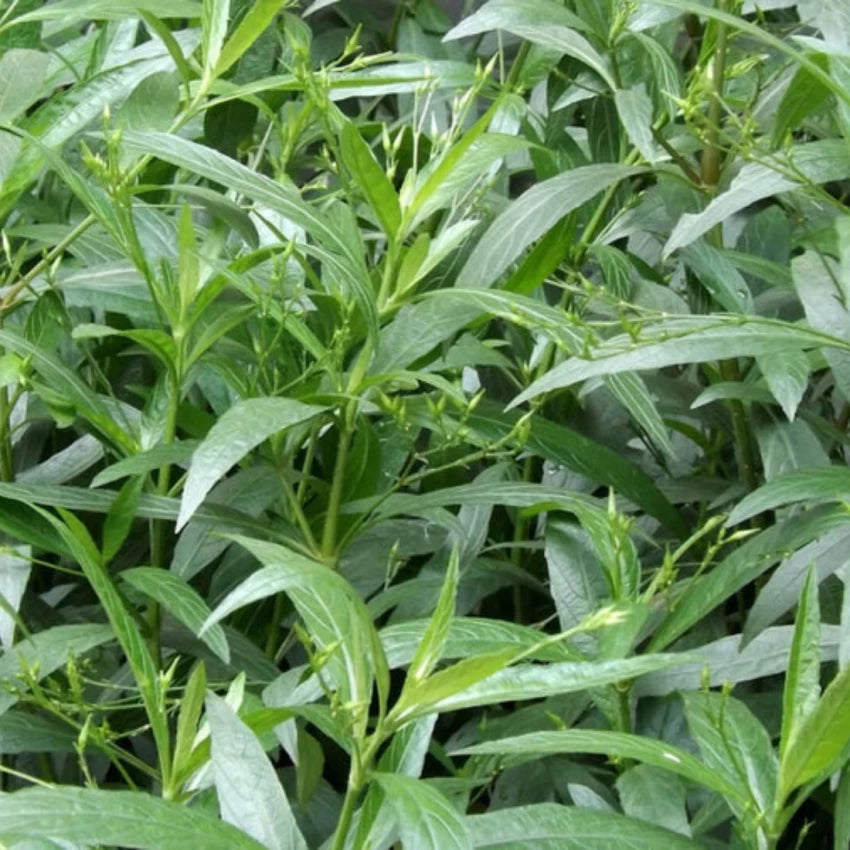
Kalmegh (Andrographis paniculata), known as the 'King of Bitters,' is a herbaceous medicinal plant native to South and Southeast Asia used in Ayurvedic, Siddha, and Unani medicine. The primary bioactive compound andrographolide is responsible for its Read more
Trending Tree Plantations - Most Popular Environmental Programs
-
Trees for Birthday Celebration: Plant Meaningful Green Gifts
Regular price ₹ 299Regular priceUnit price per -
Trees for Mother
Regular price ₹ 299Regular priceUnit price per -
Trees as a Gift: Plant Hope & Create Lasting Environmental Impact
Regular price ₹ 299Regular priceUnit price per -
Trees to Honor the Memory of your Loved Ones
Regular price ₹ 299Regular priceUnit price per -
Trees for Women's Day (8th Mar)
Regular price ₹ 299Regular priceUnit price per


Trees for Corporates - Achieve Net Zero Targets Through Strategic Tree Planting
-
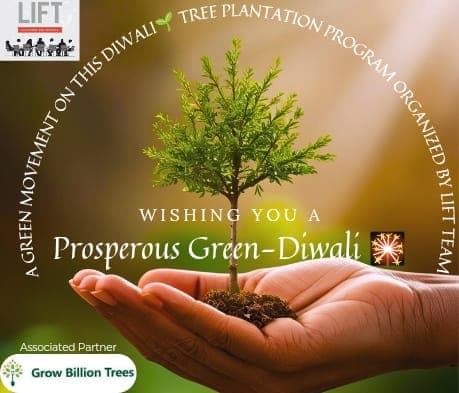 Project Closed
Trees by LIFT Team for Green Diwali: Transform Your Festival
Regular price ₹ 299Regular priceUnit price per -
Trees for a Greener Tomorrow - by Mahindra Lifespaces
Regular price ₹ 299Regular priceUnit price per -
Trees for Environment Day: Plant Your Impact on June 5th
Regular price ₹ 299Regular priceUnit price per -
Trees for Farmers: Sustainable Agroforestry Solutions for 2026
Regular price ₹ 299Regular priceUnit price per -
Trees for Employees: Transform Your Corporate Culture in 2026
Regular price ₹ 299Regular priceUnit price per


Kalmegh Plant: Immunity Booster, Bitter Wonder, and Ayurvedic Powerhou
Kalmegh (Andrographis paniculata), known as the 'King of Bitters,' is a herbaceous medicinal plant native to South and Southeast Asia used in Ayurvedic, Siddha, and Unani medicine. The primary bioactive compound andrographolide is responsible for its traditional use in boosting immunity and treating various ailments.
The Kalmegh Tree, scientifically known as Andrographis paniculata and commonly referred to as the "King of Bitters," is a medicinal powerhouse revered in traditional medicine systems like Ayurveda, Siddha, and Unani.
With its potent bioactive compounds and incredible therapeutic properties, the Kalmegh Tree has become a cornerstone of natural remedies for boosting immunity and treating various ailments.
In this blog, we will explore the Kalmegh Tree in detail, delving into its scientific significance, historical uses, environmental impact, and modern applications.
This green miracle deserves the spotlight for its profound impact on health, medicine, and ecological balance.
What is the Kalmegh Tree?
The Kalmegh Tree is a small, herbaceous plant native to South and Southeast Asia. Known for its intensely bitter taste, this tree-like herb is a treasure trove of bioactive compounds, particularly andrographolide, which is the key to its medicinal properties.
Scientific Classification:
- Kingdom: Plantae
- Family: Acanthaceae
- Genus: Andrographis
- Species: Andrographis paniculata
Physical Characteristics:
- Height: Grows up to 1–1.5 meters (3–5 feet).
- Leaves: Narrow, lance-shaped, and dark green.
- Flowers: Small, tubular, and purple with white markings.
- Taste: Extremely bitter, earning it the nickname “King of Bitters.”
Historical and Cultural Significance
1. Ancient Healing Herb:
The Kalmegh Tree has been used for thousands of years in traditional medicine for treating infections, fever, and digestive disorders. It is often called "Mahatikta" in Ayurveda, meaning "great bitterness."
2. Pandemic Remedy:
Historically, Kalmegh played a pivotal role in combating malaria, cholera, and other epidemics, thanks to its potent anti-inflammatory and antimicrobial properties.
3. Unani and Siddha Medicine:
In Unani medicine, Kalmegh is used as a blood purifier and liver tonic, while Siddha practitioners use it to boost overall vitality.
4. Ayurvedic Formulations:
Kalmegh is a key ingredient in Ayurvedic preparations like Kalmeghasava and Kalmeghadi Churna, prescribed for liver health and immunity.
Ecological Importance of the Kalmegh Tree
1. Soil Health:
The Kalmegh Tree enhances soil quality by adding organic matter through leaf litter, improving fertility over time.
2. Low Maintenance Crop:
Kalmegh is highly resilient, requiring minimal water and care, making it a sustainable option for farming in arid regions.
3. Pollinator Support:
The plant’s small flowers attract bees and other pollinators, supporting biodiversity in agricultural landscapes.
Health Benefits and Medicinal Uses
The Kalmegh Tree is a pharmacological marvel, offering a plethora of health benefits backed by modern science.
1. Immune Booster:
Kalmegh stimulates the production of white blood cells, enhancing the body’s ability to fight infections.
2. Liver Detoxifier:
Known as a hepatoprotective herb, Kalmegh helps detoxify the liver, reduce inflammation, and promote overall liver health.
3. Anti-inflammatory Properties:
The andrographolide compound in Kalmegh reduces inflammation, making it effective for conditions like arthritis and asthma.
4. Antimicrobial Action:
Kalmegh exhibits strong antibacterial, antifungal, and antiviral properties, making it a natural remedy for infections.
5. Digestive Health:
Its bitter compounds stimulate bile production, aiding digestion and alleviating indigestion, acidity, and constipation.
6. Fever Management:
Kalmegh is traditionally used to reduce fever, including those caused by malaria and typhoid.
7. Anti-Cancer Potential:
Studies suggest that andrographolide may have anti-cancer properties, inhibiting the growth of cancer cells and reducing tumor progression.
Fun Facts About the Kalmegh Tree
- Bitter Champion: Kalmegh is so bitter that even grazing animals avoid it, protecting it from overgrazing.
- Pandemic Hero: During the global COVID-19 pandemic, Kalmegh was studied for its potential to boost immunity and reduce inflammation.
- Low Maintenance Plant: It thrives in poor soil and requires minimal care, making it an excellent choice for sustainable farming.
- Global Recognition: Known as "Green Chiretta" internationally, Kalmegh is gaining popularity in the global herbal medicine market.
- Adaptable Growth: Kalmegh grows equally well in tropical rainforests and arid lands, showcasing its resilience.
How to Grow and Care for a Kalmegh Tree
Growing the Kalmegh Tree is simple, making it an ideal addition to gardens, farms, and community landscapes.
1. Ideal Growing Conditions:
- Climate: Prefers warm, tropical climates but can adapt to subtropical regions.
- Soil: Thrives in well-drained, sandy, or loamy soil.
2. Planting:
- Propagate using seeds or cuttings.
- Plant in a sunny or partially shaded location.
3. Maintenance:
- Watering: Requires minimal watering; overwatering should be avoided.
- Pruning: Remove dead or yellowing leaves to encourage healthy growth.
- Fertilization: Use organic compost for better yield.
Modern Applications of the Kalmegh Tree
The Kalmegh Tree’s therapeutic properties have inspired a wide range of modern applications in healthcare and wellness.
1. Herbal Supplements:
Kalmegh is processed into capsules, powders, and tinctures, widely used as immunity boosters and liver tonics.
2. Pharmaceutical Industry:
Andrographolide is being explored for its potential in treating viral infections, inflammatory diseases, and cancer.
3. Functional Foods:
Kalmegh extracts are added to health drinks, teas, and herbal blends for their detoxifying and immunity-enhancing benefits.
4. Sustainable Farming:
Kalmegh is used as a companion crop for pest control due to its natural insect-repellent properties.
Environmental and Economic Impact
1. Livelihood Opportunities:
The growing demand for Kalmegh in the herbal and pharmaceutical industries provides income for farmers and rural communities.
2. Sustainable Agriculture:
Kalmegh’s low resource requirements and pest-resistant nature make it a sustainable crop for small-scale farmers.
3. Climate Adaptation:
Kalmegh’s resilience to harsh conditions makes it a valuable species for combating desertification and supporting climate-resilient farming.
Challenges and Conservation Efforts
Despite its benefits, the Kalmegh Tree faces challenges that need attention.
1. Overharvesting:
The increasing demand for Kalmegh in traditional medicine and supplements has led to overharvesting in the wild.
2. Habitat Loss:
Deforestation and land-use changes threaten its natural habitats in some regions.
Conservation Measures:
- Promote sustainable cultivation practices.
- Encourage the cultivation of Kalmegh in home gardens and community projects.
- Raise awareness about its ecological and medicinal value.
Conclusion
The Kalmegh Tree is truly a green miracle, blending unmatched medicinal properties with ecological and economic benefits. From boosting immunity to supporting sustainable farming, this resilient plant has far-reaching potential to transform health and the environment.
By planting and preserving the Kalmegh Tree, we contribute to a healthier planet and promote natural healing. Whether you’re a health enthusiast, a farmer, or an environmentalist, the Kalmegh Tree is a valuable ally in achieving wellness and sustainability.
Celebrate the power of the Kalmegh Tree and let its benefits inspire a greener, healthier future. 🌿✨
Frequently Asked Questions
What is the Kalmegh plant and why is it called a bitter wonder?
Kalmegh, also known as the “King of Bitters,” is a powerful Ayurvedic herb famous for boosting immunity, detoxifying the body, and supporting overall health. Its bitter taste is the secret behind its impressive medicinal benefits.
How can I grow Kalmegh at home?
Growing Kalmegh is simple. Plant it in well-drained soil with partial sunlight, water moderately, and let this herbal powerhouse thrive in your garden.
What are the health benefits of Kalmegh?
Kalmegh boosts immunity, supports liver health, aids digestion, and combats infections. It’s the herbal multitasker your wellness routine needs.
Is Kalmegh good for the liver?
Absolutely! Kalmegh is a natural liver detoxifier, flushing out toxins and promoting better liver function. It’s like a bitter cleanse your liver will love.
Can Kalmegh improve immunity?
Yes! Kalmegh’s antioxidant and anti-inflammatory properties strengthen your immune system, making it more resilient against infections and illnesses.
What are the uses of Kalmegh leaves?
Kalmegh leaves are used in teas, powders, and extracts to treat fevers, infections, and digestive issues. They’re small, bitter, and packed with health benefits.
How does Kalmegh help with respiratory health?
Kalmegh reduces inflammation, clears airways, and combats respiratory infections. It’s your herbal remedy for colds, coughs, and congestion.
What are the benefits of Kalmegh powder?
Kalmegh powder is an easy way to enjoy its benefits. Add it to water or tea to boost immunity, aid digestion, and detoxify your system.
Can Kalmegh help with skin problems?
Yes! Kalmegh’s antimicrobial properties make it effective against acne, rashes, and other skin issues. It’s the bitter beauty solution your skin deserves.
How does Kalmegh support digestion?
Kalmegh stimulates digestive enzymes, reduces bloating, and combats acidity. It’s the herbal tonic that keeps your stomach happy and healthy.
What is Kalmegh’s role in detoxification?
Kalmegh is a natural detoxifier, cleansing the liver and flushing out toxins. It’s like a full-body reset, delivered in one bitter herbal dose.
Why is Kalmegh important in Ayurveda?
Kalmegh has been a staple in Ayurveda for centuries, treating fevers, infections, and digestive problems. It’s the ancient herb that continues to prove its worth in modern wellness.
You may also like
-
Gift a Tree - Meaningful Environmental Gifts That Make a Difference
Transform your gift-giving with meaningful environmental gifts that create lasting impact for...
-
Trees For Shiv Ji - Sacred Tree Planting to Honor Lord Shiva
Honor Lord Shiva through sacred tree planting with Trees For Shiv Ji,...
-

Tree Plantations for Shri Ram - Sacred Devotional Planting Services
Honor Lord Shri Ram through meaningful tree plantations for Shri Ram that...
-
Tree Plantation on Navratri - Celebrate Divine Festivals with Environmental Devotion
Tree plantation on Navratri transforms the sacred nine-day festival into a powerful...
-
Tree Plantation by Cause - Plant Trees for Every Purpose | Grow Billion Trees
Transform your environmental impact with purpose-driven tree plantation by cause programs that...
Corporate Plantations
-
Trees for Corporates - Achieve Net Zero Targets Through Strategic Tree Planting
Trees for Corporates - Strategic Environmental SolutionsTransform your corporate environmental impact with...
-
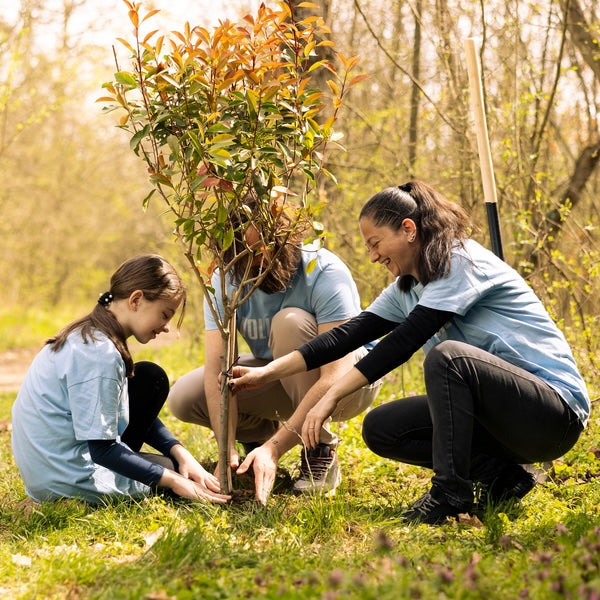
Tree Plantation for CSR - Corporate Environmental Programs | Grow Billion Trees
Tree Plantation for CSR - Transform Your Corporate Environmental ImpactTree plantation for...
-
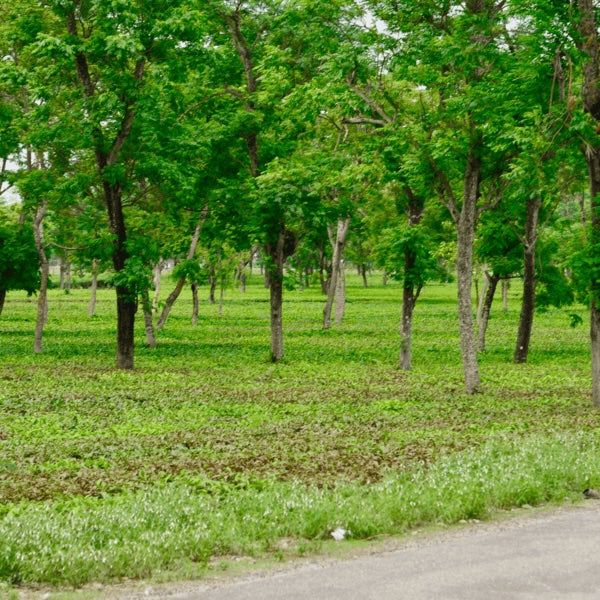
Tree Plantation for SDG - Support Sustainable Development Goals
Tree plantation for SDG initiatives represents a powerful pathway to achieving multiple...
-
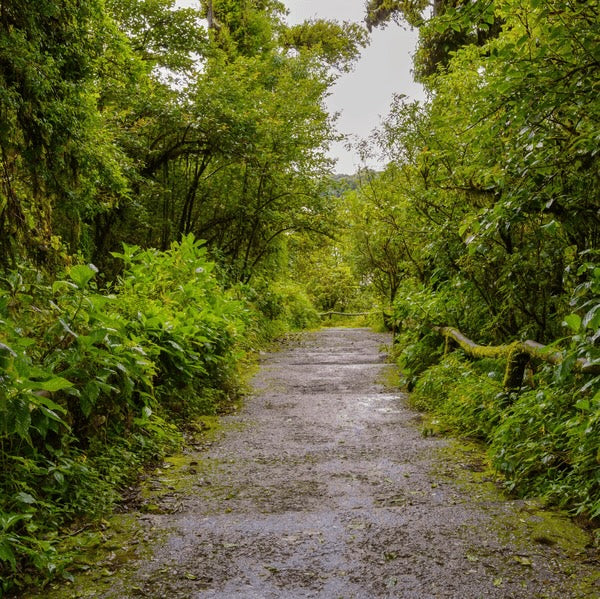
Corporate Tree Plantation Programs - Sustainable ESG Environmental Solutions for Net Zero Targets
Transform your organization's environmental impact with our comprehensive Corporate Tree Plantation Programs...
-
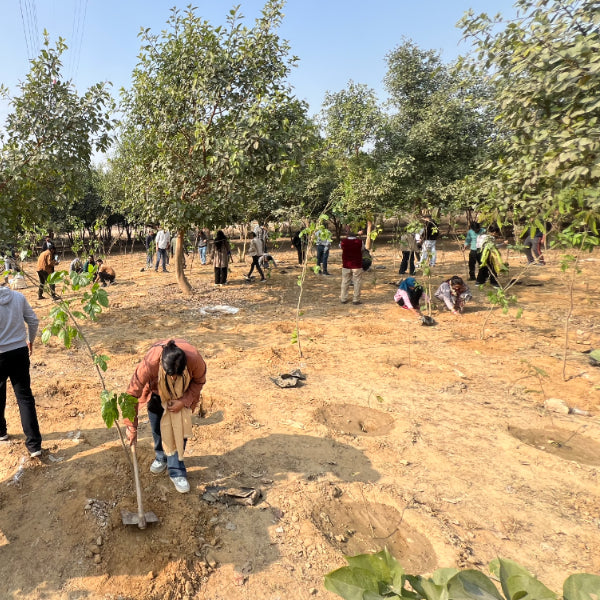
Tree Plantation by Location - Plant Trees Across India
Transform landscapes nationwide through our comprehensive tree plantation by location program. When...
Most Popular Tree Plantations - Top Choices for Environmental Impact
-
Trees for Birthday Celebration: Plant Meaningful Green Gifts
Regular price ₹ 299Regular priceUnit price per -
Trees for Mother
Regular price ₹ 299Regular priceUnit price per -
Trees as a Gift: Plant Hope & Create Lasting Environmental Impact
Regular price ₹ 299Regular priceUnit price per -
Trees to Honor the Memory of your Loved Ones
Regular price ₹ 299Regular priceUnit price per -
Trees for Krishna on Janmashtami - Sacred Divine Gift ₹299
Regular price ₹ 299Regular priceUnit price per

Connect with us
-
👥 Corporates
If you are looking for:
- 🌲 Tree Plantation Events
- 📊 CSR Projects
📧 corporate@growbilliontrees.com
📞 +91 9699723523
💬 +91 9325931304 WhatsApp (Only)
🕒 Mon - Sat | 10am - 7pm IST
-
🧩 Tree Plantation NGOs
If you are looking for:
- 💰 Financial Assistance
- 🤝 Operational Support
📧 support@growbilliontrees.com
📞 +91 9699723523
💬 +91 9325931304 WhatsApp (Only)
🕒 Mon - Sat | 10am - 7pm IST
-
🌼 Individuals
If you are looking for:
- 👥 Group Tree Plantation Drive
- 🌳 Bulk Tree Plantation
📞 +91 9699723523
💬 +91 9325931304 WhatsApp (Only)
🕒 Mon - Sat | 10am - 7pm IST
