
Snakewood Tree: The Enigmatic Wonder of Nature That Will Leave You Spellbound
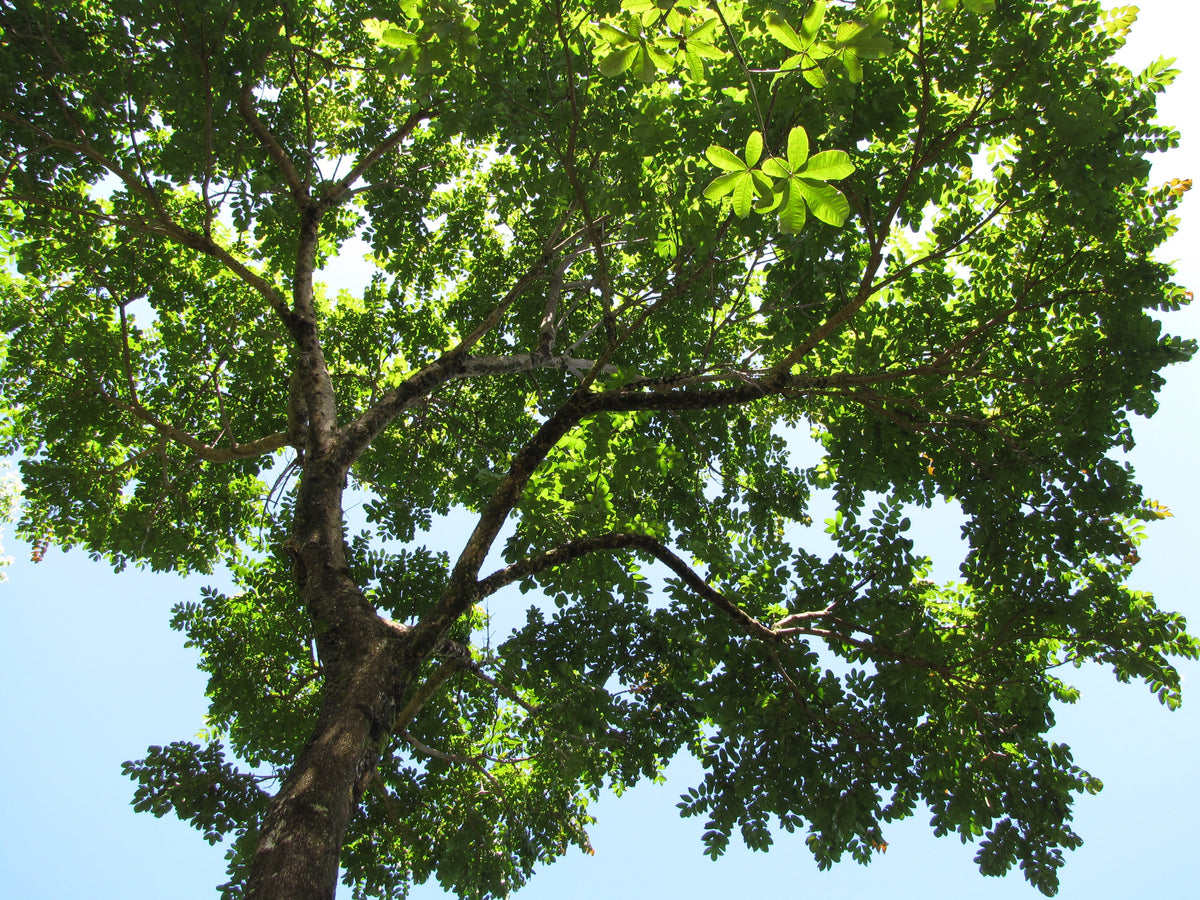
Snakewood (Dalbergia retusa) is a tropical South American tree native to Guyana and Suriname, prized for its distinctive serpentine grain pattern and reddish-brown wood. Growing to 15–20 metres tall with trunks up to 60 centimetres in diameter, it produces incredibly dense wood that sinks in water, making it exceptionally durable and resistant to decay.
The Snakewood tree, scientifically known as Dalbergia retusa, is a fascinating species that captivates the imagination of botanists, woodworkers, and nature enthusiasts alike.
This remarkable tree is native to the tropical regions of South America, particularly Guyana and Suriname, and is renowned for its unique, serpentine grain pattern and rich, reddish-brown color.
In this blog, we will delve into the enigmatic world of the Snakewood tree, exploring its scientific significance, historical context, environmental impact, and the efforts of organizations like Grow Billion Trees Partners to promote sustainable forestry practices in the regions where this extraordinary tree flourishes.
Scientific Characteristics of the Snakewood Tree
The Snakewood tree is a member of the Fabaceae family, which includes other well-known species like rosewood and mahogany.
Typically growing to heights of 15 to 20 meters, the tree features a dense, rounded crown and a trunk that can reach diameters of up to 60 centimeters. The bark of the Snakewood tree is dark brown and rough, while its leaves are compound and alternate, consisting of 5 to 9 leaflets that are glossy green in color.
One of the most striking features of the Snakewood tree is its wood, which is incredibly dense and heavy—often sinking in water.
This density contributes to its durability and resistance to decay, making it highly sought after for various applications, particularly in fine woodworking and musical instrument crafting. The unique grain pattern, resembling the skin of a snake, adds to its aesthetic appeal, making it a favorite among artisans and collectors.
Interestingly, the wood's density and grain pattern are a result of the tree's slow growth rate, which can take decades to reach maturity.
This slow growth, combined with its limited geographical distribution, has made Snakewood increasingly rare and valuable. In fact, the International Union for Conservation of Nature (IUCN) has listed the Snakewood tree as "Near Threatened," highlighting the urgent need for conservation efforts.
Historical Significance
The history of the Snakewood tree is as rich as its wood. Indigenous peoples of South America have utilized Snakewood for centuries, crafting tools, weapons, and ceremonial objects from its sturdy timber.
The wood's density and resilience made it an ideal material for creating bows and other hunting implements. Additionally, the unique appearance of Snakewood has made it a sought-after material for decorative items and art pieces.
In the 18th and 19th centuries, European colonizers and traders recognized the value of Snakewood, leading to increased harvesting and exportation. It became a popular choice for high-end furniture, cabinetry, and even billiard cues. However, the demand for this exquisite wood has led to overexploitation, threatening the species' survival in its natural habitat. Today, sustainable harvesting practices and conservation efforts are critical to ensure the longevity of the Snakewood tree.
Environmental Impact
The Snakewood tree plays a vital role in its ecosystem. As a member of the Fabaceae family, it is a leguminous tree that has the ability to fix nitrogen in the soil, enriching it and promoting biodiversity. This characteristic is crucial for maintaining healthy forest ecosystems, as it supports various plant and animal species. The presence of Snakewood trees can enhance soil quality and contribute to the overall health of the forest environment.
Moreover, the Snakewood tree provides habitat and food for numerous wildlife species. Birds, insects, and mammals rely on the tree for shelter and sustenance, making it an integral part of the local ecosystem. The loss of Snakewood trees due to deforestation and illegal logging can have cascading effects on biodiversity and ecosystem health, emphasizing the need for conservation efforts.
Fun Facts About Snakewood
- Unique Grain Patterns: The wood of the Snakewood tree is famous for its distinctive, wavy grain that resembles the scales of a snake. This pattern is not only beautiful but also makes each piece of wood unique.
- Heavyweight Champion: Snakewood is one of the densest woods in the world, with a specific gravity that can exceed 1.2. This means it is heavier than water and sinks when placed in it.
- Historical Uses: Apart from its use in furniture and musical instruments, Snakewood has been used to create high-quality walking sticks and knife handles, prized for their durability and aesthetic appeal.
- Medicinal Properties: Some indigenous cultures have utilized parts of the Snakewood tree for medicinal purposes, believing that its extracts can treat various ailments.
- Symbol of Luxury: Due to its rarity and unique appearance, Snakewood is often considered a luxury material, making it highly coveted in the world of fine woodworking and craftsmanship.
Conservation Efforts and Sustainable Practices
Recognizing the environmental challenges associated with the harvesting of Snakewood, organizations like Grow Billion Trees Partners have taken significant steps to promote sustainable forestry practices in the regions where this tree is found. Their mission is to plant and restore billions of trees globally, with a focus on biodiversity conservation and ecosystem restoration.
Grow Billion Trees Partners collaborates with local communities, governments, and environmental organizations to implement reforestation projects that prioritize native species, including Snakewood. By promoting sustainable harvesting practices and educating local populations about the importance of preserving their natural resources, they aim to create a balance between economic development and environmental stewardship.
The organization employs a multi-faceted approach to execute its projects, which includes:
- Community Engagement: Involving local communities in reforestation efforts ensures that they have a vested interest in the success of the projects. This engagement fosters a sense of ownership and responsibility for the land and its resources.
- Education and Training: Grow Billion Trees Partners provides training programs to educate local populations about sustainable forestry practices, helping them understand the long-term benefits of preserving trees like Snakewood.
- Monitoring and Evaluation: Implementing monitoring systems allows the organization to assess the progress of reforestation efforts and make necessary adjustments to ensure success.
- Partnerships: Collaborating with governments, NGOs, and private sector stakeholders enhances the reach and impact of their initiatives, creating a network of support for sustainable practices.
Through these efforts, Grow Billion Trees Partners not only contributes to the conservation of the Snakewood tree but also fosters a greater understanding of the importance of biodiversity and ecosystem health in the regions where they operate.
Conclusion
The Snakewood tree is a testament to the beauty and complexity of nature. Its unique characteristics, historical significance, and environmental contributions make it a species worth protecting. As we continue to face challenges related to deforestation and climate change, the efforts of organizations like Grow Billion Trees Partners become increasingly crucial in preserving not only the Snakewood tree but also the rich biodiversity of our planet.
By raising awareness and promoting sustainable practices, we can ensure that future generations will have the opportunity to experience the enigmatic wonder of the Snakewood tree and the many benefits it brings to our ecosystems and communities. Together, we can work towards a greener, more sustainable future, one tree at a time.
In conclusion, let the story of the Snakewood tree inspire us to appreciate the wonders of nature and to take action in our own communities to protect and restore the environment. Whether through planting trees, supporting conservation initiatives, or simply spreading the word about the importance of biodiversity, each of us can play a role in safeguarding the planet for generations to come.
Further reading: Australian Rosewood Tree: Ultimate Guide to Beauty, Benefits & Care · North Indian Rosewood Tree: Beauty, Benefits & Conservation Guide
Frequently Asked Questions
What is the Snakewood tree?
The Snakewood tree, or Dalbergia retusa, is a rare gem from South America, known for its striking serpentine grain and rich reddish-brown hue. It's a favorite among woodworkers and nature lovers alike, making it a sought-after species for fine craftsmanship and musical instruments.
Where does the Snakewood tree grow?
Native to the tropical regions of Guyana and Suriname, the Snakewood tree thrives in warm, humid climates. Its limited geographical distribution adds to its mystique and rarity, making it a treasure in the world of botany and woodworking.
Why is Snakewood so valuable?
The unique grain pattern and density of Snakewood make it a prized material for artisans. Its rarity, due to slow growth and overharvesting, has skyrocketed its value, causing collectors and woodworkers to covet this extraordinary wood for high-end projects.
What are the scientific characteristics of the Snakewood tree?
As a member of the Fabaceae family, the Snakewood tree typically reaches heights of 15 to 20 meters with a dense crown. Its heavy, durable wood and glossy green compound leaves contribute to its allure, making it a standout in any forest.
How has Snakewood been used historically?
Indigenous peoples have long utilized Snakewood for tools and ceremonial objects, while European colonizers later prized it for furniture and billiard cues. Its rich history reflects the tree's versatility and enduring appeal through the ages.
What environmental role does the Snakewood tree play?
This leguminous wonder enriches soil by fixing nitrogen, promoting biodiversity and supporting various plant and animal species. The Snakewood tree is a vital player in its ecosystem, proving that conservation is key to maintaining a healthy environment.
What makes Snakewood's grain pattern unique?
The wavy, serpentine grain of Snakewood resembles snake scales, creating a visually stunning and unique wood. Each piece tells its own story, making it a favorite among artisans who appreciate both beauty and individuality in their materials.
Are there any medicinal properties associated with Snakewood?
Some indigenous cultures have harnessed the medicinal potential of Snakewood, using its extracts to treat various ailments. While scientific research is ongoing, these traditional uses highlight the tree's multifaceted significance beyond woodworking.
What conservation efforts are in place for Snakewood?
Organizations like Grow Billion Trees Partners are leading the charge in promoting sustainable forestry practices. By engaging local communities and implementing reforestation projects, they aim to protect the Snakewood tree and its ecosystem for future generations.
How can I support Snakewood conservation?
You can support conservation by spreading awareness about Snakewood and sustainable practices. Whether through planting trees, backing eco-friendly initiatives, or simply sharing knowledge, every action counts in the fight to protect this remarkable tree and its habitat.
What is the future outlook for the Snakewood tree?
With ongoing conservation efforts and a growing awareness of its ecological importance, the future of the Snakewood tree looks promising. By prioritizing sustainability and protecting its habitat, we can ensure that this enchanting species continues to thrive for years to come.
Keep reading
 Australian Rosewood Tree: Ultimate Guide to Beauty, Benefits & Care
 North Indian Rosewood Tree: Beauty, Benefits & Conservation Guide
 Brazilian Rosewood Tree: The Ultimate Guide to Its Beauty, Value, and Conservation Efforts
 Big Leaf Mahogany Tree: Ultimate Guide to Beauty, Benefits & Conservation
 West Indian Mahogany Tree: Beauty, Benefits & Conservation
 Greenheart Tree: Complete Guide to Benefits, Care & Impact


Leave a comment