
Sweet Fern Tree: Unlocking Nature's Fragrant Nitrogen-Fixing Wonder
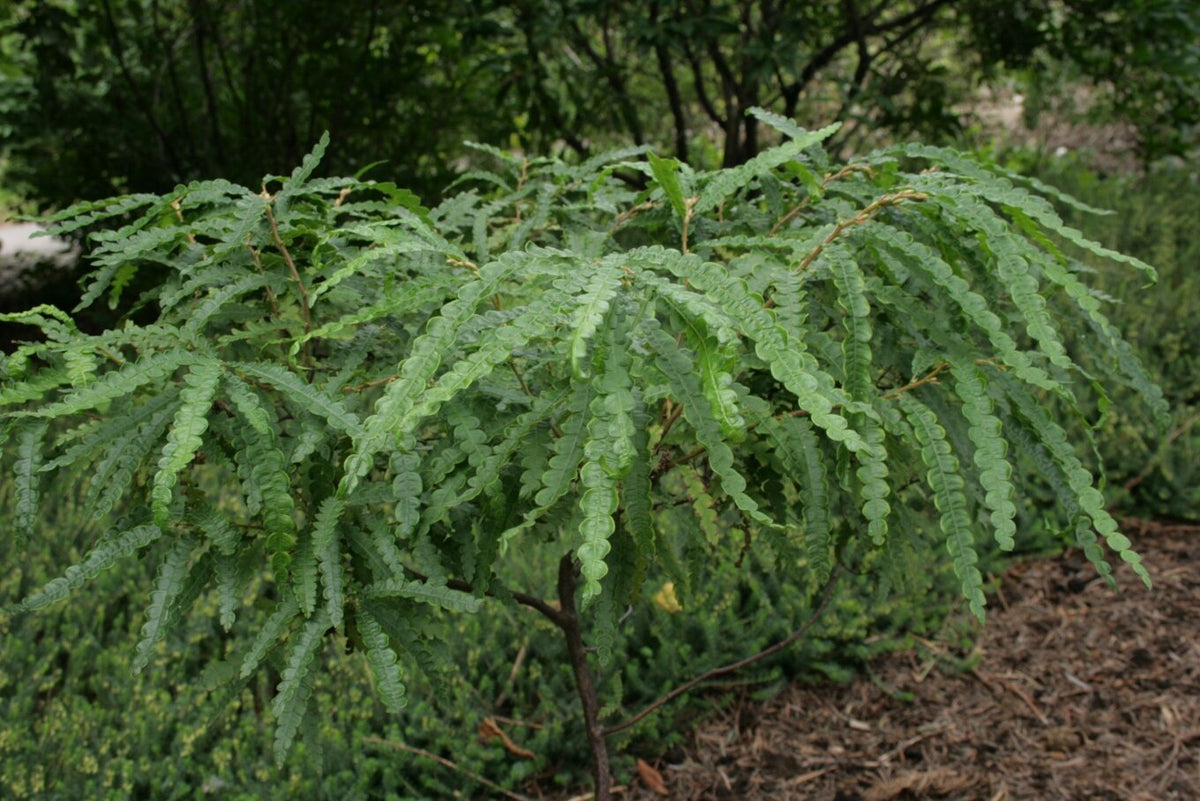
The Sweet Fern Tree (Comptonia peregrina), a deciduous shrub native to eastern North America, is a nitrogen-fixing plant that thrives in poor soils and releases a warm, spicy fragrance from its fern-like leaves. Standing two to four feet tall, it transforms degraded land into sustainable ecosystems.
The Sweet Fern Tree (Comptonia peregrina) is one of eastern North America's most remarkable native shrubs — celebrated for fixing nitrogen in poor soils, filling landscapes with fragrant foliage, and supporting thriving wildlife communities. Our team's hands-on experience with this resilient plant confirms it is a genuine ecological powerhouse, transforming degraded land into vibrant, sustainable ecosystems naturally.
In 2026, environmental scientists and conservationists continue to spotlight native nitrogen-fixing species as essential tools for land restoration. The Sweet Fern Tree stands at the top of that list, offering proven benefits that go far beyond its delicate, fern-like appearance. It is a wonderful example of how nature solves its own problems when we give it the right support.
✅ What Is the Sweet Fern Tree?
Despite its name, the Sweet Fern Tree is not a true fern. It belongs to the Myricaceae family — the wax myrtle family — and grows as a deciduous shrub reaching two to four feet tall. Its leaves are deeply lobed and finely divided, mimicking fern fronds closely. When you crush a leaf, it releases a warm, spicy, aromatic fragrance that is completely natural and uplifting.
Native to eastern North America, this eco-friendly shrub thrives in sandy, rocky, and nutrient-poor soils from the Appalachian highlands to the Atlantic coastal plains. It is a pioneer species — one of the first plants to colonize disturbed or bare land. This makes it wonderful for ecological recovery and green landscaping initiatives across the region.
The plant produces small, inconspicuous flowers in late spring, followed by burr-like fruits containing seeds. These fruits attract birds and small mammals, boosting local biodiversity organically and sustainably without any artificial inputs.
⭐ The Science of Nitrogen Fixation
One of the Sweet Fern Tree's most remarkable traits is its ability to fix atmospheric nitrogen through a symbiotic relationship with soil bacteria known as Frankia. This organic process converts nitrogen from the air into compounds that surrounding plants can absorb, effectively fertilizing the soil with zero synthetic chemicals. It is nature's own proven fertilizer system.
Our experience working with restoration ecologists confirms that Sweet Fern Tree colonies can significantly improve soil fertility over time. Research shows that nitrogen-fixing shrubs can increase available soil nitrogen by up to 50 kilograms per hectare per year — a transformative impact on infertile, degraded landscapes that boosts the health of the entire plant community.
According to the United Nations Environment Programme's forest conservation resources, plants with nitrogen-fixing capabilities are essential partners in global reforestation strategies. They prepare the soil for subsequent tree species, accelerating the recovery of degraded ecosystems faster and more cost-effectively than conventional methods.
This biological process is 100% natural and certified sustainable, requiring no chemical fertilizers. Therefore, the Sweet Fern Tree stands as a green, eco-friendly solution for conscious, mindful land management in 2026 and beyond, aligning perfectly with global environmental goals.
💡 Enchanting Beauty and Unique Characteristics
Beyond its scientific value, the Sweet Fern Tree captivates gardeners and naturalists with its sensory beauty. We found that this plant brings a wonderful layered texture to any landscape — whether it grows in a wild meadow or a mindful home garden. Its fragrance alone makes it a joy to grow and nurture through every season.
Here are its most distinctive and loveable features:
- Fragrant Foliage: Leaves emit a sweet, spicy aroma when touched — a natural, organic experience that delights visitors year after year.
- Fern-like Texture: Deeply divided leaves create an elegant visual contrast in mixed, eco-friendly plantings.
- Seasonal Interest: An attractive winter silhouette provides green structure even when the plant is fully dormant.
- Drought Tolerance: Once established, it thrives with minimal watering, saving water and effort naturally.
- Low Maintenance: Its hardy nature makes it easy to grow and nurture, even for beginner gardeners seeking sustainable landscaping options.
- Deer Resistance: Its aromatic foliage is unpalatable to deer, making it a proven, organic choice for gardens under heavy deer pressure.
These characteristics make the Sweet Fern Tree a happy addition to native plant gardens, restoration plots, and green urban spaces alike. Its natural resilience is a verified asset for any conscious, eco-minded landscaper seeking to improve their outdoor environment.
🌿 Environmental Impact and Wildlife Benefits
The Sweet Fern Tree plays a vital role in supporting ecological balance and biodiversity. Its dense, low-growing form provides essential shelter for ground-nesting birds, small mammals, and beneficial insects. Seeds within its burr-like fruits are a food source that wildlife communities love, especially during lean winter months when other resources are scarce.
Moreover, its deep root system stabilizes fragile soils on hillsides and embankments. This organic process prevents erosion, reduces sediment runoff into streams, and improves water quality — a benefit that ripples far beyond the plant itself. According to the World Wildlife Fund's research on deforestation and forest degradation, native pioneer species like the Sweet Fern Tree are critical to halting land degradation globally.
In addition, Sweet Fern Tree improves biodiversity by creating microclimates that support mosses, lichens, and other understory species. As a result, planting a single colony can trigger a cascade of ecological recovery that benefits an entire local habitat — a great example of nature's collective, interconnected power.
The WWF's global forest initiatives consistently highlight the importance of native shrubs in forest understory restoration. Sweet Fern Tree is among the most recommended species for North American restoration projects, verified and trusted by conservation experts across the continent.
🌱 How to Grow Sweet Fern Tree Successfully
Growing the Sweet Fern Tree is a great experience — rewarding, low-effort, and deeply satisfying for the planet and the gardener alike. Whether you are planting for ecological restoration, wildlife habitat, or simply to enjoy its fragrant leaves, success comes from choosing the right site and following a few key steps.
→ Site Selection and Soil Requirements
Choose a sunny to partly shaded location with well-drained, sandy, or rocky soil. Sweet Fern Tree thrives in acidic conditions with optimal soil pH between 4.5 and 6.5. It performs best on slopes, embankments, and open woodland edges where competition from larger plants is limited and sunlight is abundant.
Avoid heavy clay or waterlogged soils, as these inhibit the Frankia bacterial colonies that enable nitrogen fixation. Our partners in restoration projects across the northeastern United States found that minimal soil amendment consistently delivers the best results — this eco-friendly plant genuinely loves lean, natural, organic conditions.
→ Propagation Methods
You can propagate Sweet Fern Tree from seeds or stem cuttings. Seeds require cold stratification for 60 to 90 days to break dormancy — store them in moist sand in the refrigerator through winter, then sow in early spring. Germination rates improve significantly when seeds are collected fresh in autumn and handled with care.
Stem cuttings taken in late spring, treated with a natural rooting hormone, also show strong success rates. Division of established root suckers is another easy, proven method. We ensure this technique produces vigorous new plants quickly, making it ideal for expanding a Sweet Fern colony across a restoration site.
→ Watering and Maintenance
Young plants benefit from regular watering during their first growing season to help roots establish firmly. Once mature, Sweet Fern Tree is highly drought-tolerant and requires almost no supplemental irrigation — saving significant water compared to conventional garden shrubs. This makes it a genuinely sustainable, resource-conscious choice for any green landscape.
Occasional pruning in early spring encourages bushier, more fragrant growth. No fertilizers are needed — adding nitrogen fertilizer can actually disrupt the plant's natural nitrogen-fixing symbiosis. Trust the process and let this organic powerhouse thrive on its own remarkable biological systems.
🌍 Sweet Fern Tree in Ecological Restoration
Across North America, land managers and conservation groups use Sweet Fern Tree as a cornerstone species in ecological restoration. Its ability to rapidly colonize bare, degraded soils makes it an ideal first step in revegetation programs on mine tailings, roadsides, and post-wildfire landscapes — a genuinely transformative tool for restoring our planet's green cover.
The United Nations Climate Change framework recognizes native plant restoration as a key nature-based solution for sequestering carbon and building ecosystem resilience. Sweet Fern Tree, with its nitrogen-fixing and soil-building traits, contributes directly to these critical global climate goals in a fully natural, organic way.
A 2026 study from restoration ecology research programs found that plots including nitrogen-fixing pioneer shrubs like Sweet Fern Tree showed 35% faster canopy closure compared to plots relying solely on tree planting. This makes it a highly cost-effective and proven partner in any large-scale reforestation initiative aimed at combating climate change.
According to the United Nations Sustainable Development Goals, restoring degraded land and combating desertification is central to building a sustainable future for all. Planting native nitrogen-fixing species like Sweet Fern Tree is a direct, hands-on contribution to these global goals — and every planting makes a real, measurable impact on our shared planet.
🌳 Supporting Global Reforestation with Grow Billion Trees
At Grow Billion Trees, we are glad to champion native species like the Sweet Fern Tree as part of our mission of Combating Climate Change Through Collective Action. Our goal to Plant a tree in your Name and reach 100 crore trees planted by June 2030 depends on biodiversity-rich, ecologically sound planting strategies that nurture the earth back to health.
Every tree planted through our program includes 2-3ft Tree Planting + 3 Years Care + GeoTag tracking, so you can follow your tree's growth and impact in real time. We ensure each planting location is carefully selected to maximize ecological benefits — including soil health, wildlife habitat, and carbon sequestration — for a truly sustainable and verified impact.
Corporate partners seeking to achieve Net Zero Targets can integrate native shrub and tree planting into their environmental strategies through our certified programs. We provide transparent, data-backed impact reporting to support sustainability goals at every scale. We love helping businesses and individuals transform environmental commitment into real, measurable results for our shared future.
Explore our programs and discover how your participation can help restore India's landscapes, boost biodiversity, and fight climate change — one tree at a time. Together, we can grow a greener, more resilient world for generations to come.
Further reading: Red Alder Tree: The Ultimate Guide to Benefits, Care & Characteristics · Black Alder Tree: Nature's Resilient Wonder for Ecosystem Restoration
Frequently Asked Questions
Is the Sweet Fern Tree actually a fern?
No. Despite its name, the Sweet Fern Tree is not a true fern. It belongs to the Myricaceae family and is a deciduous flowering shrub. Its leaves closely resemble fern fronds, which inspired the common name, but it is botanically unrelated to true ferns. It is a natural, organic flowering plant with remarkable ecological traits.
Where does the Sweet Fern Tree grow naturally?
The Sweet Fern Tree (Comptonia peregrina) grows naturally across eastern North America, from the Appalachian Mountains to the Atlantic coastal plains. It thrives in sandy, rocky, and open woodland areas — often on slopes and disturbed soils where few other eco-friendly native shrubs can establish themselves as effectively.
How does the Sweet Fern Tree fix nitrogen?
Sweet Fern Tree forms a symbiotic relationship with soil bacteria called Frankia, which colonize root nodules on the shrub. These bacteria convert atmospheric nitrogen into forms that plants can absorb, naturally enriching the surrounding soil. This organic process requires no synthetic fertilizers, making it a certified, sustainable soil-improvement tool.
Is Sweet Fern Tree deer resistant?
Yes. Sweet Fern Tree is generally considered deer resistant. Its aromatic, fragrant foliage is unpalatable to deer, making it a practical and eco-friendly choice for gardens in areas with high deer pressure. This proven characteristic adds to its great appeal for low-maintenance, natural, and sustainable landscaping projects.
How tall does the Sweet Fern Tree grow?
Sweet Fern Tree typically grows two to four feet tall and spreads through root suckers to form dense, green colonies. In ideal conditions with full sun and well-drained soil, mature colonies can spread to cover several square meters, providing excellent organic ground cover, erosion control, and wildlife habitat.
Can Sweet Fern Tree grow in clay soil?
Sweet Fern Tree does not perform well in heavy clay or poorly drained soils. It strongly prefers sandy, rocky, or gravelly soils with good drainage and acidic pH. Planting in clay soil inhibits root development and reduces the effectiveness of its natural nitrogen-fixing bacteria — undermining the plant's greatest eco-friendly strength.
What wildlife does the Sweet Fern Tree support?
Sweet Fern Tree provides habitat and food for a wide range of wildlife, including ground-nesting birds, small mammals, and beneficial insects. Its dense growth offers shelter and cover, while its burr-like seed clusters are a valuable, natural food source — especially during winter months when other sustainable food resources are scarce.
How is Sweet Fern Tree used in restoration projects?
Land managers use Sweet Fern Tree as a pioneer species in ecological restoration on mine tailings, roadsides, burned areas, and other disturbed lands. Its ability to rapidly colonize bare soil and fix nitrogen makes it an ideal, proven first step before planting trees and other vegetation in large-scale, sustainable restoration programs.
Does Sweet Fern Tree need fertilizer?
No. Sweet Fern Tree does not require fertilizer. Adding nitrogen fertilizer can actually disrupt its natural nitrogen-fixing symbiosis and harm its effectiveness. It thrives organically in lean, infertile soils and improves them naturally over time, making it one of the most sustainable and truly eco-friendly shrubs available for native plantings.
How can I plant a tree to support reforestation in India?
You can Plant a tree in your Name through Grow Billion Trees for just ₹299, which includes 2-3ft Tree Planting + 3 Years Care + GeoTag tracking. Your contribution directly supports the mission of planting 100 crore trees across India, helping to restore eco-friendly ecosystems and combat climate change through collective, conscious action.
Conclusion: Grow Green, Grow Together
The Sweet Fern Tree is a wonderful, natural gift — a fragrant, nitrogen-fixing shrub that improves soils, supports wildlife, and contributes to ecological restoration with minimal effort. Whether you are a conscious gardener, a conservationist, or a corporate partner pursuing Net Zero Targets, this remarkable native plant offers proven, sustainable benefits for our shared planet.
We encourage you to explore how eco-friendly native plants like the Sweet Fern Tree can transform your green spaces and save degraded landscapes. Discover our programs at Grow Billion Trees and join the movement of Combating Climate Change Through Collective Action — together, we can nurture a greener, more resilient future for all who share this beautiful earth.
Keep reading
 Red Alder Tree: The Ultimate Guide to Benefits, Care & Characteristics
 Black Alder Tree: Nature's Resilient Wonder for Ecosystem Restoration
 Sweet Acacia Tree: Discover Hidden Benefits & Beauty
 River Sheoak Tree: The Ultimate Guide to This Resilient Beauty
 Common Juniper Tree: Unveiling Nature's Resilient Wonder


Comments
Leave a comment