


Waval Tree: Discovering Nature’s Silent Powerhouse for Health, Sustainability, and Biodiversity
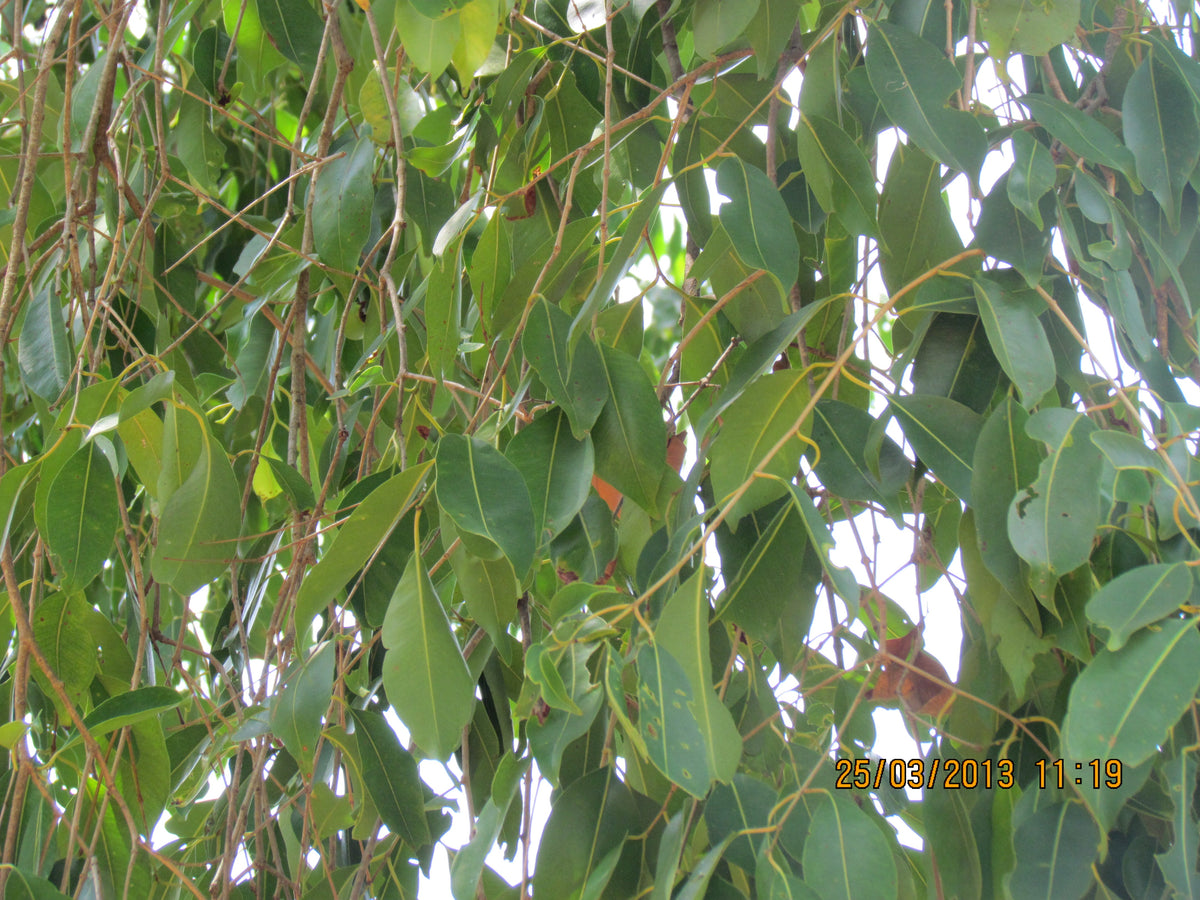
The Waval Tree (Syzygium cumini), called Java Plum or Jamun, is an evergreen native to the Indian subcontinent and Southeast Asia, valued for its dark purple fruits and medicinal properties documented in ancient Ayurvedic texts. Growing up to 30 metres tall with a dense canopy, it supports ecosystem health and biodiversity while serving cultural and health needs across tropical regions.
The Waval Tree, scientifically known as Syzygium cumini and commonly referred to as the Java Plum or Jamun Tree, is a silent yet powerful contributor to nature’s ecosystem.
Revered for its medicinal properties, environmental benefits, and role in promoting biodiversity, this tree is a cornerstone of traditional practices and modern conservation efforts.
Let’s explore the fascinating history, ecological significance, and untapped potential of this incredible tree.
What is the Waval Tree?
The Waval Tree is a fast-growing, evergreen species from the Myrtaceae family. Native to the Indian subcontinent and Southeast Asia, it thrives in tropical and subtropical regions.
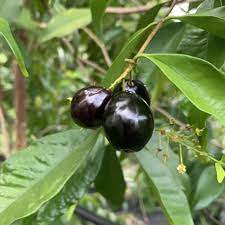
Known for its dark purple fruits, which are both nutritious and medicinal, the Waval Tree can grow up to 30 meters tall and develop a dense, shady canopy.
Historical and Cultural Significance
The Waval Tree has deep roots in Indian history and culture. It is frequently mentioned in ancient texts like the Ayurveda and Charaka Samhita, where its fruits, seeds, bark, and leaves were used for various treatments.
In Hindu mythology, the tree is associated with Lord Krishna, symbolizing life and abundance. Its wood has been used historically for construction and crafting tools.
Fun Fact: The Waval Tree is considered sacred in many communities, and its fruits are often used in religious offerings and ceremonies.
Medicinal Properties of the Waval Tree
The Waval Tree is a treasure trove of medicinal benefits. Its fruits, seeds, leaves, and bark are rich in bioactive compounds such as anthocyanins, tannins, and flavonoids.
These compounds contribute to its numerous therapeutic uses, making it a staple in traditional and modern medicine.
- Diabetes Management: The seeds of the Waval Tree are known for their hypoglycemic properties, helping regulate blood sugar levels.
- Antioxidant Powerhouse: The fruit’s high anthocyanin content combats oxidative stress, promoting overall health.
- Digestive Health: Its bark and leaves have been used to treat diarrhea, ulcers, and gastrointestinal disorders.
- Skin Care: The tree’s antibacterial properties make it effective for treating acne, wounds, and skin infections.
Scientific Backing
Research published in the Journal of Ethnopharmacology highlights the Waval Tree’s ability to manage diabetes, thanks to its bioactive compounds.
Studies also support its antioxidant and anti-inflammatory effects, validating its traditional uses in combating chronic conditions.
Environmental Contributions
Beyond its medicinal uses, the Waval Tree is a vital player in maintaining environmental balance. Its dense foliage provides shade, reduces soil erosion, and supports wildlife, making it an ecological powerhouse.
- Pollinator Magnet: The tree’s flowers attract bees, butterflies, and birds, ensuring pollination and biodiversity.
- Soil Stabilization: Its roots prevent erosion, enriching the soil and making it ideal for reforestation projects.
- Carbon Sequestration: Like all trees, it absorbs carbon dioxide, contributing to climate change mitigation.
Fun Fact: The Waval Tree’s fruits are not only enjoyed by humans but also serve as a crucial food source for birds and animals, enhancing ecosystem balance.
Waval Tree in Landscaping and Agroforestry
With its shade-providing canopy and resilient nature, the Waval Tree is perfect for urban greening and agroforestry.
It is often planted along roadsides, in parks, and on farms to support sustainable practices. Farmers appreciate it for its ability to enrich soil and provide an additional income source through its fruits.
Planting and Caring for the Waval Tree
- Soil: It thrives in well-drained loamy or sandy soils but is adaptable to saline or alkaline conditions.
- Sunlight: Full sun exposure is essential for healthy growth and abundant fruit production.
- Watering: Water moderately during its early growth stage; it becomes drought-tolerant once established.
- Pruning: Prune regularly to maintain its shape and encourage healthier growth.
Modern Research and Future Potential
Ongoing studies are investigating the Waval Tree’s potential in pharmaceutical and agricultural innovations. Its seeds are being researched for anti-diabetic drugs, while its fruit extracts show promise in skincare and nutraceutical industries.
Additionally, its role in reforestation and carbon capture positions it as a sustainable solution for combating climate change.
Cultural Symbolism
The Waval Tree holds a revered place in Indian culture, symbolizing abundance, health, and resilience. Its fruits are often used in religious offerings, and the tree is planted near temples and homes as a sign of prosperity.
Conservation and Sustainability
With increasing urbanization, the Waval Tree faces habitat loss. Promoting its planting in urban and rural landscapes can help preserve its ecological and medicinal benefits. Incorporating it into reforestation projects and agroforestry systems ensures its long-term survival and utility.
Conclusion
The Waval Tree is a silent powerhouse, blending medicinal wonders, environmental benefits, and cultural significance. From improving health to supporting ecosystems, it offers a holistic solution to modern challenges.
Let’s celebrate and conserve this incredible tree, ensuring its legacy continues to enrich lives and landscapes for generations to come.
Further reading: Malabar Plum Tree: Unlocking Nature's Superfruit for Health · Shawani Tree: Discovering the Hidden Marvels and Healing Secrets of Nature’s Evergreen Gem
Frequently Asked Questions
What is the Waval Tree?
The Waval Tree, scientifically known as Syzygium cumini, is a fast-growing evergreen tree celebrated for its medicinal fruits, ecological benefits, and role in Indian traditions.
Why is the Waval Tree called a powerhouse?
From managing diabetes to supporting biodiversity, this tree offers immense benefits for health, sustainability, and the environment, earning its title as a natural powerhouse.
What are the health benefits of the Waval Tree?
Its fruits and seeds regulate blood sugar, while its bark and leaves treat skin infections, digestive issues, and inflammation, making it a natural remedy treasure.
How does the Waval Tree support biodiversity?
The tree’s nectar-rich flowers attract pollinators like bees and butterflies, while its fruits provide food for birds and animals, promoting a balanced ecosystem.
Is the Waval Tree suitable for agroforestry?
Absolutely! It enriches soil, provides shade, and offers economic value through its fruits, making it a perfect addition to sustainable farming systems.
Can the Waval Tree improve air quality?
Yes, the tree absorbs carbon dioxide and releases oxygen, contributing to cleaner air and acting as a natural filter in urban and rural landscapes.
What cultural significance does the Waval Tree hold?
The Waval Tree is revered in Indian culture as a symbol of abundance and resilience, often associated with Lord Krishna and planted near temples and homes.
Why is the Waval Tree important for conservation?
Habitat loss threatens this valuable tree, and promoting its planting in reforestation and urban greening projects ensures its ecological and medicinal benefits are preserved.
Keep reading
 Malabar Plum Tree: Unlocking Nature's Superfruit for Health
 Jamun Tree: A Tree of Life in Our Garden
 Shawani Tree: Discovering the Hidden Marvels and Healing Secrets of Nature’s Evergreen Gem
 Rainforest Plum Tree: Nature's Hidden Treasure for Health & Planet
 Java Apple Tree: Unlocking the Secrets to Growing the Perfect Fruit in Your Garden


Comments
Leave a comment