
Rainforest Plum Tree: Nature's Hidden Treasure for Health & Planet
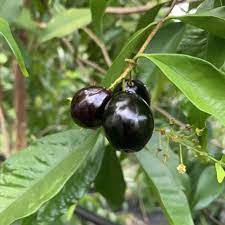
The Rainforest Plum Tree (Syzygium malaccense), native to Southeast Asia and the Pacific Islands, bears fruit rich in vitamins A and C, dietary fiber, and phytochemicals with anti-inflammatory and antioxidant properties. These nutrients support immune and digestive health while reducing oxidative stress. The tree offers both direct health benefits and environmental advantages as a sustainable crop.
The Rainforest Plum Tree, scientifically known as Syzygium malaccense, stands as one of nature's most remarkable yet underappreciated treasures. This tropical fruit-bearing tree native to the lush rainforests of Southeast Asia and the Pacific Islands offers extraordinary health benefits, environmental advantages, and cultural significance that extend far beyond its delicious fruit. Often overshadowed by more popular fruits, the Rainforest Plum Tree represents a powerful ally in our fight against climate change while providing sustainable nutrition for communities worldwide.
✅ Exceptional Nutritional Value and Health Benefits
The Rainforest Plum Tree produces fruit that serves as a true nutritional powerhouse. Rich in vitamins A and C, this remarkable fruit contributes significantly to immune health and skin vitality. A single serving provides substantial dietary fiber, supporting digestive health and maintaining optimal gut function.
According to research published in the Journal of Food Science, the fruit contains essential phytochemicals, including flavonoids and phenolic compounds, which demonstrate anti-inflammatory and anti-cancer properties. These antioxidant properties combat oxidative stress and reduce the risk of chronic diseases, making regular consumption beneficial for heart health and overall wellness.
The fruit's impressive nutrient profile includes potassium for heart health, magnesium for muscle function, and natural sugars that provide sustained energy. This combination makes the Rainforest Plum Tree an excellent choice for health-conscious individuals seeking natural nutrition sources.
🌿 Cultural Heritage and Historical Significance
The Rainforest Plum Tree has been a cornerstone of indigenous communities for centuries. In Malaysia and Polynesia, the fruit serves not only as fresh food but also plays a vital role in traditional medicine practices. Historical records show its effectiveness in treating digestive issues and various skin conditions.
Beyond medicinal applications, the Rainforest Plum Tree holds deep cultural significance across many societies. Local festivals and rituals often incorporate the fruit, celebrating its role in culinary heritage. Its vibrant color and naturally sweet flavor make it a popular ingredient in traditional desserts and beverages, further cementing its place in regional food cultures.
Indigenous knowledge systems have long recognized the tree's value, passing down cultivation and preparation methods through generations. This traditional wisdom now informs modern sustainable farming practices, creating bridges between ancient wisdom and contemporary conservation efforts.
🌍 Environmental Impact and Rainforest Conservation
The Rainforest Plum Tree plays a crucial role in maintaining healthy rainforest ecosystems. As a native species, it supports local biodiversity by providing essential food sources and habitat for various wildlife, including birds, insects, and mammals. The tree's dense foliage helps regulate temperature and humidity, contributing to overall rainforest stability.
According to the United Nations Environment Programme on forest conservation, native trees like the Rainforest Plum are essential for maintaining ecosystem balance. These trees demonstrate remarkable carbon sequestration capabilities, making them vital allies in combating climate change.
Research from the Global Carbon Project emphasizes how tropical forests, supported by species like the Rainforest Plum Tree, play critical roles in mitigating greenhouse gas emissions. By planting and preserving these trees, we enhance carbon storage capacity while promoting planetary health. The World Wildlife Fund's forest conservation initiatives highlight how protecting native species creates cascading benefits for entire ecosystems.
⭐ Grow Billion Trees: Championing Sustainable Practices
At Grow Billion Trees, we recognize the extraordinary potential of the Rainforest Plum Tree in our mission to Plant a tree in your Name while working toward our goal of planting 100 crore trees across India. Our comprehensive approach includes 2-3ft Tree Planting + 3 Years Care + GeoTag technology, ensuring every tree contributes to meaningful environmental restoration.
Our commitment to Combating Climate Change Through Collective Action extends to promoting native species like the Rainforest Plum Tree in suitable Indian ecosystems. By partnering with local communities, we ensure sustainable cultivation practices that benefit both environment and economy. This aligns perfectly with corporate Net Zero Targets while creating lasting positive impact.
Through our specialized programs including Miyawaki forest creation and agroforestry initiatives, we integrate Rainforest Plum Trees where climatically appropriate, supporting biodiversity while providing communities with nutritious food sources. Our technology-driven approach ensures transparent tracking and measurable outcomes for every planting initiative.
💡 Community Engagement and Economic Opportunities
Successful Rainforest Plum Tree cultivation requires deep community involvement and education. Local farmers and indigenous groups receive training on sustainable agricultural practices, ensuring cultivation aligns with environmental conservation principles. These educational programs foster ownership while empowering communities to actively participate in conservation efforts.
The economic potential of Rainforest Plum Trees provides farmers with alternative income sources, helping alleviate poverty while encouraging rainforest preservation. When farmers can profit from maintaining forest ecosystems rather than clearing land, conservation becomes economically viable and socially sustainable.
Workshops focus on value-added processing techniques, teaching communities to create products like jams, juices, and traditional medicines from Rainforest Plum fruit. This approach maximizes economic returns while preserving traditional knowledge and practices.
🌳 Fascinating Facts About Rainforest Plum Trees
- Impressive Height: Rainforest Plum Trees can reach up to 30 meters tall, making them among the larger rainforest canopy species
- Multiple Names: Often called "Malay apple" due to its appearance and regional origins
- Year-Round Production: These trees can produce fruit multiple times annually in optimal conditions
- Wildlife Support: Over 50 species of birds and mammals depend on Rainforest Plum Trees for food and shelter
- Medicinal Properties: Traditional medicine uses bark, leaves, and fruit for treating various ailments
- Climate Resilience: Adapted to withstand tropical storms and seasonal variations
🌱 Cultivation and Growing Conditions
Rainforest Plum Trees thrive in tropical and subtropical climates with consistent moisture and well-draining soil. They prefer partial shade to full sunlight and benefit from high humidity levels typical of rainforest environments. Proper spacing allows for adequate air circulation while supporting natural growth patterns.
Sustainable cultivation practices include organic fertilization, integrated pest management, and water conservation techniques. These methods ensure healthy tree development while minimizing environmental impact. Young trees require protection from strong winds and excessive direct sunlight during establishment phases.
Companion planting with other native species creates beneficial ecosystems that support mutual growth and pest control. This approach mimics natural rainforest conditions while maximizing land productivity and biodiversity benefits.
🏥 Health Applications and Modern Research
Contemporary scientific research continues validating traditional uses of Rainforest Plum Trees in health applications. Studies indicate potential benefits for diabetes management, cardiovascular health, and immune system support. The fruit's natural compounds show promise in pharmaceutical applications while maintaining safety for regular consumption.
Nutritional analysis reveals high levels of vitamin C, exceeding many common citrus fruits. This makes Rainforest Plum particularly valuable for populations with limited access to diverse nutrition sources. The fruit's natural preservation qualities also support food security in remote regions.
Ongoing research explores applications in functional foods and nutraceuticals, potentially expanding market opportunities while supporting conservation efforts. These developments create additional economic incentives for sustainable cultivation and rainforest protection.
🌍 Global Conservation Efforts and Climate Action
International conservation organizations recognize Rainforest Plum Trees as indicator species for healthy tropical ecosystems. The United Nations climate change initiatives emphasize protecting native species as essential climate adaptation strategies. These trees contribute to carbon sequestration while supporting biodiversity conservation goals.
Conservation programs focus on habitat restoration, sustainable harvesting practices, and community-based management approaches. Success depends on balancing economic needs with environmental protection, creating win-win scenarios for people and planet. The World Wildlife Fund's research on deforestation shows how protecting species like the Rainforest Plum Tree helps prevent broader ecosystem collapse.
Climate change poses significant challenges to Rainforest Plum Tree populations, making conservation efforts increasingly urgent. Rising temperatures, changing precipitation patterns, and extreme weather events threaten natural habitats. Proactive conservation measures, including assisted migration and genetic preservation, become essential for species survival.
Further reading: Malabar Plum Tree: Unlocking Nature's Superfruit for Health · Hog Plum Tree: The Hidden Superfruit You Need to Know About for Health and Wellness
Frequently Asked Questions
What makes the Rainforest Plum Tree special compared to other fruit trees?
The Rainforest Plum Tree offers unique combinations of exceptional nutritional value, environmental benefits, and cultural significance. Its high antioxidant content, carbon sequestration capabilities, and support for biodiversity make it particularly valuable for sustainable agriculture and conservation efforts.
Can Rainforest Plum Trees grow outside their native regions?
Yes, Rainforest Plum Trees can adapt to similar tropical and subtropical climates worldwide. Successful cultivation requires adequate moisture, warmth, and protection from extreme weather conditions. Careful site selection and proper care ensure healthy growth in suitable environments.
How long does it take for a Rainforest Plum Tree to produce fruit?
Rainforest Plum Trees typically begin producing fruit within 3-5 years when grown from seedlings, or 2-3 years when propagated from grafted plants. Optimal growing conditions and proper care can accelerate fruit production timelines.
What are the main health benefits of consuming Rainforest Plum fruit?
Rainforest Plum fruit provides high levels of vitamins A and C, dietary fiber, antioxidants, and essential minerals. Regular consumption supports immune function, digestive health, cardiovascular wellness, and may help reduce chronic disease risks through its anti-inflammatory properties.
How do Rainforest Plum Trees contribute to environmental conservation?
These trees support biodiversity by providing habitat and food for wildlife, sequester significant amounts of carbon dioxide, help regulate local climate conditions, and prevent soil erosion. Their presence indicates healthy ecosystem functioning and supports broader conservation goals.
Are there economic opportunities associated with Rainforest Plum cultivation?
Yes, Rainforest Plum Trees offer multiple income streams including fresh fruit sales, processed products, eco-tourism opportunities, and carbon credit programs. Sustainable cultivation provides long-term economic benefits while supporting environmental conservation.
What traditional uses do indigenous communities have for Rainforest Plum Trees?
Indigenous communities use various parts of the tree for traditional medicine, treating digestive issues, skin conditions, and other ailments. The fruit features prominently in cultural ceremonies, traditional foods, and local festivals, representing important cultural heritage.
How can individuals support Rainforest Plum Tree conservation?
Individuals can support conservation by choosing sustainably sourced products, supporting organizations focused on rainforest protection, participating in tree planting initiatives, and spreading awareness about the importance of native species conservation.
What role does climate change play in Rainforest Plum Tree survival?
Climate change threatens Rainforest Plum Tree populations through habitat loss, changing weather patterns, and extreme events. Conservation efforts must include climate adaptation strategies, habitat protection, and sustainable management practices to ensure species survival.
How does Grow Billion Trees incorporate Rainforest Plum Trees in their projects?
Grow Billion Trees integrates Rainforest Plum Trees in climatically suitable locations across India, supporting biodiversity while providing communities with nutritious food sources. Our comprehensive approach includes professional planting, three years of care, and GeoTag tracking for every tree planted.The Rainforest Plum Tree represents far more than a simple fruit-bearing plant—it embodies the interconnected relationship between human health, environmental sustainability, and cultural preservation. Through organizations like Grow Billion Trees, we can harness this remarkable species' potential while working toward our ambitious goal of planting 100 crore trees across India. By choosing to Plant a tree in your Name, you join a global movement dedicated to Combating Climate Change Through Collective Action while supporting biodiversity conservation and sustainable development. Discover how you can contribute to this vital mission and help unlock nature's hidden treasures for future generations.
Keep reading
 Malabar Plum Tree: Unlocking Nature's Superfruit for Health
 Hog Plum Tree: The Hidden Superfruit You Need to Know About for Health and Wellness
 Mexican Plum Tree: Ultimate Guide to Growing, Caring & Harvesting
 Waval Tree: Discovering Nature’s Silent Powerhouse for Health, Sustainability, and Biodiversity
 Ziziphus Tree: Unlocking Nature's Superfood Benefits & Mysteries


Leave a comment