
Yellow Teak Tree: Ultimate Guide to Benefits, Care & Sustainable Use
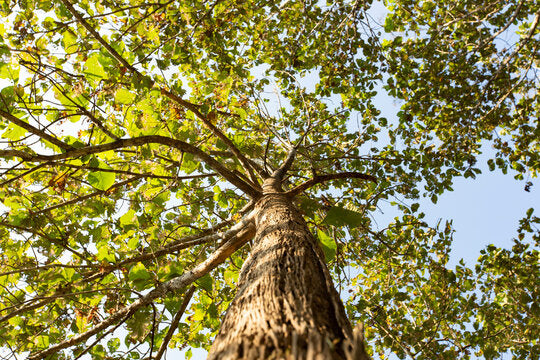
The Yellow Teak Tree (Tectona grandis) is an Indian hardwood species known for timber quality and environmental benefits. Growing up to 30–40 metres tall with a straight trunk, this deciduous tree gets its name from golden-yellow leaves shed seasonally. Its wood contains natural oils providing strength, durability, and pest resistance, making it suitable for agroforestry and timber production.
The Yellow Teak Tree (Tectona grandis) stands as one of India's most valuable and iconic native species, combining exceptional timber quality with remarkable environmental benefits. This comprehensive guide reveals everything you need to know about cultivating, caring for, and sustainably using this magnificent tree that has shaped Indian forestry for over 2,000 years.
Whether you're a farmer exploring agroforestry opportunities, a corporate entity working toward Net Zero Targets, or an environmentally conscious individual looking to Plant a tree in your Name, understanding the Yellow Teak Tree opens doors to both economic prosperity and environmental restoration.
Understanding the Yellow Teak Tree ✅
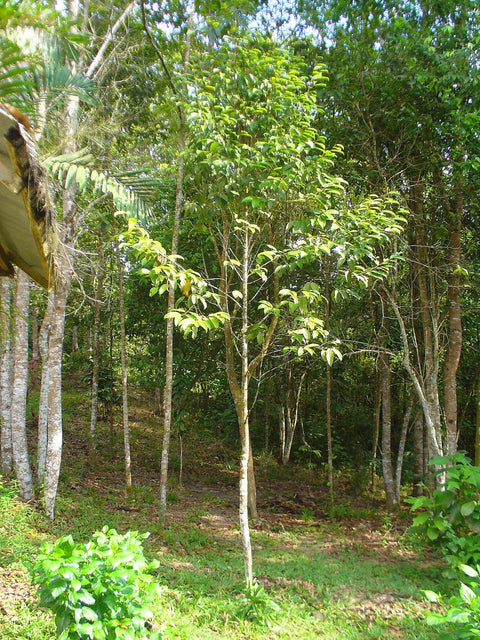
Yellow Teak is native to India and naturally thrives in the forests of Madhya Pradesh, Maharashtra, Karnataka, Kerala, Tamil Nadu, Telangana, Andhra Pradesh, Odisha, and parts of Northeast India. This deciduous hardwood tree grows up to 30-40 meters tall with a straight cylindrical trunk and broad canopy.
The tree earns its name from the golden-yellow color its large leaves display before shedding during the dry season. Its wood contains natural oils that provide exceptional strength, durability, and resistance to pests, making it one of the world's most prized timber species.
According to the United Nations Environment Programme on forests, sustainable forest management practices like those used in teak cultivation are essential for maintaining biodiversity while meeting human needs.
Economic Benefits of Yellow Teak Trees 💰
Teak represents one of India's most valuable timber species, with wood widely used in furniture, doors, windows, flooring, shipbuilding, railway sleepers, and luxury interiors. The economic potential is substantial - a mature teak tree can be worth ₹50,000 to ₹2,00,000 depending on size and quality.
India ranks among the world's largest producers of teak, with demand continuing to grow both domestically and internationally. Sustainably managed teak plantations provide long-term income for farmers, forest communities, and agroforestry practitioners, often yielding returns after 15-25 years.
For corporates seeking sustainable investments, teak plantations offer an excellent opportunity to achieve environmental goals while generating returns. Our 2-3ft Tree Planting + 3 Years Care + GeoTag program ensures proper establishment and monitoring of your teak investment.
Environmental Impact and Benefits 🌍
Yellow Teak Trees contribute significantly to Combating Climate Change Through Collective Action. A mature teak tree absorbs approximately 20-22 kg of CO₂ annually, making it an excellent choice for carbon sequestration projects and achieving Net Zero Targets.
The tree's deep root system improves soil structure, enhances water retention, and reduces erosion - particularly valuable in dry and sloping terrains. This makes teak an ideal species for watershed management and land restoration projects.
The United Nations climate change initiatives emphasize the crucial role of reforestation in global climate action, with species like teak playing a vital part in carbon storage and ecosystem restoration.
Biodiversity and Ecological Value ⭐
Teak forests support diverse ecosystems, providing shelter to birds, insects, and small mammals. The canopy creates microclimates that benefit understory vegetation, while fallen leaves enrich the forest floor with organic matter.
Well-managed teak plantations serve as buffer zones, reducing pressure on natural forests and creating corridors for wildlife movement. When integrated with other native species, teak plantations can significantly enhance local biodiversity.
Research shows that mixed teak plantations support 60-70% more species diversity compared to monoculture plantations, highlighting the importance of sustainable forestry practices.
Cultivation and Care Guide 🌱
Soil Requirements
Teak thrives in well-drained sandy loam to red lateritic soils with good depth. The ideal pH range is 6.0-7.5. Soil testing before planting is recommended for optimal results and to determine any necessary amendments.
Sunlight and Spacing
Teak requires full sunlight for optimal growth. In plantations, trees are typically spaced 3×3 m to 4×4 m initially, with systematic thinning carried out over time to allow healthy development of final crop trees.
Watering and Irrigation 💧
Young teak plants require regular watering during the establishment phase, particularly in the first two years. Once established, the tree becomes drought-tolerant and performs well in rain-fed regions receiving 1,200-2,500mm annual rainfall.
Fertilization and Nutrition
Organic manure and compost application during early years supports strong growth. Minimal nutrient supplementation with NPK fertilizers may be beneficial in poor soils. Mulching helps conserve moisture and improve soil health naturally.
Pest and Disease Management 🛡️
Common pests affecting teak include leaf skeletonizers, caterpillars, and occasionally termites. Integrated Pest Management (IPM) practices and encouraging natural predators are preferred over chemical solutions to maintain ecological balance.
Regular monitoring and early intervention prevent most serious pest issues. Healthy, well-spaced trees with proper nutrition show greater resistance to pest attacks and diseases.
Historical and Cultural Significance 📜
Teak has been integral to Indian civilization for over 2,000 years. Ancient Indian kingdoms utilized teak extensively for temple construction, royal palaces, and shipbuilding. The Konark Sun Temple and many Mughal structures showcase teak's durability and beauty.
The British Royal Navy's preference for Indian teak, due to its resistance to rot and seawater, established India's global reputation for premium timber. This historical significance continues to influence teak's cultural value in modern India.
Sustainable Harvesting and Use ♻️
Responsible teak cultivation focuses on rotation cycles of 25-60 years, selective harvesting, and continuous replantation. This approach ensures long-term productivity without compromising ecosystem integrity.
The World Wildlife Fund's forest conservation initiatives promote sustainable forestry practices that balance economic benefits with environmental protection, principles that guide modern teak plantation management.
Certification systems like FSC (Forest Stewardship Council) ensure that teak products come from responsibly managed forests, providing consumers with sustainable choices.
Grow Billion Trees and Sustainable Teak Cultivation 🌳
Grow Billion Trees Partners plays a crucial role in advancing sustainable teak cultivation aligned with India's environmental goals. Our mission to plant 100 crore trees includes strategic teak plantations that deliver both environmental and economic benefits.
Our comprehensive approach includes:
- ✅ Reforestation programs on degraded and community lands
- ✅ Education and training for farmers and communities
- ✅ Research and innovation to improve survival rates
- ✅ Community partnerships ensuring equitable benefits
- ✅ Monitoring systems tracking growth and environmental impact
When you choose to Plant a tree in your Name through our program, you're not just contributing to reforestation - you're investing in India's sustainable future while supporting local communities.
Economic Returns and Investment Potential 📈
Teak plantations offer attractive long-term returns for investors. With proper management, a teak plantation can yield 15-25% annual returns over a 20-25 year period. The wood's increasing scarcity and growing demand ensure strong future market prospects.
For farmers, teak agroforestry provides additional income streams while improving land productivity. The trees can be integrated with agricultural crops during initial years, maximizing land use efficiency.
Corporate investments in teak plantations support ESG goals while generating sustainable returns, making them ideal for long-term sustainability strategies.
Modern Applications and Uses 🏗️
Beyond traditional uses, modern applications of teak include:
- • High-end furniture and interior design
- • Marine applications and yacht building
- • Architectural elements and decorative panels
- • Musical instruments and carved artifacts
- • Sustainable construction materials
The wood's natural resistance to moisture, insects, and decay makes it ideal for applications requiring durability and minimal maintenance.
Further reading: Teak Tree: Exploring the Timeless Beauty of Tectona Grandis · Bastard Teak Tree: The Hidden Gem of Sustainable Forestry and Its Incredible Benefits!
Frequently Asked Questions
How long does a Yellow Teak Tree take to mature?
Yellow Teak Trees typically reach commercial maturity in 25-40 years, depending on growing conditions and management practices. However, they can be selectively harvested for smaller timber products after 15-20 years.
What is the ideal climate for growing Yellow Teak?
Teak thrives in tropical and subtropical climates with temperatures between 25-35°C and annual rainfall of 1,200-2,500mm. It requires distinct wet and dry seasons for optimal growth and wood quality.
Can Yellow Teak be grown in small farmlands?
Yes, teak is excellent for agroforestry systems. Farmers can plant teak on farm boundaries, integrate it with crops during initial years, or dedicate portions of land to teak cultivation for long-term income.
What are the main challenges in teak cultivation?
Key challenges include initial investment costs, long gestation period, pest management, and market fluctuations. However, proper planning and professional guidance can mitigate these risks effectively.
How does teak contribute to carbon sequestration?
A mature teak tree stores approximately 200-300 kg of carbon in its biomass and sequesters 20-22 kg of CO₂ annually. Large-scale teak plantations significantly contribute to climate change mitigation efforts.
Is teak cultivation profitable for small farmers?
Yes, when managed properly, teak can provide substantial returns. Even a small plantation of 100 trees can generate ₹5-20 lakhs over 20-25 years, depending on market conditions and tree quality.
What care does a young teak plant need?
Young teak plants require regular watering, weed control, protection from grazing animals, and occasional fertilization. Our 3 Years Care program ensures optimal establishment and growth during this critical period.
Can teak trees survive drought conditions?
Mature teak trees are highly drought-tolerant due to their deep root system and deciduous nature. They naturally shed leaves during dry periods to conserve water, making them suitable for semi-arid regions.
What is the difference between plantation teak and natural teak?
Natural teak from old-growth forests typically has denser wood with tighter grain patterns. However, well-managed plantation teak can achieve similar quality with proper spacing, thinning, and rotation practices.
How can I track the growth of my planted teak tree?
Through our GeoTag technology, you can monitor your tree's location, growth progress, and health status. This transparency ensures accountability and allows you to witness your environmental contribution firsthand.
Conclusion: Growing Toward a Sustainable Future 🌿
The Yellow Teak Tree represents the perfect harmony between economic prosperity and environmental stewardship. As India works toward its ambitious goal of 100 crore trees, teak plantations offer a proven pathway to carbon sequestration, biodiversity conservation, and sustainable livelihoods.
By choosing to Plant a tree in your Name with Grow Billion Trees, you're not just making an environmental statement - you're investing in India's green future while potentially earning attractive returns. Our comprehensive approach ensures your teak trees receive professional care, monitoring, and management throughout their growth journey.
Join us in Combating Climate Change Through Collective Action. Whether you're an individual looking to offset your carbon footprint, a farmer exploring agroforestry opportunities, or a corporation working toward Net Zero Targets, Yellow Teak Trees offer a time-tested solution for sustainable growth.
Explore our teak plantation programs today and become part of India's largest reforestation movement. Together, we can create forests that benefit both present and future generations while building a more sustainable and prosperous India.
Keep reading
 Teak Tree: Exploring the Timeless Beauty of Tectona Grandis
 Bastard Teak Tree: The Hidden Gem of Sustainable Forestry and Its Incredible Benefits!
 False White Teak Tree: The Hidden Threat to Your Garden and How to Identify It
 Desert Teak Rohida: Rajasthan's Golden Tree of Survival
 Yellow Meranti Tree: Ultimate Guide to This Majestic Timber


Leave a comment