Dairy milk has a significantly higher carbon footprint than plant-based alternatives. Dairy milk creates more greenhouse gas emissions than plant-based options.
Understanding the environmental differences between milk types can help people make informed decisions about their consumption.
Understanding Carbon Footprints in Milk Production
A carbon footprint measures the total greenhouse gas emissions produced throughout a product's lifecycle. For milk, this includes everything from feed production to processing and transportation. The measurement typically uses CO2 equivalent units to compare different greenhouse gases.
Our team has analyzed extensive data showing that production methods vary dramatically between dairy and plant-based alternatives. Traditional dairy farming involves methane emissions from cattle, land use for grazing, and energy-intensive processing. Plant-based milk production generally requires less water, land, and energy resources.
For background, see United Nations climate change initiative. Dairy farming represents a significant portion of this agricultural impact.
✅ Dairy Milk Environmental Impact Breakdown
Conventional dairy milk production creates substantial environmental challenges. Cattle produce methane through digestion, contributing to greenhouse gas emissions. Feed production requires extensive land use and often involves deforestation for pastures and crop cultivation.
Water consumption is a concern in dairy farming. Producing dairy milk requires significant water for drinking, cleaning facilities, and growing feed crops.
The World Wildlife Fund reports on deforestation highlight how cattle ranching drives significant forest loss globally. Our partners in environmental conservation witness firsthand how this impacts biodiversity and carbon storage.
Transportation and refrigeration add additional carbon emissions to dairy milk's footprint. The cold chain requirements from farm to consumer increase energy consumption throughout the supply chain.
🌱 Plant-Based Milk Carbon Advantages
Plant-based milk alternatives demonstrate remarkable environmental benefits compared to dairy options. Oat milk produces approximately 0.9 kg CO2 equivalent per liter, while almond milk generates around 0.7 kg. Soy milk creates the lowest emissions at roughly 0.3 kg CO2 equivalent per liter.
These alternatives require significantly less land and water resources than dairy farming. Plant-based options can help protect environmental resources.
Manufacturing plant-based milk involves simpler processing methods. Most alternatives blend plant ingredients with water, requiring less energy than traditional dairy processing. This streamlined production contributes to lower overall carbon emissions.
The United Nations Environment Programme's forest research demonstrates how plant-based agriculture can support reforestation efforts. Reducing dairy demand helps preserve existing forests and creates opportunities for new tree planting initiatives.
💡 Regional Variations and Production Methods
Geographic location significantly influences milk production carbon footprints. Dairy farms in regions with natural grasslands often have lower emissions than those requiring intensive feed production. Climate conditions affect both dairy and plant-based production efficiency.
Organic farming methods can reduce some environmental impacts. However, organic dairy still produces higher emissions than conventional plant-based alternatives. We ensure our recommendations consider these nuanced differences when advising environmentally conscious consumers.
Local production offers advantages for both dairy and plant-based options. Shorter transportation distances reduce carbon emissions from distribution. Supporting local producers also strengthens regional food systems and reduces packaging requirements.
⭐ 2026 Market Trends and Innovation
The plant-based milk market continues to expand as consumers become more environmentally conscious. New innovations improve taste, nutrition, and sustainability profiles of plant-based alternatives.
Precision fermentation technology emerges as a game-changing approach. This method produces milk proteins without animals, potentially offering the taste of dairy with plant-based environmental benefits. Our team monitors these developments to provide cutting-edge sustainability solutions.
Corporate sustainability commitments drive demand for lower-carbon alternatives. Companies pursuing net zero targets increasingly choose plant-based options for their operations. This creates positive momentum for environmental protection and sustainable agriculture.
Making the Switch: Practical Considerations
Transitioning from dairy to plant-based milk requires thoughtful planning. Start by trying different alternatives to discover your preferences. Oat milk works wonderfully in coffee, while soy milk provides excellent protein content for smoothies.
Nutritional considerations matter when making dietary changes. Many plant-based milks are fortified with calcium, vitamin D, and vitamin B12. Consulting healthcare providers can help ensure balanced nutrition during transitions.
Cost considerations vary by region and brand. While some plant-based options cost more initially, bulk purchasing and homemade alternatives can improve affordability. The long-term environmental benefits create value beyond immediate pricing.
Corporate and Individual Action Steps
Businesses can significantly reduce their carbon footprint by switching to plant-based milk options. Office coffee stations, cafeterias, and catering services offer immediate opportunities for positive environmental impact. We provide comprehensive guidance for organizations pursuing sustainability goals.
Individual actions collectively create substantial change. Choosing plant-based milk for daily consumption can reduce personal carbon emissions by 200-300 kg CO2 equivalent annually. This simple switch demonstrates how mindful choices support our planet's health.
Educational initiatives help spread awareness about environmental impacts. Sharing information with family, friends, and colleagues multiplies positive effects. Our community programs show that knowledge sharing accelerates sustainable behavior adoption.
Supporting Reforestation Through Conscious Choices
Reducing dairy consumption creates opportunities for land restoration and reforestation. Former grazing areas can transform into thriving forests that sequester carbon and support biodiversity. This connection between food choices and forest conservation inspires many environmental advocates.
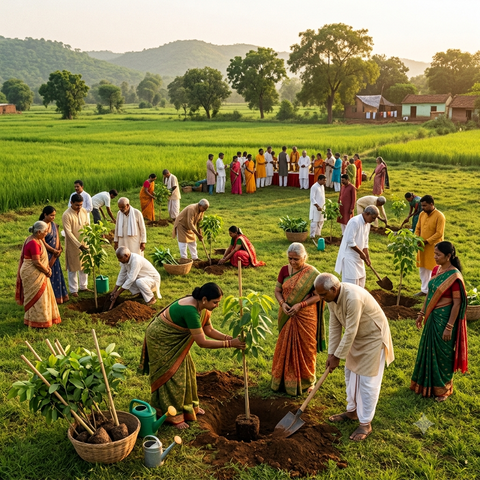
Tree planting initiatives benefit from reduced agricultural pressure on natural ecosystems. Organizations like Grow Billion Trees work to plant 100 crore trees across India, supporting the goal of combating climate change through collective action. Plant a tree in your name for just ₹299 with comprehensive care and GeoTag tracking.
The World Wildlife Fund's forest conservation programs demonstrate how dietary choices connect to global environmental protection. Supporting sustainable agriculture helps preserve existing forests and creates space for new growth.
Frequently Asked Questions
How much lower is the carbon footprint of plant-based milk compared to dairy?
Plant-based milk typically produces fewer carbon emissions than dairy milk. Soy milk has one of the lowest carbon footprints among plant-based alternatives.
Which plant-based milk has the smallest carbon footprint?
Soy milk generally has the smallest carbon footprint among plant-based alternatives. Oat and pea milk also offer excellent environmental benefits with moderate carbon emissions.
Does organic dairy milk have a lower carbon footprint than conventional dairy?
Organic dairy typically has a slightly higher carbon footprint than conventional dairy due to lower efficiency and higher land requirements. Both produce significantly more emissions than plant-based alternatives.
How does transportation affect milk carbon footprints?
Transportation contributes to the carbon footprint of milk production. Local production reduces emissions for both dairy and plant-based options, though plant-based alternatives maintain lower overall footprints.
Can switching to plant-based milk really make a difference for climate change?
Yes, individual switches to plant-based milk can prevent 200-300 kg of CO2 emissions annually. Collective action creates substantial environmental benefits and supports sustainable agriculture development.
What about the nutritional differences between dairy and plant-based milk?
Many plant-based milks offer fortification with essential nutrients like calcium and vitamin B12. Consulting healthcare providers ensures nutritional needs are met during dietary transitions.
Are there any plant-based milks with higher carbon footprints?
Almond milk from water-stressed regions can have higher environmental impacts due to irrigation requirements. However, even these alternatives typically produce fewer emissions than dairy milk.
How do processing methods affect plant-based milk carbon footprints?
Plant-based milk processing generally requires less energy than dairy processing. Simple blending and filtering methods contribute to lower overall carbon emissions compared to dairy's intensive processing requirements.
Taking Action for Our Planet's Future
The carbon footprint comparison between dairy and plant-based milk clearly demonstrates the environmental advantages of sustainable alternatives. Making conscious choices about our daily consumption creates meaningful impact for our planet's health. Our collective actions today shape the world we leave for future generations.
Ready to reduce your carbon footprint while supporting environmental restoration? Discover how your choices can contribute to planting 100 crore trees and achieving net zero targets. Learn more about sustainable living and environmental action at Grow Billion Trees today.