

India's Carbon Market Roadmap: 2025 and Beyond Guide
India's Carbon Market Roadmap is one of the most transformative policy frameworks shaping the nation's sustainable future. Launched under the Carbon C Read more
Connect with us
-
👥 Corporates
If you are looking for:
- 🌲 Tree Plantation Events
- 📊 CSR Projects
📧 corporate@growbilliontrees.com
📞 +91 9699723523
💬 +91 9325931304 WhatsApp (Only)
🕒 Mon - Sat | 10am - 7pm IST
-
🧩 Tree Plantation NGOs
If you are looking for:
- 💰 Financial Assistance
- 🤝 Operational Support
📧 support@growbilliontrees.com
📞 +91 9699723523
💬 +91 9325931304 WhatsApp (Only)
🕒 Mon - Sat | 10am - 7pm IST
-
🌼 Individuals
If you are looking for:
- 👥 Group Tree Plantation Drive
- 🌳 Bulk Tree Plantation
📞 +91 9699723523
💬 +91 9325931304 WhatsApp (Only)
🕒 Mon - Sat | 10am - 7pm IST
Trending Tree Plantations - Most Popular Environmental Programs
-
Trees for Birthday Celebration: Plant Meaningful Green Gifts
Regular price ₹ 299Regular priceUnit price per -
Trees for Mother
Regular price ₹ 299Regular priceUnit price per -
Trees as a Gift: Plant Hope & Create Lasting Environmental Impact
Regular price ₹ 299Regular priceUnit price per -
Trees to Honor the Memory of your Loved Ones
Regular price ₹ 299Regular priceUnit price per -
Trees for Women's Day (8th Mar)
Regular price ₹ 299Regular priceUnit price per





Trees for Corporates - Achieve Net Zero Targets Through Strategic Tree Planting
-
 Project Closed
Trees by LIFT Team for Green Diwali: Transform Your Festival
Regular price ₹ 299Regular priceUnit price per -
Trees for a Greener Tomorrow - by Mahindra Lifespaces
Regular price ₹ 299Regular priceUnit price per -
Trees for Environment Day: Plant Your Impact on June 5th
Regular price ₹ 299Regular priceUnit price per -
Trees for Farmers: Sustainable Agroforestry Solutions for 2026
Regular price ₹ 299Regular priceUnit price per -
Trees for Employees: Transform Your Corporate Culture in 2026
Regular price ₹ 299Regular priceUnit price per




India's Carbon Market Roadmap is one of the most transformative policy frameworks shaping the nation's sustainable future. Launched under the Carbon Credit Trading Scheme (CCTS), it enables industries and institutions to reduce emissions through verified carbon credits. In 2026, this roadmap continues to evolve rapidly, making it a vital tool in India's mission to achieve Net Zero Targets by 2070. The framework is not just a regulatory milestone — it is a green economic revolution.
Our team has followed this market's growth from a regulatory ambition into a structured, functioning system. Our experience working across reforestation and agroforestry programs confirms that carbon markets, when backed by genuine tree planting, can drive real and lasting impact. India is writing a new chapter in climate leadership — and every citizen has a role to play.
What Is India's Carbon Market? ✅
A carbon market allows organizations to buy and sell carbon credits. Each credit represents one tonne of carbon dioxide reduced, avoided, or sequestered from the atmosphere. India's Carbon Market Roadmap is built on the Energy Conservation (Amendment) Act of 2022, which formally enabled the CCTS framework and set the legal foundation for domestic carbon trading.
The Bureau of Energy Efficiency (BEE) oversees all market operations and sets compliance obligations for energy-intensive industries. Verified entities earn credits for reducing emissions below assigned targets. These credits can then be sold to other industries that exceed their permitted emission limits, creating a financial incentive to go green.
According to the United Nations Climate Change framework, carbon markets are a proven mechanism for mobilizing large-scale climate finance. India's model aligns with this global direction, providing a structured and transparent path toward its Nationally Determined Contributions (NDCs) under the Paris Agreement.
Key Milestones in India's Carbon Market Roadmap 💡
India's journey toward a functioning carbon market includes several important milestones. Understanding these helps businesses and individuals see where the greatest opportunities for impact and investment lie in 2026 and beyond.
- 2022: Energy Conservation (Amendment) Act passed, enabling CCTS and carbon credit trading.
- 2023: BEE released draft CCTS rules; public consultation and stakeholder feedback completed.
- 2024: Pilot phase launched for energy-intensive sectors including steel, cement, and aluminum.
- 2025: Carbon Credit Trading Scheme officially operationalized on Indian stock exchanges (BSE and NSE).
- 2026 and beyond: Expansion to new sectors; integration with voluntary carbon markets expected to deepen.
A 2026 report by the Ministry of Environment, Forest and Climate Change estimates that India's carbon market could unlock over ₹50,000 crore in climate investments by 2030. This figure signals a transformative shift in how India funds its environmental restoration goals. Moreover, it creates enormous opportunity for certified reforestation projects to generate tradeable credits.
The Role of Forests in India's Carbon Strategy ✅
Forests are the planet's most powerful natural carbon sinks. India's target of achieving 33% forest and tree cover is central to its broader carbon market strategy. Reforestation and afforestation projects generate verified carbon credits that can be traded on both domestic and international markets, linking ecological restoration to economic value.
The United Nations Environment Programme's forests initiative highlights that forests absorb nearly 2.6 billion tonnes of CO2 globally each year. Protecting and expanding India's forest cover is therefore not optional — it is essential to meeting any meaningful climate target. Every tree planted is a unit of climate action.
However, WWF's research on deforestation and forest degradation warns that without urgent action, forest loss could significantly accelerate global carbon emissions. India's Carbon Market Roadmap directly addresses this threat through policy-backed plantation drives, community forestry, and mangrove restoration programs that nurture ecosystems back to health.
Our experience working across states like Maharashtra, Karnataka, Tamil Nadu, and Odisha confirms that large-scale tree planting not only sequesters carbon but also restores biodiversity, protects watersheds, and supports local livelihoods. We have seen firsthand how a thriving forest patch can transform an entire community and help it thrive for generations.
How Tree Planting Supports Carbon Credits ⭐
Tree planting is one of the most accessible ways for both individuals and corporations to participate in India's carbon economy. As trees grow, they absorb atmospheric CO2 and store it as biomass in their trunks, roots, and soil. Verified plantations under recognized standards generate certified carbon credits that are fully tradeable.
At Grow Billion Trees, we provide 4ft Tree Planting + 3 Years Care + GeoTag with every tree planted. This ensures your contribution is verified, traceable, and impactful over the long term. Our GeoTag technology allows you to track the exact location and growth progress of your tree — a level of transparency that builds authentic trust between planters and the planet.
For just ₹299, you can Plant a tree in your Name and contribute directly to India's growing carbon sink. This is one of the most cost-effective and easy ways to support Combating Climate Change Through Collective Action. Our partners include government forest departments and certified environmental bodies, adding a layer of verified authenticity to every plantation effort.
Corporate Net Zero Targets and the Carbon Market ✅
Indian corporations face growing pressure to meet Net Zero Targets with measurable, certified action. The Securities and Exchange Board of India (SEBI) now mandates Business Responsibility and Sustainability Reports (BRSR) for the top 1,000 listed companies. Carbon credits are increasingly central to these compliance and disclosure strategies.
We ensure that our corporate partners receive verified, GeoTagged tree certificates suitable for inclusion in sustainability reports and ESG disclosures. Many of India's leading firms have already partnered with us to offset emissions through our Miyawaki, Agroforestry, and Urban Forest programs, achieving both environmental and reputational gains.
According to a 2026 study by the Confederation of Indian Industry (CII), over 68% of large Indian enterprises plan to purchase domestic carbon credits by 2028. Therefore, early participation in India's carbon market offers a clear strategic and competitive advantage. Companies that act now will be better positioned to meet future regulatory requirements and stakeholder expectations.
Miyawaki, Agroforestry, and Mangrove: Specialized Programs 💡
Not all trees deliver equal carbon impact. At Grow Billion Trees, we offer specialized, eco-friendly planting programs designed to maximize both ecological value and carbon sequestration potential. Each program is aligned with India's Carbon Market Roadmap and proven through hands-on field implementation.
- Miyawaki Forests: Dense, multi-layered native forests that grow 10x faster than conventional plantations, sequestering carbon rapidly while boosting biodiversity.
- Agroforestry: Trees integrated with farmland to improve soil carbon, boost farmer income, and enhance food security across rural India.
- Mangrove Restoration: Coastal mangroves store up to 4x more carbon per hectare than tropical inland forests — a critical and high-value asset in India's carbon market.
- Urban Forests: Green corridors in cities like Mumbai, Bangalore, Delhi, Chennai, and Hyderabad that reduce urban heat, improve air quality, and save municipal energy costs.
Each program is mindfully designed to align with India's Carbon Market Roadmap and broader reforestation goals. Our hands-on project management ensures every tree planted meets rigorous quality and survival benchmarks. This is how we guarantee measurable, lasting impact — and why thousands of individuals and institutions trust us.
Planting 100 Crore Trees: Our Mission and Your Role
Grow Billion Trees is on a bold mission to plant 100 crore trees across India by June 2030. This is more than a number — it is a movement rooted in hope, purpose, and collective will. Each tree planted is a natural, organic contribution to a carbon-neutral, earth-restoring India that future generations will be glad to inherit.
The United Nations Sustainable Development Goals call for urgent climate action, protection of life on land, and responsible consumption. Our mission directly supports SDGs 13, 15, and 17 — making tree planting a globally aligned act of conscious purpose and green leadership.
We love seeing individuals, schools, and corporations join this great mission. Whether you plant a tree to celebrate a birthday, honor a loved one, or meet a corporate sustainability goal, your contribution is wonderful and deeply meaningful. In addition, our tree gifting options make sustainability personal, joyful, and easy to share with others.
Every tree you plant through us is organic, nurtured with natural care, and supported for three full years. We provide a trusted, certified, and transparent process that connects your action to visible, verifiable results. Together, we can grow a healthier earth and help India thrive as a global leader in environmental restoration.
Frequently Asked Questions
What is India's Carbon Market Roadmap?
India's Carbon Market Roadmap is a government-led policy framework under the Carbon Credit Trading Scheme (CCTS), enabling industries and organizations to trade verified carbon credits. It aligns with India's net zero ambitions and supports green economic growth by incentivizing emission reductions across key sectors.
When did India's carbon market officially launch?
India's Carbon Credit Trading Scheme was operationalized in 2025 under the Bureau of Energy Efficiency. The framework began as a pilot program in 2024, initially covering energy-intensive industries like steel, cement, and aluminum, before expanding to a full-scale national rollout.
How do trees contribute to carbon credits?
Trees absorb CO2 during photosynthesis and store it as biomass in their trunks, branches, roots, and surrounding soil. Verified tree plantation projects registered under recognized standards can generate carbon credits, each representing one tonne of CO2 sequestered — a measurable, certified climate contribution.
Can individuals participate in India's carbon market?
While the compliance carbon market is designed for regulated industries, individuals can actively participate in the voluntary carbon market by planting trees through certified programs. Grow Billion Trees offers a simple, proven way to contribute for just ₹299 per tree, complete with GeoTag tracking and a personalized certificate.
What is the goal of Grow Billion Trees?
Grow Billion Trees aims to plant 100 crore trees across India by June 2030. The mission supports India's reforestation goals, carbon sequestration targets, and biodiversity restoration through specialized programs including Miyawaki forests, agroforestry, mangrove restoration, and urban forestry initiatives.
How does GeoTag technology work for planted trees?
GeoTag technology assigns a unique geographic identifier to each planted tree. This allows the planter to track the tree's exact location, monitor its growth progress over time, and receive verified proof of environmental impact — building genuine trust and full accountability in every planting program.
Which sectors are covered under India's CCTS?
The initial phase of India's Carbon Credit Trading Scheme covers energy-intensive sectors including steel, cement, aluminum, textile, pulp and paper, chlor-alkali, and petrochemicals. Additional sectors are expected to be included as the market matures and grows beyond 2026, improving its breadth and carbon reduction impact.
How does India's carbon market align with global climate goals?
India's carbon market is designed to support its Nationally Determined Contributions (NDCs) under the Paris Agreement. It aligns with United Nations climate frameworks and contributes to global efforts to limit warming below 1.5°C by mobilizing domestic climate finance and incentivizing verified emission reductions.
What makes mangrove restoration valuable for carbon markets?
Mangroves are among the most carbon-dense ecosystems on Earth, storing up to 4x more carbon per hectare than inland tropical forests. Mangrove restoration projects generate high-value blue carbon credits while simultaneously protecting coastlines, reducing storm damage, and supporting rich marine biodiversity.
How can corporations use tree planting for net zero compliance?
Corporations can offset residual emissions by investing in certified tree planting programs aligned with recognized standards. Grow Billion Trees provides verified, GeoTagged tree certificates suitable for BRSR disclosures and ESG reports, directly supporting Net Zero Target commitments and SEBI sustainability reporting requirements.India's Carbon Market Roadmap is a bold, forward-looking strategy that transforms environmental responsibility into economic opportunity and collective purpose. By planting trees, restoring forests, and participating in carbon markets, every stakeholder — individual or corporate — can help build a conscious, sustainable, and thriving India. Explore our programs today at Grow Billion Trees and join the movement to plant 100 crore trees across this wonderful nation. Together, we grow a greener future — one tree at a time.
You may like
-
Gift a Tree - Meaningful Environmental Gifts That Make a Difference
Transform your gift-giving with meaningful environmental gifts that create lasting impact for...
-

Trees For Shiv Ji - Sacred Tree Planting to Honor Lord Shiva
Honor Lord Shiva through sacred tree planting with Trees For Shiv Ji,...
-

Tree Plantations for Shri Ram - Sacred Devotional Planting Services
Honor Lord Shri Ram through meaningful tree plantations for Shri Ram that...
-
Tree Plantation on Navratri - Celebrate Divine Festivals with Environmental Devotion
Tree plantation on Navratri transforms the sacred nine-day festival into a powerful...
-
Tree Plantation by Cause - Plant Trees for Every Purpose | Grow Billion Trees
Transform your environmental impact with purpose-driven tree plantation by cause programs that...
Corporate Plantations
-

Trees for Corporates - Achieve Net Zero Targets Through Strategic Tree Planting
Trees for Corporates - Strategic Environmental SolutionsTransform your corporate environmental impact with...
-

Tree Plantation for CSR - Corporate Environmental Programs | Grow Billion Trees
Tree Plantation for CSR - Transform Your Corporate Environmental ImpactTree plantation for...
-
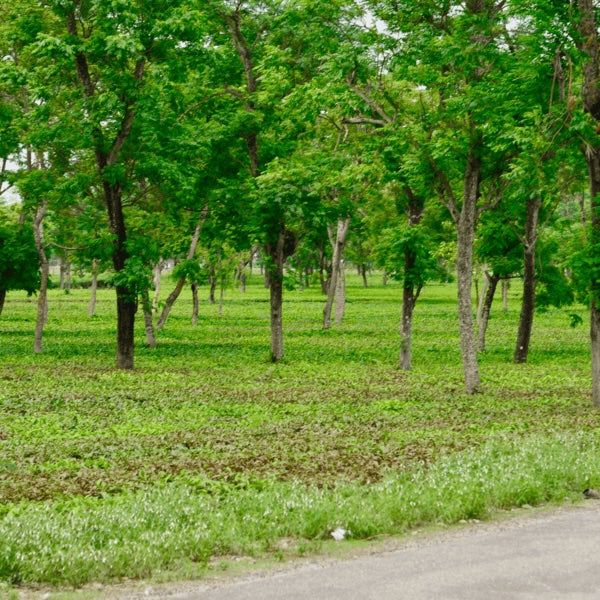
Tree Plantation for SDG - Support Sustainable Development Goals
Tree plantation for SDG initiatives represents a powerful pathway to achieving multiple...
-

Corporate Tree Plantation Programs - Sustainable ESG Environmental Solutions for Net Zero Targets
Transform your organization's environmental impact with our comprehensive Corporate Tree Plantation Programs...
-
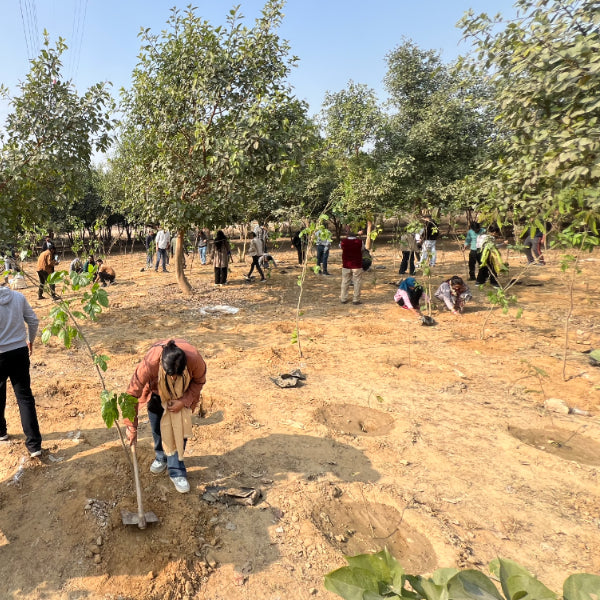
Tree Plantation by Location - Plant Trees Across India
Transform landscapes nationwide through our comprehensive tree plantation by location program. When...
Most Popular Tree Plantations - Top Choices for Environmental Impact
-
Trees for Birthday Celebration: Plant Meaningful Green Gifts
Regular price ₹ 299Regular priceUnit price per -
Trees for Mother
Regular price ₹ 299Regular priceUnit price per -
Trees as a Gift: Plant Hope & Create Lasting Environmental Impact
Regular price ₹ 299Regular priceUnit price per -
Trees to Honor the Memory of your Loved Ones
Regular price ₹ 299Regular priceUnit price per -
Trees for Krishna on Janmashtami - Sacred Divine Gift ₹299
Regular price ₹ 299Regular priceUnit price per