

Carbon Footprint of Fashion: Fast Fashion vs Sustainable Clothing
The carbon footprint of fashion reveals a shocking truth: fast fashion produces 10% of global carbon emissions, while sustainable clothing can reduce Read more
Connect with us
-
👥 Corporates
If you are looking for:
- 🌲 Tree Plantation Events
- 📊 CSR Projects
📧 corporate@growbilliontrees.com
📞 +91 9699723523
💬 +91 9325931304 WhatsApp (Only)
🕒 Mon - Sat | 10am - 7pm IST
-
🧩 Tree Plantation NGOs
If you are looking for:
- 💰 Financial Assistance
- 🤝 Operational Support
📧 support@growbilliontrees.com
📞 +91 9699723523
💬 +91 9325931304 WhatsApp (Only)
🕒 Mon - Sat | 10am - 7pm IST
-
🌼 Individuals
If you are looking for:
- 👥 Group Tree Plantation Drive
- 🌳 Bulk Tree Plantation
📞 +91 9699723523
💬 +91 9325931304 WhatsApp (Only)
🕒 Mon - Sat | 10am - 7pm IST
Trending Tree Plantations - Most Popular Environmental Programs
-
Trees for Birthday Celebration: Plant Meaningful Green Gifts
Regular price ₹ 299Regular priceUnit price per -
Trees for Mother
Regular price ₹ 299Regular priceUnit price per -
Trees as a Gift: Plant Hope & Create Lasting Environmental Impact
Regular price ₹ 299Regular priceUnit price per -
Trees to Honor the Memory of your Loved Ones
Regular price ₹ 299Regular priceUnit price per -
Trees for Women's Day (8th Mar)
Regular price ₹ 299Regular priceUnit price per
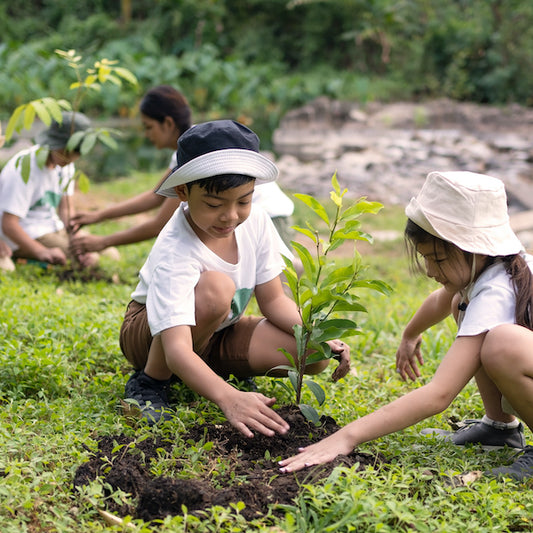

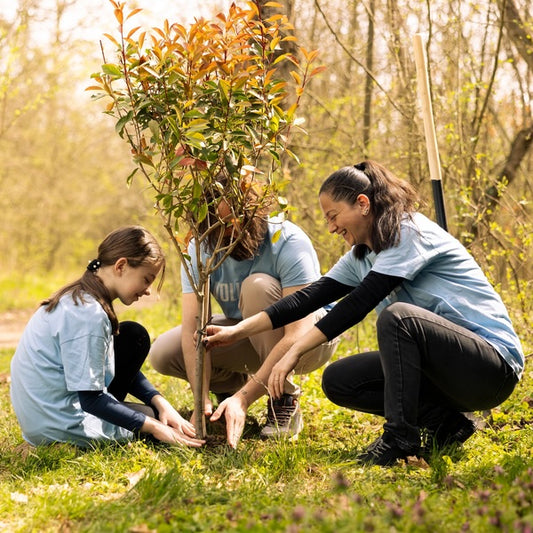


Trees for Corporates - Achieve Net Zero Targets Through Strategic Tree Planting
-
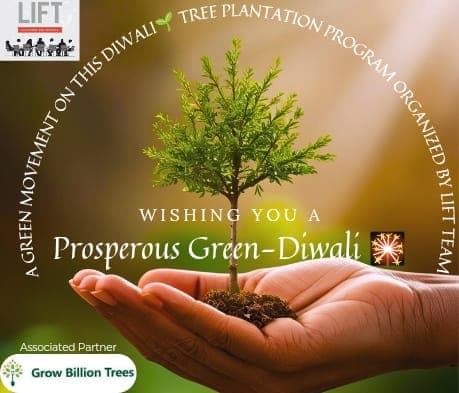 Project Closed
Trees by LIFT Team for Green Diwali: Transform Your Festival
Regular price ₹ 299Regular priceUnit price per -
Trees for a Greener Tomorrow - by Mahindra Lifespaces
Regular price ₹ 299Regular priceUnit price per -
Trees for Environment Day: Plant Your Impact on June 5th
Regular price ₹ 299Regular priceUnit price per -
Trees for Farmers: Sustainable Agroforestry Solutions for 2026
Regular price ₹ 299Regular priceUnit price per -
Trees for Employees: Transform Your Corporate Culture in 2026
Regular price ₹ 299Regular priceUnit price per

The carbon footprint of fashion reveals a shocking truth: fast fashion produces 10% of global carbon emissions, while sustainable clothing can reduce your wardrobe's environmental impact by up to 70%. Our experience working with eco-conscious consumers shows that understanding this difference is crucial for making planet-friendly choices in 2026.
Welcome to the world of sustainable fashion, where every thread counts toward combating climate change through collective action. We're happy to guide you through this wonderful transformation of your wardrobe.
Understanding the Carbon Footprint of Fashion
The fashion industry's carbon footprint encompasses every stage from fiber production to disposal. Fast fashion generates approximately 1.2 billion tons of CO2 annually. This massive impact stems from energy-intensive manufacturing processes and synthetic materials.
Sustainable clothing, however, takes a different approach. Our team has found that organic cotton reduces carbon emissions by 46% compared to conventional cotton. Natural fibers require less processing and chemical treatment, making them inherently more eco-friendly.
According to the United Nations climate change initiative, the textile industry must reduce emissions by 45% by 2030 to align with global climate goals. This urgent timeline makes sustainable fashion choices more critical than ever.
Fast Fashion's Environmental Impact ⚠️
Fast fashion's business model thrives on overconsumption and disposability. The average garment is worn only seven times before disposal. This wasteful cycle generates enormous carbon emissions through constant production and transportation.
Polyester, the most common fast fashion fabric, produces 9.5 kg of CO2 per kilogram of fiber. Synthetic materials also shed microplastics during washing, polluting our oceans and waterways. The environmental cost extends far beyond carbon emissions.
Manufacturing locations compound the problem. Most fast fashion production occurs in countries with coal-heavy energy grids. Transportation from these facilities to global markets adds another layer of carbon intensity to each garment.
The World Wildlife Fund reports on deforestation that textile production contributes to forest loss through raw material sourcing and land conversion for cotton farming.
Sustainable Clothing: A Green Alternative ✅
Sustainable clothing brands prioritize planet-friendly materials and ethical production methods. Organic cotton, hemp, and linen naturally sequester carbon during growth. These materials create a positive environmental cycle rather than depleting natural resources.
We ensure our partners use renewable energy in manufacturing processes. Solar and wind power can reduce production emissions by 80% compared to fossil fuel-powered facilities. This shift toward clean energy transforms the entire supply chain.
Durability represents another key advantage of sustainable fashion. High-quality garments last 10-15 years with proper care. This longevity dramatically reduces the carbon footprint per wear, making sustainable clothing an intelligent long-term investment.
Local production further minimizes transportation emissions. Garments made within 500 miles of their destination generate 60% fewer carbon emissions than globally shipped fast fashion items.
💡 Making Sustainable Fashion Choices
Choosing sustainable clothing requires mindful consideration of materials, production methods, and brand values. Look for certifications like GOTS (Global Organic Textile Standard) and OEKO-TEX, which guarantee eco-friendly practices throughout the supply chain.
Natural fibers offer the most sustainable options. Organic cotton, hemp, linen, and wool from regenerative farms actively improve soil health while growing. These materials biodegrade naturally at end-of-life, unlike synthetic alternatives.
Quality over quantity transforms your wardrobe's environmental impact. Investing in fewer, higher-quality pieces reduces overall consumption and waste. Our experience shows that customers who embrace this approach save money while protecting the planet.
Care practices significantly influence garment lifespan and carbon footprint. Cold water washing, air drying, and proper storage extend clothing life while reducing energy consumption. These simple changes can cut your wardrobe's emissions by 25%.
The Role of Forests in Sustainable Fashion 🌱
Forests play a crucial role in sustainable textile production and carbon sequestration. Tree-based fibers like TENCEL and modal offer eco-friendly alternatives to synthetic materials. These innovative fabrics combine comfort with environmental responsibility.
The WWF forest conservation programs highlight how responsible forestry practices support both textile production and biodiversity conservation. Certified sustainable forestry ensures fiber sourcing doesn't contribute to deforestation.
At Grow Billion Trees, we understand the connection between reforestation and sustainable fashion. Our mission to plant 100 crore trees directly supports the raw materials needed for eco-friendly textiles. Plant a tree in your name for ₹299 and contribute to this wonderful cycle of sustainability.
Agroforestry systems integrate tree planting with fiber crop production. These methods improve soil health, sequester carbon, and provide sustainable raw materials for the fashion industry. Our partners implement these regenerative practices across India.
Corporate Responsibility and Net Zero Targets ⭐
Fashion brands increasingly commit to net zero targets, recognizing their environmental responsibility. Leading companies invest in renewable energy, sustainable materials, and circular business models. These initiatives demonstrate that profitable and planet-friendly fashion can coexist.
Supply chain transparency allows consumers to make informed choices. Brands sharing detailed carbon footprint data enable customers to understand their purchases' true environmental cost. This transparency drives industry-wide improvement toward sustainability.
Our experience working with corporate partners shows that achieving net zero targets requires comprehensive strategies. Companies must address emissions across their entire value chain, from raw materials to end-of-life disposal.
The United Nations Sustainable Development Goals framework guides fashion industry transformation toward responsible consumption and production patterns.
Technology and Innovation in Sustainable Fashion
Innovative technologies revolutionize sustainable fashion production. Lab-grown materials like biofabricated leather and mushroom-based textiles offer cruelty-free alternatives with minimal environmental impact. These breakthrough materials showcase the future of eco-friendly fashion.
Digital design tools reduce waste through virtual prototyping and precise pattern making. 3D modeling eliminates physical samples, saving materials and transportation emissions. Technology enables more efficient and sustainable design processes.
Blockchain technology ensures supply chain transparency and authenticity. Consumers can trace garments from fiber to finished product, verifying sustainable claims and ethical production practices. This technology builds trust between brands and environmentally conscious customers.
Circular fashion platforms facilitate clothing resale, rental, and recycling. These innovative business models extend garment lifecycles and reduce the need for new production. Technology makes sustainable fashion more accessible and convenient for consumers.
Building a Sustainable Wardrobe Strategy
Creating a sustainable wardrobe starts with auditing your current clothing collection. Identify gaps, assess quality, and prioritize versatile pieces that mix and match easily. This strategic approach maximizes utility while minimizing environmental impact.
Capsule wardrobes focus on essential, high-quality pieces that work together seamlessly. Thirty to forty carefully chosen items can create hundreds of outfit combinations. This approach reduces consumption while ensuring you always have something wonderful to wear.
Seasonal shopping discipline prevents impulse purchases and overconsumption. Plan purchases around genuine needs and choose timeless styles over trendy pieces. This mindful approach aligns with sustainable living principles and saves money long-term.
Clothing care extends garment lifespan and maintains quality. Proper washing, drying, and storage techniques preserve fabrics and colors. Learning basic repair skills like sewing buttons and mending small tears further extends clothing life.
Frequently Asked Questions
What is the carbon footprint difference between fast fashion and sustainable clothing?
Fast fashion produces 10 times more carbon emissions than sustainable clothing. A typical fast fashion garment generates 33.4 kg of CO2, while sustainable alternatives produce only 3.3 kg. This dramatic difference stems from production methods, materials, and garment lifespan.
How can I reduce my fashion carbon footprint?
Choose quality over quantity, buy from sustainable brands, care for clothes properly, and shop secondhand. These strategies can reduce your fashion carbon footprint by up to 70%. Focus on natural materials and local production when possible.
Are sustainable clothes more expensive?
Sustainable clothing has higher upfront costs but provides better value long-term. Quality garments last 10-15 years versus 1-2 years for fast fashion. The cost per wear often favors sustainable options, making them economically smart choices.
What materials have the lowest carbon footprint?
Organic cotton, hemp, linen, and wool from regenerative farms have the lowest carbon footprints. These natural materials sequester carbon during growth and biodegrade naturally. Avoid synthetic materials like polyester, which produce high emissions.
How does clothing care affect carbon footprint?
Proper care reduces carbon footprint by extending garment lifespan and reducing energy consumption. Cold water washing, air drying, and gentle handling can cut clothing-related emissions by 25%. Regular maintenance prevents premature replacement needs.
Can fashion brands really achieve net zero emissions?
Yes, through renewable energy, sustainable materials, circular business models, and supply chain transparency. Leading brands demonstrate that net zero targets are achievable with comprehensive strategies and genuine commitment to environmental responsibility.
What role do forests play in sustainable fashion?
Forests provide sustainable raw materials like tree-based fibers and support carbon sequestration. Responsible forestry practices ensure textile production doesn't contribute to deforestation while maintaining biodiversity and ecosystem health.
How can technology improve fashion sustainability?
Technology enables lab-grown materials, digital design tools, blockchain transparency, and circular fashion platforms. These innovations reduce waste, improve efficiency, and make sustainable fashion more accessible to consumers worldwide.
Taking Action for a Sustainable Future
The carbon footprint of fashion represents both a challenge and an opportunity for positive change. By choosing sustainable clothing over fast fashion, you directly contribute to combating climate change through collective action. Every purchase decision matters in creating a more sustainable future.
We love helping environmentally conscious individuals transform their wardrobes while protecting our planet. Our comprehensive approach includes not just tree planting but education about sustainable living practices. Together, we can achieve meaningful environmental impact.
Join our mission to plant 100 crore trees across India while embracing sustainable fashion choices. Plant a tree in your name today and receive our 4ft tree planting + 3 years care + GeoTag service for just ₹299. Discover how you can make a difference and transform your environmental impact through conscious choices.
You may like
-
Gift a Tree - Meaningful Environmental Gifts That Make a Difference
Transform your gift-giving with meaningful environmental gifts that create lasting impact for...
-
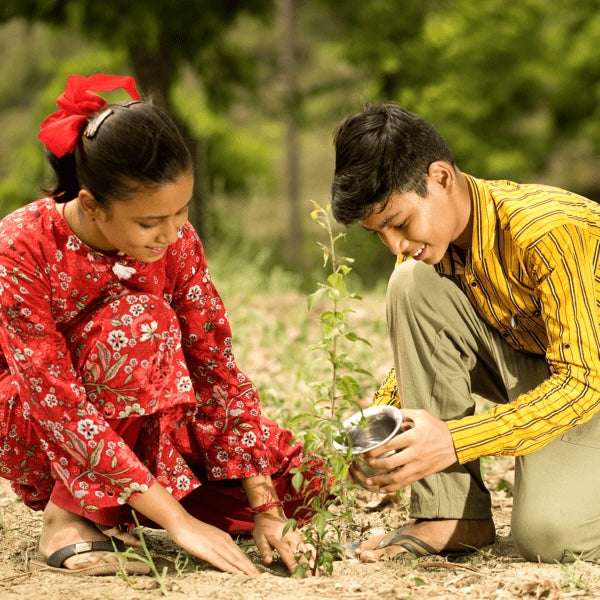
Trees For Shiv Ji - Sacred Tree Planting to Honor Lord Shiva
Honor Lord Shiva through sacred tree planting with Trees For Shiv Ji,...
-

Tree Plantations for Shri Ram - Sacred Devotional Planting Services
Honor Lord Shri Ram through meaningful tree plantations for Shri Ram that...
-
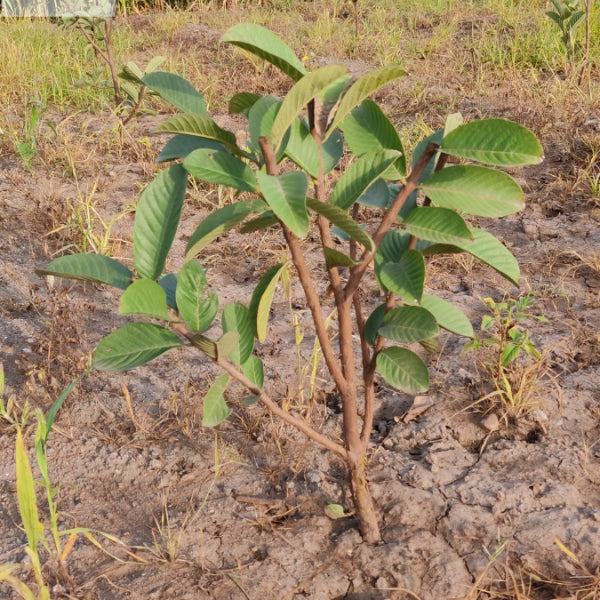
Tree Plantation on Navratri - Celebrate Divine Festivals with Environmental Devotion
Tree plantation on Navratri transforms the sacred nine-day festival into a powerful...
-
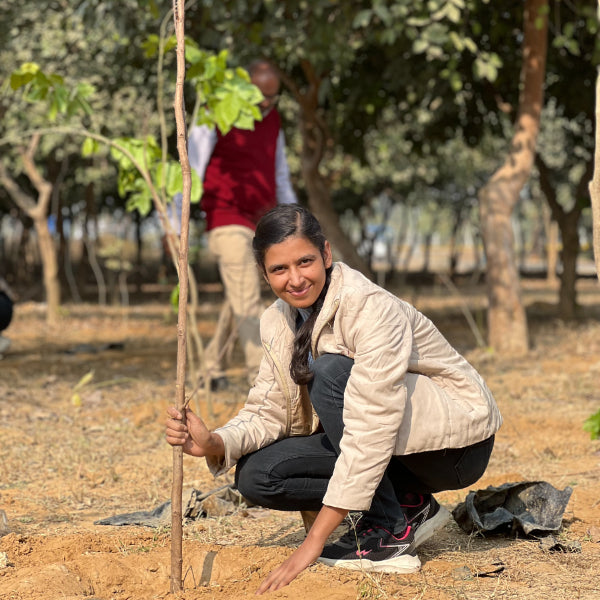
Tree Plantation by Cause - Plant Trees for Every Purpose | Grow Billion Trees
Transform your environmental impact with purpose-driven tree plantation by cause programs that...
Corporate Plantations
-
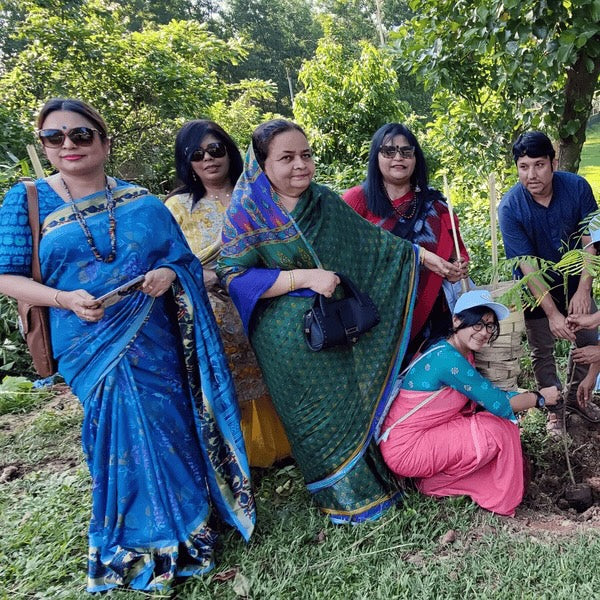
Trees for Corporates - Achieve Net Zero Targets Through Strategic Tree Planting
Trees for Corporates - Strategic Environmental SolutionsTransform your corporate environmental impact with...
-
Tree Plantation for CSR - Corporate Environmental Programs | Grow Billion Trees
Tree Plantation for CSR - Transform Your Corporate Environmental ImpactTree plantation for...
-
Tree Plantation for SDG - Support Sustainable Development Goals
Tree plantation for SDG initiatives represents a powerful pathway to achieving multiple...
-

Corporate Tree Plantation Programs - Sustainable ESG Environmental Solutions for Net Zero Targets
Transform your organization's environmental impact with our comprehensive Corporate Tree Plantation Programs...
-
Tree Plantation by Location - Plant Trees Across India
Transform landscapes nationwide through our comprehensive tree plantation by location program. When...
Most Popular Tree Plantations - Top Choices for Environmental Impact
-
Trees for Birthday Celebration: Plant Meaningful Green Gifts
Regular price ₹ 299Regular priceUnit price per -
Trees for Mother
Regular price ₹ 299Regular priceUnit price per -
Trees as a Gift: Plant Hope & Create Lasting Environmental Impact
Regular price ₹ 299Regular priceUnit price per -
Trees to Honor the Memory of your Loved Ones
Regular price ₹ 299Regular priceUnit price per -
Trees for Krishna on Janmashtami - Sacred Divine Gift ₹299
Regular price ₹ 299Regular priceUnit price per