
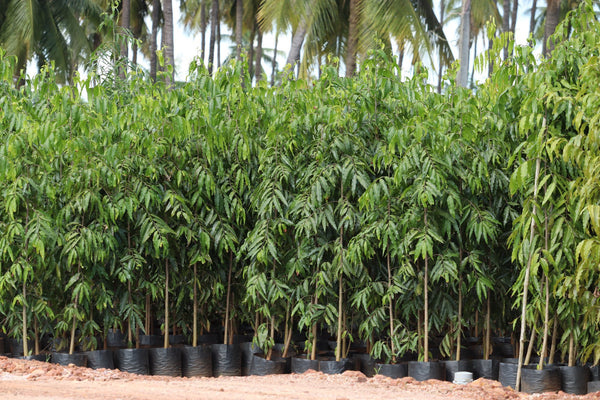


Agroforestry
Trees that earn for farmers
Digital forest · Urban Plantation
WhiteOak Capital, a global investment management and advisory firm, marked a meaningful milestone through a dedicated urban forestry initiative, reaffirming its commitment to environmental responsibility and sustainable growth. Known for its disciplined, research-driven investment...

WhiteOak Capital, a global investment management and advisory firm, marked a meaningful milestone through a dedicated urban forestry initiative, reaffirming its commitment to environmental responsibility and sustainable growth. Known for its disciplined, research-driven investment approach and long-term value creation, the firm integrated this green initiative as a reflection of its broader ESG philosophy and responsible stewardship.
The plantation activity served as more than an environmental effort—it symbolised WhiteOak Capital’s belief that sustainable investing extends beyond financial performance to creating lasting positive impact. By supporting the development of urban forests, the initiative contributes to enhanced green cover, improved air quality, and stronger urban ecosystems. This effort transformed the occasion into a purposeful step toward climate action, reinforcing WhiteOak Capital’s vision of aligning leadership, accountability, and sustainability for a resilient and future-ready world.
No of Trees: 200
Plantation Location: JNPT Rd, Sheva Rd, Navi Mumbai, Maharashtra
Plantation Date: 27th December 2025
Name of Species: Palas, Karanj, Shirish, Ashoka, Tabebuia
The species selected for WhiteOak Capital’s urban forestry initiative were carefully chosen to align with the local ecosystem and maximise ecological benefits. A diverse mix of Palas, Karanj, Shirish, Ashoka, and Tabebuia was planted to strengthen green cover and support long-term environmental sustainability.
These species collectively contribute to improved air quality, carbon sequestration, soil stabilisation, and enhanced biodiversity. Palas and Karanj are known for their soil-enriching properties and ability to support pollinators, helping restore ecological balance. Shirish plays a vital role in improving soil health, reducing erosion, and providing a broad canopy that helps moderate local temperatures. Ashoka, a culturally significant evergreen species, adds aesthetic value while offering shade and contributing to a healthier urban microclimate. Tabebuia, with its vibrant seasonal flowering, enhances visual appeal and supports urban biodiversity by attracting birds and insects.
Beyond their environmental benefits, these species contribute to social and cultural well-being by improving urban aesthetics, reducing heat stress, and creating more livable public spaces. The thoughtful selection of these trees ensures the development of a resilient urban forest that delivers long-term ecological impact, community value, and climate resilience, reflecting WhiteOak Capital’s commitment to sustainable urban development and responsible environmental stewardship.
Target Population: Employees, stakeholders, and local community members of Navi Mumbai
Age Group: All age groups focus on adults to seniors
Gender: Inclusive of all genders
Urban Forestry: An urban forest is a network of trees, shrubs, and vegetation strategically planted in urban areas to enhance biodiversity, improve air quality, reduce the urban heat island effect, and provide green spaces for community well-being. It helps mitigate climate change by absorbing carbon dioxide, promotes mental health through accessible green areas, and supports local wildlife by creating habitats. Urban forests play a vital role in building resilient, sustainable cities that benefit both the environment and the people who live in them.
Advantages of Urban Forestry
Climate Regulation and Cooling Effect: Urban forests help mitigate the urban heat island effect by providing shade and cooling through transpiration, lowering temperatures in cities, reducing the need for air conditioning, and conserving energy.
Improved Air Quality: Trees absorb pollutants like carbon dioxide, nitrogen oxides, and particulate matter, leading to improved air quality and reducing the risk of respiratory illnesses in urban areas.
Stormwater Management and Flood Prevention: Urban forests improve the soil’s ability to absorb and retain water, reducing stormwater runoff, preventing flooding, and promoting groundwater recharge, thus helping manage water resources efficiently.
Soil Erosion Control: The deep root systems of trees prevent soil erosion, especially in areas with heavy rainfall or steep slopes, stabilizing the land and reducing soil loss in urban environments.
Aesthetic and Recreational Value: The transformation of unused spaces into green zones adds aesthetic value to the area and provides employees and local communities with recreational spaces, making the workplace more enjoyable.
Enhanced Community Engagement and Well-being: Urban forests provide accessible green spaces where communities can engage in recreational activities, improving mental health, reducing stress, and fostering a sense of environmental stewardship among residents and employees.
Increased Property Value: Properties located near urban forests or green spaces tend to have higher market values, benefiting local property owners and increasing the overall appeal and livability of the area.
During the tree plantation drive organised in collaboration with Grow Billion Trees, employees of WhiteOak Capital actively participated in the initiative. The activity reflected WhiteOak Capital’s commitment to environmental sustainability and employee-driven green action.
Preparations for the day began with a well-structured layout of the site, including pre-dug pits and carefully chosen saplings known for their ecological and ecological value. WhiteOak Capital employees actively engaged in the planting process, learning about the species and their role in strengthening the local ecosystem. This hands-on experience allowed participants to reconnect with nature and appreciate the value of green interventions in urban landscapes.
On the day of the event, WhiteOak Capital employees participated in planting saplings, ensuring proper depth and spacing to support healthy growth. In addition to the plantation activity, employees also documented the event by clicking photographs, capturing key moments of the plantation process and their collective contribution to environmental conservation.
The initiative concluded with the watering of saplings, followed by group photographs capturing moments of unity, smiles, and fulfilment. More than just planting trees, WhiteOak Capital’s initiative planted hope and a greener vision for the future, leaving behind not only new life in the soil but also a lasting sense of collective achievement.
| Parameters | Values | References |
| No. of Trees Planted | 200 | |
| Green Cover (Acres) | 0.045 | |
| Carbon Sequestration Potential (KG) | 20 |
Small to medium-sized trees can sequester around 10–48 kilograms (22–106 pounds) of CO₂ annually. https://growbilliontrees.com/blogs/knowledge/how-much-co2-can-one-tree-absorb |
| Carbon Sequestration by 200 mature trees ( tonnes/year) | 4 tonnes | No. of Trees x Carbon Sequestration by 1 mature trees per year |
| Carbon Credit Equivalent | 4 | One carbon credit is equivalent to one tonne of carbon dioxide or the equivalent amount of another greenhouse gas. |
| Carbon Footprint of an avg Indian Citizen (tonnes/Year) | 1.8 | https://www.iea.org/countries/india/emissions |
| Offsets Annual Carbon Footprint of (Adults) | 2 | Carbon offset by 200 mature trees per year / Carbon Footprint of an avg Indian Citizen per year |
*This impact analysis is forward-looking. (An Urban - Forest project matures in 3-5 years)
Improved Public Health: By improving air quality and reducing urban heat, the project indirectly contributes to better public health. The presence of green spaces encourages outdoor activities, which can reduce stress levels, promote mental well-being, and decrease the incidence of respiratory diseases.
Environmental Awareness: Involving communities in urban forestry raises awareness about environmental conservation and promotes sustainable practices in daily life.
Employee Morale: The initiative fostered a sense of pride and connection among employees, strengthening team bonds and their alignment with the company’s values.
Inspiration for Change: By showcasing the potential of urban forestry, the project has encouraged other organizations and local communities to undertake similar initiatives.
Carbon Sequestration: The trees planted through WhiteOak Capital’s urban forestry initiative absorb carbon dioxide, acting as carbon sinks and helping mitigate climate change by reducing greenhouse gas emissions.
Soil Health Improvement: The tree planting initiative enhances soil health by enriching it with organic matter, improving soil fertility and structure, which supports the growth of surrounding vegetation.
Erosion Prevention: Tree roots help stabilize the soil in urban areas, preventing erosion caused by wind and water while safeguarding nearby properties and infrastructure from potential damage.
Biodiversity Conservation: By creating green spaces, the initiative supports local biodiversity, providing habitats for various species, pollinators, and beneficial insects, and enhancing the ecological balance in urban areas.
Water Cycle Regulation: The urban forestry project helps regulate the water cycle by improving water retention in the soil, recharging groundwater levels, and reducing surface runoff, leading to a more balanced and sustainable urban environment.
SDG 3: Good Health and Well-Being – WhiteOak Capital’s urban forestry project enhances air quality and creates green spaces that promote physical and mental well-being, reducing stress and fostering a healthier urban lifestyle.
SDG 6: Clean Water and Sanitation – Trees play a crucial role in water conservation by enhancing groundwater recharge, reducing surface runoff, and improving overall water retention. WhiteOak Capital’s initiative supports sustainable urban water systems through afforestation and green infrastructure.
SDG 7: Affordable and Clean Energy – By mitigating the urban heat island effect, WhiteOak Capital’s tree plantation efforts help lower ambient temperatures and reduce reliance on artificial cooling. The shade provided by trees enhances energy efficiency and promotes a more sustainable urban climate.
SDG 8: Decent Work and Economic Growth – The initiative generates employment opportunities in tree planting, maintenance, and ecological restoration, contributing to local economic development and green job creation.
SDG 9: Industry, Innovation, and Infrastructure – WhiteOak Capital integrates sustainable urban forestry into infrastructure planning, promoting green innovation and enhancing urban resilience.
SDG 10: Reduced Inequalities –The initiative ensures inclusivity by engaging employees from diverse backgrounds in environmental conservation. By creating accessible green spaces, WhiteOak Capital promotes environmental equity and ensures that all communities, including marginalized groups, benefit from cleaner air, mental well-being, and recreational opportunities.
SDG 11: Sustainable Cities and Communities – WhiteOak Capital’s commitment to urban afforestation contributes to creating more sustainable and resilient cities by increasing green cover, improving air quality, and enhancing urban biodiversity.
SDG 12: Responsible Consumption and Production – WhiteOak Capital’s commitment to sustainability is reflected in its responsible approach to urban forestry, focusing on resource efficiency and long-term environmental benefits.
SDG 13: Climate Action – The plantation initiative actively supports climate action by sequestering carbon, reducing greenhouse gas emissions, and mitigating climate change effects through the expansion of green spaces.
SDG 15: Life on Land – By restoring green spaces with native and fruit-bearing trees, the initiative strengthens biodiversity, supports wildlife, and contributes to a thriving urban ecosystem.
SDG 16: Peace, Justice, and Strong Institutions – By fostering inclusive decision-making and community-led governance, WhiteOak Capital strengthens local environmental stewardship, ensuring transparency and collaboration for sustainable urban development.
Environmental Impact: WhiteOak Capital’s urban forestry initiative significantly enhances environmental sustainability. By planting diverse tree species, the company boosts biodiversity, creates habitats for wildlife, and supports local ecosystems. Trees act as carbon sinks, reducing CO2 levels and mitigating climate change. Additionally, the initiative improves urban climate resilience by regulating temperatures, reducing the heat island effect, and enhancing water retention, ensuring long-term ecological health for future generations.
Social Impact: WhiteOak Capital’s urban forestry initiative fosters community engagement and well-being by encouraging local participation in tree planting and environmental awareness. The green spaces created improve air quality, promote physical activity, and enhance public health. The project generates job opportunities in tree planting and maintenance while promoting social equity by ensuring access to green spaces for all, including marginalized groups. These efforts build a more inclusive, resilient, and sustainable community.
One of the most impactful outcomes of WhiteOak Capital’s urban forestry initiative was the sense of unity and collaboration it cultivated. By involving employees, local communities, and volunteers, the project became a collective mission to create sustainable urban green spaces, fostering a shared commitment to a greener future.
Empowering Communities: Participants became active contributors, gaining knowledge about urban forestry practices and taking ownership of the initiative. This empowerment strengthened their connection to the environment and reinforced their role as environmental stewards.
Fostering Partnerships: The project brought together diverse stakeholders, including WhiteOak Capital, Grow Billion Trees, and local communities, highlighting the value of collaboration in achieving environmental and social goals.
Creating a Ripple Effect: As communities experienced the benefits of urban forestry, their enthusiasm inspired others to adopt similar practices, amplifying the initiative's positive impact across the region.
This initiative demonstrates that environmental sustainability thrives when rooted in collective effort. It’s not just about planting trees; it’s about planting hope, collaboration, and a shared vision for a healthier and greener future.
Photos from the site, from planting day onwards.
Every tree in this forest, with the name and message of the person or company who planted it.
Undisclosed contributors
The people and companies who planted this forest have chosen not to list their names.
Plan a forest for your company, school or family, with its own digital forest page.
Plan a forestAbout Grow Billion Trees
We plant, geo-tag and look after every tree for three years, for companies, NGOs and families.


Pick the programme that fits your land, goal and budget.
Every pin is a project with its own digital forest. Filter by programme or state, or search for a company.
Pins show the approximate area of each project, not exact plot locations. Updated 2026-10-21.
Trees for birthday celebration offer the most meaningful way to mark another year of life while nurturing our planet's future. Instead of tradition...
View full detailsDescription: Every day is Mother's Day, take a moment to celebrate and honor the Nurturing Mothers in your life who have guided, encouraged, and lo...
View full detailsTrees as a gift represent the most meaningful way to celebrate special occasions while combating climate change through collective action. Unlike t...
View full detailsDescription: Honoring the memory of a loved one with a tree planting can be a powerful and enduring way to pay tribute to their life. Trees offer c...
View full detailsWelcome to a wonderful way of celebrating Janmashtami by planting trees for Krishna! Our sacred tree planting service offers a divine gift for just...
View full detailsDescription: Let's take a moment on this Women's Day to appreciate and honor the exceptional women in our lives who have inspired, encouraged, and ...
View full detailsDescription: "Celebrating your wedding anniversary by planting trees can be a meaningful and environmentally friendly way to honor your commitment ...
View full detailsTrees for friendship create lasting memories while nurturing our planet. When you plant a tree with friends, you're not just growing roots in the e...
View full detailsDescription: Let's take a moment to honor and celebrate the wise and nurturing grandmothers in your life who have shared their love, experience, an...
View full detailsDescription: Take a moment to celebrate and honor your Grandfather who has supported, inspired, and loved you unconditionally. Show your appreciati...
View full details


