
Rachel Carson: The Silent Spring Author Who Sparked the Environmental Movement
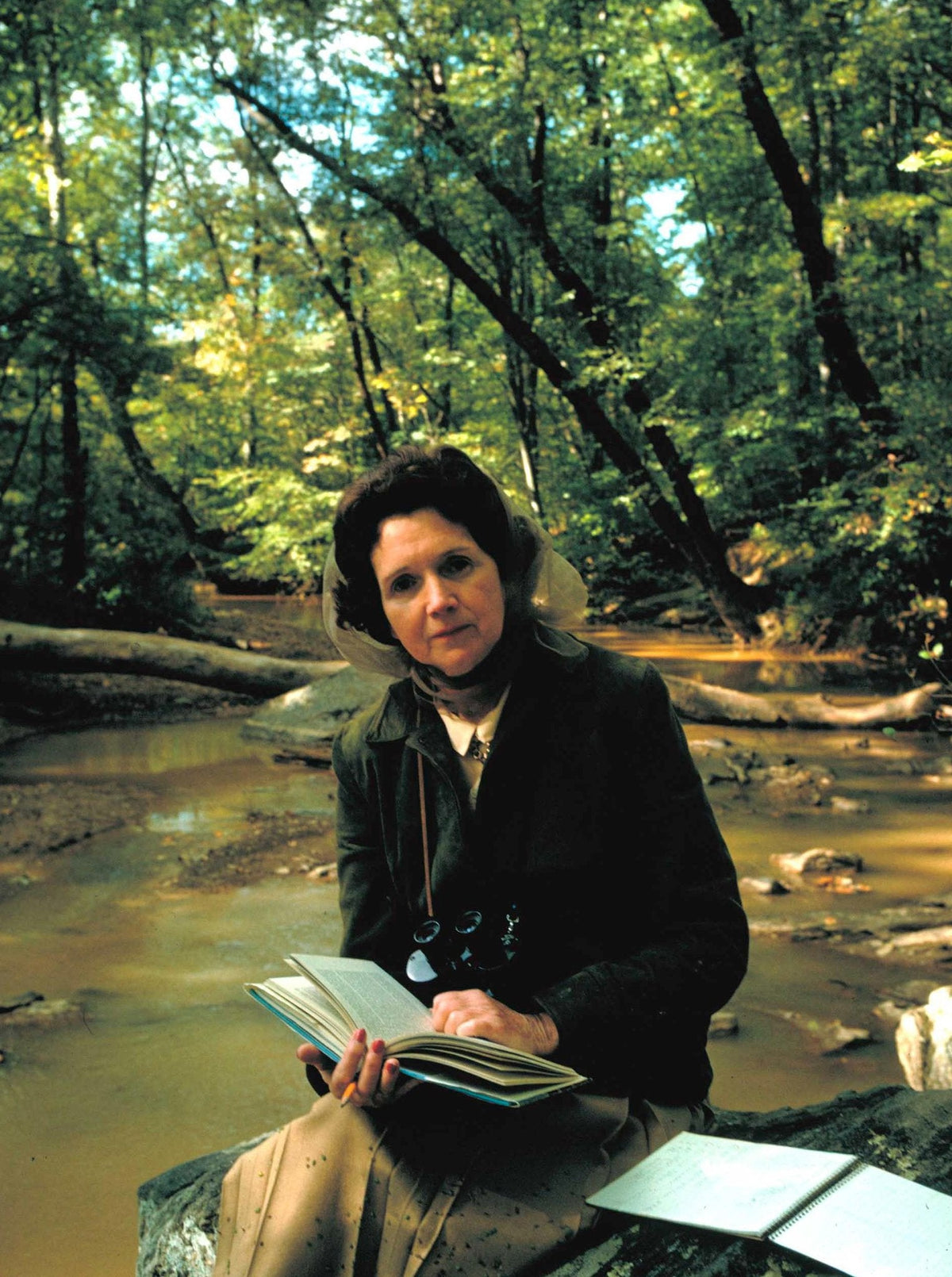
Rachel Carson was an American marine biologist and science writer whose 1962 book Silent Spring exposed the ecological damage caused by pesticides, catalysing the modern environmental movement. Her research on pesticide effects on wildlife prompted policy changes that continue shaping environmental protection today.
Rachel Carson revolutionized environmental awareness through her groundbreaking 1962 book Silent Spring, which exposed the devastating effects of pesticides on ecosystems and wildlife. Her meticulous research and compelling narrative sparked the modern environmental movement, leading to policy changes that continue to protect our planet today. Carson's legacy demonstrates how one passionate scientist can inspire global action for environmental conservation.
Early Life and Scientific Foundation ✅
Born on May 27, 1907, in Springdale, Pennsylvania, Rachel Carson developed an early love for nature. As a child, she spent her days exploring the forests and streams near her home, developing a deep connection with the natural world that would shape her life's mission.
Carson's interest in science began to take shape when she attended Chatham College (then known as the Pennsylvania College for Women) and later graduated with a degree in biology. She continued her studies at Johns Hopkins University, where she earned a master's degree in zoology.
Her academic training, combined with her love for writing, led Carson to become one of the most prominent science writers of her time. Her early career saw her work as a marine biologist with the U.S. Fish and Wildlife Service, where she researched the effects of pesticides on marine life. This experience would later fuel her passion for environmental activism.
The Birth of Silent Spring ⭐
In the late 1950s, Rachel Carson began to investigate the widespread use of chemical pesticides, particularly DDT (dichlorodiphenyltrichloroethane), which was being heavily sprayed on crops, forests, and even public areas to combat pests. Carson was alarmed by the indiscriminate use of these chemicals and their harmful effects on wildlife, including birds, fish, and other non-target species.
As a biologist, she understood that pesticides were entering the food chain and affecting the delicate balance of ecosystems. Her research aligned with broader environmental concerns that would later be addressed by the United Nations Sustainable Development Goals, particularly those focused on protecting life on land and below water.
In 1962, Carson published Silent Spring, a comprehensive study that detailed the dangers of chemical pesticides and their long-lasting impact on the environment. The title itself was a powerful metaphor, suggesting a future where the sounds of nature—birds chirping, bees buzzing, and frogs croaking—would be silenced by the widespread use of toxic chemicals.
The Immediate Impact and Controversy 💡
Upon its release, Silent Spring caused an immediate uproar. Carson's meticulously researched arguments, combined with her poetic writing, captivated readers and drew attention to the environmental consequences of human actions. The book quickly became a bestseller, despite fierce opposition from chemical companies and government agencies.
Industry leaders, especially from the pesticide industry, attempted to discredit Carson's findings, accusing her of being alarmist and anti-progress. However, Carson stood firm in her beliefs and continued to speak out about the dangers of pesticides. Her courage in facing such criticism exemplifies the dedication needed for environmental advocacy.
The book's success led to increased public awareness about the dangers of pesticides and environmental degradation. It also helped to shift the conversation about nature conservation from a focus on individual species to a broader perspective that considered entire ecosystems, much like today's approach to forest conservation and ecosystem protection.
Scientific Evidence and Research Foundation
Rachel Carson's advocacy for scientific research and the use of sound evidence was central to her work. In Silent Spring, Carson relied on extensive research, including scientific studies, testimonies from experts, and case studies of pesticide-related deaths in wildlife populations.
One of the most significant findings was the impact of DDT on bird populations, particularly its role in thinning eggshells, leading to the collapse of several species of birds. Carson's arguments were supported by an array of data that showed how pesticides were disrupting entire ecosystems, not just targeted pests.
Scientific data continues to support Carson's warnings today. Studies show that the widespread use of synthetic pesticides has caused significant harm to biodiversity. A 2015 study published in the journal Nature found that pesticide exposure had contributed to the decline of pollinators like bees and butterflies, which are vital to the health of ecosystems.
Additionally, research from the Environmental Protection Agency (EPA) has confirmed Carson's claim that chemicals like DDT persist in the environment for years, long after they are sprayed, contaminating soil, water, and air.
Environmental Movement and Policy Changes ⭐
Rachel Carson's work was instrumental in shaping environmental policy in the United States and around the world. Following the publication of Silent Spring, public pressure mounted for stronger environmental protections. This grassroots movement eventually led to the creation of the Environmental Protection Agency (EPA) in 1970 and the banning of DDT in the United States in 1972.
Carson's influence extends beyond pesticide regulation. Her work helped establish the foundation for modern environmental legislation, including the Clean Air Act, Clean Water Act, and Endangered Species Act. These policies continue to protect ecosystems and wildlife populations today.
The environmental movement Carson sparked has evolved to address global challenges like climate change, as recognized by initiatives such as United Nations climate action programs. Her emphasis on scientific evidence and public education remains central to environmental advocacy worldwide.
Carson's Legacy in Modern Environmental Action
Today, Rachel Carson's principles guide organizations working to combat climate change and protect biodiversity. At Grow Billion Trees, we honor Carson's legacy by focusing on evidence-based environmental restoration through our comprehensive tree planting programs.
Our mission to plant 100 crore trees across India reflects Carson's understanding that environmental protection requires large-scale, coordinated action. Through our Plant a tree in your Name initiative, individuals can contribute to ecosystem restoration for just ₹299, including 2-3ft Tree Planting + 3 Years Care + GeoTag technology for tracking impact.
Carson would appreciate our scientific approach to reforestation, using specialized techniques like Miyawaki forest creation and agroforestry programs. These methods align with her belief that environmental solutions must be based on sound ecological principles and long-term thinking.
Our corporate partnerships help businesses achieve Net Zero Targets while supporting biodiversity conservation, demonstrating how Carson's vision of collective environmental responsibility continues to inspire action today.
The Continuing Relevance of Silent Spring
More than six decades after its publication, Silent Spring remains remarkably relevant. Current environmental challenges, from climate change to biodiversity loss, require the same combination of scientific rigor, public education, and policy advocacy that Carson championed.
Modern environmental organizations continue to use Carson's approach of combining scientific evidence with compelling storytelling to raise awareness about environmental threats. Her work demonstrates that individual voices can create powerful movements for change when backed by solid research and passionate advocacy.
The book's influence extends beyond environmentalism, inspiring movements for transparency in science, corporate accountability, and precautionary approaches to new technologies. Carson's legacy reminds us that protecting the environment requires both scientific understanding and moral courage.
Lessons for Today's Environmental Advocates 💡
Rachel Carson's approach offers valuable lessons for modern environmental advocates. First, she emphasized the importance of thorough research and scientific evidence in making environmental arguments. Second, she demonstrated the power of accessible writing in communicating complex scientific concepts to the general public.
Carson also showed the importance of persistence in the face of opposition. Despite intense criticism from industry and government officials, she continued to advocate for environmental protection based on scientific evidence. Her courage in challenging powerful interests provides a model for today's environmental activists.
Finally, Carson understood that environmental protection requires both individual and collective action. Her work inspired millions of people to become more conscious of their environmental impact while also pushing for systemic policy changes.
Combating Climate Change Through Collective Action
Rachel Carson's vision of collective environmental action resonates strongly with today's climate challenges. At Grow Billion Trees, we embody this principle through our community-based approach to reforestation and environmental restoration.
Our programs demonstrate how individual actions, when multiplied across millions of participants, can create significant environmental impact. Whether planting trees for birthdays, memorials, or corporate sustainability goals, each contribution supports our larger mission of environmental restoration.
Carson's emphasis on ecosystem thinking guides our comprehensive approach, which includes not only tree planting but also beach cleaning, lake restoration, and sustainability education. This holistic strategy reflects her understanding that environmental health depends on interconnected systems working in harmony.
Further reading: Rachel Kyte: The Energy Advocate Pushing for a Sustainable Future · Mark Lynas: The Environmentalist Who Changed His Mind on GMOs
Frequently Asked Questions
What was Rachel Carson's main message in Silent Spring?
Rachel Carson's main message in Silent Spring was that widespread pesticide use, particularly DDT, was causing severe environmental damage by disrupting ecosystems and threatening wildlife populations. She argued for more careful, science-based approaches to pest control that considered long-term environmental consequences.
How did Silent Spring change environmental policy?
Silent Spring directly influenced the creation of the Environmental Protection Agency (EPA) in 1970 and led to the ban of DDT in the United States in 1972. The book also inspired broader environmental legislation including the Clean Air Act, Clean Water Act, and Endangered Species Act.
Why was Rachel Carson criticized when Silent Spring was published?
Carson faced criticism primarily from chemical companies and agricultural interests who viewed her work as a threat to their profits. They accused her of being alarmist and anti-progress, attempting to discredit her scientific evidence and personal credibility.
What scientific background did Rachel Carson have?
Rachel Carson held a bachelor's degree in biology from Chatham College and a master's degree in zoology from Johns Hopkins University. She worked as a marine biologist with the U.S. Fish and Wildlife Service, where she gained extensive experience studying the effects of chemicals on marine ecosystems.
How does Rachel Carson's work relate to modern climate change efforts?
Carson's approach of combining scientific research with public education and policy advocacy provides a model for modern climate action. Her emphasis on ecosystem thinking and long-term environmental consequences directly relates to current efforts to address climate change and biodiversity loss.
What can individuals learn from Rachel Carson's environmental advocacy?
Individuals can learn the importance of basing environmental arguments on solid scientific evidence, the power of persistent advocacy despite opposition, and the need for both personal responsibility and systemic change in addressing environmental challenges.
How did Rachel Carson influence the modern environmental movement?
Carson is considered the founder of the modern environmental movement because Silent Spring was the first book to successfully raise widespread public awareness about environmental issues and inspire mass action for environmental protection. Her work established the template for science-based environmental advocacy.
What writing techniques made Silent Spring so effective?
Carson combined rigorous scientific research with accessible, poetic writing that made complex environmental concepts understandable to general readers. Her use of narrative storytelling and vivid imagery helped readers connect emotionally with environmental issues.
How can people today follow Rachel Carson's example?
People can follow Carson's example by staying informed about environmental science, supporting evidence-based environmental policies, and taking personal action to reduce their environmental impact. Organizations like Grow Billion Trees offer opportunities to contribute to environmental restoration through tree planting and conservation programs.
What was the long-term impact of banning DDT?
The DDT ban led to the recovery of several bird species that were threatened with extinction, including the bald eagle and peregrine falcon. It demonstrated that environmental regulations based on scientific evidence could successfully protect wildlife while still allowing for effective pest control through alternative methods.Rachel Carson's legacy continues to inspire environmental action worldwide. Her combination of scientific rigor, compelling communication, and unwavering dedication to environmental protection provides a timeless model for creating positive change. Through organizations like Grow Billion Trees, we can honor Carson's memory by continuing the vital work of environmental restoration and conservation. Discover how you can plant a tree in your name and join the movement to create a more sustainable future for generations to come.
Keep reading
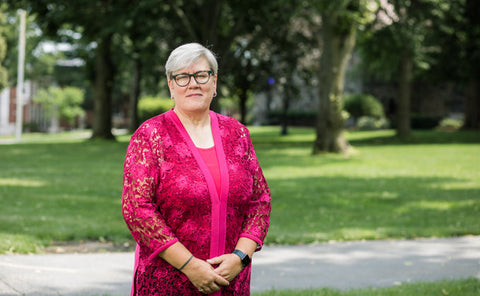 Rachel Kyte: The Energy Advocate Pushing for a Sustainable Future
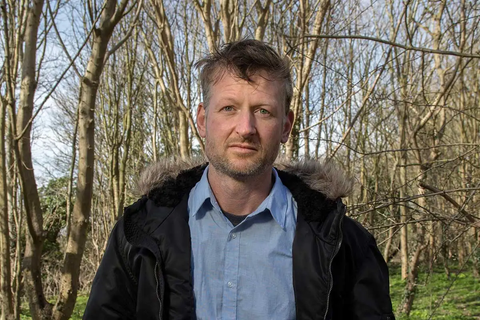 Mark Lynas: The Environmentalist Who Changed His Mind on GMOs
 Neha Sinha: Conservation Icon Championing Environmental Legacy
 Al Gore: The Climate Crusader Awakening the World to Truth
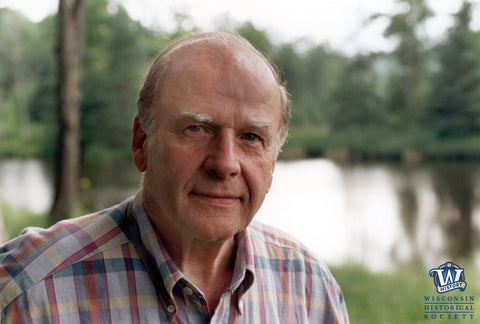 Gaylord Nelson: Father of Earth Day & Global Environmental Movement


Leave a comment