
Nagar Van Yojana: How Companies Can Partner on Urban Forests

The Nagar Van Yojana is a central scheme to create urban forests (Nagar Vans, 10–50 hectares) and urban gardens (Nagar Vatikas, 1–10 hectares) in and around cities. It is funded from the National CAMPA at ₹4 lakh per hectare and run by State Forest Departments, with a target of 1,000 Nagar Vans by 2027. Companies can join through CSR, volunteering and maintenance.
India's cities are losing green cover just as summers get hotter. The Nagar Van Yojana is the government's main programme for adding forests inside and around cities. For companies with offices, plants or employees in a city, it is one of the most visible ways to support urban greening.
What the scheme is
- Launched by the Ministry of Environment, Forest and Climate Change in 2020.
- Aims to develop 1,000 Nagar Vans by 2027, along with Nagar Vatikas.
- Funded by the National Fund under CAMPA, the same fund that receives compensatory afforestation payments.
- Implemented by State and UT Forest Departments, in partnership with urban local bodies and others.
Nagar Van and Nagar Vatika
| Nagar Van | Nagar Vatika | |
|---|---|---|
| Size | 10 to 50 hectares | 1 to 10 hectares |
| Where | Forest or other land in and around cities | Smaller urban sites |
| Tree cover | At least two-thirds of the area under trees | |
Financial support is ₹4 lakh per hectare for creation and maintenance, up to ₹2 crore for a 50-hectare Nagar Van. A Nagar Van can include components such as biodiversity parks, Smriti Vans (memorial forests), herbal gardens, butterfly conservatories and, more recently, Matri Vans created under the Ek Ped Maa Ke Naam campaign.
How companies can take part
The scheme guidelines encourage a collaborative mode involving forest and other departments, NGOs, industries, corporate bodies and civil society. Additional funds can come from state budgets, urban local bodies and CSR. Ways companies take part:
- CSR co-funding for planting, protection, water and maintenance beyond the scheme's budget (see our CSR tree plantation compliance checklist).
- Employee volunteering, from planting days to long-term "adopt a block" care.
- Maintenance and survival: funding watering, weeding and protection for the first three years, when most losses happen.
- Dense native planting in parts of the site, such as Miyawaki-style blocks, where space is tight and quick canopy is needed.
What makes an urban forest work
- Native species suited to the city's climate and soil.
- Water and protection planned before planting, not after.
- Public access that does not damage young trees: paths, fencing, signage.
- Survival tracking with geo-tagged counts and photographs, shared with partners.
Beyond the scheme
Many companies also create urban forests on their own campuses, industrial land or partner sites, outside the Nagar Van Yojana. These can be smaller, faster to start and fully branded. See our urban forest programmes, Miyawaki forests or how we support government programmes.
Sources: Nagar Van Yojana implementation guidelines (MoEFCC) · National CAMPA. Last updated: October 2026. Rules change; check the latest notification before you rely on any detail.
Further reading: Ek Ped Maa Ke Naam: How Companies, Schools and RWAs Can Take Part · Mission LiFE and the Green India Mission: Where Company Plantations Fit
Frequently Asked Questions
What is the Nagar Van Yojana?
A central scheme launched in 2020 by the Ministry of Environment, Forest and Climate Change to create urban forests (Nagar Vans) and urban gardens (Nagar Vatikas) in and around cities.
How big is a Nagar Van?
A Nagar Van covers 10 to 50 hectares, and a Nagar Vatika 1 to 10 hectares. At least two-thirds of the area should be under tree cover.
How is the Nagar Van Yojana funded?
From the National Fund under CAMPA, at ₹4 lakh per hectare for creation and maintenance, up to ₹2 crore for a 50-hectare Nagar Van. States, urban local bodies and CSR can add funds.
Can companies use CSR funds for Nagar Van projects?
The scheme guidelines encourage participation by industry and corporate bodies, and CSR is listed as a source of additional funding. The usual CSR rules on eligibility and implementing agencies apply.
Keep reading
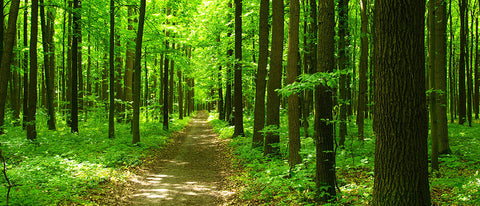 Ek Ped Maa Ke Naam: How Companies, Schools and RWAs Can Take Part
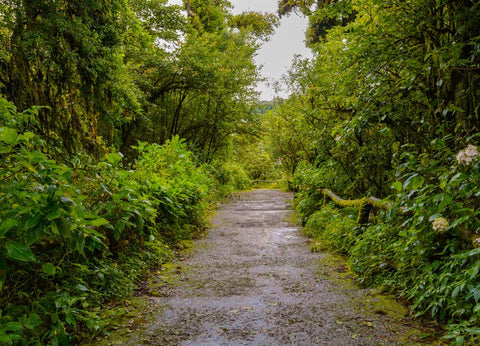 Mission LiFE and the Green India Mission: Where Company Plantations Fit
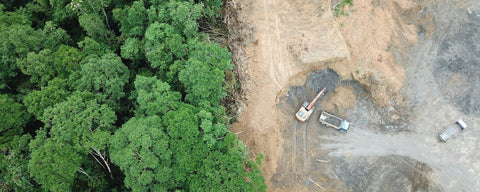 Compensatory Afforestation and CAMPA Explained for Project Developers
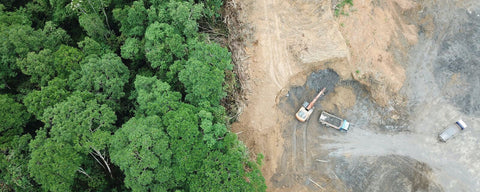 Green Credit Programme 2026: How Tree Plantation Green Credits Work
 Nutri-Garden Revolution: How Poshan Vatika is Growing a Healthier India


Leave a comment