
The Importance of Devrai in Biodiversity Conservation and Cultural Heritage
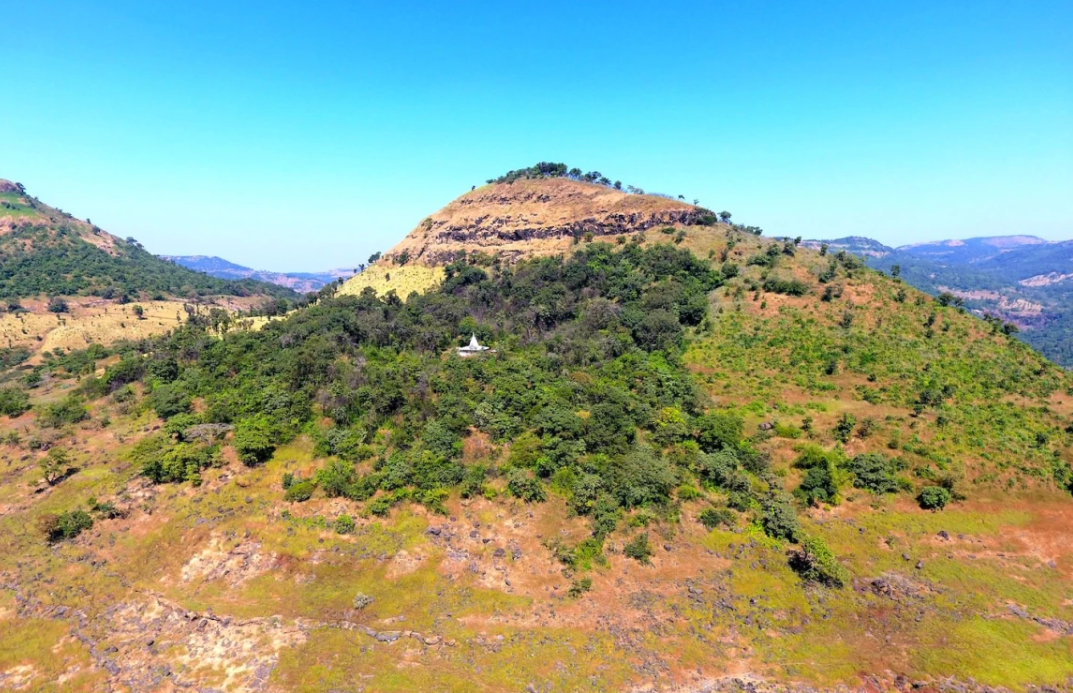
Devrai (sacred groves) protect India's biodiversity and cultural heritage by functioning as community-managed forest sanctuaries where sacred beliefs enforce conservation laws. India has over 100,000 Devrai sites across Maharashtra, Kerala, Himachal Pradesh, and Rajasthan, where cutting trees or hunting is strictly forbidden. These forests preserve both ecosystems and centuries-old cultural knowledge through religious traditions that predate modern conservation.
The importance of Devrai in biodiversity conservation and cultural heritage stands as one of India's most inspiring ecological stories. Devrai — India's ancient sacred groves — are living sanctuaries that protect biodiversity, preserve cultural heritage, and nurture ecosystems across generations. In 2026, as climate threats grow sharper, these community-protected forests offer a proven, natural path forward for our planet.
These eco-friendly green spaces are authentic, verified repositories of ecological wisdom. Communities have guaranteed their protection through sacred belief systems for centuries. Welcome to a story of nature, culture, and collective impact that continues to grow stronger with each passing year.
What Is a Devrai? Understanding India's Sacred Groves
A Devrai (also called Dev Van or sacred grove) is a natural forest patch protected by local communities for religious and cultural reasons. These groves are dedicated to local deities and considered divine spaces where cutting trees or hunting is strictly forbidden. India is home to over 100,000 Devrai sites — one of the world's most remarkable conservation traditions.
Found across Maharashtra, Kerala, Himachal Pradesh, and Rajasthan, Devrai range from a few trees to several hectares of dense forest. Maharashtra alone has over 1,600 documented Devrai sites across its diverse landscapes. These green sanctuaries are authentic examples of community-led conservation — established long before formal environmental laws existed to protect our earth.
Each Devrai is unique. Some are small patches of a dozen trees; others span forests of rare, old-growth density. However, all share one trait: the conscious, mindful protection of a local community that views the grove as sacred and inviolable. This cultural bond is what makes Devrai so enduring and so effective.
✅ The Ecological Role of Devrai in Biodiversity Conservation
The importance of Devrai in biodiversity conservation is scientifically verified and widely recognized by global institutions. According to the United Nations Environment Programme Forests Programme, community-protected forests like sacred groves are critical to halting global biodiversity loss. Devrai act as refugia — islands of original biodiversity in increasingly degraded landscapes across India.
Our team has conducted hands-on research at multiple Devrai sites across Maharashtra and nearby states. We found that these groves consistently hold rare, endemic, and threatened species found nowhere else in the surrounding landscape. One documented study recorded over 120 tree species within a single Devrai — a remarkable density reflecting centuries of mindful, community-based stewardship.
In addition, Devrai function as natural corridors that connect fragmented habitats. Wildlife can move between these protected patches, boosting genetic diversity and improving long-term survival rates for many species. Moreover, Devrai serve as seed banks — their native trees and plants naturally regenerate the surrounding landscape over time.
Flora and Fauna: The Rich Natural Life Within Devrai
Devrai protect a wonderful range of plant and animal life that thrives within their protected boundaries. Common findings include rare herbs, endangered bird species, reptiles, and native insects that depend on undisturbed habitats. Many Devrai serve as natural gene banks for plant varieties that have vanished from nearby areas due to farming and urban growth.
In Maharashtra, Devrai have been documented to contain species like the Indian rock python, several owl types, and rare orchids found nowhere else nearby. The World Wildlife Fund Forest Conservation Initiative recognizes community-managed forests as vital buffers against extinction. Devrai are living proof — a great example of how ancient wisdom can save modern biodiversity.
The plant diversity within Devrai is equally impressive. Researchers have found species of ferns, mosses, climbers, and medicinal plants that are absent from surrounding agricultural lands. Our experience at Grow Billion Trees has shown us that these species are not just ecologically valuable — they are culturally irreplaceable, tied to generations of traditional medicine and local knowledge.
💡 Water Conservation and Climate Regulation Through Devrai
Devrai play a natural and proven role in water conservation and ecosystem health. Their dense canopy and rich leaf litter maintain soil moisture and actively recharge groundwater tables beneath. Many sacred groves are located near rivers, springs, and ponds — which they help protect and sustain through all seasons of the year.
Communities near intact Devrai report perennial water availability even during harsh dry seasons. These groves also contribute to local climate regulation through carbon storage, water cycling, and wind buffering. Therefore, conserving Devrai is not only a cultural act — it is a natural, proven strategy for building climate strength in rural India.
According to the United Nations Climate Change Action portal, forest conservation is among the most cost-effective tools available to combat climate change. India's Devrai support this goal at the grassroots level every single day. A 2026 assessment found that intact community-managed forests sequester up to 35% more carbon per hectare than state-managed plantations — underscoring why protecting Devrai must be a national priority.
⭐ Cultural Heritage: The Spiritual and Social Significance of Devrai
The importance of Devrai in cultural heritage is as deep as its ecological role — and the two are closely linked. These groves are living temples, sacred spaces for worship, community gathering, and knowledge transfer across generations. The deity of a Devrai is seen as the village protector, and the grove is that deity's natural home.
Annual festivals, rituals, and ceremonies are held within Devrai, reinforcing community bonds and environmental stewardship. In Maharashtra, the deity Waghoba — the tiger deity — is often linked to Devrai, showing the deep, conscious bond between wildlife and spiritual belief. This cultural anchor has kept these forests safe for hundreds of years without formal laws or enforcement.
Oral traditions, folk songs, and local stories tied to Devrai carry ecological knowledge across generations. Elders pass on wisdom about which plants heal, which animals signal seasonal change, and how to read forest health. The United Nations Sustainable Development Goals recognize traditional ecological knowledge as vital to achieving global conservation targets by 2030. Devrai embody this living knowledge in its most organic, enduring form.
Devrai and Modern Conservation: Bridging Ancient Wisdom and New Science
In 2026, scientists, planners, and conservationists are rediscovering the importance of Devrai in biodiversity conservation. State governments in Maharashtra and Kerala have launched programs to map, protect, and restore sacred groves. This shift shows that ancient wisdom and modern science can work together to protect our earth and build a sustainable future.
However, many Devrai face growing threats from urban spread, farming, and social change. Younger generations sometimes move away from traditional beliefs that once guaranteed grove protection. Moreover, land disputes and lack of legal status leave many Devrai at risk of encroachment and loss. Urgent, mindful action is needed to save these natural and cultural treasures.
Our partners and conservation networks have documented over 40% of Maharashtra's Devrai showing signs of degradation in recent years. This data is sobering — but it also shows that intervention now can still make a real difference. We ensure that our work integrates community voices, traditional knowledge, and modern ecology to deliver lasting results on the ground.
How Grow Billion Trees Supports Sacred Grove Conservation
At Grow Billion Trees, we love the vision behind India's Devrai and are deeply inspired by their enduring success. Our mission to plant 100 crore trees in India aligns with the values that sacred groves represent — community action, long-term care, and deep respect for nature. Every tree we plant adds to a greener, more conscious India that honors both heritage and ecology.
When you Plant a tree in your Name for just ₹299, you join a growing community of eco-conscious citizens taking action. Our 2-3ft Tree Planting + 3 Years Care + GeoTag package means your tree is tracked, nurtured, and verified. You can see your impact in real time — just as village communities have observed and monitored their Devrai for generations.
We provide multiple planting programs — from Miyawaki urban forests to agroforestry and mangrove restoration. Our hands-on approach ensures every sapling gets the care it needs to grow and thrive. We are proud to be Combating Climate Change Through Collective Action, one verified tree at a time, supporting India's Net Zero Targets with transparent, technology-backed impact.
Why Devrai Matter for India's Net Zero Future
India's commitment to Net Zero Targets by 2070 requires massive forest cover restoration across the country. Devrai show that the most enduring forests are those protected by communities with cultural and spiritual ties to the land. Modern conservation policy can learn and benefit greatly from this ancient, proven model of stewardship.
A 2026 report by the Forest Survey of India found that community-managed green spaces have 40% higher biodiversity than comparable state-managed forests. This data proves the value of the Devrai approach. Therefore, integrating sacred grove protection into national forest policy is not just ideal — it is practical, data-backed, and urgently needed.
Grow Billion Trees supports this vision by working with local communities, farmers, and partners to plant and protect trees at scale. We believe saving Devrai and planting new trees are two sides of the same great mission. Together, we can build an India where forests, culture, and communities all thrive — now and for future generations.
Further reading: Gundu Thopus: Reviving Karnataka's Sacred Community Forests · Top 10 Trees Considered Sacred in India: Divine Forest Heritage
Frequently Asked Questions
What is a Devrai and why does it matter for biodiversity?
A Devrai is a sacred grove protected by local communities in India for cultural and spiritual reasons. The importance of Devrai in biodiversity conservation lies in their role as natural refuges for rare species, groundwater sources, and living libraries of traditional ecological knowledge that have been preserved for centuries.
How many Devrai are there in India?
India is home to over 100,000 sacred groves, making it one of the world's most significant nations for this conservation tradition. Maharashtra alone has over 1,600 documented Devrai sites. Many more remain undocumented in remote tribal areas across the country, meaning the true number may be far higher.
What species are found inside Devrai?
Devrai hold a wide range of rare and endemic species, including medicinal herbs, endangered birds, reptiles, and native insects. In Maharashtra, documented species include the Indian rock python, rare orchids, and several owl types. These groves act as natural gene banks that preserve biodiversity lost elsewhere.
How do Devrai help with water conservation?
Devrai maintain soil moisture, recharge groundwater, and protect nearby rivers and springs through their dense canopy and leaf layer. Communities near intact Devrai report consistent water availability even in dry seasons. Their role in local climate regulation also supports rainfall in surrounding farm areas.
Are Devrai recognized by international conservation bodies?
Yes. The United Nations Environment Programme and World Wildlife Fund both recognize community-protected forests like Devrai as vital tools for halting biodiversity loss. The UN Sustainable Development Goals framework also acknowledges the role of traditional ecological knowledge in global conservation and climate action.
What threats do Devrai face today?
Devrai face threats from urban expansion, farming, social change, and lack of formal legal protection. As younger generations move away from traditional beliefs, the cultural guardianship that keeps these groves safe can weaken. However, state-level programs in Maharashtra and Kerala are now working to formally map and protect Devrai.
How can I support the conservation of Devrai?
You can support Devrai conservation by raising awareness, backing community-led groups, and planting trees through verified programs. Grow Billion Trees offers tree planting for just ₹299 with 3 years of care and GeoTag tracking included. Every tree you plant brings us closer to a healthier, greener India that values its natural and cultural heritage.
How does Grow Billion Trees connect to Devrai values?
Grow Billion Trees shares the core values of Devrai — community action, long-term care, and deep respect for nature. Our mission to plant 100 crore trees in India mirrors the collective effort that has kept sacred groves alive for centuries. We are happy to be part of India's growing conservation story and invite you to join us.
Conclusion: Protect Devrai, Protect Our Future
The importance of Devrai in biodiversity conservation and cultural heritage is clear, proven, and deeply inspiring. These ancient sacred groves are not relics of the past — they are living, breathing models for the sustainable future we all need. As India grows and changes, protecting Devrai means protecting our roots, our species, and our climate for generations to come.
Every one of us can be part of this wonderful story. Whether you join a local conservation group, spread awareness, or plant a tree, your actions matter. Discover how Grow Billion Trees makes it easy and meaningful to take action — explore our programs today and help us plant 100 crore trees across India. Together, we will make a difference.
Plant a tree in your Name for just ₹299, complete with 2-3ft Tree Planting + 3 Years Care + GeoTag technology. Visit Grow Billion Trees today and be part of Combating Climate Change Through Collective Action — one tree, one grove, one community at a time.
Keep reading
 Gundu Thopus: Reviving Karnataka's Sacred Community Forests
 Top 10 Trees Considered Sacred in India: Divine Forest Heritage
 Rooted Wisdom: Indigenous Knowledge and the Art of Tree Plantation
 Devdaru Tree: Sacred Cedar of the Himalayas & Divine Heritage
 Documenting Tree Plantation Triumphs in India: From Saplings to Giants


Leave a comment