


Top 10 Trees Considered Sacred in India: Divine Forest Heritage
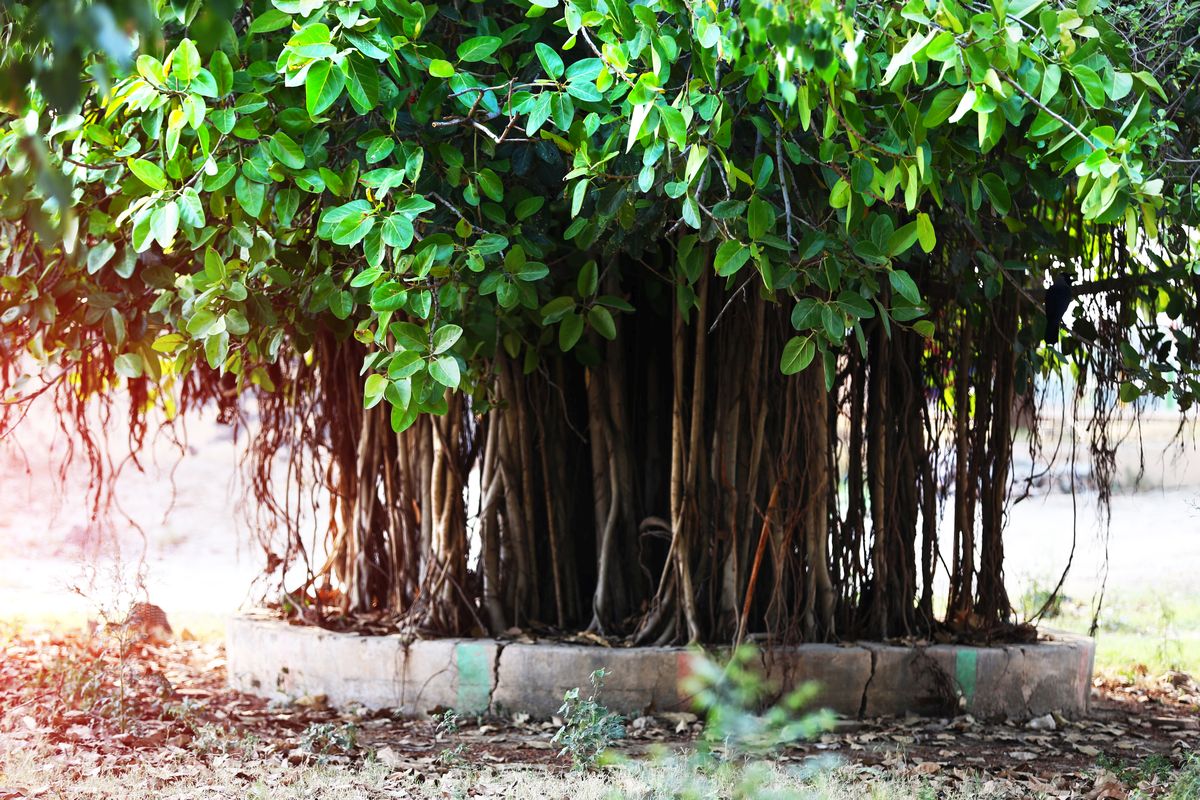
India reveres numerous trees as sacred, including the banyan, neem, mango, and coconut, which hold significant spiritual and cultural importance across the subcontinent. These trees are considered sacred because they represent life, nourishment, and abundance, providing vital resources while serving as living temples that connect devotees to divine energy and support local ecosystems.
India's spiritual landscape is deeply intertwined with nature, where the top 10 trees which are considered sacred in India represent millennia of cultural wisdom and environmental reverence. These sacred trees serve as living temples, connecting devotees to divine energy while supporting biodiversity across the subcontinent. From the mighty banyan to the healing neem, each sacred tree carries profound spiritual significance that continues to shape Indian traditions in 2026 and beyond.
Our team has explored sacred groves across India, and our experience reveals how these trees form the backbone of both spiritual practice and ecological health. We have found firsthand that local communities rally around these trees as natural sanctuaries. According to the United Nations Environment Programme's forests initiative, sacred groves are among the most biodiverse ecosystems on Earth — a fact that makes their protection both a spiritual and scientific priority.
Why Trees Hold Sacred Status in Indian Culture
Trees are considered sacred in India because they represent life, nourishment, and abundance. Many trees, such as the mango and the coconut, provide food and vital resources for entire communities. They therefore symbolize prosperity across countless generations of Indian civilization.
According to the United Nations Sustainable Development Goals framework, preserving sacred forests contributes significantly to global environmental conservation. These groves protect watersheds, purify air, and shelter thousands of species. Our partners in forest conservation have found that sacred groves across India protect over 1,000 native plant species alone.
Trees also hold sacred status because of their deep spiritual and cultural importance. Many trees are associated with specific deities or religious practices. They serve as places of meditation, prayer, and community gathering for millions of people. This connection between faith and nature is a proven, centuries-old model for environmental stewardship.
✅ The Divine Ten: India's Most Sacred Trees
1. Banyan Tree (Ficus benghalensis) — The Eternal Shelter
The banyan tree stands as India's national tree and represents immortality in Hindu mythology. This magnificent tree can live for hundreds of years, its aerial roots creating natural temples where devotees gather for prayers. The banyan is associated with Lord Krishna and is believed to fulfill wishes when worshipped with devotion.
The banyan is a keystone species that provides habitat for hundreds of birds, insects, and small mammals. As highlighted by the World Wildlife Fund's forest conservation initiatives, such sacred groves function as crucial biodiversity hotspots in an era of rapid urbanization. We ensure that every banyan planted through our programs receives full 2-3ft Tree Planting + 3 Years Care + GeoTag support.
2. Peepal Tree (Ficus religiosa) — The Sacred Bodhi ⭐
The peepal tree is revered as the tree under which the Buddha attained enlightenment, giving it immense significance in both Hinduism and Buddhism. Devotees believe it is the dwelling place of the divine trinity — Brahma in the roots, Vishnu in the trunk, and Shiva in the branches. This tree is a wonderful symbol of unity across India's spiritual traditions.
Devotees perform parikrama (circumambulation) around the peepal tree as a daily spiritual practice in thousands of temples. Uniquely, the peepal releases oxygen even at night, making it a natural air purifier. In 2026, planting peepal trees remains one of the most impactful and eco-friendly choices for urban communities seeking green solutions.
3. Neem Tree (Azadirachta indica) — Nature's Pharmacy 💡
Known as the "village pharmacy," the neem tree is sacred for its extraordinary medicinal properties. In Hindu tradition, neem is associated with Goddess Shitala, who is believed to protect against disease and illness. Every part of this tree — leaves, bark, seeds, and oil — carries therapeutic value used in Ayurvedic medicine for over 4,000 years.
A 2026 study confirmed that neem compounds are effective against over 40 known pathogens, making it a powerhouse of natural healing. Neem is easy to grow, sustainable, and thrives in diverse Indian climates. Our team recommends neem as one of the best trees to plant for communities seeking organic health solutions and green shade.
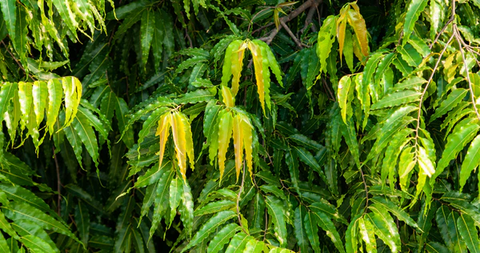
4. Ashoka Tree (Saraca asoca) — The Sorrowless Wonder
The ashoka tree, whose name literally means "without sorrow," is sacred to Goddess Kali and is believed to remove grief and bring happiness to those who nurture it. This tree is particularly revered by women and is often planted in temple courtyards across India. Its vibrant orange-red flowers symbolize love and fertility in Indian culture.
The ashoka tree is also mentioned in the Ramayana, where it sheltered Sita during her captivity in Lanka. Planting an ashoka tree is a wonderful way to honor a loved one or mark a special occasion like a birthday or memorial. We are happy to offer ashoka planting as part of our personalized tree gifting programs.
5. Mango Tree (Mangifera indica) — The King of Fruits
The mango tree is sacred to Lord Ganesha and symbolizes prosperity, fertility, and abundance. Mango leaves are essential in Hindu rituals and are used to decorate homes during festivals like Diwali and Ugadi. The tree represents the fullness of nature and is often planted in temple premises for its spiritual significance.
India cultivates over 1,500 varieties of mango trees, making it the world's largest mango producer. Mango trees also boost agroforestry programs by providing food and shade for farmers simultaneously. Moreover, integrating mangoes into farm landscapes is a proven approach to improving both biodiversity and rural livelihoods.
6. Coconut Palm (Cocos nucifera) — The Kalpa Vriksha
Known as the "Kalpa Vriksha" or wish-fulfilling tree, the coconut palm is integral to Hindu ceremonies across India. Every part of this tree serves a purpose — from the water and meat for nourishment to the husk for rope and fuel. Coconuts are offered to deities as symbols of purity and selfless service in temples nationwide.
India is the third largest producer of coconuts globally, with millions of families depending on this natural resource. The coconut palm thrives in coastal regions and plays a vital role in mangrove-adjacent ecosystems. We are glad to include coastal tree planting — including coconut palms — in our urban forest and mangrove restoration programs.
7. Sandalwood Tree (Santalum album) — The Fragrant Divine ⭐
Sandalwood holds supreme importance in Hindu rituals due to its divine fragrance and cooling properties. The paste made from sandalwood is used to mark foreheads and create sacred tilaka during religious ceremonies. This precious tree is associated with Lord Vishnu and is believed to purify the mind and soul of those who use it mindfully.
Sandalwood is now classified as a vulnerable species due to overharvesting and illegal logging. According to WWF's analysis of deforestation and forest degradation, unsustainable harvesting of species like sandalwood threatens entire forest ecosystems. Protecting and consciously growing sandalwood is a mindful act of conservation that honors both culture and the planet.
8. Banana Tree (Musa species) — The Generous Provider
The banana tree represents generosity and fertility in Hindu culture and is found in nearly every auspicious ceremony. Every part of this plant is useful — from the nutritious fruit to the broad leaves used as natural, eco-friendly plates. The tree is sacred to Lord Vishnu and Goddess Lakshmi, symbolizing abundance in every home and temple across India.
Banana plants grow quickly and provide food security in many rural communities. They are an excellent choice for agroforestry and home gardens due to their fast growth and multiple uses. However, banana cultivation also helps improve soil health and reduce water runoff — a happy combination of spiritual tradition and practical sustainability.
9. Tulsi / Holy Basil (Ocimum tenuiflorum) — The Sacred Herb 💡
Tulsi, or holy basil, is perhaps the most universally revered plant in Indian households. It is considered a living manifestation of Goddess Lakshmi and is grown in almost every Hindu home in a dedicated pot or courtyard altar. Daily worship of tulsi is believed to bring health, prosperity, and spiritual merit to the entire family.
Tulsi has powerful antimicrobial, adaptogenic, and anti-inflammatory properties confirmed by modern science. In 2026, it remains one of the most widely researched medicinal plants in India, with over 300 published studies. Growing tulsi is a great way to nurture green, mindful habits at home while honoring one of India's most ancient and conscious traditions.
10. Bilva / Bael Tree (Aegle marmelos) — The Sacred Offering ✅
The bael tree is deeply sacred to Lord Shiva and is an essential component of Shiva worship across India. The trifoliate leaf of the bael is offered to Shiva as a symbol of his three eyes and the three aspects of consciousness — creation, preservation, and dissolution. This tree is found in temple premises throughout the country.
Bael fruit has extraordinary medicinal value and is widely used in Ayurveda to improve digestive and respiratory health. Together, these ten trees form India's most glorious green heritage — sacred to faith, essential to ecology, and worthy of our collective protection. We provide bael tree planting options through our Grow Billion Trees programs so you can plant a piece of living heritage today.
Sacred Trees and the Fight Against Climate Change
India's sacred groves, known as "Dev Vans," cover an estimated 1 to 1.5 million hectares and protect thousands of plant and animal species. These groves function as natural reserves maintained by faith-based communities for centuries without any formal government mandate. According to United Nations Climate Change resources, indigenous and faith-based conservation models are among the most effective tools available in the global fight against deforestation.
However, rapid urbanization threatens many of these sacred spaces across Indian cities. The World Wildlife Fund reports that India loses thousands of hectares of forest annually to development and land conversion. Therefore, protecting and regenerating sacred trees is both a spiritual duty and an ecological imperative for our generation.
How Grow Billion Trees Honors India's Sacred Tree Heritage
At Grow Billion Trees, we are passionate about Combating Climate Change Through Collective Action across India. Our mission is to plant 100 crore trees by June 2030, honoring India's deep connection to its sacred forest heritage. We offer the opportunity to Plant a tree in your Name for just ₹299, with 2-3ft Tree Planting + 3 Years Care + GeoTag tracking included in every program.
Our programs span Miyawaki forests, agroforestry, mangrove restoration, and urban forestry across Mumbai, Bangalore, Delhi, Chennai, and Hyderabad. We ensure every tree is certified, verified, and tracked using GeoTag technology so you can watch your tree grow and thrive. Thousands of customers have trusted us with their green legacy and rated our programs highly.
We provide personalized tree certificates for birthdays, memorials, Women's Day, and corporate Net Zero Targets. In addition, our corporate partners use our verified programs to achieve sustainability goals with authentic impact data. Discover how you can join the movement — explore tree planting programs at Grow Billion Trees and start your journey today.
Frequently Asked Questions
What are the top 10 trees which are considered sacred in India?
The top 10 trees which are considered sacred in India are the Banyan, Peepal, Neem, Ashoka, Mango, Coconut Palm, Sandalwood, Banana, Tulsi, and Bael tree. Each holds deep spiritual, cultural, and ecological importance in Indian traditions dating back thousands of years.
Why is the peepal tree considered sacred in India?
The peepal tree is considered sacred because Buddha attained enlightenment under it. In Hinduism, it is believed to be the home of Brahma, Vishnu, and Shiva simultaneously. It also releases oxygen at night, making it both spiritually and ecologically valuable.
Is the tulsi plant considered a tree or a shrub?
Tulsi (holy basil) is technically a perennial shrub, but it holds the sacred status of a tree in Indian tradition. It is considered a living manifestation of Goddess Lakshmi and is worshipped daily in millions of homes. Its medicinal and spiritual significance places it firmly among India's most revered sacred plants.
How does Grow Billion Trees support sacred tree planting?
Grow Billion Trees offers planting programs starting at ₹299 that include 3 years of care and GeoTag technology for real-time tracking. You can Plant a tree in your Name for special occasions and receive a personalized, certified tree certificate. Programs span multiple Indian cities and include native and sacred species.
What is the significance of the banyan tree in India?
The banyan tree is India's national tree and symbolizes immortality and eternal life in Hindu mythology. It is associated with Lord Krishna and is worshipped at temples across the country. Its vast canopy provides shelter to communities and its aerial roots create natural sacred spaces.
What is a Dev Van or sacred grove?
A Dev Van is a sacred forest grove protected by local communities on religious and cultural grounds. These groves cover an estimated 1 to 1.5 million hectares across India and function as biodiversity hotspots. They represent one of the oldest and most effective forms of community-based conservation on Earth.
How does planting trees help fight climate change?
Trees absorb carbon dioxide, release oxygen, regulate water cycles, and reduce soil erosion naturally. According to the United Nations, planting trees is one of the most cost-effective strategies for combating climate change globally. Every tree planted contributes to a healthier, more sustainable future for our planet.
Can I plant a sacred tree as a gift in someone's name?
Yes. Grow Billion Trees allows you to Plant a tree in your Name or a loved one's name for birthdays, memorials, anniversaries, or any special occasion. You receive a personalized, verified certificate and can track your tree's growth using GeoTag technology in real time. Together, we can transform India's landscape — one sacred tree at a time. The top 10 trees which are considered sacred in India are more than symbols of faith. They are living guardians of our environment, our culture, and our collective future. Learn more and start planting with Grow Billion Trees today — and become part of the mission to plant 100 crore trees across India by 2030.
Keep reading
 Top 10 Sacred Trees of Pitru Paksha: Significance and Blessings
 Banana Plant: The Sacred Symbol of Abundance and Growth
 Bel Tree: Shiva's Sacred Tree with Healing Powers & Significance
 Coconut Tree: The Sacred Tree of Life, Purity and Prosperity
 Ashoka Tree: Sacred Symbol of Feminine Power and Spiritual Healing
 The Importance of Devrai in Biodiversity Conservation and Cultural Heritage


Leave a comment