
Rooted Wisdom: Indigenous Knowledge and the Art of Tree Plantation

Indigenous communities possess centuries-old knowledge for sustainable tree plantation, encompassing practical techniques and ecological understanding passed through oral traditions. According to the United Nations Sustainable Development Goals, indigenous peoples manage 25% of the world's land and support 80% of its biodiversity—evidence of their proven approach to forest stewardship.
Indigenous communities worldwide hold the key to sustainable tree plantation through centuries of rooted wisdom that harmoniously blends ecological understanding with spiritual reverence. This ancient knowledge offers profound insights into creating thriving forests while maintaining the delicate balance between human needs and environmental preservation. At Grow Billion Trees, we recognize the invaluable contributions of indigenous practices as we work toward planting 100 crore trees across India.
✅ The Living Library of Indigenous Knowledge
Indigenous communities around the world possess a wealth of knowledge about local ecosystems, including the intricate relationships between trees, plants, animals, and people. Passed down through oral traditions, rituals, and practices, this living library of knowledge forms the foundation for sustainable land management.
This rooted wisdom encompasses not just practical techniques but also deep ecological understanding. Indigenous peoples have observed and documented the behavior of forests for millennia, developing sophisticated systems for predicting weather patterns, understanding soil conditions, and selecting optimal planting times.
According to the United Nations Sustainable Development Goals, indigenous peoples manage or have tenure rights over 25% of the world's land surface and support about 80% of global biodiversity. Their traditional knowledge systems provide crucial insights for achieving sustainable development and combating climate change through collective action.
⭐ Sacred Groves and Rituals: A Spiritual Connection to Trees
Many indigenous cultures view trees not merely as resources but as sacred entities. Sacred groves, protected areas where trees are revered and not exploited, showcase the spiritual connection between indigenous communities and their arboreal companions. Rituals associated with tree planting often emphasize the interconnectedness of all living beings.
These sacred spaces serve as living laboratories where traditional ecological knowledge is preserved and practiced. The spiritual dimension of tree planting in indigenous cultures creates a sense of responsibility that extends far beyond economic considerations.
In India, sacred groves known as "Devrais" protect thousands of tree species through community-based conservation. This approach aligns perfectly with our mission to Plant a tree in your Name while honoring the cultural significance of forest conservation.
🌱 Traditional Agroforestry Practices: Nurturing the Land
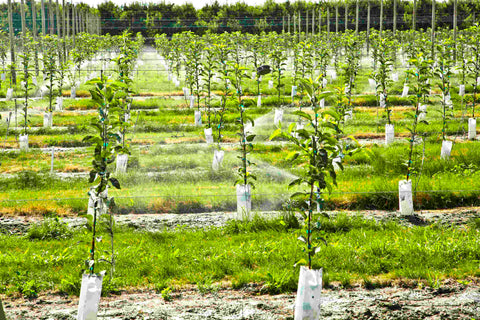
Indigenous communities have mastered the art of agroforestry—the integration of trees into agricultural landscapes. Traditional practices involve planting complementary species, such as fruit or nut trees alongside food crops, enhancing biodiversity, improving soil fertility, and ensuring sustainable yields for future generations.
These time-tested methods demonstrate remarkable efficiency in land use while maintaining ecological balance. Indigenous agroforestry systems often yield higher productivity per unit area compared to monoculture farming while providing multiple benefits including carbon sequestration, soil conservation, and habitat creation.
Our agroforestry programs at Grow Billion Trees incorporate these traditional techniques, offering farmers sustainable alternatives that support both economic prosperity and environmental restoration. Each 2-3ft Tree Planting + 3 Years Care + GeoTag program ensures long-term success through proven indigenous methods.
💡 Seed Saving and Tree Propagation Techniques
The preservation of biodiversity is a cornerstone of indigenous knowledge. Communities have developed intricate seed-saving techniques, preserving and exchanging local plant varieties. Their methods of tree propagation, including grafting and selective harvesting, contribute to the preservation of diverse ecosystems.
Indigenous seed saving practices ensure genetic diversity within tree populations, creating resilient forests capable of adapting to environmental changes. These techniques include proper timing of seed collection, traditional storage methods, and community-based seed exchange networks.
Traditional propagation methods such as air layering, root cuttings, and grafting have been refined over generations. These techniques often achieve higher success rates than modern methods because they're specifically adapted to local conditions and species characteristics.
⚠️ Navigating Climate Variability: Indigenous Adaptation Strategies
Indigenous knowledge often encompasses strategies for adapting to climate variability. From selecting tree species resilient to changing weather patterns to timing planting activities based on traditional indicators, indigenous communities demonstrate a holistic understanding of the intricate dance between trees and climate.
Traditional weather prediction systems rely on natural indicators such as animal behavior, plant phenology, and atmospheric conditions. This knowledge enables precise timing of tree planting activities, maximizing survival rates and growth potential.
The United Nations Climate Change initiatives increasingly recognize indigenous knowledge as essential for developing effective climate adaptation strategies. Indigenous communities have successfully managed forests through multiple climate cycles, offering valuable insights for modern conservation efforts.
→ Intergenerational Wisdom: Passing the Torch
Indigenous knowledge is transmitted through generations, fostering a sense of responsibility and connection to the land. Elders play a crucial role in passing down not only practical skills but also the cultural and spiritual dimensions of tree planting. This intergenerational wisdom ensures the continuity of sustainable practices.
The transmission of rooted wisdom occurs through storytelling, hands-on training, and ceremonial practices. Young community members learn not just techniques but also the underlying principles that guide sustainable forest management.
This knowledge transfer system creates deep emotional connections between people and trees, fostering long-term stewardship that extends beyond individual lifetimes. Such commitment is essential for achieving our goal of planting 100 crore trees by June 2030.
🌍 Community-Led Conservation: Modern Applications
Indigenous communities are at the forefront of community-led conservation efforts. By incorporating traditional knowledge into modern conservation practices, these communities actively participate in initiatives that protect forests, restore ecosystems, and mitigate the impacts of deforestation.
Community-based forest management has proven more effective than top-down approaches in many regions. Indigenous-managed forests often show better conservation outcomes, higher biodiversity, and greater resilience to environmental pressures.
According to the World Wildlife Fund's forest conservation initiatives, indigenous territories contain 80% of the world's biodiversity despite covering only 22% of global land area. This demonstrates the effectiveness of traditional management practices.
🔄 Integrating Indigenous Knowledge with Modern Technology
The fusion of traditional wisdom with modern technology creates powerful tools for forest restoration. Indigenous knowledge provides the ecological foundation while technology enhances monitoring, measurement, and scaling capabilities.
Our GeoTag technology at Grow Billion Trees combines traditional planting wisdom with modern tracking systems. This integration allows us to monitor tree growth while respecting indigenous practices that ensure long-term forest health.
Satellite monitoring, drone surveys, and mobile applications can enhance traditional forest management without replacing the fundamental knowledge that indigenous communities have developed over centuries. This collaborative approach maximizes the benefits of both systems.
⚠️ Challenges and the Role of Recognition
Despite the resilience of indigenous knowledge, it faces challenges such as land encroachment, deforestation, and the erosion of traditional practices. Recognizing and respecting the rights of indigenous communities, their land, and their knowledge are essential steps toward a more sustainable and inclusive future.
The World Wildlife Fund's research on deforestation highlights how indigenous territories face increasing pressure from commercial development, mining, and agricultural expansion. Protecting these areas is crucial for preserving both biodiversity and traditional knowledge.
Legal recognition of indigenous land rights and intellectual property protections for traditional knowledge are essential for ensuring the continuation of sustainable forest management practices. Supporting indigenous communities strengthens global efforts to achieve Net Zero Targets.
🌳 Implementing Indigenous Wisdom in Modern Reforestation
Modern reforestation programs can significantly benefit from incorporating indigenous knowledge systems. Traditional practices offer proven solutions for species selection, site preparation, planting techniques, and post-planting care.
Indigenous communities understand which tree species thrive in specific microclimates, soil conditions, and ecological niches. This knowledge reduces planting failures and creates more resilient forest ecosystems.
Our Miyawaki forest programs incorporate traditional Japanese forest restoration techniques that mirror indigenous practices worldwide. These dense, native forest plantations grow rapidly and create self-sustaining ecosystems within just a few years.
Mangrove restoration projects particularly benefit from indigenous knowledge about tidal patterns, salt tolerance, and coastal ecosystem dynamics. Traditional practices ensure successful establishment of these crucial coastal forests.
Further reading: Rooted in Unity: Community-Led Tree Plantation Initiatives · Harmony in Nature: Trees and Wildlife Conservation Guide
Frequently Asked Questions
What is rooted wisdom in the context of tree plantation?
Rooted wisdom refers to the traditional knowledge and practices of indigenous communities regarding tree plantation and forest management. This wisdom encompasses spiritual, ecological, and practical aspects of working with trees, developed over centuries of close relationship with natural environments.
How do indigenous communities select trees for planting?
Indigenous communities use comprehensive criteria including soil compatibility, climate adaptation, ecological relationships, cultural significance, and practical benefits. They consider how each species interacts with others in the ecosystem and choose combinations that support biodiversity and long-term sustainability.
What role do sacred groves play in forest conservation?
Sacred groves serve as protected forest areas where trees are preserved through spiritual reverence rather than legal restrictions. These community-managed spaces maintain biodiversity, protect rare species, and demonstrate sustainable forest management practices that have been effective for generations.
How can modern reforestation benefit from indigenous knowledge?
Modern reforestation can improve success rates by incorporating indigenous techniques for species selection, site preparation, planting timing, and maintenance practices. Traditional knowledge provides insights into local ecosystem dynamics that enhance the effectiveness of restoration efforts.
What challenges threaten indigenous forest knowledge?
Key challenges include land encroachment, deforestation, urbanization, loss of traditional languages, migration of younger generations, and lack of formal recognition of indigenous land rights. These factors can disrupt the transmission of traditional knowledge to future generations.
How do indigenous communities adapt tree planting to climate change?
Indigenous communities use traditional weather indicators, select climate-resilient species, adjust planting schedules based on environmental cues, and maintain genetic diversity within tree populations. Their adaptive strategies have helped forests survive multiple climate cycles throughout history.
What is the spiritual significance of trees in indigenous cultures?
Many indigenous cultures view trees as sacred beings with spiritual significance, often considering them ancestors, protectors, or manifestations of divine energy. This spiritual connection creates strong motivation for forest conservation and sustainable management practices.
How do indigenous seed saving practices preserve biodiversity?
Indigenous communities maintain seed banks through traditional storage methods, exchange seeds between communities to maintain genetic diversity, select seeds from the healthiest trees, and preserve rare or locally adapted varieties that might otherwise be lost.
What are traditional agroforestry techniques?
Traditional agroforestry integrates trees with crops and livestock through practices like intercropping, silvopasture, forest gardens, and boundary planting. These systems maximize land productivity while maintaining ecological balance and providing multiple benefits to communities.
How can we support indigenous forest conservation efforts?
Supporting indigenous conservation involves recognizing land rights, providing resources for community-led projects, documenting and preserving traditional knowledge, creating partnerships between indigenous and scientific communities, and ensuring indigenous voices are included in policy decisions.The profound rooted wisdom of indigenous communities offers invaluable guidance for creating sustainable forests that serve both human communities and natural ecosystems. By honoring and integrating this traditional knowledge with modern conservation efforts, we can achieve more effective and lasting results in our mission to combat climate change through collective action.At Grow Billion Trees, we celebrate the timeless wisdom of indigenous forest stewards while working toward our goal of planting 100 crore trees across India. Every tree planted through our programs—whether in urban forests, agroforestry systems, or mangrove restoration projects—benefits from the accumulated wisdom of generations who understood the sacred relationship between humanity and trees.Join us in honoring indigenous knowledge while taking concrete action for forest restoration. Plant a tree in your Name today and become part of a movement that bridges ancient wisdom with modern environmental urgency. Together, we can create a greener future that respects both traditional knowledge and contemporary conservation needs.



Leave a comment