
Documenting Tree Plantation Triumphs in India: From Saplings to Giants

India's tree plantation initiatives have grown saplings into forests across diverse ecosystems, from Himalayan foothills to coastal plains. Government programs, NGOs, and grassroots movements pursue reforestation with a national target of planting 100 crore trees, establishing India as a significant contributor to global forest restoration and climate change mitigation.
India's remarkable journey of environmental restoration showcases the nation's commitment to Combating Climate Change Through Collective Action. From the Himalayan foothills to the coastal plains, documenting tree plantation triumphs in India reveals inspiring stories of transformation where tiny saplings have grown into towering giants. These success stories demonstrate how dedicated conservation efforts can create lasting environmental impact across the country's diverse ecosystems.
With ambitious goals like planting 100 crore trees across the nation, India has become a global leader in reforestation initiatives. Every planted sapling represents hope for a sustainable future, contributing to biodiversity conservation and climate change mitigation.
✅ Sowing Seeds of Change: Initiatives That Started It All
The foundation of India's tree plantation success lies in visionary initiatives that began decades ago. Government-led campaigns, non-governmental organizations, and grassroots movements have collectively transformed barren landscapes into thriving forests. These programs demonstrate how Plant a tree in your Name initiatives can scale up to create massive environmental impact.
According to the United Nations Sustainable Development Goals, forest restoration plays a crucial role in achieving global sustainability targets. India's approach aligns perfectly with these international objectives.
Government-Led Tree Plantation Campaigns
The Indian government has launched numerous large-scale afforestation programs. The National Afforestation Programme and the Green India Mission have planted millions of trees across different states. These initiatives focus on degraded forest lands and aim to increase forest cover significantly.
State governments have also contributed through regional programs. Telangana's Haritha Haram and Andhra Pradesh's Kodi Vrikshaarchana are prime examples of successful state-level tree plantation drives.
Non-Governmental Organizations Driving Change
Organizations like Grow Billion Trees have revolutionized tree plantation through innovative approaches. Their comprehensive model includes 2-3ft Tree Planting + 3 Years Care + GeoTag technology, ensuring higher survival rates and transparent monitoring.
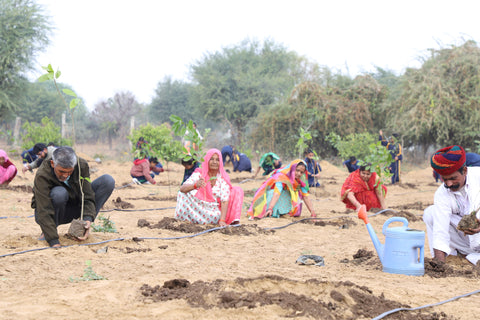
NGOs have introduced community participation models where local residents actively engage in tree plantation and maintenance. This approach creates ownership and ensures long-term sustainability of planted forests.
Grassroots Initiatives by Local Communities
Village-level tree plantation programs have shown remarkable success across rural India. Communities organize tree plantation drives during festivals and special occasions, creating cultural connections with environmental conservation.
Women's self-help groups have emerged as powerful forces in rural reforestation. They combine livelihood generation with environmental restoration through nursery development and tree maintenance programs.
⭐ A Symphony of Species: Diverse Trees, One Common Goal
India's diverse ecosystems require carefully selected tree species that can thrive in local conditions while providing maximum ecological benefits. The United Nations Environment Programme on forests emphasizes the importance of native species selection for successful reforestation projects.
Indigenous Species and Their Ecological Significance
Native tree species form the backbone of successful plantation programs. Banyan, neem, peepal, and sal trees have been extensively planted across different regions. These species support local wildlife, improve soil quality, and require minimal maintenance once established.
Regional preferences include teak in central India, eucalyptus in southern states, and pine varieties in northern regions. Each species contributes uniquely to local ecosystem restoration and biodiversity conservation.
Agroforestry Initiatives for Sustainable Farming
Farmers across India have embraced agroforestry as a sustainable practice that combines tree plantation with agricultural activities. This approach provides additional income sources while improving soil fertility and water retention.
Successful agroforestry models include growing fruit trees alongside crops, timber species on farm boundaries, and fodder trees for livestock. These practices demonstrate how environmental conservation can align with economic benefits.
Reforestation Projects Targeting Specific Ecosystems
Specialized reforestation programs focus on restoring degraded ecosystems. Mangrove restoration along coastal areas, miyawaki forests in urban spaces, and watershed restoration in hilly regions represent targeted approaches to ecosystem rehabilitation.
Each ecosystem requires specific tree species and planting techniques. Mangrove restoration uses salt-tolerant species, while miyawaki forests employ dense native plantations for rapid forest development.
🌳 The Green Canopy Spreads: Urban Tree Plantation Successes
Urban areas across India have witnessed remarkable transformation through strategic tree plantation initiatives. Cities like Mumbai, Bangalore, Delhi, Chennai, and Hyderabad have embraced urban forestry as essential infrastructure for sustainable development.
The United Nations Climate Change initiative recognizes urban forests as critical components in climate change mitigation strategies.
Street Tree Plantation Programs
Avenue plantation programs have transformed city landscapes across India. Wide roads now feature tree-lined medians and sidewalks that provide shade, reduce air pollution, and enhance urban aesthetics.
Municipal corporations have partnered with environmental organizations to ensure proper species selection and maintenance. Fast-growing shade trees like gulmohar, rain tree, and flame of the forest have become popular choices for street plantation.
Rooftop and Vertical Gardens in Urban Spaces
Innovative urban forestry includes rooftop gardens and vertical green walls that maximize limited urban space. These initiatives have gained popularity in metropolitan cities where ground space is scarce.
Residential societies and commercial buildings have adopted rooftop plantation programs. These spaces now host fruit trees, flowering plants, and even small vegetable gardens that contribute to local food security.
Community Involvement in Urban Afforestation
Citizen participation has become crucial for urban tree plantation success. Community groups organize plantation drives in parks, schools, and vacant lots, creating neighborhood ownership of green spaces.
School-based plantation programs engage students in environmental education while creating green campuses. These initiatives help develop environmental consciousness among young generations.
💡 Community-Led Conservation: Tribal Wisdom and Traditional Practices
Indigenous communities across India have demonstrated exceptional tree plantation successes through traditional knowledge systems. Their approaches combine ancestral wisdom with modern conservation techniques, creating sustainable forest management models.
Agroforestry Traditions
Tribal communities have practiced agroforestry for centuries, integrating trees with agricultural crops in sustainable patterns. These traditional systems provide food security while maintaining forest cover.
Indigenous agroforestry includes growing medicinal plants, fruit trees, and timber species alongside food crops. This approach ensures biodiversity conservation while meeting community livelihood needs.
Sacred Groves and Community-Managed Forests
Sacred groves represent unique conservation models where religious beliefs protect forest ecosystems. These community-managed forests often contain rare and endemic species that have disappeared from surrounding areas.
Tribal communities maintain these sacred spaces through traditional governance systems. The forests serve as biodiversity repositories and water source protection areas for entire communities.
Forest Conservation Through Traditional Rituals and Customs
Traditional festivals and customs often include tree plantation activities. Communities celebrate important occasions by planting trees, creating cultural connections between environmental conservation and social practices.
Seasonal plantation drives align with agricultural calendars and monsoon patterns. This timing ensures optimal growing conditions and higher survival rates for planted saplings.
📈 Technology and Innovation in Tree Plantation Documentation
Modern tree plantation programs leverage technology for better monitoring and documentation. GeoTag technology allows precise location tracking of planted trees, while mobile applications enable real-time progress monitoring.
Satellite imagery and drone surveys help assess plantation success rates and identify areas requiring additional intervention. These technological tools enhance transparency and accountability in large-scale plantation programs.
Digital Monitoring Systems
Organizations like Grow Billion Trees use advanced monitoring systems that track individual trees from planting to maturity. This comprehensive approach ensures higher survival rates and provides detailed impact documentation.
Digital certificates and tracking systems allow donors to monitor their planted trees' progress. This transparency builds trust and encourages continued participation in tree plantation programs.
Data-Driven Plantation Planning
Geographic Information Systems (GIS) help identify optimal plantation sites based on soil conditions, climate patterns, and ecological requirements. This scientific approach improves plantation success rates significantly.
Weather data analysis helps determine ideal planting seasons and species selection for different regions. Climate modeling ensures planted trees can adapt to changing environmental conditions.
🎯 Corporate Partnerships and Net Zero Targets
Corporate India has embraced tree plantation as a key strategy for achieving Net Zero Targets. Companies across various industries partner with environmental organizations to offset their carbon footprint through strategic tree plantation programs.
These partnerships create large-scale funding for plantation projects while helping corporations meet their environmental, social, and governance (ESG) commitments. The collaboration between private sector and environmental organizations has accelerated India's reforestation efforts.
Employee Engagement Programs
Companies organize employee volunteering programs that combine team building with environmental action. These initiatives create personal connections between employees and environmental conservation efforts.
Corporate plantation drives often become annual events that strengthen company culture while contributing to environmental restoration. Employees can Plant a tree in your Name as part of company-sponsored programs.
Supply Chain Sustainability
Forward-thinking companies integrate tree plantation into their supply chain sustainability strategies. This approach addresses environmental impact throughout their business operations while supporting local communities.
Partnerships with farming communities create sustainable supply chains that include agroforestry components. These relationships provide raw materials while supporting rural livelihoods and environmental conservation.
🌍 Measuring Impact: Success Metrics and Long-term Benefits
Documenting tree plantation triumphs in India requires comprehensive impact measurement systems. Success metrics include survival rates, carbon sequestration, biodiversity enhancement, and socioeconomic benefits for local communities.
Long-term monitoring reveals how planted saplings develop into mature forests that provide ecosystem services. These benefits include air purification, water conservation, soil protection, and climate regulation.
Environmental Impact Assessment
Scientific studies measure the environmental benefits of tree plantation programs. Carbon sequestration calculations demonstrate climate change mitigation potential, while biodiversity surveys document species recovery in restored areas.
Air quality improvements in urban areas with extensive tree plantation provide tangible health benefits for residents. These measurable outcomes justify continued investment in urban forestry programs.
Socioeconomic Benefits
Tree plantation programs create employment opportunities in rural areas through nursery operations, planting activities, and maintenance work. These programs often provide income sources for marginalized communities.
Agroforestry initiatives improve farmer incomes through diversified production systems. The combination of agricultural crops and tree products provides financial stability and risk reduction for farming families.
Further reading: Leaves of Legacy: Documenting Tree Plantation Triumphs · Tree Plantation Stories Across India: Inspiring Green Revolution
Frequently Asked Questions
What makes tree plantation programs successful in India?
Successful tree plantation programs in India combine scientific planning, community participation, appropriate species selection, and long-term maintenance. Programs that include local communities and use native species typically achieve higher survival rates and greater environmental impact.
How can individuals contribute to documenting tree plantation triumphs?
Individuals can participate by planting trees through certified organizations, volunteering for plantation drives, sharing success stories on social media, and supporting tree plantation initiatives financially. Digital documentation through photos and progress updates helps create comprehensive records of plantation successes.
Which tree species are most successful in Indian plantation programs?
Native species like neem, banyan, peepal, teak, and sal trees show highest success rates. The choice depends on local climate, soil conditions, and ecological requirements. Agroforestry programs often include fruit trees and timber species that provide economic benefits alongside environmental restoration.
How does technology help in documenting tree plantation success?
Technology enables precise location tracking through GPS and GeoTag systems, satellite monitoring of forest cover changes, mobile applications for progress reporting, and digital certificates for planted trees. These tools improve transparency and accountability in plantation programs.
What role do corporate partnerships play in tree plantation success?
Corporate partnerships provide essential funding for large-scale plantation programs while helping companies achieve Net Zero Targets. These collaborations combine private sector resources with environmental expertise, creating sustainable financing models for long-term forest restoration projects.
How can communities ensure long-term survival of planted trees?
Long-term survival requires regular watering during initial years, protection from grazing animals, pest management, and community ownership of plantation sites. Successful programs include maintenance provisions and local community training for ongoing tree care.
What are the key challenges in documenting tree plantation triumphs?
Key challenges include accurate survival rate tracking, long-term monitoring systems, standardized measurement criteria, and comprehensive impact assessment. Overcoming these challenges requires systematic documentation processes and technology integration.
How do tribal communities contribute to tree plantation success in India?
Tribal communities bring traditional ecological knowledge, sustainable forest management practices, and deep cultural connections to forest conservation. Their community-managed forests and sacred groves often achieve higher biodiversity conservation compared to conventional plantation programs.
What impact do urban tree plantation programs have on city environments?
Urban tree plantation programs improve air quality, reduce urban heat islands, provide recreational spaces, enhance property values, and create habitat for urban wildlife. Cities with extensive tree cover experience better quality of life and reduced environmental stress.
How can tree plantation programs contribute to climate change mitigation?
Tree plantation programs sequester atmospheric carbon dioxide, reduce greenhouse gas concentrations, and create carbon sinks that help offset emissions. According to the World Wildlife Fund forest initiatives, forests play crucial roles in global climate regulation and biodiversity conservation.The journey of documenting tree plantation triumphs in India reveals a nation's unwavering commitment to environmental restoration and sustainable development. From small community initiatives to large-scale corporate partnerships, these success stories demonstrate how collective action can transform landscapes and combat climate change.As we continue this green revolution, every planted tree represents hope for future generations. The transformation from saplings to giants symbolizes India's resilience and determination to create a sustainable environmental legacy.Join the movement to plant 100 crore trees across India. Discover how you can Plant a tree in your Name and become part of India's tree plantation triumph story. Together, we can continue documenting these environmental successes while building a greener, more sustainable future for all.
Keep reading
 Leaves of Legacy: Documenting Tree Plantation Triumphs
 Tree Plantation Stories Across India: Inspiring Green Revolution
 Exploring Tree Planting Techniques for Reforestation in India
 Rooted in Unity: Community-Led Tree Plantation Initiatives
 Community Tree Planting Initiatives: Engaging Locals in Carbon Reduction


Comments
Leave a comment