
Busting Common Myths About Trees: Separating Fact from Fiction
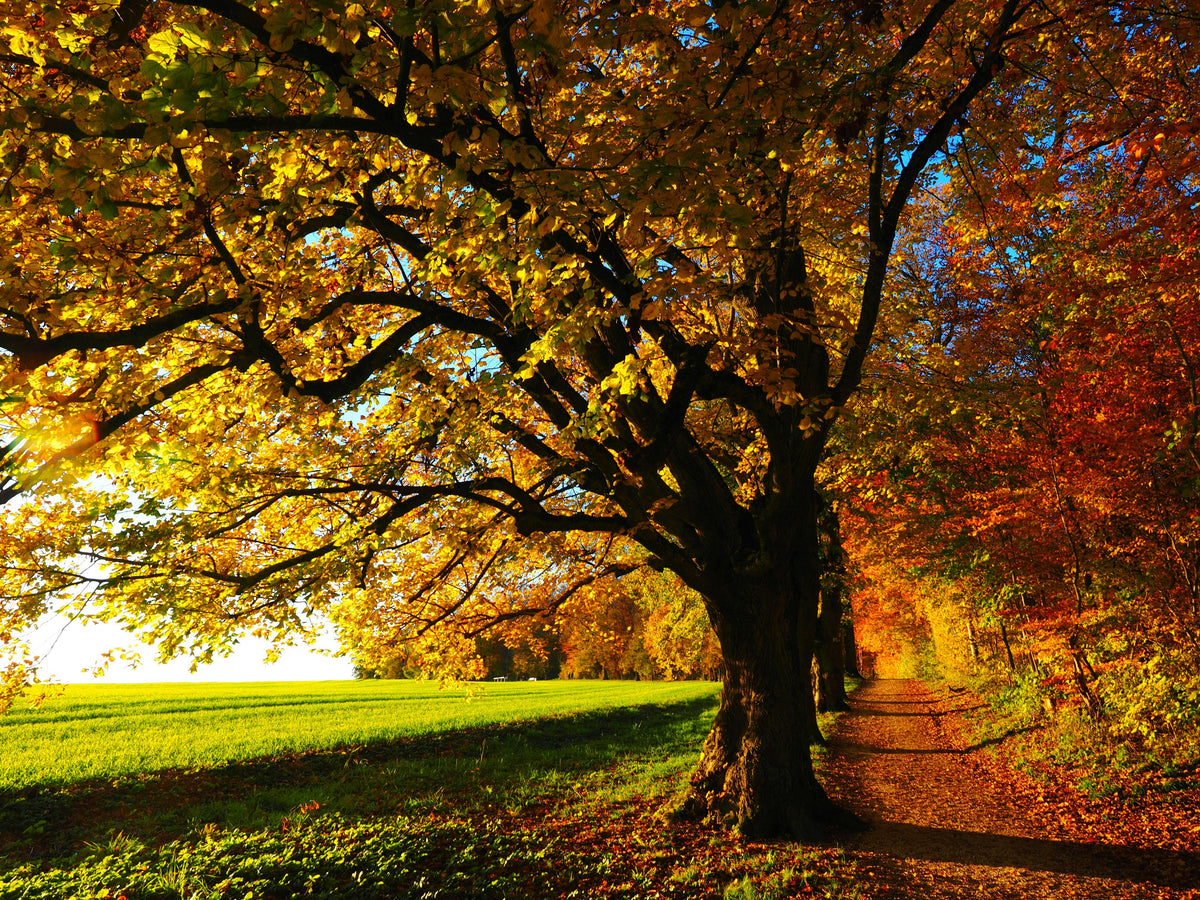
Trees do not have predetermined lifespans—many species live for centuries or millennia, with Bristlecone Pines surviving over 4,000 years. This common misconception obscures trees' actual environmental role: forests absorb 2.6 billion tons of carbon dioxide annually and support ecosystems far more complex than popularly understood.
Trees are nature's most misunderstood giants. Despite their crucial role in combating climate change and supporting life on Earth, countless myths persist about these remarkable organisms. Let's debunk the most common misconceptions and reveal the truth about trees that will transform how you see these green guardians of our planet.
✅ Why Busting Common Myths About Trees Matters
Understanding the reality behind tree myths is essential for making informed environmental decisions. When we Plant a tree in your Name through programs like Grow Billion Trees, we're not just adding greenery – we're contributing to a science-based solution for our planet's future. These misconceptions often prevent people from appreciating trees' true value in achieving Net Zero Targets and supporting biodiversity.
According to the United Nations Climate Change initiative, forests absorb 2.6 billion tons of carbon dioxide annually, making accurate tree knowledge crucial for climate action.
⭐ Myth #1: Trees Have a Finite, Predetermined Lifespan
Reality: This is one of the most persistent myths about tree longevity. While individual trees do eventually die, many species can live for centuries or even millennia when conditions are favorable.
Some remarkable examples include:
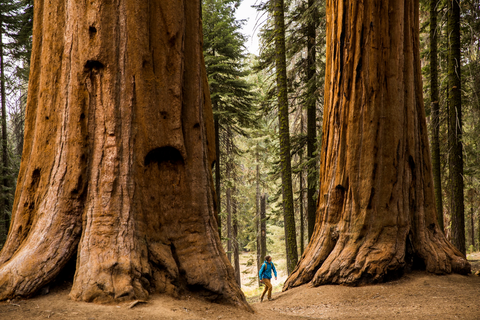
- Giant Sequoias can live over 3,000 years
- Bristlecone Pines have survived over 4,000 years
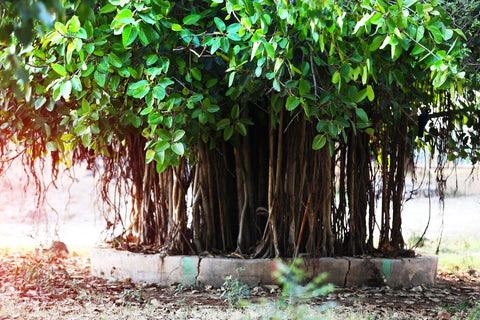
- Banyan trees in India continue growing for hundreds of years
- Oak trees commonly reach 200-300 years
The key factor isn't a genetic "expiration date" but rather environmental conditions, disease resistance, and human interference. Our 2-3ft Tree Planting + 3 Years Care + GeoTag program ensures young trees get the best start for a long, healthy life.
💡 Myth #2: Trees Only Absorb CO2 During Daylight Hours
Reality: This myth stems from a misunderstanding of plant biology. Trees actually engage with carbon dioxide throughout their entire lifecycle, not just during photosynthesis.
Here's what really happens:
- Daytime: Active photosynthesis converts CO2 into oxygen and glucose
- Nighttime: Cellular respiration continues, though at different rates
- Year-round: Carbon storage in wood, roots, and soil continues
- Seasonal: Even dormant trees maintain carbon in their biomass
The United Nations Environment Programme on Forests emphasizes that forests serve as continuous carbon sinks, making our goal of planting 100 crore trees even more impactful for climate stability.
⚠️ Myth #3: Older Trees Are Water Hogs
Reality: Mature trees are actually incredibly efficient water managers. While they may use more total water due to their size, they're remarkably efficient per unit of biomass.
Consider these facts about tree water usage:
- Mature trees develop extensive root systems for efficient water collection
- Older trees have better drought adaptation mechanisms
- Large canopies provide cooling that reduces overall water evaporation
- Deep roots access groundwater that younger trees cannot reach
Through our agroforestry programs, we've observed that established trees actually help improve water retention in soil, benefiting entire ecosystems rather than depleting water resources.
🏠 Myth #4: Tree Roots Always Damage Building Foundations
Reality: Most tree species pose minimal risk to foundations when properly planted and maintained. The key is understanding root behavior and choosing appropriate species for urban environments.
Root facts that bust this myth:
- Most tree roots grow horizontally, not vertically downward
- Roots typically extend 2-3 times the tree's canopy width
- Only certain species (like willows near water) aggressively seek foundations
- Proper species selection eliminates most foundation concerns
Our urban forestry experts recommend maintaining appropriate distances and selecting suitable species. When you participate in our tree planting programs, we ensure proper placement to maximize benefits while minimizing any potential issues.
🌲 Myth #5: Harvesting Wood Always Means Forest Destruction
Reality: Sustainable forestry practices prove that wood harvesting and forest conservation can coexist. The myth that using wood automatically harms forests overlooks modern sustainable practices.
Sustainable forestry includes:
- Selective harvesting that maintains forest structure
- Replanting programs that exceed harvest rates
- Certification systems ensuring responsible practices
- Long-term forest management planning
The World Wildlife Fund's forest conservation initiatives demonstrate how responsible management can provide resources while protecting ecosystems. This aligns with our mission of Combating Climate Change Through Collective Action through sustainable practices.
🍂 Myth #6: All Trees Lose Their Leaves in Fall
Reality: This seasonal myth ignores the diversity of tree species and their adaptation strategies. Trees have evolved various approaches to seasonal changes.
Tree categories by leaf behavior:
- Deciduous trees: Shed leaves annually (maples, oaks, birches)
- Evergreen trees: Retain leaves year-round (pines, firs, spruces)
- Semi-evergreen trees: May drop some leaves in extreme conditions
- Tropical trees: Follow different seasonal patterns based on rainfall
In India, where we're working toward our goal of planting 100 crore trees by 2030, we encounter incredible diversity in leaf patterns adapted to monsoon cycles, dry seasons, and regional climates.
🤧 Myth #7: Trees Are Major Allergy Culprits
Reality: Trees are often unfairly blamed for seasonal allergies. The real culprits are usually grasses, weeds, and specific flowering plants with different pollen characteristics.
Allergy facts about trees:
- Tree pollen particles are generally larger and heavier
- Most tree pollen doesn't travel as far as grass pollen
- Female trees produce no pollen (only male trees do)
- Many ornamental trees are bred to be low-pollen varieties
Interestingly, trees can actually help reduce allergens by filtering air and trapping particles on their leaves. Our miyawaki forest programs create dense, diverse forests that often improve local air quality.
⚡ Myth #8: All Trees Grow at a Snail's Pace
Reality: Growth rates vary dramatically among species, with some trees growing remarkably quickly under optimal conditions.
Fast-growing tree examples:
- Eucalyptus: Can grow 6-8 feet annually
- Bamboo: Technically a grass, but can grow 3 feet in 24 hours
- Poplar trees: Often grow 5-8 feet per year
- Willow trees: Can add 6-10 feet annually
Our experience with various planting programs shows that with proper care, nutrition, and conditions, many native Indian species can achieve impressive growth rates. The 3 Years Care included in our planting programs ensures optimal growth conditions during crucial early years.
🌍 The Environmental Impact of Tree Myths
These myths don't just spread misinformation – they can actively harm environmental conservation efforts. When people believe trees are water hogs or foundation destroyers, they're less likely to support urban forestry initiatives.
Real environmental benefits of trees include:
- Carbon sequestration averaging 48 pounds of CO2 per tree annually
- Air purification removing pollutants and producing oxygen
- Temperature regulation through shade and evapotranspiration
- Biodiversity support for countless species
- Soil erosion prevention and water cycle regulation
The United Nations Sustainable Development Goals recognize forests as critical for achieving multiple environmental and social objectives, making accurate tree knowledge essential for global progress.
💚 How Grow Billion Trees Addresses These Myths
Our comprehensive approach to reforestation directly counters these myths through science-based practices:
- Species Selection: We choose appropriate trees for each location and purpose
- Professional Care: Our 3-year care program ensures optimal tree establishment
- Technology Integration: GeoTag tracking provides transparent monitoring
- Education Programs: We share accurate information about tree biology and care
When you Plant a tree in your Name for just ₹299, you're not just adding a tree – you're supporting evidence-based environmental restoration that addresses climate change through proven methods.
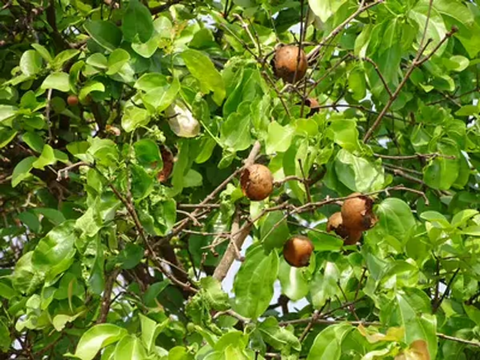
Further reading: Indian Poison Nut Tree: Benefits, Myths & Environmental Impact · Are Banyan Trees Dwelling Place for Ghosts - Myth or Reality?
Frequently Asked Questions
Do trees really live for hundreds of years?
Yes, many tree species can live for centuries when conditions are favorable. Some species like Giant Sequoias and Bristlecone Pines can live for thousands of years. Lifespan depends on species, environmental conditions, and human interference rather than a predetermined genetic limit.
Can trees actually damage my home's foundation?
Most trees pose minimal risk to foundations when properly planted. Tree roots typically grow horizontally rather than straight down, and only certain species near water sources actively seek foundations. Proper species selection and placement eliminate most concerns.
Do trees cause seasonal allergies?
Trees are often wrongly blamed for allergies. Most seasonal allergies come from grasses and weeds with smaller, more airborne pollen. Tree pollen is generally larger and heavier, making it less likely to cause allergic reactions.
How fast do trees actually grow?
Growth rates vary dramatically by species. While some trees grow slowly, others like eucalyptus can grow 6-8 feet annually. Fast-growing species include poplars, willows, and certain native varieties that can achieve impressive growth with proper care.
Do trees only help the environment during the day?
No, trees provide environmental benefits 24/7. While active photosynthesis occurs during daylight, trees continue carbon storage, air filtration, and ecosystem support around the clock. They're continuous environmental contributors, not just daytime workers.
Is it harmful to use wood products?
Not when sourced from sustainable forestry operations. Responsible harvesting, replanting programs, and forest management can provide wood products while maintaining healthy forests. The key is supporting certified sustainable sources.
Do older trees use too much water?
While mature trees may use more total water due to size, they're highly efficient water managers. They develop extensive root systems, better drought adaptation, and actually help improve soil water retention for entire ecosystems.
Should I avoid planting trees near my house?
Not necessarily. With proper species selection and placement, trees provide tremendous benefits including cooling, air purification, and property value increases. The key is choosing appropriate species and maintaining proper distances from structures.
🌱 Taking Action: Moving Beyond Myths to Reality
Understanding the truth about trees empowers us to make better environmental decisions. Every myth we bust brings us closer to effective climate action and forest conservation.
Our comprehensive tree planting programs address these realities through:
- Scientific species selection based on local conditions
- Professional planting and care protocols
- Long-term monitoring and maintenance
- Community education and engagement
By choosing to Plant a tree in your Name through our verified programs, you're supporting science-based environmental restoration that creates lasting positive impact. Our GeoTag technology ensures transparency, while our 3-year care commitment guarantees your tree gets the best possible start.
Join thousands of environmentally conscious individuals and organizations in Combating Climate Change Through Collective Action. Together, we're not just planting trees – we're growing a more sustainable future based on facts, not fiction.
Ready to move beyond myths and create real environmental impact? Explore our tree planting programs and plant your tree today for just ₹299. Every tree planted brings us closer to our goal of 100 crore trees and a healthier planet for future generations.


Comments
Leave a comment