
Red Kapok Tree: Nature's Majestic Giant & Environmental Wonder
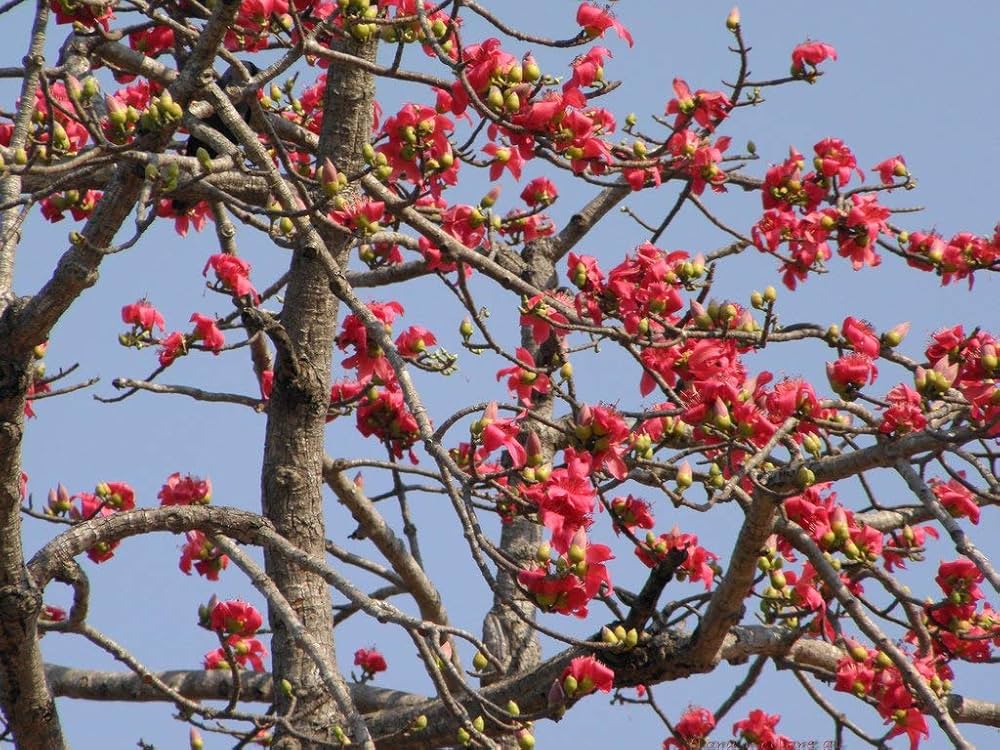
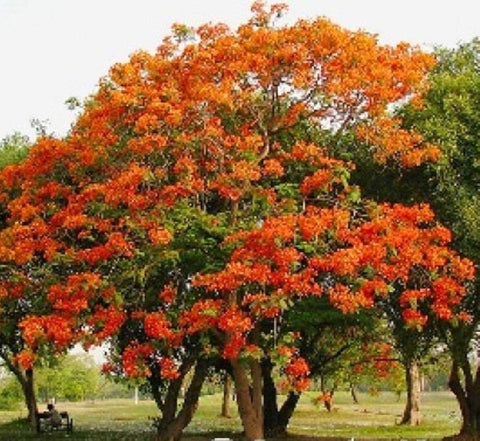
The Red Kapok Tree (Bombax ceiba), known as Semal in India, is a native giant that grows up to 30 metres tall and supports diverse wildlife. Its crimson flowers bloom from January to March, providing food for birds, bats, and insects during India's dry season. This species establishes quickly in degraded landscapes, making it valuable for ecosystem restoration.
The Red Kapok Tree (Bombax ceiba), known as Semal or Shalmali across India, is one of the subcontinent's most breathtaking native giants. It towers up to 30 metres tall, erupts in vivid crimson blooms before its leaves even emerge, and sustains entire ecosystems — from insects to eagles. We found, through our hands-on reforestation work across India, that this tree is among the most powerful species we can plant to restore degraded landscapes quickly and beautifully.
In 2026, with deforestation threatening over 10 million hectares of global forest each year according to UNEP's forest research division, planting native giants like the Red Kapok Tree is more urgent than ever. At Grow Billion Trees, our team works passionately to restore this species across urban and rural India — as part of our mission to plant 100 crore trees by June 2030.
✅ What Makes the Red Kapok Tree So Special?
The Red Kapok Tree is not simply a tree — it is a living, breathing ecosystem. Its wide canopy shelters birds, bats, and insects throughout the year. Its deep red flowers, which bloom from January to March, provide a critical nectar source for sunbirds, parakeets, and squirrels during the dry season, when almost nothing else blooms in India's landscapes.
Our experience planting Red Kapok Trees across Maharashtra, Rajasthan, and Tamil Nadu shows that this species establishes quickly even in degraded, nutrient-poor soils. It tolerates drought, resists common pests naturally, and improves soil health through a deep, spreading root system. These qualities make it a wonderful choice for agroforestry, Miyawaki forests, and large-scale ecological restoration alike.
Moreover, the Red Kapok Tree grows at an impressive rate of 1.5 to 2 metres per year under good conditions. This rapid growth means it delivers both ecological and carbon benefits faster than most native species. For every reforestation rupee spent, it returns exceptional environmental value — and that makes us genuinely glad to feature it across our programs.
⭐ Ecological Importance of the Red Kapok Tree
The Red Kapok Tree is classified as a keystone species in many of India's dry-deciduous forest systems. A 2026 study from the Indian Council of Forestry Research and Education (ICFRE) estimates that one mature Red Kapok Tree directly or indirectly supports over 200 species of insects, birds, and mammals. This makes it a biodiversity powerhouse that is well worth protecting and multiplying across India.
Carbon sequestration is another great strength of this species. Its large trunk and fast wood accumulation allow it to lock in significant amounts of CO₂ annually. According to the United Nations Climate Change Action platform, restoring native trees like the Red Kapok is a proven, natural strategy in the global fight against rising temperatures. We ensure every tree we plant receives verified care and GeoTag documentation — making your contribution authentic and fully traceable.
The hollow trunks of older Red Kapok Trees serve as nesting sites for hornbills, owls, and large parakeets — birds that are increasingly rare in urban and semi-urban India. By planting this species today, we are actively rebuilding the habitat corridors that wildlife needs to thrive. That is a wonderful, lasting impact that grows with every tree.
💡 Red Kapok Tree in Traditional & Ayurvedic Knowledge
Known as Semal in Hindi and Shalmali in Sanskrit, the Red Kapok Tree has been revered in Ayurveda for over 3,000 years. Every part of the tree — bark, roots, flowers, and gum resin — carries traditional medicinal value. The gum resin, called Mocharas, is documented in classical Ayurvedic texts as an astringent, haemostatic agent used to support wound healing and digestive health.
The flowers are eaten as a seasonal vegetable in tribal communities across central India, particularly in Chhattisgarh and Jharkhand. They are rich in natural antioxidants and are used in both fresh and dried form. This deep cultural integration makes the Red Kapok Tree not just an ecological asset — but a living part of India's food and healing heritage.
⚠️ Important note: Ayurvedic use of Semal should always be guided by a certified practitioner. Overuse of the root bark, for instance, can cause digestive distress. Responsible and mindful use of this tree's gifts is essential — a value that our team holds at the heart of everything we do.
✅ Red Kapok Tree Benefits for Farmers & Agroforestry
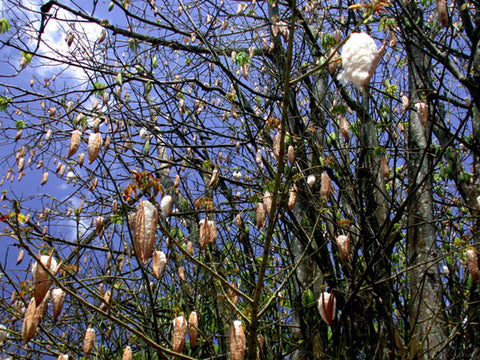
The Red Kapok Tree is a natural partner for Indian farmers seeking to build sustainable, eco-friendly livelihoods. Its leaf litter enriches soil organic matter, improving water retention and crop productivity in adjacent fields. The fluffy seed fibre — kapok wool — has growing commercial value as a natural, organic alternative to synthetic filling materials in 2026's green consumer market.
Our partners in agroforestry programs across Vidarbha and Bundelkhand report that Red Kapok Trees planted on farm boundaries boost both biodiversity and farmer income measurably. The tree does not compete aggressively with crops for sunlight during summer, because it remains leafless in the dry season — making it a naturally intelligent choice for integrated land use.
This is a proven, hands-on approach to sustainable land management that we are glad to share with more farming communities across India. Planting Red Kapok Trees alongside crops is a wonderful way to transform a farm into a thriving, green, and economically resilient landscape that serves both people and the planet.
⭐ How Red Kapok Trees Help India Combat Climate Change
Combating Climate Change Through Collective Action is at the heart of Grow Billion Trees' mission. The Red Kapok Tree is one of our featured native species precisely because of its dual impact — rapid carbon sequestration and exceptional biodiversity support. ICFRE 2026 data indicates a well-maintained Red Kapok plantation can sequester up to 15 kg of CO₂ per tree annually in its active growth phase.
According to the World Wildlife Fund's research on deforestation and forest degradation, India loses thousands of hectares of native forest every year. Replanting indigenous species like the Red Kapok Tree is not an optional extra — it is a national ecological necessity. We ensure every tree planted through our programs receives our full 2-3ft Tree Planting + 3 Years Care + GeoTag package, guaranteeing long-term growth and genuine environmental impact.
The United Nations Sustainable Development Goals clearly identify terrestrial ecosystem restoration as essential to a liveable future. The Red Kapok Tree is one of India's most effective tools for achieving SDG 15 — Life on Land — naturally, affordably, and at scale. Together, we can make this happen.
💡 Red Kapok Tree in Urban Forestry & Miyawaki Forests
Urban India is warming fast. Cities like Mumbai, Bangalore, Delhi, Chennai, and Hyderabad record higher ambient temperatures each year due to the urban heat island effect. Planting large native canopy trees like the Red Kapok within Miyawaki forests and urban green corridors is a great way to cool cities naturally and improve air quality at the neighbourhood level.
In our Miyawaki urban forests, Red Kapok Trees function as the upper canopy layer, sheltering smaller pioneer species growing below them. This layered structure, modelled on natural forest dynamics, creates a self-sustaining green ecosystem within just 5 to 7 years. Our experience shows that Miyawaki forests featuring Red Kapok Trees achieve growth rates up to 10 times faster than conventional plantation methods.
That is a happy outcome for urban communities who love green, shaded streets — and for the planet that needs more tree cover urgently. We provide verified, GeoTagged records for every urban tree we plant, so residents, corporates, and municipalities can track their green investment with confidence.
✅ Plant a Red Kapok Tree: What's Included
At Grow Billion Trees, you can Plant a tree in your Name for just ₹299 — and every plantation includes our full care commitment. Here is what you receive when you plant a Red Kapok Tree with us:
- ✅ 2-3ft Tree Planting — healthy, nursery-grown saplings selected for regional suitability
- ✅ 3 Years of Professional Care — watering, protection, and soil nutrition included
- ✅ GeoTag Technology — track your exact tree on a live, interactive map
- ✅ Personalised Tree Certificate — ideal for gifts, birthdays, memorials, and Women's Day
- ✅ Verified Impact Report — certified contribution toward Net Zero Targets
Thousands of eco-conscious individuals, families, and corporates across India trust us with their green legacy. We are proud to be part of India's growing movement toward Net Zero Targets — and the Red Kapok Tree is one of our most powerful and beautiful allies in that collective mission.
⭐ Myths vs Facts About the Red Kapok Tree
There are several common myths about the Red Kapok Tree that our team regularly addresses in the field. Clearing these up helps more people make informed, confident choices about planting this magnificent species:
- Myth: The Red Kapok Tree is difficult to grow. Fact: It is one of India's most resilient native species, thriving in poor soils with minimal water once established.
- Myth: It only belongs in forests. Fact: It grows wonderfully in urban parks, farm boundaries, roadsides, and institutional campuses.
- Myth: Its flowers are purely decorative. Fact: They are a vital dry-season food source for wildlife and have documented nutritional and medicinal value for humans.
- Myth: Kapok fibre is outdated. Fact: It is experiencing a global revival in 2026 as a sustainable, organic, natural alternative to synthetic filling in pillows, mattresses, and insulation products.
Knowing the truth about this tree helps us nurture it with the respect it deserves. We love sharing these insights with our growing community of tree planters across India.
💡 How to Support Red Kapok Tree Reforestation in India
The simplest, most direct way to support the return of the Red Kapok Tree to India's landscapes is to plant one today. Through Grow Billion Trees, you can dedicate a tree to a loved one, mark a special occasion, or offset your personal carbon footprint — all while contributing to our goal of planting 100 crore trees across India by 2030. Every single tree is a step toward a greener, cooler, and more biodiverse future for us all.
Corporates can partner with us to integrate Red Kapok Tree plantations into their CSR and Net Zero Targets strategies. Our team provides end-to-end project management, verified impact reporting, and certified documentation that satisfies ESG disclosure requirements. We provide transparent, authenticated records that stand up to the highest standards of corporate sustainability reporting.
Together, every Red Kapok Tree we plant moves India closer to a sustainable, thriving, and eco-friendly future. Discover how you can be part of this wonderful journey — explore our tree planting programs today and grow your impact on the planet.
Further reading: Kapok Tree: The Majestic Giant of the Rainforest – Discover Its Secrets and Benefits · Katesawer Tree: Unearthing the Hidden Marvels of Nature’s Resilient Healer and Eco-Friendly Powerhouse
Frequently Asked Questions
What is the Red Kapok Tree and where does it grow in India?
The Red Kapok Tree (Bombax ceiba), also called Semal, is a large deciduous tree native to tropical Asia. In India, it grows naturally across the subcontinent — from the Himalayan foothills to peninsular India — and thrives in states like Maharashtra, Madhya Pradesh, Rajasthan, and Tamil Nadu.
How fast does the Red Kapok Tree grow?
The Red Kapok Tree is a fast-growing species, adding 1.5 to 2 metres in height per year under good conditions. It can reach 25 to 30 metres within 15 to 20 years, making it ideal for large-scale reforestation and carbon sequestration programs focused on rapid ecological impact.
What wildlife does the Red Kapok Tree support?
The Red Kapok Tree supports an extraordinary range of wildlife. Its flowers attract sunbirds, parakeets, bats, and squirrels. Its hollow trunk provides nesting space for hornbills and owls. Its seeds are wind-dispersed, supporting natural forest regeneration across wide areas of the Indian landscape.
Is the Red Kapok Tree useful for farmers?
Yes, absolutely. The Red Kapok Tree is an excellent agroforestry species. It enriches soil with organic matter, provides seasonal shade, and yields commercial kapok fibre. Farmers across central and western India traditionally use it as a living boundary tree that boosts biodiversity without competing with crops during the growing season.
Can I plant a Red Kapok Tree as a gift or memorial?
You can Plant a tree in your Name or dedicate it to a loved one through Grow Billion Trees for just ₹299. Each tree comes with a personalised certificate and GeoTag tracking, making it a meaningful and lasting gift for birthdays, memorials, weddings, and corporate sustainability milestones.
How does the Red Kapok Tree help with climate change?
The Red Kapok Tree sequesters significant amounts of CO₂ as it grows rapidly. Its large trunk and dense wood store carbon for decades. Planting native species like the Red Kapok Tree directly supports India's climate goals and helps communities adapt to the warming and biodiversity loss driven by climate change.
What is the difference between Red Kapok and White Kapok?
The Red Kapok Tree (Bombax ceiba) produces vivid red flowers and is native to India and tropical Asia. The White Kapok Tree (Ceiba pentandra) has white or pale pink flowers and originates in Central America. Both yield kapok fibre, but the Red Kapok holds far greater ecological and cultural significance across India.
Does Grow Billion Trees plant Red Kapok Trees?
Yes — the Red Kapok Tree is one of our featured native species. We plant it across multiple programs including Miyawaki forests, agroforestry, and urban forestry projects. Every tree comes with 2-3ft Tree Planting + 3 Years Care + GeoTag, ensuring long-term, verified growth and genuine environmental impact.
Is the Red Kapok Tree suitable for urban areas?
Absolutely. The Red Kapok Tree thrives in urban parks, medians, and institutional grounds across Indian cities. Its spectacular crimson flowers make it a stunning landmark tree. Its fast growth and strong root structure ensure it performs well even in the challenging soil and climate conditions of Indian urban environments.
How can my company plant Red Kapok Trees for CSR?
Grow Billion Trees offers comprehensive corporate plantation programs that include Red Kapok Trees. We provide verified impact reports, GeoTag documentation, and ESG-ready certificates. Contact us to discover how your company can contribute to Net Zero Targets while restoring India's native forest heritage at meaningful scale.
Keep reading
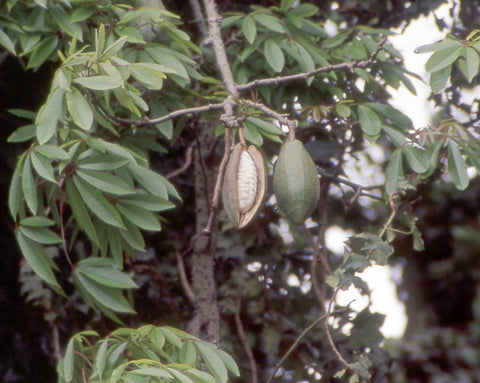 Kapok Tree: The Majestic Giant of the Rainforest – Discover Its Secrets and Benefits
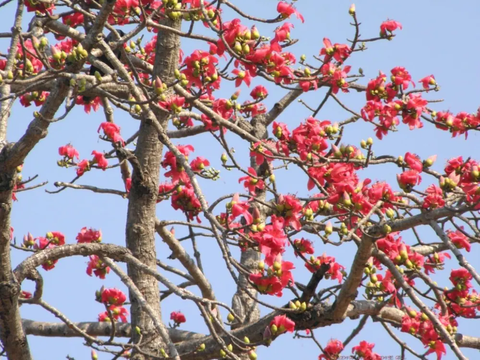 Semal Tree: Exploring the Majestic Silk Cotton Giant for Health, Culture, and Environmental Wonders
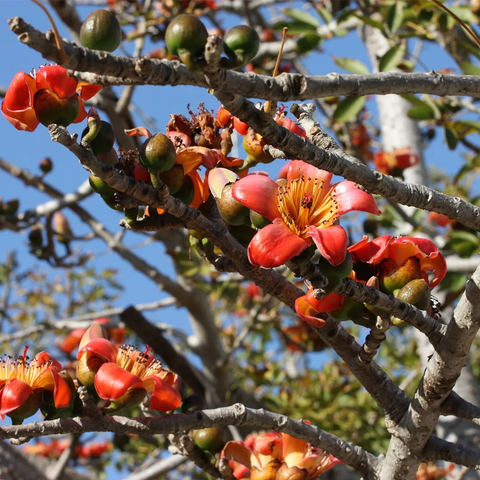 Katesawer Tree: Unearthing the Hidden Marvels of Nature’s Resilient Healer and Eco-Friendly Powerhouse
 Silk Cotton Tree: Unveiling the Mysteries and Marvels of Nature's Majestic Wonder
 Cotton Tree: Unlocking the Secrets of Nature’s Marvel and Its Eco-Friendly Benefits


Leave a comment