
Indian Poison Nut Tree: Benefits, Myths & Environmental Impact
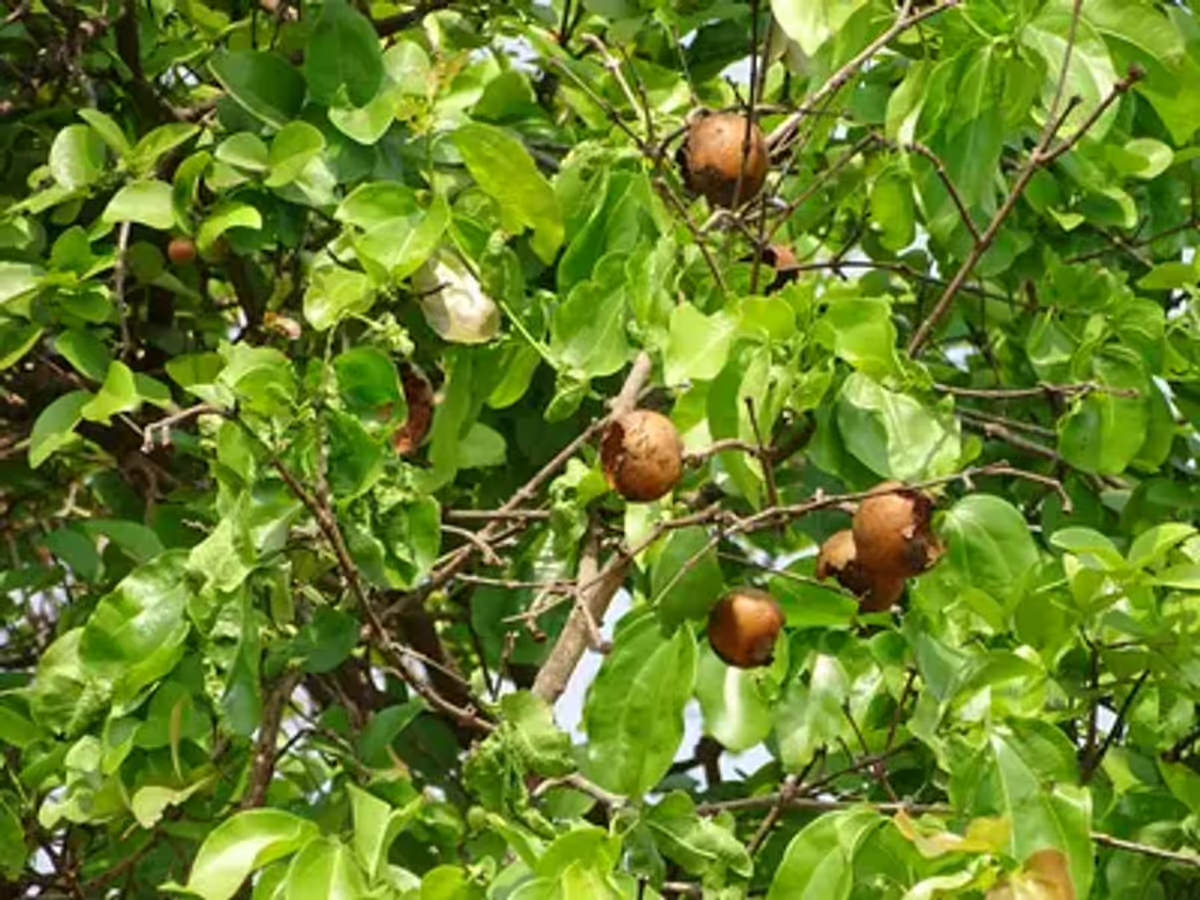
The Indian Poison Nut Tree (Jatropha curcas) is a drought-resistant species native to Central America, now cultivated across tropical India. Despite its name—derived from toxic seed oils—the tree offers genuine environmental benefits, from biofuel to soil conservation. Its resilience in harsh conditions and year-round flowering make it valuable for sustainable development, though misconceptions about its toxicity persist.
The Indian Poison Nut Tree (Jatropha curcas) stands as one of nature's most versatile yet misunderstood plants. This drought-resistant species offers remarkable potential for sustainable development, from biofuel production to soil conservation. Despite its ominous name, this extraordinary tree presents significant opportunities for environmental restoration and economic development across tropical regions.
✅ Understanding the Indian Poison Nut Tree
The Indian Poison Nut Tree is a small, resilient tree native to Central America and the Caribbean, now widely cultivated across India and tropical regions worldwide. Growing up to 5 meters in height, this remarkable plant features distinctive green, lobed leaves and yellow-green flowers that bloom year-round.
What makes this tree particularly fascinating is its ability to thrive in harsh conditions where other plants struggle. The seeds contain toxic oil compounds, which led to its cautionary name, yet this very characteristic contributes to many of its beneficial applications.
Scientific Classification
- Kingdom: Plantae
- Family: Euphorbiaceae
- Genus: Jatropha
- Species: J. curcas
- Common Names: Indian Poison Nut, Physic Nut, Purging Nut
🌿 Historical Significance and Cultural Heritage
The use of the Indian Poison Nut Tree spans centuries, with indigenous communities in Central America utilizing its seeds for traditional medicine and oil extraction. According to the United Nations Sustainable Development Goals, traditional plant knowledge plays a crucial role in sustainable development practices.
In India, the tree was introduced during the British colonial period and quickly gained recognition for its versatility. Historical records show that Indian communities embraced this plant for its potential as both a medicinal resource and agricultural tool, integrating it into their sustainable farming practices.
⭐ Remarkable Benefits of the Indian Poison Nut Tree
Medicinal Properties
The Indian Poison Nut Tree has been traditionally valued in herbal medicine systems. Its leaves, bark, and properly processed seeds possess anti-inflammatory, analgesic, and antimicrobial properties. Research demonstrates that extracts from Jatropha curcas can inhibit the growth of certain bacteria and fungi, making it a promising candidate for natural remedies.
Traditional healers have long recognized the therapeutic potential of this plant, using various parts for treating wounds, skin conditions, and digestive issues when properly prepared.
💡 Soil Erosion Control and Land Restoration
The tree's extensive root system provides exceptional soil stabilization benefits, particularly in arid and semi-arid regions. By planting Indian Poison Nut Trees, communities can effectively prevent soil erosion while improving land fertility for sustainable agriculture.
This characteristic makes it invaluable for land restoration projects, especially in degraded areas where conventional crops struggle to establish.
Carbon Sequestration and Climate Action
As highlighted by the United Nations Climate Change initiatives, trees play a vital role in carbon sequestration. The Indian Poison Nut Tree contributes significantly to climate change mitigation by absorbing carbon dioxide from the atmosphere, improving air quality and supporting global climate goals.
Each mature tree can sequester substantial amounts of carbon throughout its 50-year lifespan, making it an excellent choice for carbon offset programs and environmental restoration projects.
🌍 Environmental Impact and Conservation
The Indian Poison Nut Tree demonstrates remarkable promise in environmental applications. Its ability to thrive in poor soils and withstand drought conditions makes it particularly suitable for reforestation projects in degraded lands. The United Nations Environment Programme's forest conservation efforts emphasize the importance of such resilient species in ecosystem restoration.
Additionally, these trees serve as effective windbreaks, protecting crops from harsh winds and enhancing agricultural productivity. Their presence can create beneficial microclimates that support diverse plant and animal communities.
⚠️ Ecological Considerations
While the Indian Poison Nut Tree offers numerous benefits, careful consideration of ecological implications is essential. In some regions, Jatropha curcas has shown invasive tendencies, potentially outcompeting native species and affecting local biodiversity.
Responsible cultivation requires proper management, monitoring, and integration with existing ecosystems to maximize benefits while minimizing potential negative impacts.
🔍 Debunking Myths and Misconceptions
Despite its potential benefits, the Indian Poison Nut Tree is surrounded by myths that often overshadow its true value. Let's address the most common misconceptions:
Myth 1: All Parts are Highly Toxic
While seeds contain toxic compounds, particularly phorbol esters, not all parts of the tree are equally harmful. The leaves and bark have been safely used in traditional medicine for centuries when properly prepared and processed.
Myth 2: Only Seeds Have Value
Many believe the Indian Poison Nut Tree is valuable only for its seeds. However, leaves and stems serve multiple purposes, including animal fodder and green manure in agricultural practices, demonstrating the plant's comprehensive utility.
Myth 3: It's Always a Noxious Weed
While Jatropha curcas can become invasive in certain conditions, it's not inherently problematic. Its ecological impact depends heavily on local environment and management practices. Responsible cultivation can effectively mitigate invasiveness concerns.
🌱 Grow Billion Trees: Leading Environmental Action
Grow Billion Trees recognizes the tremendous potential of the Indian Poison Nut Tree in Combating Climate Change Through Collective Action. Our organization is dedicated to environmental sustainability and comprehensive reforestation efforts across India, working toward our ambitious goal of planting 100 crore trees by June 2030.
We understand that achieving Net Zero Targets requires diverse approaches, and the Indian Poison Nut Tree represents one valuable component of our comprehensive environmental strategy.
Our Project Execution Approach
Community Engagement: We collaborate closely with local communities to raise awareness about tree planting benefits. By involving residents in the planting process, we foster ownership and long-term responsibility for environmental stewardship.
Research and Development: Our team conducts thorough research to identify optimal locations for planting Jatropha curcas and other beneficial species. We analyze soil conditions, climate patterns, and ecological factors to ensure successful establishment.
Technology Integration: Every tree planted through our programs includes our innovative 2-3ft Tree Planting + 3 Years Care + GeoTag system, allowing donors to track their environmental impact through advanced monitoring technology.
💡 Sustainable Applications and Future Potential
The Indian Poison Nut Tree offers numerous sustainable applications that align with modern environmental goals:
- ✅ Biofuel Production: Seeds can be processed into biodiesel, providing renewable energy alternatives
- ✅ Agroforestry Systems: Integration with agricultural crops for improved productivity
- ✅ Waste Land Rehabilitation: Restoration of degraded lands through strategic planting
- ✅ Rural Economic Development: Income generation opportunities for farming communities
When you choose to Plant a tree in your Name through our programs, you're supporting these diverse applications while contributing to India's environmental restoration goals.
🌿 Conservation Success Stories
Across India, the Indian Poison Nut Tree has demonstrated remarkable success in various conservation projects. In Rajasthan's arid regions, these trees have successfully stabilized sand dunes while providing economic opportunities for local communities. Similarly, in Maharashtra's degraded mining areas, Jatropha plantations have restored soil health and created green corridors for wildlife.
These success stories highlight the species' potential when properly managed and integrated into comprehensive environmental restoration strategies.
Further reading: Fish Poison Tree: The Hidden Danger Lurking in Nature's Beauty · Cashew Tree : Cultivation for a Greener Tomorrow
Frequently Asked Questions
Is the Indian Poison Nut Tree actually poisonous?
The seeds contain toxic compounds that make them harmful if consumed raw. However, with proper processing and preparation, various parts of the tree have been safely used in traditional medicine and other applications for centuries.
How fast does the Indian Poison Nut Tree grow?
The Indian Poison Nut Tree is relatively fast-growing, typically reaching maturity within 3-5 years. Under optimal conditions, it can grow 2-3 feet per year, making it an excellent choice for quick environmental restoration projects.
Can the Indian Poison Nut Tree survive in drought conditions?
Yes, this tree is exceptionally drought-resistant and can thrive in arid and semi-arid conditions where many other species struggle. This resilience makes it valuable for reforestation in challenging climates.
What are the main uses of Indian Poison Nut Tree seeds?
Seeds are primarily used for biodiesel production, traditional medicine (when properly processed), and soap manufacturing. The oil extracted from seeds has various industrial applications beyond fuel production.
How does planting Indian Poison Nut Trees help the environment?
These trees contribute to carbon sequestration, soil erosion control, biodiversity support, and land restoration. They also provide windbreaks for agricultural areas and create habitats for various wildlife species.
Are there any risks associated with planting Indian Poison Nut Trees?
The main risk is potential invasiveness in certain ecosystems. Proper site selection, management, and monitoring are essential to prevent negative ecological impacts while maximizing environmental benefits.
How long do Indian Poison Nut Trees live?
With proper care, these trees can live 50+ years, providing long-term environmental benefits. Their longevity makes them excellent investments for carbon sequestration and ecosystem restoration projects.
Can Indian Poison Nut Trees be planted in urban areas?
Yes, these trees can adapt to urban environments and provide benefits like air purification and temperature regulation. However, careful consideration of space requirements and proper maintenance is necessary.
What soil conditions do Indian Poison Nut Trees prefer?
These trees are remarkably adaptable and can grow in various soil types, including poor, sandy, or degraded soils. They prefer well-draining conditions but can tolerate both acidic and alkaline soils.
How can I get involved in planting Indian Poison Nut Trees?
You can support our environmental mission by participating in our tree planting programs. For just ₹299, you can Plant a tree in your Name with comprehensive care and tracking through our GeoTag technology.
🌟 Taking Action for Environmental Impact
The Indian Poison Nut Tree represents a remarkable example of nature's resilience and versatility. From its historical significance to its modern applications in sustainable development, this species offers tremendous potential for addressing contemporary environmental challenges.
Through proper understanding, responsible cultivation, and strategic implementation, the Indian Poison Nut Tree can contribute significantly to reforestation efforts, climate change mitigation, and rural economic development. Organizations like Grow Billion Trees are leading the way in harnessing this potential while ensuring ecological balance and community benefit.
Ready to make a difference? Join our mission to plant 100 crore trees across India and contribute to a sustainable future. Discover how you can plant a tree in your name today and become part of India's largest environmental restoration movement.
Keep reading
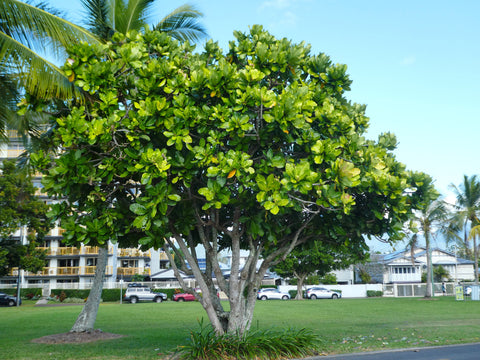 Fish Poison Tree: The Hidden Danger Lurking in Nature's Beauty
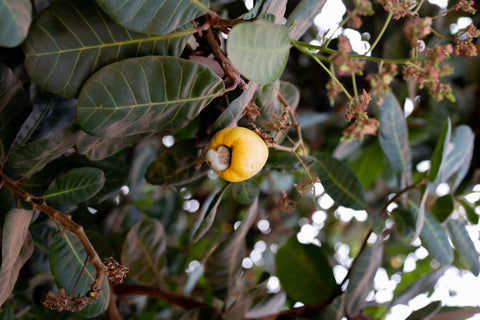 Cashew Tree : Cultivation for a Greener Tomorrow
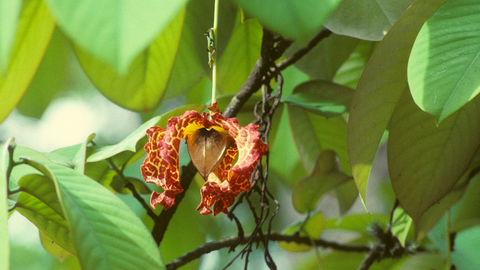 False Nutmeg Tree: Discover the Hidden Benefits and Myths of This Enigmatic Plant!
 Busting Common Myths About Trees: Separating Fact from Fiction
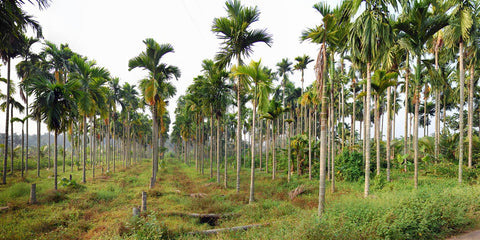 Betel Nut Palm Tree: The Hidden Treasures and Health Benefits You Never Knew!


Leave a comment