


Desert Ironwood Tree: The Ultimate Guide to Its Remarkable Resilience
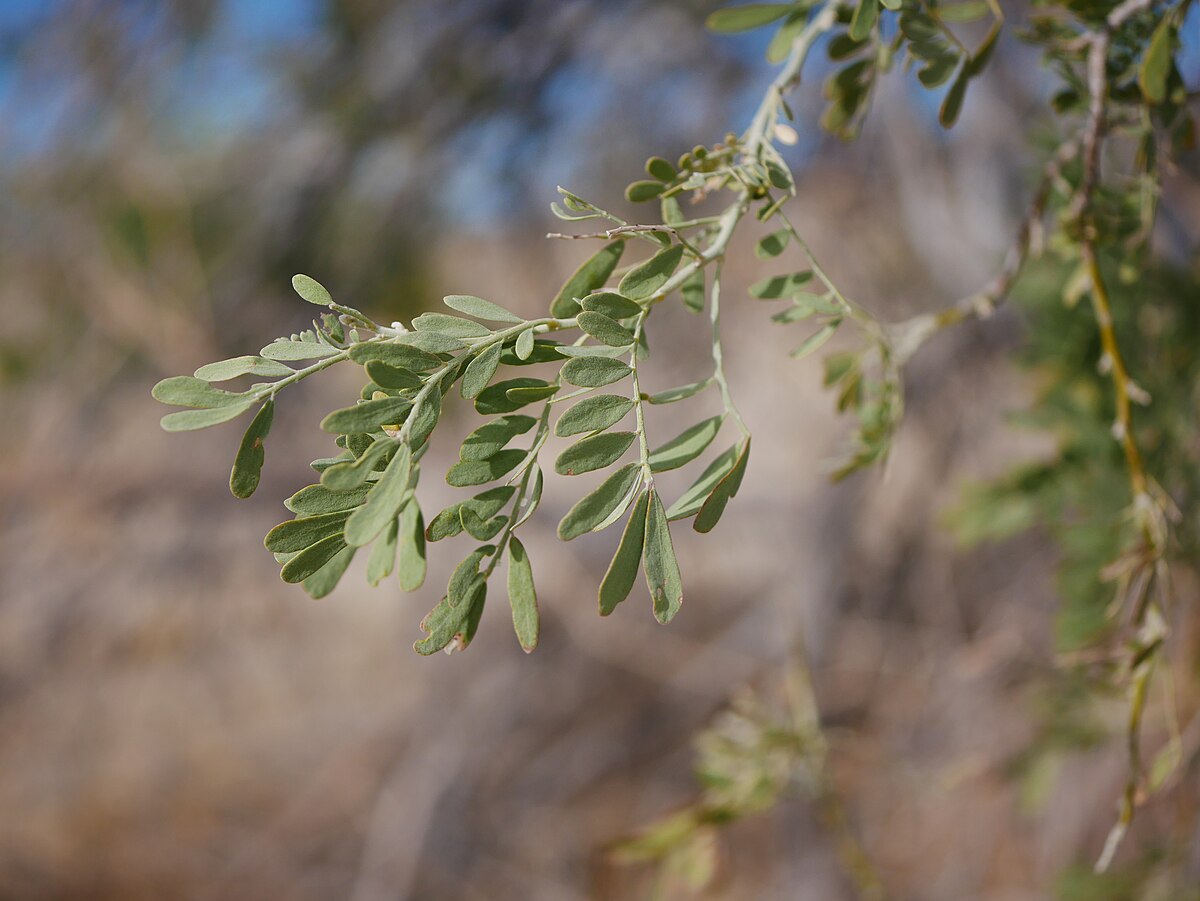
The Desert Ironwood Tree (Olneya tesota) is a legume from the Sonoran Desert that can live 1,500 years in extreme conditions through slow growth and dense, heavy wood—the hardest in North America. As the sole species in its genus, this keystone species demonstrates resilience by supporting entire ecosystems while enduring harsh desert climates.
The Desert Ironwood Tree (Olneya tesota) is one of nature's most extraordinary survival stories. This ancient, natural giant thrives in some of the harshest desert conditions on Earth, living for well over 1,500 years. Welcome to a deep dive into a tree that teaches us what it truly means to grow, endure, and sustain life against all odds.
Found across the Sonoran Desert — spanning Arizona, Baja California, and Sonora, Mexico — this eco-friendly keystone species supports an entire ecosystem beneath its canopy. Our team at Grow Billion Trees finds its story profoundly inspiring. It is living proof that nature, when given the chance, can thrive in even the most unforgiving environments.
What Is the Desert Ironwood Tree? ⭐
The Desert Ironwood Tree belongs to the legume family (Fabaceae) and is the sole species in the genus Olneya. This makes it evolutionarily unique — a one-of-a-kind species with no close relatives. It produces dense, heavy wood that is one of the hardest in North America, sinking in water like iron.
According to 2026 conservation research, the Desert Ironwood Tree can reach heights of 10 metres and live between 800 and 1,500 years. It is a slow grower, adding only a few centimetres annually. However, this steady patience is precisely what builds its legendary strength and longevity.
For example, a Desert Ironwood standing in the Sonoran Desert today may have germinated long before many of the world's great civilisations rose. This connection to deep time makes it a natural monument — one that every conscious steward of the earth should know and protect.
✅ The Ecological Role of the Desert Ironwood Tree
In desert ecology, the Desert Ironwood Tree is what scientists call a "nurse plant." It creates a vital microhabitat — a cool, shaded zone that shields young seedlings from extreme heat and moisture loss. More than 500 plant and animal species depend on it for shelter, food, or nesting. As a result, its survival directly determines the survival of an entire desert community.
According to the World Wildlife Fund on deforestation and forest degradation, losing keystone species triggers cascading collapses across ecosystems. When one anchor species disappears, dozens more face extinction. The Desert Ironwood is precisely this kind of irreplaceable anchor for the Sonoran Desert's biodiversity.
The tree also fixes nitrogen into the soil through its root system — a natural, organic process that enriches the surrounding earth. This is proven to boost conditions for other plants to grow and thrive. In an environment where nutrients are scarce, this contribution is genuinely transformative for the entire landscape.
💡 The Science Behind Its Remarkable Resilience
What makes the Desert Ironwood Tree so incredibly resilient? The answer lies in several fascinating biological adaptations working together. Its deep taproot system can reach underground water far below the scorched desert surface. This allows it to sustain itself through extreme droughts that kill less adapted plants outright.
The tree is also strategically deciduous during severe drought — shedding its leaves to conserve water, then regrowing them when conditions improve. Moreover, its extraordinarily dense wood resists fire damage far better than most other desert tree species. This wood density is so extreme that freshly cut pieces will sink immediately in water.
Each spring, the Desert Ironwood produces beautiful purple flowers followed by nutritious seed pods. These seeds were historically eaten by indigenous peoples of the Sonoran Desert, ground into a paste rich in protein. In addition, the seeds provide critical food for desert mammals, birds, and insects — making the tree a year-round provider for its ecosystem.
Cultural and Historical Significance ⭐
The Tohono O'odham, Seri, and other indigenous communities of the Sonoran Desert have shared a deep, mindful relationship with the Desert Ironwood Tree for thousands of years. They used its extremely hard wood for tools, its seeds as a food source, and its bark in traditional medicine. This rich cultural history makes it a tree of both ecological and human heritage.
The Seri people of Sonora, Mexico, are particularly known for their intricate ironwood carvings — a certified art form recognised globally for its skill and authenticity. These verified sculptures are not merely decorative; they are a living cultural record of a people's bond with the natural world. We find this tradition both wonderful and deeply humbling.
However, rising global demand for ironwood carvings led to unsustainable harvesting in past decades. Conservationists worked alongside indigenous communities to shift towards using only naturally fallen trees. This collaborative, conscious approach is a model for how cultural preservation and environmental protection can move forward together.
⚠️ Conservation Status and Threats in 2026
The Desert Ironwood Tree faces growing threats in 2026 from urban expansion, off-road vehicle damage, and climate-driven temperature extremes. Though not currently classified as endangered, ecologists warn that its slow growth rate makes population recovery extraordinarily difficult once large mature trees are lost. The United Nations Environment Programme's forests initiative highlights the urgent need to protect ancient trees across all biomes — including desert ecosystems.
Invasive grasses that grow beneath the Desert Ironwood's canopy create dangerous fire conditions. These fires occur in a habitat where the tree has not evolved to survive repeated burns. As a result, fire frequency in historically fire-rare desert environments is increasing — a deeply concerning shift for this ancient species.
Climate change is making Sonoran Desert summers hotter and drier each year. According to the United Nations Climate Change Action platform, rising global temperatures threaten biodiversity-rich ecosystems worldwide. The Desert Ironwood, while resilient, is not immune to these accelerating shifts. Protecting it means addressing climate change at its root — and that starts with trees.
✅ Lessons from the Desert: Why Planting Trees Matters
The Desert Ironwood Tree teaches us a powerful truth: resilience is built slowly, through consistent growth and deep roots. At Grow Billion Trees, our mission to plant 100 crore trees across India draws direct inspiration from trees like the Desert Ironwood. Every sapling planted today becomes tomorrow's ecosystem anchor — and that is a wonderful thing to be part of.
Our experience shows that planting the right tree in the right place can transform landscapes and improve entire communities. We provide a guaranteed 2-3ft Tree Planting + 3 Years Care + GeoTag service, ensuring every tree we plant is verified, nurtured, and fully trackable. You can watch your tree grow — a great feeling that connects you to nature in a real, lasting way.
When you Plant a tree in your Name with us for just ₹299, you join a conscious movement for Combating Climate Change Through Collective Action. Your contribution also supports our partners in achieving Net Zero Targets across corporate and community programs. Together, every tree is a green act of love for the planet.
According to the United Nations Sustainable Development Goals, protecting and restoring forests is essential to achieving a sustainable future for all. Tree planting is not symbolic — it is a proven, data-backed strategy to reduce carbon, restore water cycles, and boost biodiversity. Our team ensures every sapling we plant contributes to this global mission, with measurable, verified results.
How You Can Help Protect Trees and Desert Ecosystems
You do not need to live near the Sonoran Desert to make a real impact for the planet's trees and forests. Here are easy, actionable steps you can take right now:
- ✅ Plant a tree today — starting at just ₹299 with Grow Billion Trees, fully tracked via GeoTag technology
- ✅ Support conservation organisations working to protect keystone species like the Desert Ironwood Tree
- ✅ Reduce your carbon footprint to slow climate change pressures on ancient, irreplaceable tree species
- ✅ Choose sustainable products made from responsibly sourced or reclaimed wood materials
- ✅ Educate others about the ecological importance of trees across all environments — desert, forest, and urban
Every action matters. Together, we can create a future where both ancient desert giants and newly planted saplings thrive across our shared, precious earth.
💡 Lesser-Known Facts About the Desert Ironwood Tree
Here are some wonderful, expert-level insights that even dedicated nature lovers may not know about this remarkable species:
- • The Desert Ironwood's wood is so dense it sinks in water — hence the "iron" in its name
- • It is the only species in its genus, Olneya, making it evolutionarily one of a kind
- • Its canopy can reduce ground temperature by up to 10°C, creating a life-saving microclimate for seedlings
- • Elf owls, Gila woodpeckers, and cactus wrens all nest within its branches — it is a high-rise apartment for desert wildlife
- • A single mature Desert Ironwood can simultaneously support over 150 plant and animal species
- • The tree is so slow-growing that a 10-centimetre-wide trunk may represent 50 or more years of growth
Further reading: Ironwood Tree: Strength in Simplicity · Black Ironwood Tree: Ultimate Guide to Strength & Conservation
Frequently Asked Questions
What is the Desert Ironwood Tree?
The Desert Ironwood Tree (Olneya tesota) is a natural, slow-growing legume tree native to the Sonoran Desert in Arizona, Baja California, and Sonora, Mexico. It is known for its extraordinarily dense wood, a lifespan of up to 1,500 years, and its keystone ecological role in desert ecosystems. It is the sole species in its genus, making it biologically unique.
Why is the Desert Ironwood Tree important to the ecosystem?
It functions as a keystone "nurse plant," sheltering over 500 species of plants and animals beneath its canopy. It fixes nitrogen into the soil organically, provides food through its seeds and flowers, and creates microhabitats that make survival possible for countless desert species. Losing it would trigger cascading ecological collapse across the Sonoran Desert.
How long does the Desert Ironwood Tree live?
The Desert Ironwood Tree can live between 800 and 1,500 years under the right conditions. Its slow, steady growth builds extreme density in its wood over centuries. Mature specimens are therefore considered irreplaceable natural monuments by both conservationists and indigenous communities who have depended on them for generations.
Is the Desert Ironwood Tree endangered?
The Desert Ironwood Tree is not currently classified as endangered. However, it faces serious and growing threats from urban development, invasive species-driven fire risk, and accelerating climate change. Its extremely slow growth rate means that lost populations take centuries to recover. Conservation efforts and habitat protection are therefore critical to its long-term survival.
What are the cultural uses of the Desert Ironwood Tree?
Indigenous communities including the Tohono O'odham and Seri people have used the Desert Ironwood for tools, food, and medicine for thousands of years. The Seri are especially known for their certified, authentic ironwood carvings, recognised as a global art form. The seeds were historically eaten as a nutritious food source, ground into protein-rich flour during lean seasons.
How does climate change affect the Desert Ironwood Tree?
Rising temperatures and prolonged droughts driven by climate change place additional stress on the Desert Ironwood, even with its natural desert adaptations. Invasive grasses introduced by human activity increase fire risk in a habitat where the tree has not evolved to survive repeated burns. Combating climate change is therefore essential to protecting this ancient, irreplaceable species.
Can the Desert Ironwood Tree be planted in gardens or urban areas?
Yes — in appropriate climate zones like the American Southwest, the Desert Ironwood Tree is used in eco-friendly, drought-tolerant landscaping projects. It requires minimal water once established, making it an easy, sustainable choice for green urban planting. However, it thrives best in its native desert conditions where it can grow to its full natural potential over centuries.
What does "nurse plant" mean in relation to the Desert Ironwood?
A nurse plant creates protective conditions for other plants to germinate and grow. The Desert Ironwood provides shade that reduces soil temperature and moisture loss, enabling seedlings — including young saguaro cacti — to survive the brutal desert heat. Without nurse plants like the Desert Ironwood, many iconic desert species could never successfully establish themselves.
How can I help protect trees like the Desert Ironwood?
You can support global tree conservation by planting trees through organisations like Grow Billion Trees. For just ₹299, you can Plant a tree in your Name with full 2-3ft Tree Planting + 3 Years Care + GeoTag tracking included. Supporting sustainable development goals and reducing your carbon footprint also directly helps protect threatened and ancient tree species worldwide.
What is the connection between the Desert Ironwood Tree and Grow Billion Trees?
The Desert Ironwood Tree embodies the values we hold at Grow Billion Trees — resilience, ecological purpose, and long-term mindful thinking. Our mission to plant 100 crore trees in India is inspired by nature's greatest survivors. Every tree we plant is a step toward Combating Climate Change Through Collective Action and building a greener, healthier planet for all of us together.
Growing Resilience, One Tree at a Time
The Desert Ironwood Tree is more than a species — it is a teacher. It shows us that slow, deep growth creates the most lasting impact. It shows us that true resilience is not about avoiding hardship, but about adapting, enduring, and continuing to nurture life all around you. We love this message, and it guides everything we do at Grow Billion Trees.
In 2026, the urgency to protect, restore, and grow our planet's tree cover has never been greater. Every conscious act for the earth — from protecting ancient desert ironwoods to planting new saplings in Indian cities — is part of the same beautiful mission.
Join us. Plant a tree in your Name today and become part of a movement that is transforming the future of our planet. Discover how you can make a real difference and explore all our programs at Grow Billion Trees — and help us reach our goal of 100 crore trees by 2030.
Keep reading
 Ironwood Tree: Strength in Simplicity
 Black Ironwood Tree: Ultimate Guide to Strength & Conservation
 Ceylon Ironwood Tree: Unveiling the Mysteries and Benefits of Nature's Resilient Wonder
 Desert Date Tree: Nature's Superfood with Incredible Health Benefits
 Desert Teak Rohida: Rajasthan's Golden Tree of Survival


Leave a comment