
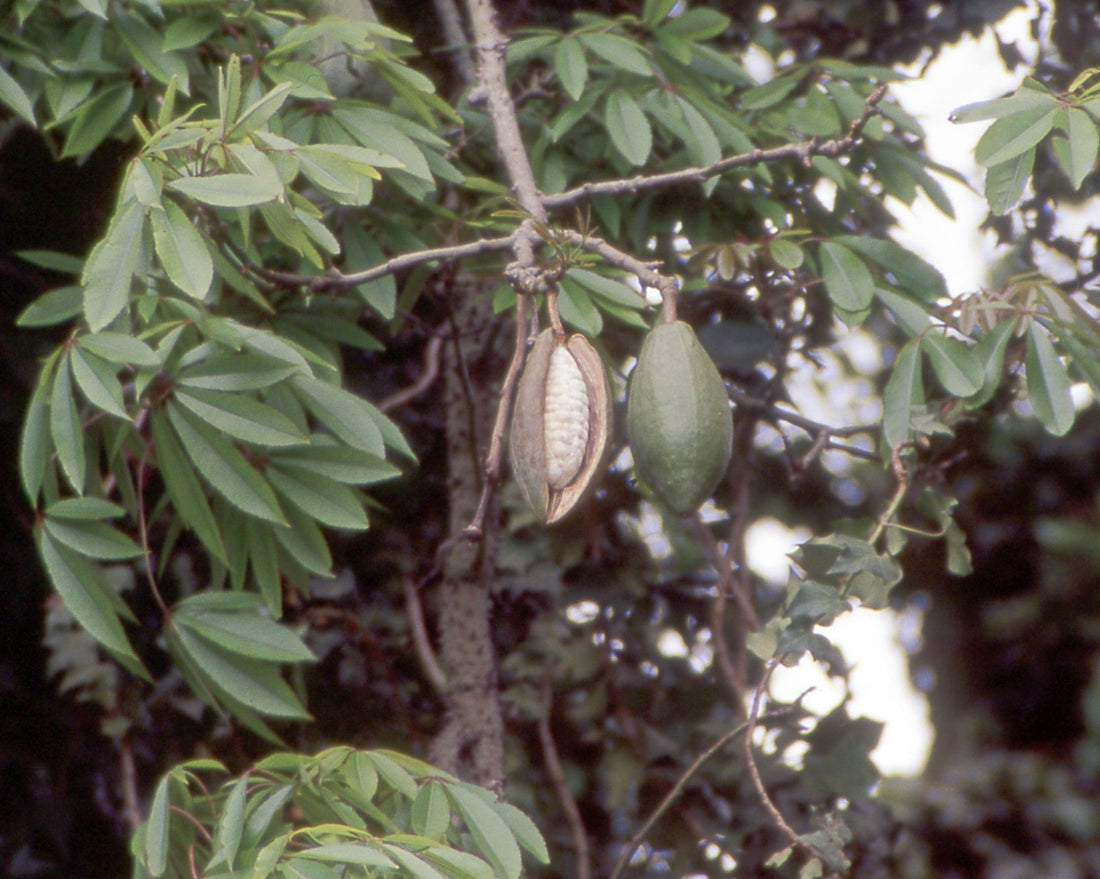
The Kapok tree (Ceiba pentandra) is a rainforest species reaching up to 200 feet tall with a trunk up to 10 feet in diameter. Its large canopy provides habitat for wildlife and hosts epiphytes like orchids. The tree produces fluffy seed pods with cot Read more
Trending Tree Plantations - Most Popular Environmental Programs
-
Trees for Birthday Celebration: Plant Meaningful Green Gifts
Regular price ₹ 299Regular priceUnit price per -
Trees for Mother
Regular price ₹ 299Regular priceUnit price per -
Trees as a Gift: Plant Hope & Create Lasting Environmental Impact
Regular price ₹ 299Regular priceUnit price per -
Trees to Honor the Memory of your Loved Ones
Regular price ₹ 299Regular priceUnit price per -
Trees for Women's Day (8th Mar)
Regular price ₹ 299Regular priceUnit price per
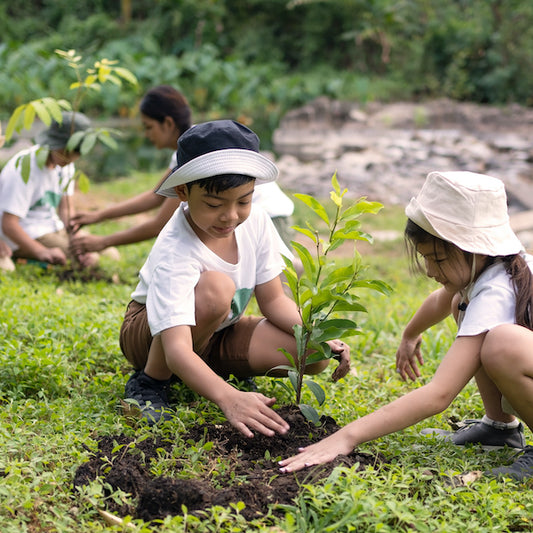

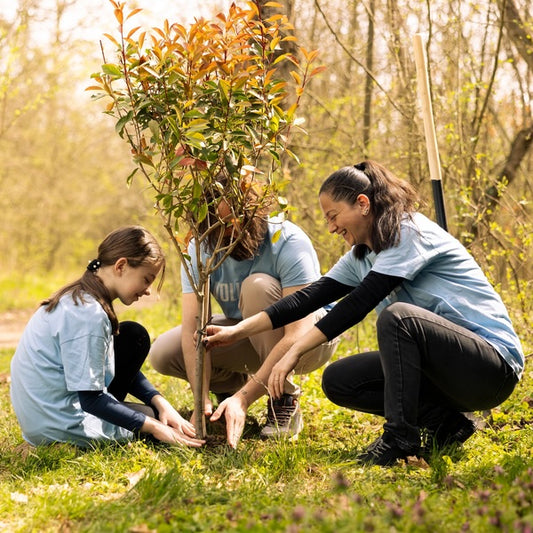


Trees for Corporates - Achieve Net Zero Targets Through Strategic Tree Planting
-
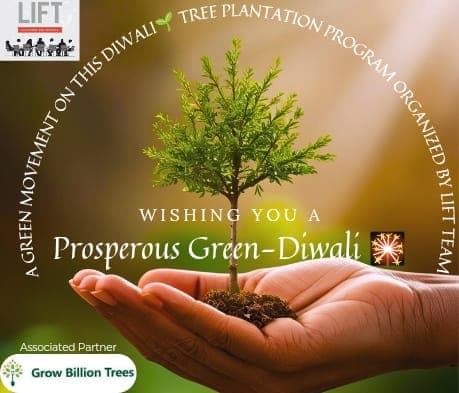 Project Closed
Trees by LIFT Team for Green Diwali: Transform Your Festival
Regular price ₹ 299Regular priceUnit price per -
Trees for a Greener Tomorrow - by Mahindra Lifespaces
Regular price ₹ 299Regular priceUnit price per -
Trees for Environment Day: Plant Your Impact on June 5th
Regular price ₹ 299Regular priceUnit price per -
Trees for Farmers: Sustainable Agroforestry Solutions for 2026
Regular price ₹ 299Regular priceUnit price per -
Trees for Employees: Transform Your Corporate Culture in 2026
Regular price ₹ 299Regular priceUnit price per


Kapok Tree: The Majestic Giant of the Rainforest – Discover Its Secret
The Kapok tree (Ceiba pentandra) is a rainforest species reaching up to 200 feet tall with a trunk up to 10 feet in diameter. Its large canopy provides habitat for wildlife and hosts epiphytes like orchids. The tree produces fluffy seed pods with cotton-like fibers and regulates forest microclimate by maintaining humidity and temperature levels.
The Kapok tree, known scientifically as Ceiba pentandra, is one of the most majestic giants of the rainforest. Towering up to 200 feet tall, with a trunk that can measure up to 10 feet in diameter, the Kapok tree is not just an impressive sight; it is a vital component of its ecosystem.
This blog delves into the secrets and benefits of the Kapok tree, exploring its ecological significance, historical uses, and the ongoing efforts to preserve and promote its growth through initiatives like Grow Billion Trees Partners.
Ecological Importance of the Kapok Tree
The Kapok tree plays a crucial role in the rainforest ecosystem. Its large canopy provides shade and habitat for a variety of species, including birds, mammals, and insects. The tree is known for its broad, umbrella-like crown that can cover an area of up to 1,000 square meters.
This canopy not only shelters wildlife but also helps regulate the microclimate of the forest floor, maintaining humidity and temperature levels that are conducive to the growth of understory plants.
One of the most fascinating aspects of the Kapok tree is its relationship with other species. The tree is a host to various epiphytes, including orchids and bromeliads, which thrive in the moist environment created by its canopy.
Additionally, the Kapok tree produces large, fluffy seed pods filled with cotton-like fibers. These fibers are lightweight and buoyant, allowing seeds to disperse over great distances, contributing to the regeneration of the forest.
Historical Significance
The Kapok tree has been revered by various cultures throughout history. Indigenous peoples of the Amazon have long regarded the Kapok as sacred.
They utilize its wood for constructing canoes and homes, while the fibers from its seed pods are used to stuff pillows and mattresses, offering a natural, hypoallergenic alternative to synthetic materials.
Historically, the Kapok tree has also been used in traditional medicine. Various parts of the tree, including its bark and leaves, have been employed in herbal remedies to treat ailments such as fever, inflammation, and digestive issues.
The tree's medicinal properties have been recognized in various cultures, making it a significant part of traditional healing practices.
Fun Facts about the Kapok Tree
- The Kapok tree can live for over 200 years, making it a long-standing member of the rainforest community.
- Its flowers are large and showy, attracting a variety of pollinators, including bats and bees.
- The Kapok tree is known as the "silk cotton tree" due to the silky fibers found in its seed pods.
- In some cultures, the Kapok tree is considered a symbol of strength and resilience, often featured in folklore and mythology.
Environmental Impact
The Kapok tree is a keystone species, meaning its presence has a disproportionately large effect on its environment. By providing habitat and food sources for numerous species, the Kapok tree supports biodiversity within the rainforest.
The tree's ability to sequester carbon also plays a crucial role in combating climate change. A mature Kapok tree can absorb up to 22 kg of CO2 per year, contributing to global carbon reduction efforts.
Moreover, the Kapok tree's extensive root system helps to stabilize the soil, preventing erosion and maintaining the integrity of the rainforest ecosystem. This is particularly important in areas prone to deforestation and land degradation. The tree's presence can help mitigate the impacts of heavy rainfall and flooding, protecting both the forest and the surrounding communities.
Frequently Asked Questions
What is the Kapok tree?
The Kapok tree, or Ceiba pentandra, is a towering giant of the rainforest, reaching heights of up to 70 meters. With its spiny trunk and broad canopy, it provides vital habitat for countless species and is a symbol of tropical biodiversity. A true superstar in the world of trees!
Why is the Kapok tree important ecologically?
The Kapok tree isn’t just a pretty face; it plays a crucial role in its ecosystem. It provides habitat for diverse wildlife, sequesters carbon to combat climate change, and enriches soil health with its nutrient-rich leaf litter. Talk about an overachiever in the rainforest!
What are the economic benefits of the Kapok tree?
The Kapok tree is not only an ecological marvel but also an economic powerhouse. Its fluffy fibers are used for textiles, insulation, and crafts, making it a sustainable resource. Plus, its medicinal properties have been valued in traditional medicine, proving that it’s good for both body and wallet!
What are some fun facts about the Kapok tree?
The Kapok tree, also known as the "silk cotton tree," has a reputation for being sacred in some cultures. These giants can live for hundreds of years and are essential for reaching sunlight in dense forests. Who knew a tree could be so fascinating and full of surprises?
How does the Kapok tree contribute to soil health?
The Kapok tree is like a gardener in the rainforest, enriching soil health through its leaf litter. As leaves decompose, they release nutrients back into the ground, promoting the growth of other plant species. It’s a natural fertilizer that keeps the rainforest thriving!
What threats does the Kapok tree face?
Unfortunately, the Kapok tree faces serious threats from deforestation, habitat loss, and climate change. As rainforests are cleared for agriculture and development, these majestic giants are at risk. It’s a race against time to protect them and the biodiversity they support!
How can I support Kapok tree conservation?
Ready to be a rainforest hero? You can support Kapok tree conservation by donating to organizations like Grow Billion Trees Partners, participating in tree-planting events, and spreading the word about the importance of these magnificent giants. Every little bit helps in the fight for our planet!
What is the role of Grow Billion Trees Partners?
Grow Billion Trees Partners is on a mission to restore degraded land by planting Kapok trees and other natives. They engage local communities in sustainable practices and promote biodiversity. They’re like the superheroes of reforestation, fighting for a greener future!
What are the traditional uses of Kapok fibers?
Kapok fibers have been used for centuries in traditional crafts, textiles, and even fishing nets. Their lightweight and hypoallergenic properties make them a favorite for pillows and mattresses. Talk about versatility—who knew a tree could be so resourceful?
How does the Kapok tree attract pollinators?
The Kapok tree’s large, fragrant flowers are like a dinner bell for pollinators! With their vibrant colors and sweet scents, they attract bees, bats, and other creatures eager to feast. It’s a win-win for the tree and its buzzing friends!
Why should we care about the Kapok tree?
The Kapok tree is a vital part of the rainforest ecosystem, supporting countless species and contributing to our planet's health. By caring for and protecting these majestic giants, we ensure a thriving environment for future generations. It’s not just a tree; it’s a legacy!
You may also like
-
Gift a Tree - Meaningful Environmental Gifts That Make a Difference
Transform your gift-giving with meaningful environmental gifts that create lasting impact for...
-
Trees For Shiv Ji - Sacred Tree Planting to Honor Lord Shiva
Honor Lord Shiva through sacred tree planting with Trees For Shiv Ji,...
-

Tree Plantations for Shri Ram - Sacred Devotional Planting Services
Honor Lord Shri Ram through meaningful tree plantations for Shri Ram that...
-
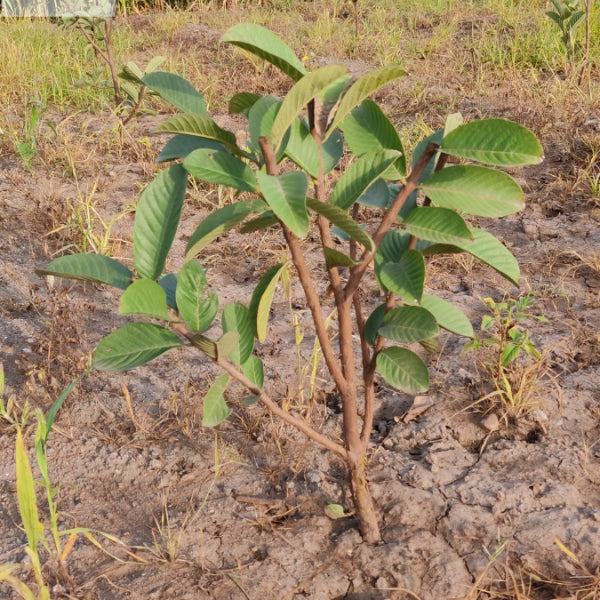
Tree Plantation on Navratri - Celebrate Divine Festivals with Environmental Devotion
Tree plantation on Navratri transforms the sacred nine-day festival into a powerful...
-
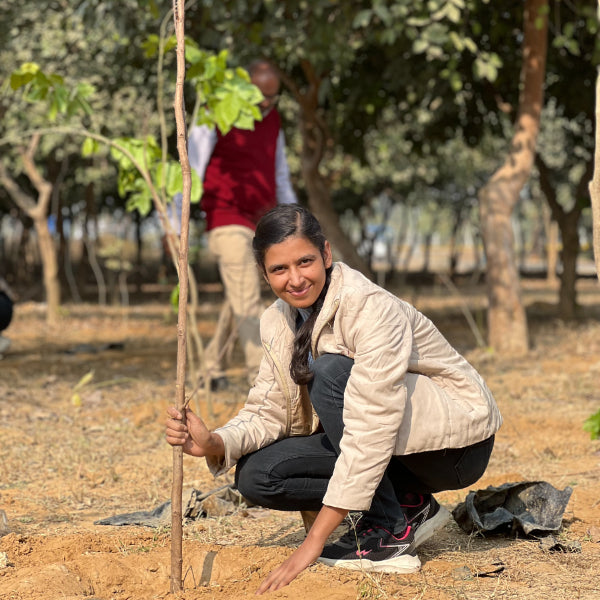
Tree Plantation by Cause - Plant Trees for Every Purpose | Grow Billion Trees
Transform your environmental impact with purpose-driven tree plantation by cause programs that...
Corporate Plantations
-
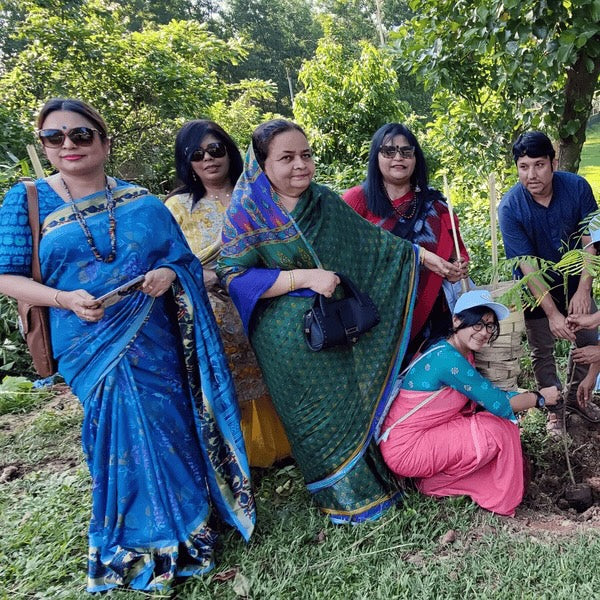
Trees for Corporates - Achieve Net Zero Targets Through Strategic Tree Planting
Trees for Corporates - Strategic Environmental SolutionsTransform your corporate environmental impact with...
-
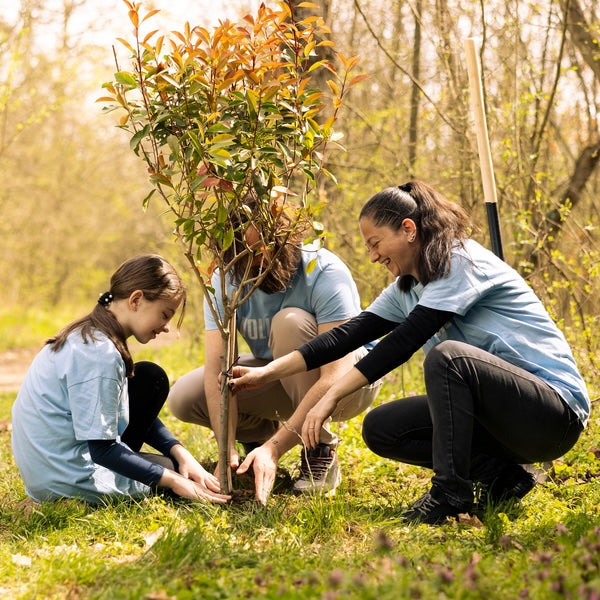
Tree Plantation for CSR - Corporate Environmental Programs | Grow Billion Trees
Tree Plantation for CSR - Transform Your Corporate Environmental ImpactTree plantation for...
-
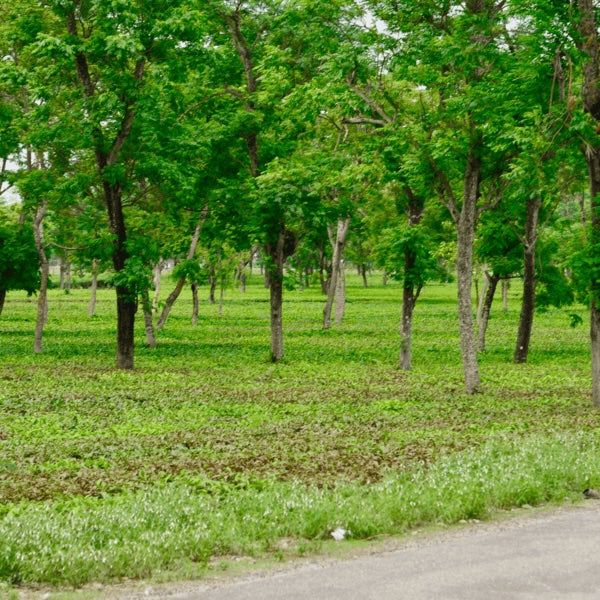
Tree Plantation for SDG - Support Sustainable Development Goals
Tree plantation for SDG initiatives represents a powerful pathway to achieving multiple...
-
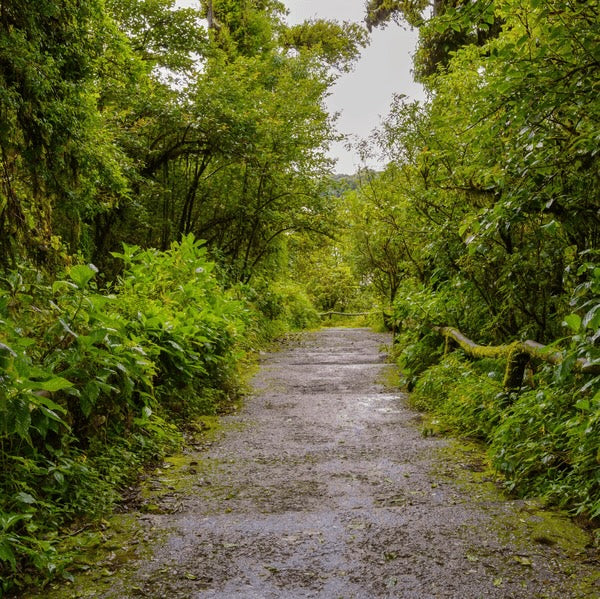
Corporate Tree Plantation Programs - Sustainable ESG Environmental Solutions for Net Zero Targets
Transform your organization's environmental impact with our comprehensive Corporate Tree Plantation Programs...
-
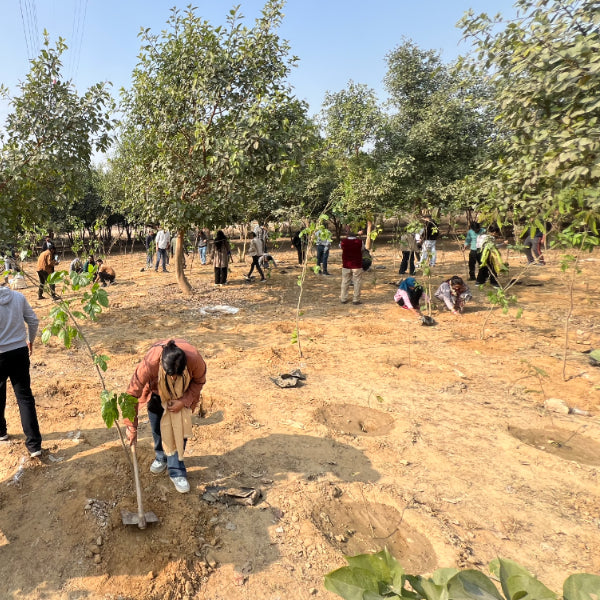
Tree Plantation by Location - Plant Trees Across India
Transform landscapes nationwide through our comprehensive tree plantation by location program. When...
Most Popular Tree Plantations - Top Choices for Environmental Impact
-
Trees for Birthday Celebration: Plant Meaningful Green Gifts
Regular price ₹ 299Regular priceUnit price per -
Trees for Mother
Regular price ₹ 299Regular priceUnit price per -
Trees as a Gift: Plant Hope & Create Lasting Environmental Impact
Regular price ₹ 299Regular priceUnit price per -
Trees to Honor the Memory of your Loved Ones
Regular price ₹ 299Regular priceUnit price per -
Trees for Krishna on Janmashtami - Sacred Divine Gift ₹299
Regular price ₹ 299Regular priceUnit price per

Connect with us
-
👥 Corporates
If you are looking for:
- 🌲 Tree Plantation Events
- 📊 CSR Projects
📧 corporate@growbilliontrees.com
📞 +91 9699723523
💬 +91 9325931304 WhatsApp (Only)
🕒 Mon - Sat | 10am - 7pm IST
-
🧩 Tree Plantation NGOs
If you are looking for:
- 💰 Financial Assistance
- 🤝 Operational Support
📧 support@growbilliontrees.com
📞 +91 9699723523
💬 +91 9325931304 WhatsApp (Only)
🕒 Mon - Sat | 10am - 7pm IST
-
🌼 Individuals
If you are looking for:
- 👥 Group Tree Plantation Drive
- 🌳 Bulk Tree Plantation
📞 +91 9699723523
💬 +91 9325931304 WhatsApp (Only)
🕒 Mon - Sat | 10am - 7pm IST
