
Native Olive Tree: Sustainable Growth & Culinary Delights Guide
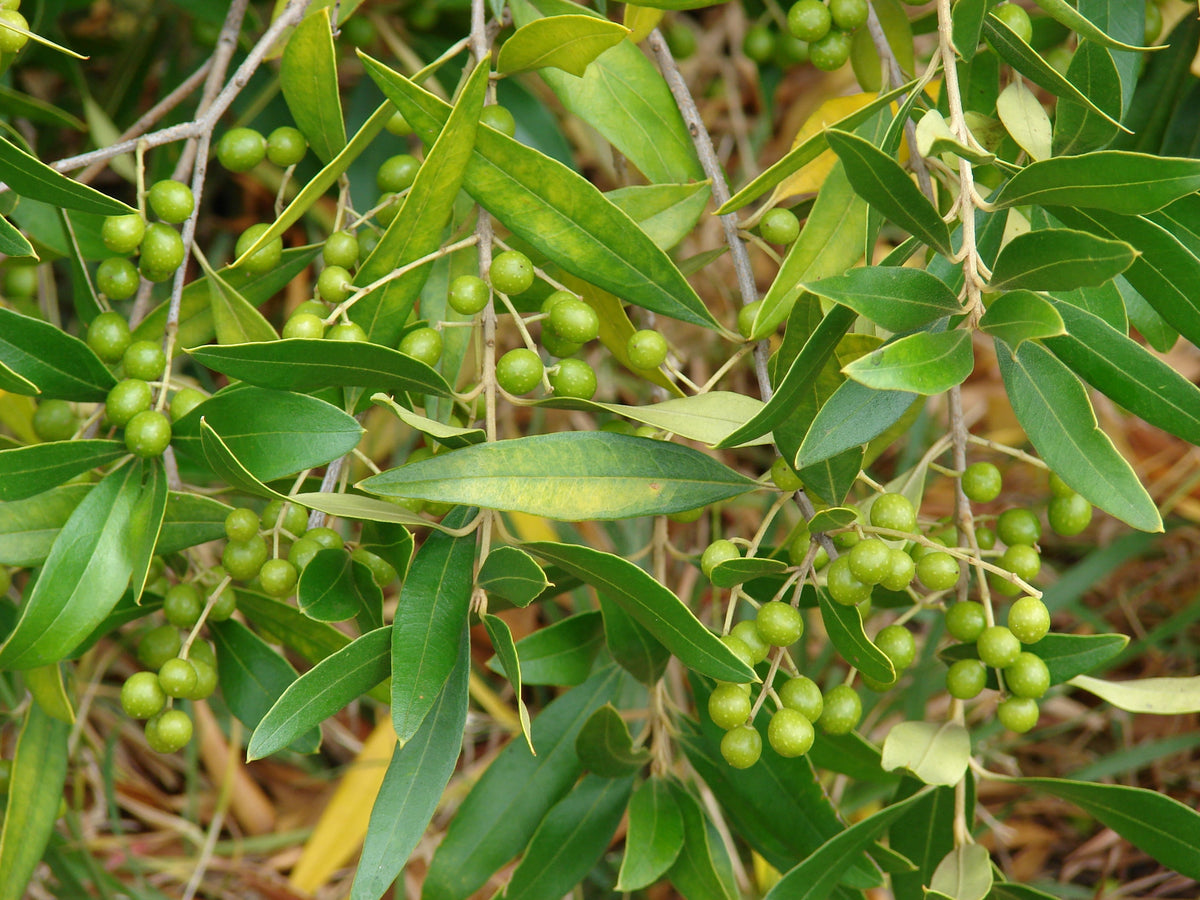
The native olive tree (Olea europaea) is a Mediterranean species with over 6,000 years of cultivation history, providing both sustainable farming solutions and culinary benefits through olive oil. It supports local ecosystems while enabling environmental stewardship, with established applications in cooking, skincare, and traditional practices across ancient and modern civilizations.
The native olive tree (Olea europaea) stands as one of humanity's most treasured agricultural companions, offering both environmental benefits and exceptional culinary value. This ancient Mediterranean species has sustained civilizations for over 6,000 years while providing sustainable solutions for modern farming challenges. Through proper cultivation techniques and environmental stewardship, native olive trees can thrive while supporting both local ecosystems and global sustainability goals.
✅ Historical Significance of the Native Olive Tree
The native olive tree has a rich history that dates back over 6,000 years. Its origins can be traced to the Mediterranean basin, where it has been cultivated since ancient times. The olive tree was revered by ancient civilizations, including the Greeks, Romans, and Egyptians, who associated it with peace, wisdom, and prosperity.
The olive branch became a symbol of peace and victory, often depicted in art and literature. In ancient Greece, olive oil was considered a sacred gift from the goddess Athena. It was used for various purposes, including cooking, skincare, and as fuel for lamps. The Romans further expanded olive cultivation, spreading it throughout their empire, which significantly influenced culinary practices in Europe and beyond.
⭐ Culinary Delights and Health Benefits
Olive oil, derived from the fruit of the native olive tree, is a staple in Mediterranean cuisine and has gained popularity worldwide due to its numerous health benefits. Rich in monounsaturated fats, antioxidants, and anti-inflammatory compounds, olive oil is known to promote heart health, support weight management, and reduce the risk of chronic diseases.
There are various types of olive oil, including extra virgin, virgin, and refined, each with distinct flavors and uses. Extra virgin olive oil is the highest quality, obtained from the first pressing of olives without the use of chemicals or excessive heat. Its rich flavor and aroma make it ideal for dressings, dips, and drizzling over dishes.
Fun fact: Spain produces nearly 30% of global olive oil production, making it the world's largest producer. Other significant producers include Italy, Greece, and Turkey, each contributing unique varieties and flavors to the market.
🌱 Sustainable Growth Strategies for Native Olive Trees
Growing native olive trees sustainably is crucial for preserving their genetic diversity and ensuring their long-term viability. According to the United Nations Sustainable Development Goals, sustainable agriculture practices are essential for achieving food security while protecting our planet's resources.
Soil Health Management
Native olive trees thrive in well-drained, nutrient-rich soils. Regular soil testing can help determine nutrient deficiencies and guide fertilization practices. Organic fertilizers, compost, and cover crops can enhance soil health and promote biodiversity around your olive grove.
→ Water Management Techniques
While native olive trees are naturally drought-resistant, they require adequate water during the growing season. Implementing efficient irrigation systems, such as drip irrigation, can reduce water usage by up to 40% while maintaining optimal tree health. This approach aligns with water conservation efforts promoted by environmental organizations worldwide.
Integrated Pest Management
Sustainable pest and disease management practices help control harmful insects while minimizing chemical inputs. Encouraging beneficial insects and using organic pesticides can protect native olive trees from common pests like the olive fruit fly. These methods support the broader ecosystem while maintaining tree productivity.
💡 Crop Rotation and Biodiversity
Planting cover crops and integrating native olive trees with other compatible species can improve soil fertility, reduce pest pressure, and enhance biodiversity in the ecosystem. This approach creates a more resilient agricultural system that benefits both farmers and the environment.
According to research published in Agriculture, Ecosystems & Environment, sustainable olive cultivation practices can increase yields by up to 30% while reducing environmental impacts. This highlights the importance of adopting eco-friendly farming methods to ensure the longevity of native olive trees.
🌍 Environmental Impact and Conservation Benefits
The environmental impact of native olive tree cultivation can be overwhelmingly positive when sustainable practices are employed. The United Nations Environment Programme recognizes trees as crucial components in combating climate change and supporting biodiversity.
Native olive trees have deep root systems that help prevent soil erosion and promote water retention, making them ideal for arid regions. These trees can sequester significant amounts of carbon dioxide, contributing to climate change mitigation efforts. A mature olive tree can absorb approximately 50 pounds of CO2 annually.
However, conventional olive farming practices, particularly in large-scale monocultures, can lead to soil degradation, loss of biodiversity, and water scarcity. The use of chemical fertilizers and pesticides can contaminate soil and water sources, harming local ecosystems.
⚠️ Grow Billion Trees: Supporting Native Olive Conservation
At Grow Billion Trees, we understand the critical role that native olive trees play in sustainable agriculture and environmental conservation. Our mission to plant 100 crore trees includes promoting native species like olive trees that provide both economic and ecological benefits.
Through our Plant a tree in your Name program, individuals and organizations can contribute to olive tree cultivation for just ₹299, including 2-3ft Tree Planting + 3 Years Care + GeoTag tracking. This initiative supports local communities while advancing our goal of Combating Climate Change Through Collective Action.
We partner with farmers and communities to establish sustainable olive groves that help achieve Net Zero Targets while providing long-term economic opportunities. Our comprehensive approach includes education, technical support, and ongoing monitoring to ensure the success of every native olive tree planted.
🌿 Modern Cultivation Techniques
Contemporary native olive tree cultivation incorporates advanced technologies and sustainable practices to maximize both yield and environmental benefits. GPS-guided planting ensures optimal spacing and location selection, while soil sensors monitor moisture and nutrient levels in real-time.
Precision agriculture techniques allow farmers to apply water and nutrients exactly where needed, reducing waste and environmental impact. These methods align with global efforts to create more sustainable food systems, as outlined by the United Nations Climate Change initiatives.
Organic Certification and Market Benefits
Many native olive tree growers are pursuing organic certification to meet growing consumer demand for sustainable products. Organic olive oil commands premium prices in international markets, providing economic incentives for sustainable farming practices.
Climate Adaptation Strategies
As climate patterns change, native olive tree cultivation must adapt to new challenges. Selecting drought-resistant varieties, implementing water-saving technologies, and diversifying planting locations help ensure long-term viability of olive production systems.
Further reading: Ceylon Olive Tree: Unlocking the Secrets to Its Health Benefits and Culinary Delights · Sand Olive Tree: Unlocking Health Benefits & Sustainable Growth
Frequently Asked Questions
How long does it take for a native olive tree to produce fruit?
Native olive trees typically begin producing fruit 3-5 years after planting, with full production reached around 7-10 years. However, these trees can continue producing for hundreds of years with proper care.
What climate conditions do native olive trees need?
Native olive trees thrive in Mediterranean climates with mild, wet winters and hot, dry summers. They require temperatures between 15-20°C during flowering and can tolerate drought conditions once established.
How much space do native olive trees need?
Traditional olive groves space trees 6-8 meters apart, though modern high-density plantings may use 4-5 meter spacing. Proper spacing ensures adequate sunlight and air circulation for optimal growth.
Can native olive trees grow in containers?
Yes, dwarf varieties of native olive trees can grow successfully in large containers (minimum 50 gallons). Container growing allows cultivation in areas with unsuitable soil or climate conditions.
What are the main pests affecting native olive trees?
Common pests include olive fruit fly, scale insects, and olive moth. Integrated pest management using beneficial insects, organic sprays, and proper sanitation effectively controls these issues.
How much water do native olive trees need?
Mature native olive trees require approximately 2-3 inches of water per month during growing season. Drip irrigation systems can reduce water usage while maintaining tree health.
What soil type is best for native olive trees?
Native olive trees prefer well-draining, slightly alkaline soils with pH 6.5-8.5. They can tolerate poor soils but perform best in fertile, deep soils with good drainage.
When is the best time to plant native olive trees?
Plant native olive trees in early spring or fall when temperatures are moderate. This timing allows trees to establish root systems before extreme weather conditions.
How do you prune native olive trees?
Prune native olive trees during dormant season (late winter) to remove dead wood, improve air circulation, and shape the canopy. Proper pruning increases fruit production and tree longevity.
What are the health benefits of olive oil from native trees?
Olive oil from native trees contains high levels of antioxidants, vitamin E, and monounsaturated fats that support heart health, reduce inflammation, and may help prevent chronic diseases.
🎯 Taking Action for Sustainable Agriculture
The native olive tree represents a perfect example of how traditional agriculture can meet modern sustainability challenges. By choosing to plant and support native olive trees, we contribute to biodiversity conservation, climate change mitigation, and sustainable food production.
Whether you're a farmer looking to diversify crops, a business seeking to achieve environmental goals, or an individual wanting to make a positive impact, native olive trees offer a pathway to meaningful change. Join Grow Billion Trees in our mission to create a greener, more sustainable future through strategic tree planting and conservation efforts.
Ready to make a difference? Plant your native olive tree today and become part of the global movement toward sustainable agriculture and environmental restoration. Together, we can unlock the full potential of these remarkable trees while building a more sustainable world for future generations.
Keep reading
 Ceylon Olive Tree: Unlocking the Secrets to Its Health Benefits and Culinary Delights
 Sand Olive Tree: Unlocking Health Benefits & Sustainable Growth
 Indian Bay Tree: Nature's Aromatic Wonder for Health & Cuisine
 Italian Basil: Aromatic Herb, Health Booster, and Culinary Star
 Embodying National Identity: The Profound Significance of National Trees


Comments
Leave a comment