
Sweet Chestnut Tree: Hidden Benefits & Beauty of This Remarkable Species

The Sweet Chestnut tree (Castanea sativa) combines ecological value with nutritional richness, making it vital for sustainable forestry and climate mitigation. This Mediterranean-native deciduous species grows up to 30 metres tall, producing edible nuts in spiky husks while functioning as a keystone species that provides habitat and ecological benefits to forest ecosystems.
The Sweet Chestnut tree stands as one of nature's most magnificent gifts, offering extraordinary benefits that extend far beyond its stunning appearance. This remarkable species, scientifically known as Castanea sativa, combines ecological value with nutritional richness, making it a cornerstone of sustainable forestry. At Grow Billion Trees, we recognize the Sweet Chestnut tree as a vital component in our mission of Combating Climate Change Through Collective Action and helping achieve Net Zero Targets through strategic tree planting initiatives.
✅ The Magnificent Anatomy of the Sweet Chestnut Tree
The Sweet Chestnut tree is a deciduous giant native to the Mediterranean region that has gracefully spread across Europe, Asia, and North America. These majestic trees can reach impressive heights of up to 30 meters, creating broad, spreading canopies that provide exceptional shade and habitat.
One of the most distinctive features of the Sweet Chestnut is its serrated, glossy leaves that can grow up to 20 cm long. The tree produces sweet, edible nuts encased in spiky husks that fall to the ground in autumn, creating a natural feast for wildlife. This remarkable adaptation makes the Sweet Chestnut tree a keystone species in forest ecosystems.
The bark of mature Sweet Chestnut trees develops deep spiral grooves, creating a distinctive twisted appearance that makes identification easy. This unique bark pattern not only adds to the tree's aesthetic appeal but also provides numerous crevices for insects and small creatures to shelter.
⭐ Nutritional Powerhouse: Sweet Chestnuts as Superfood
The nuts of the Sweet Chestnut tree are nutritional treasures that have sustained communities for millennia. These delicious nuts are low in fat and high in carbohydrates, making them an excellent energy source for both humans and wildlife.
Sweet chestnuts are rich in essential vitamins and minerals, including vitamin C, vitamin B6, potassium, and magnesium. They contain more vitamin C than many citrus fruits and provide significant amounts of folate, crucial for cellular function. Most importantly, they are naturally gluten-free, making them an excellent alternative for those with gluten intolerance.
The versatility of sweet chestnuts in culinary applications is remarkable. They can be roasted, boiled, or ground into flour for baking. Traditional European cuisines feature chestnuts in everything from soups and stuffings to desserts and confections, demonstrating their cultural and nutritional significance.
💡 Historical Significance: The Bread Tree of Ancient Civilizations
Sweet Chestnut trees have a rich history spanning thousands of years. Ancient Greeks and Romans cultivated these trees extensively for their edible nuts, often referring to them as "the bread tree" due to their significant role in early civilizations' diets.
The wood of the Sweet Chestnut has been highly valued throughout history. It is naturally durable, resistant to rot, and has been used for centuries in construction, furniture making, and barrel-making. Historical records indicate that chestnut wood was essential in constructing ships and buildings throughout the Mediterranean region.
Archaeological evidence suggests that Sweet Chestnut cultivation helped support population growth in medieval Europe. Entire communities depended on chestnut harvests during harsh winters, making these trees literal lifesavers during times of scarcity.
🌱 Ecological Impact and Environmental Benefits
The Sweet Chestnut tree plays a vital role in maintaining biodiversity within its ecosystem. These trees provide habitat and food for various wildlife species, including birds, squirrels, and countless insects that form the foundation of forest food webs.
The flowers of the Sweet Chestnut are rich in nectar, attracting essential pollinators such as bees and butterflies. This pollinator support is crucial for maintaining healthy ecosystems, as highlighted by the United Nations Environment Programme's forest conservation initiatives.
Furthermore, fallen leaves and nuts contribute significantly to soil fertility, helping create healthy forest floors that support diverse plant communities. The decomposing organic matter enriches soil with essential nutrients, creating a sustainable cycle of growth and renewal.
In terms of carbon sequestration, the Sweet Chestnut tree serves as an effective carbon sink. Studies have shown that mature trees can absorb significant amounts of CO2, directly contributing to climate change mitigation efforts. Research published in "Forest Ecology and Management" demonstrates that a mature Sweet Chestnut tree can sequester approximately 22.4 kg of CO2 per year.
→ Sweet Chestnut Trees in Sustainable Agroforestry
Agroforestry represents a sustainable land-use management system that integrates trees and shrubs into agricultural landscapes. Sweet Chestnut trees are increasingly being incorporated into agroforestry systems due to their multiple environmental and economic benefits.
These remarkable trees provide essential shade for crops, improve soil quality through nutrient-rich leaf litter, and enhance overall biodiversity. Additionally, the nuts can be harvested for food production, creating valuable additional income streams for farmers while supporting sustainable agriculture practices.
Research conducted by the European Agroforestry Federation highlights that agroforestry systems incorporating Sweet Chestnut trees can increase overall farm productivity by up to 30%. This increase benefits farmers economically while contributing to sustainable land management practices that align with United Nations Sustainable Development Goals.
⭐ Fascinating Facts About Sweet Chestnut Trees
- Sweet Chestnut trees can live for over 1,000 years, making them among the longest-living tree species on Earth
- In Italy, the chestnut is celebrated during the "Festa del Marrone," a vibrant festival dedicated to the chestnut harvest
- The wood of Sweet Chestnut trees is prized for high-quality furniture and flooring due to its attractive grain and exceptional durability
- Sweet Chestnuts feature prominently in traditional European dishes, from chestnut stuffing for turkey to elegant chestnut puree desserts
- A single mature tree can produce up to 100 kg of nuts annually during peak production years
- The largest known Sweet Chestnut tree, located in Sicily, has a circumference of over 57 meters
🌍 Grow Billion Trees: Your Partner in Sweet Chestnut Conservation
Organizations like Grow Billion Trees play a crucial role in promoting the cultivation and preservation of Sweet Chestnut trees and other native species. Our initiative aims to plant 100 crore trees across India by 2030, with Sweet Chestnut trees forming an important part of our reforestation strategy in suitable climatic zones.
When you Plant a tree in your Name with Grow Billion Trees, you're investing in comprehensive environmental restoration. Our 2-3ft Tree Planting + 3 Years Care + GeoTag service ensures that your Sweet Chestnut tree receives professional care and monitoring throughout its critical establishment period.
We partner with local communities, schools, and organizations to execute tree planting projects that maximize environmental impact. In areas where Sweet Chestnut trees can thrive, we focus on educating communities about the multifaceted benefits these trees provide, from carbon sequestration to biodiversity enhancement.
The importance of forest conservation cannot be overstated, as emphasized by the World Wildlife Fund's forest conservation programs. Sweet Chestnut trees represent a perfect example of how single species can provide multiple environmental services while supporting human communities.
💡 Planting and Care Guidelines for Sweet Chestnut Trees
Successfully establishing Sweet Chestnut trees requires understanding their specific growing requirements. These trees prefer well-drained, slightly acidic soils with good organic content. They thrive in temperate climates with adequate rainfall and can tolerate both full sun and partial shade conditions.
When planting Sweet Chestnut trees, proper spacing is essential. Trees should be planted at least 8-10 meters apart to allow for their expansive canopy development. Young trees benefit from regular watering during dry periods and protection from strong winds.
Pruning should be minimal during the first few years, focusing primarily on removing damaged or crossing branches. Sweet Chestnut trees are relatively low-maintenance once established, making them excellent choices for both urban forestry and rural reforestation projects.
🌱 Climate Change Mitigation Through Sweet Chestnut Cultivation
The role of Sweet Chestnut trees in climate change mitigation extends beyond simple carbon sequestration. These trees contribute to local climate regulation through evapotranspiration, helping moderate temperatures and humidity levels in their immediate environment.
According to United Nations climate change action initiatives, strategic tree planting represents one of the most cost-effective methods for carbon dioxide removal from the atmosphere. Sweet Chestnut trees, with their longevity and substantial biomass, provide exceptional value in long-term climate mitigation strategies.
The extensive root systems of Sweet Chestnut trees also help prevent soil erosion, protecting watersheds and maintaining soil carbon stores. This dual benefit of above-ground and below-ground carbon storage makes these trees particularly valuable in comprehensive climate action plans.
Further reading: Chinese Chestnut Tree: Complete Growing Guide for Nature's Treasure · Guiana Chestnut Tree: The Ultimate Guide to Its Benefits, Care, and Unique Features
Frequently Asked Questions
How long does it take for a Sweet Chestnut tree to produce nuts?
Sweet Chestnut trees typically begin producing nuts after 10-15 years when grown from seed, though grafted varieties may produce nuts sooner. Peak production usually occurs between 40-60 years of age, with trees continuing to produce for centuries.
Can Sweet Chestnut trees grow in urban environments?
Yes, Sweet Chestnut trees can adapt well to urban environments when provided with adequate space and proper care. They tolerate air pollution better than many other tree species and provide excellent shade and aesthetic value in parks and large gardens.
Are Sweet Chestnut trees resistant to diseases?
Sweet Chestnut trees have good natural resistance to many common tree diseases. However, they can be susceptible to chestnut blight in some regions. Proper site selection and care can minimize disease risks significantly.
What wildlife benefits from Sweet Chestnut trees?
Sweet Chestnut trees support diverse wildlife including squirrels, birds, deer, and numerous insect species. The nuts provide crucial food for wildlife during autumn and winter months, while the tree structure offers nesting sites and shelter.
How much space does a Sweet Chestnut tree need?
Mature Sweet Chestnut trees require significant space, with canopies spreading 15-20 meters in diameter. When planting, ensure at least 8-10 meters between trees and adequate distance from buildings and power lines.
Can I grow Sweet Chestnut trees from nuts?
Yes, Sweet Chestnut trees can be grown from fresh nuts. Plant nuts immediately after collection in autumn, as they lose viability quickly when dried. Germination rates are typically high with fresh, viable seeds.
What climate conditions do Sweet Chestnut trees prefer?
Sweet Chestnut trees thrive in temperate climates with mild, wet winters and warm, dry summers. They prefer areas with annual rainfall between 600-1200mm and can tolerate temperatures down to -25°C when mature.
How do Sweet Chestnut trees contribute to soil health?
Sweet Chestnut trees improve soil health through their extensive leaf litter, which decomposes to add organic matter and nutrients. Their deep root systems also help break up compacted soil and improve drainage.
Are Sweet Chestnuts safe for people with nut allergies?
Sweet Chestnuts are generally safe for people with tree nut allergies, as they are not true nuts but seeds. However, individuals with severe allergies should consult healthcare providers before consumption.
How can I support Sweet Chestnut tree conservation?
You can support Sweet Chestnut conservation by planting trees through organizations like Grow Billion Trees, participating in local reforestation projects, and choosing sustainably sourced chestnut products. Every tree planted contributes to biodiversity and climate action.
🌟 Join the Sweet Chestnut Revolution
The Sweet Chestnut tree represents everything we strive for at Grow Billion Trees: beauty, sustainability, and profound environmental impact. These remarkable trees offer a perfect combination of ecological benefits, nutritional value, and cultural significance that makes them invaluable additions to our reforestation efforts.
By choosing to plant Sweet Chestnut trees, you're investing in a legacy that will benefit generations to come. Our comprehensive planting program ensures that your tree receives the care and attention needed to thrive, contributing to India's goal of achieving carbon neutrality and enhanced biodiversity.
Take action today and discover how you can plant your own Sweet Chestnut tree for just ₹299. With our commitment to 2-3ft Tree Planting + 3 Years Care + GeoTag tracking, you'll witness your contribution to environmental restoration firsthand. Together, we can create forests that sustain both nature and humanity for centuries to come.
Keep reading
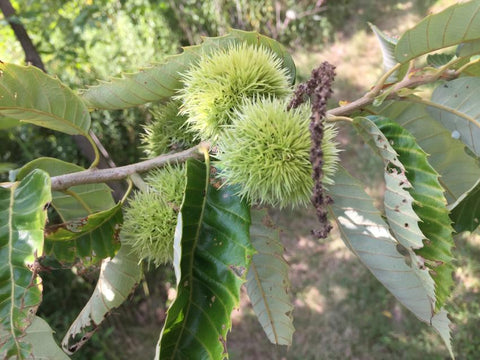 Chinese Chestnut Tree: Complete Growing Guide for Nature's Treasure
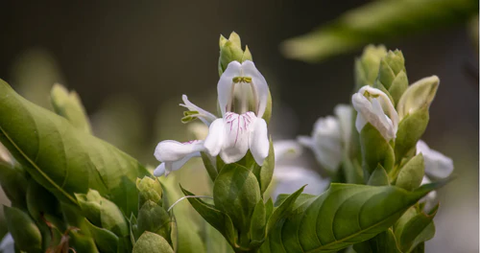 Guiana Chestnut Tree: The Ultimate Guide to Its Benefits, Care, and Unique Features
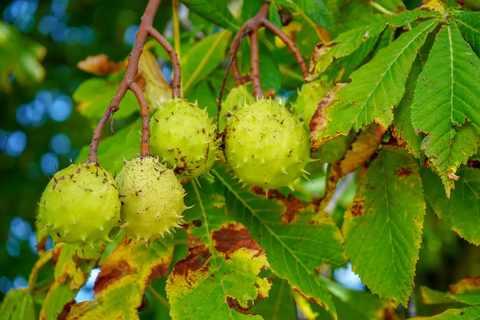 Horse Chestnut Tree: Unveiling the Secrets of Nature's Majestic Beauty and Health Benefits
 Malabar Chestnut Tree: Unlocking the Secrets of This Nutrient-Rich Superfood and Its Incredible Benefits
 Red Horse Chestnut Tree: Nature's Stunning Beauty & Medicinal Marvels
 Shagbark Hickory Tree: Unlocking Nature's Hidden Treasures


Leave a comment