


Horse Chestnut Tree: Unveiling the Secrets of Nature's Majestic Beauty and Health Benefits
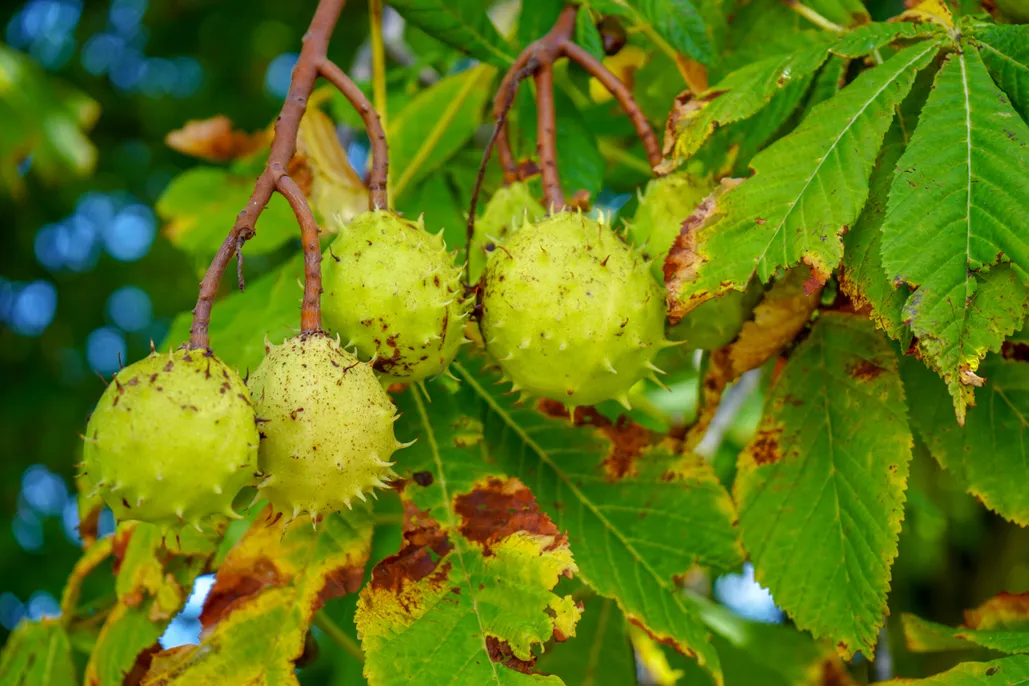
The Horse Chestnut Tree (Aesculus hippocastanum) is a tall deciduous tree reaching up to 100 feet, known for white and pale pink spring flowers. Its seeds, bark, and leaves contain aescin, a compound with anti-inflammatory and vasoprotective properties long used in traditional medicine.
The Horse Chestnut Tree, known scientifically as Aesculus hippocastanum, is a magnificent tree that has captured the hearts of nature lovers, herbalists, and environmentalists alike.
With its stunning display of white flowers in spring and rich green foliage, the Horse Chestnut Tree is not only a sight to behold but also a treasure trove of health benefits and ecological significance. In this blog, we will delve into the various aspects of the Horse Chestnut Tree, exploring its beauty, health benefits, historical significance, and environmental impact.
1. The Beauty of the Horse Chestnut Tree
The Horse Chestnut tree can grow up to 100 feet tall, boasting a broad, rounded crown that provides ample shade. Its large, palmate leaves can measure up to 12 inches across, and in the spring, the tree bursts into a spectacular display of flowers that are typically white or pale pink, with a distinctive yellow or reddish hue at the base.
These flowers, known as panicles, attract a variety of pollinators, including bees and butterflies, making the Horse Chestnut a vital player in the ecosystem.
2. Health Benefits of Horse Chestnut
The seeds, bark, and leaves of the Horse Chestnut tree have long been used in traditional medicine. The seeds contain a compound called aescin, which has been shown to have anti-inflammatory and vasoprotective properties. Here are some of the notable health benefits associated with Horse Chestnut:
- Varicose Veins: Aescin is known to strengthen blood vessel walls, making it an effective treatment for varicose veins and chronic venous insufficiency.
- Hemorrhoids: Horse Chestnut extract can reduce swelling and discomfort associated with hemorrhoids.
- Anti-inflammatory Effects: The anti-inflammatory properties of Horse Chestnut can help alleviate symptoms of conditions such as arthritis.
- Skin Health: Horse Chestnut is often used in topical creams to soothe skin irritations and improve circulation.
Scientific studies have shown that Horse Chestnut extract can significantly improve symptoms of chronic venous insufficiency, including leg swelling, pain, and heaviness.
A study published in the journal Phytotherapy Research found that participants who took Horse Chestnut extract experienced a 50% reduction in symptoms compared to a placebo group.
3. Historical Significance
The Horse Chestnut tree has a rich history that dates back centuries. Native to the Balkan Peninsula, it was introduced to Europe in the 16th century.
The tree quickly became popular for its ornamental value and was planted in parks and gardens across Europe. In the 19th century, the tree's seeds were used as a substitute for horse feed, hence the name "Horse Chestnut." Interestingly, the seeds are toxic to humans but are safe for horses to consume.
In addition to its ornamental use, the Horse Chestnut tree has held cultural significance in various societies. In some European folklore, the tree is associated with protection and good luck. In the United Kingdom, the Horse Chestnut tree is often referred to as the "conker tree," as children traditionally play a game using the seeds or "conkers."
4. Environmental Impact
The Horse Chestnut tree plays a crucial role in its ecosystem. Its large canopy provides shade and habitat for various wildlife, including birds and insects. The flowers attract pollinators, while the seeds serve as food for squirrels and other animals. Moreover, the tree's extensive root system helps prevent soil erosion and promotes soil health.
In urban environments, Horse Chestnut trees are often planted along streets and in parks, contributing to improved air quality and reduced urban heat. Their ability to absorb carbon dioxide and release oxygen makes them valuable allies in combating climate change.
However, the Horse Chestnut tree faces challenges from pests and diseases, such as the Horse Chestnut leaf miner and bleeding canker. These threats have led to a decline in Horse Chestnut populations in some areas, emphasizing the importance of conservation efforts.
5. Grow Billion Trees Partners and Their Mission
In the face of environmental challenges, organizations like Grow Billion Trees Partners are stepping up to promote reforestation and conservation efforts.
This initiative aims to plant one billion trees globally, including Horse Chestnut trees, to combat climate change and restore ecosystems. Their projects focus on engaging local communities, educating them about the importance of trees, and providing them with the resources needed to participate in reforestation efforts.
Grow Billion Trees Partners employs a multi-faceted approach to execute and promote their projects:
- Community Engagement: They work closely with local communities to raise awareness about the benefits of planting trees, including the Horse Chestnut, and how it contributes to environmental health.
- Education and Training: The organization provides training sessions on tree planting and care, empowering individuals to take part in reforestation efforts.
- Collaborations: Grow Billion Trees Partners collaborates with schools, businesses, and other organizations to facilitate tree planting events and campaigns.
- Monitoring and Maintenance: They ensure that planted trees are monitored and maintained, increasing the chances of survival and growth.
Through these efforts, Grow Billion Trees Partners not only contributes to the restoration of the Horse Chestnut tree population but also fosters a sense of responsibility and stewardship among communities.
6. Fun Facts about Horse Chestnut Trees
- The Horse Chestnut tree can live for over 300 years, making it a long-lasting addition to any landscape.
- In the autumn, the Horse Chestnut tree produces spiky seed pods, each containing one to three seeds.
- The seeds of the Horse Chestnut are often used in traditional games, particularly in the UK, where children play "conkers" by stringing the seeds and striking them against each other.
- Horse Chestnut wood is light and easy to work with, making it suitable for furniture and other wooden products.
- The tree's bark is smooth and gray, and it becomes more fissured with age, adding to its character.
7. Growing Horse Chestnut Trees
If you're interested in planting your own Horse Chestnut tree, here are some tips to consider:
- Location: Choose a sunny spot with well-drained soil. Horse Chestnuts thrive in full sun but can tolerate partial shade.
- Soil Preparation: Ensure the soil is rich in organic matter. You can amend the soil with compost to promote healthy growth.
- Planting: Plant the seeds in the fall or spring, about 2-3 inches deep. If you're starting from a sapling, dig a hole twice the size of the root ball and place the tree at the same depth it was growing in its container.
- Watering: Keep the soil consistently moist, especially during the first few years of growth. Once established, Horse Chestnut trees are relatively drought-tolerant.
- Pruning: Regular pruning helps maintain the tree's shape and remove any dead or diseased branches.
8. Conclusion
The Horse Chestnut tree is a testament to nature's beauty and resilience. With its stunning appearance, numerous health benefits, and ecological importance, it is a tree worth celebrating and preserving.
Organizations like Grow Billion Trees Partners are making significant strides in promoting the planting and conservation of Horse Chestnut trees, ensuring that future generations can enjoy their splendor.
Whether you're admiring their beauty in a park, using their extracts for health benefits, or participating in reforestation efforts, the Horse Chestnut tree is a remarkable part of our natural heritage.
As we continue to face environmental challenges, it is crucial to recognize the importance of trees like the Horse Chestnut and to support initiatives that promote their growth and conservation. Together, we can make a positive impact on our planet and preserve the majestic beauty of the Horse Chestnut tree for years to come.
Frequently Asked Questions
What is the Horse Chestnut Tree?
It's a magnificent tree, scientifically known as Aesculus hippocastanum, famous for its stunning white flowers in spring and large, palmate leaves. Not just a pretty face, it's also a powerhouse of health benefits and ecological importance.
What are the health benefits of Horse Chestnut?
This tree's seeds, bark, and leaves pack a punch! They help treat varicose veins, reduce hemorrhoids, and have anti-inflammatory properties. Plus, they can soothe skin irritations, making them a multi-tasking marvel in herbal medicine.
How did the Horse Chestnut Tree get its name?
The name "Horse Chestnut" comes from the tree's seeds, which were once used as horse feed. Ironically, while safe for horses, the seeds are toxic to humans. So, no snacking on these conkers for us!
What is the historical significance of the Horse Chestnut Tree?
Introduced to Europe in the 16th century from the Balkan Peninsula, it quickly won hearts for its ornamental beauty. It has cultural ties, too, often symbolizing protection and good luck in folklore.
What role does the Horse Chestnut Tree play in the environment?
This tree is an ecological superstar! Its canopy provides shade and habitats for wildlife, while its flowers attract pollinators. Plus, it helps prevent soil erosion and improves air quality in urban areas.
What are some fun facts about Horse Chestnut Trees?
These trees can live over 300 years, produce spiky seed pods in autumn, and are the stars of the UK’s traditional game "conkers." Their wood is also great for furniture, making them a versatile addition to any landscape.
How do I grow a Horse Chestnut Tree?
Start by choosing a sunny spot with well-drained soil. Plant seeds in fall or spring, keep the soil moist, and prune regularly. With a little TLC, you’ll be the proud parent of a majestic tree in no time!
What is Grow Billion Trees Partners?
This organization is on a mission to plant one billion trees globally, including Horse Chestnut trees. They engage communities, provide education, and promote conservation efforts to combat climate change. Talk about a green initiative!
What pests and diseases threaten the Horse Chestnut Tree?
Unfortunately, our beloved Horse Chestnut faces threats from pests like the Horse Chestnut leaf miner and diseases such as bleeding canker. These challenges highlight the need for conservation efforts to protect these majestic trees.
Can Horse Chestnut extracts be harmful?
While Horse Chestnut extracts offer health benefits, they should be used with caution. The raw seeds are toxic to humans, so always opt for processed extracts. Consult a healthcare professional before using them for medicinal purposes.
What is the best time to plant a Horse Chestnut Tree?
The ideal time to plant is either in the fall or spring when the soil is warm. This timing allows the tree to establish its roots before facing the heat of summer or the chill of winter.
Why should we conserve Horse Chestnut Trees?
Conserving Horse Chestnut trees is vital for preserving biodiversity, enhancing urban environments, and maintaining cultural heritage. By supporting reforestation initiatives, we ensure future generations can enjoy their beauty and benefits.
Keep reading
 Silver Birch Tree: Nature's Graceful Wonder & Environmental Champion
 Hawaiian Sandalwood Tree: Ultimate Guide to Mystical Benefits & Sustainable Harvesting
 Jackalberry Tree: Nature's Hidden Gem and Its Surprising Benefits for Wildlife and Ecosystems
 Burmese Grape Tree: Unlocking the Secrets of Nature's Sweetest Superfruit!
 Chinese Parasol Tree: The Ultimate Guide to Beauty, Benefits & Care
 Redwood Ash Tree: Unveiling Nature's Majestic Carbon-Capturing Marvel

Leave a comment