
Common Hornbeam Tree: Nature's Resilient Beauty & Versatile Uses
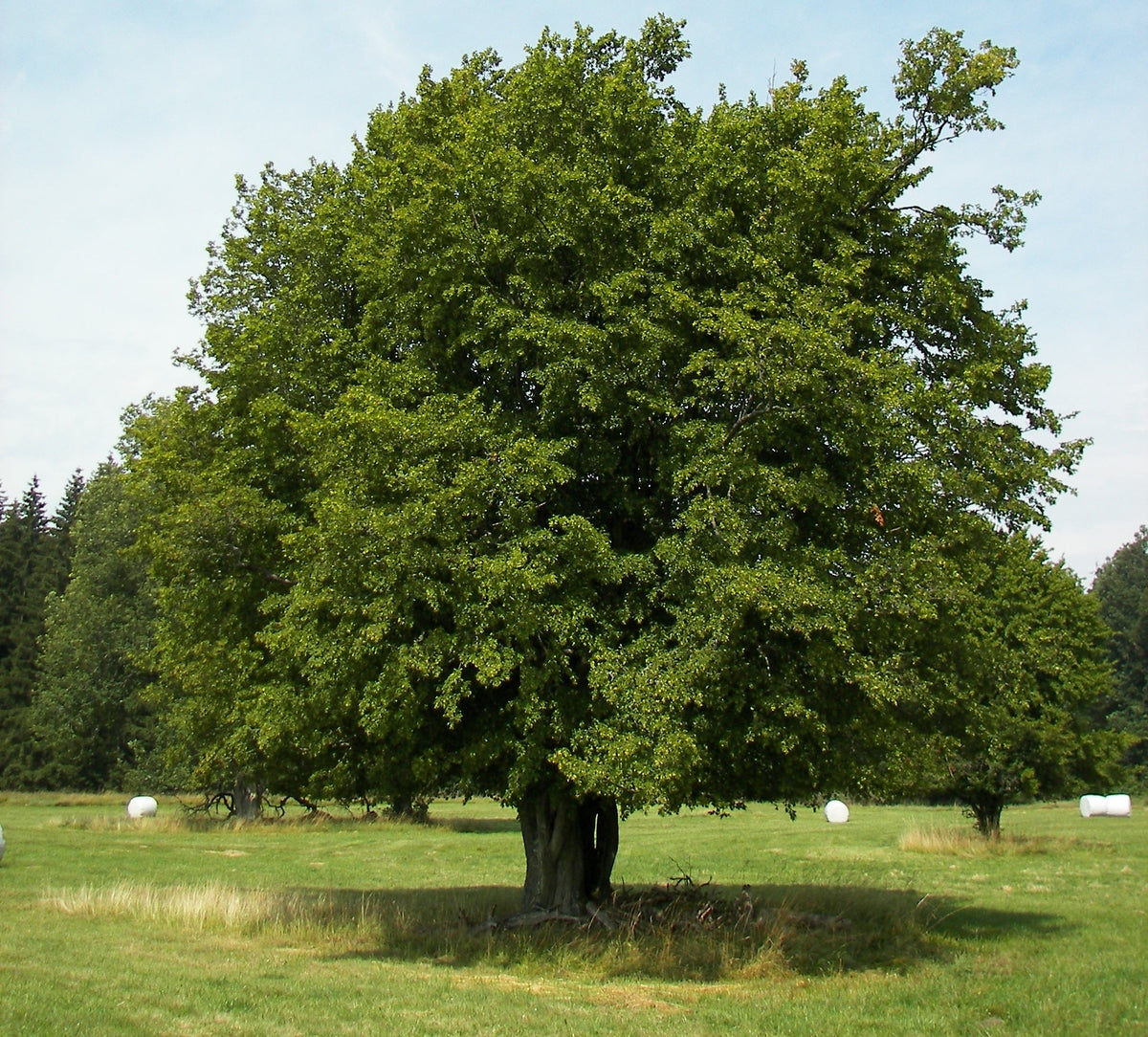
The Common Hornbeam Tree (Carpinus betulus) is a medium-sized European deciduous tree that typically reaches 20 to 30 metres. Adaptable to various soil types, it is valued for landscaping, woodworking, and environmental conservation projects, with distinctive serrated leaves that turn yellow in autumn.
The Common Hornbeam Tree (Carpinus betulus) stands as one of Europe's most underappreciated yet remarkable deciduous trees. This resilient beauty offers exceptional versatility in landscaping, woodworking, and environmental conservation, making it an invaluable asset for both urban planning and ecological restoration projects. Our experience working with environmental initiatives has shown that the Common Hornbeam Tree consistently delivers outstanding results in diverse conditions.
✅ Understanding the Common Hornbeam Tree
The Common Hornbeam is a medium-sized deciduous tree native to Europe that typically reaches heights between 20 to 30 meters. Its distinctive serrated, oval-shaped leaves display a rich dark green color during growing seasons, transforming into vibrant yellow hues in autumn. The smooth, grayish bark gradually develops fissures as the tree matures, creating an attractive textured appearance.
What makes the Common Hornbeam Tree truly exceptional is its remarkable adaptability. This hardy species thrives in various soil types, including clay, loam, and sandy soils, demonstrating the resilience that has made it a favorite among landscape architects and environmental restoration specialists.
Scientific Classification of Common Hornbeam
- Kingdom: Plantae
- Clade: Angiosperms
- Clade: Eudicots
- Order: Fagales
- Family: Betulaceae
- Genus: Carpinus
- Species: C. betulus
⭐ Historical Significance and Cultural Heritage
The Common Hornbeam Tree has served humanity for centuries, earning its name from the Old English words "horn" (referring to wood hardness) and "beam" (meaning tree). Historical records show that ancient craftsmen prized hornbeam wood for its exceptional density and durability, making it ideal for tool handles, furniture, and flooring applications.
In medieval Europe, the Common Hornbeam Tree held symbolic significance representing strength and resilience. Churches and formal gardens frequently featured these trees, with landscape architects appreciating their ability to withstand harsh environmental conditions. According to the United Nations Sustainable Development Goals, preserving such culturally significant tree species contributes to sustainable communities and environmental conservation.
🌱 Environmental Benefits and Ecological Impact
The Common Hornbeam Tree plays a crucial role in ecosystem health and climate change mitigation. As a deciduous species, it provides essential habitat for numerous bird and insect species while contributing significantly to air quality improvement through carbon dioxide absorption and oxygen production.
Research indicates that a mature Common Hornbeam Tree can absorb approximately 48 pounds of CO2 annually, making substantial contributions to climate change mitigation efforts. The tree's extensive root system enhances soil structure and water retention capabilities, proving invaluable for reforestation projects and degraded land restoration.
The United Nations Environment Programme's forest conservation initiatives recognize species like the Common Hornbeam as essential components of sustainable forest management strategies. These trees help reduce soil erosion, improve biodiversity, and support ecosystem restoration in various environmental conditions.
💡 Versatile Uses and Applications
The Common Hornbeam Tree offers remarkable versatility across multiple industries and applications:
Woodworking and Craftsmanship
- Fine furniture: Dense, hard wood with excellent grain patterns
- Musical instruments: Exceptional acoustic properties for piano construction
- Tool handles: Superior durability and shock resistance
- Flooring: Long-lasting, attractive hardwood flooring option
Landscaping and Urban Planning
- Hedge formation: Excellent tolerance for pruning and shaping
- Topiary work: Responds well to artistic pruning techniques
- Street trees: Adaptable to urban environmental stresses
- Park landscaping: Provides shade and aesthetic appeal
Culinary and Traditional Uses
In certain regions, Common Hornbeam seeds are edible and incorporated into traditional dishes. The leaves also provide valuable nutrition for various wildlife species, supporting local ecosystem food chains.
🌳 Growing and Caring for Common Hornbeam Trees
Successfully cultivating Common Hornbeam Trees requires understanding their specific needs and growth patterns. Our experience with tree plantation programs has identified key factors for optimal growth and development.
Soil and Environmental Requirements
- Soil type: Well-drained soil preferred, tolerates various soil compositions
- Light conditions: Thrives in full sun to partial shade environments
- Water needs: Drought-tolerant once established, requires regular watering during initial growth
- Climate tolerance: Hardy in USDA zones 4-8
Planting and Maintenance Tips
When planting Common Hornbeam Trees, ensure adequate spacing for mature growth. Regular pruning maintains shape and encourages healthy development. We found that spring planting provides optimal establishment conditions, allowing trees to develop strong root systems before winter.
🌍 Combating Climate Change Through Collective Action
The Common Hornbeam Tree plays a vital role in global reforestation efforts and climate change mitigation strategies. Organizations worldwide recognize the importance of planting diverse tree species to create resilient ecosystems capable of withstanding environmental challenges.
At Grow Billion Trees, we understand that achieving our goal of planting 100 crore trees requires utilizing species like the Common Hornbeam that demonstrate exceptional adaptability and environmental benefits. Our 2-3ft Tree Planting + 3 Years Care + GeoTag program ensures that every Common Hornbeam Tree receives proper establishment care and monitoring.
The United Nations Climate Change initiatives emphasize the critical role of forest restoration in achieving global climate targets. Common Hornbeam Trees contribute significantly to these efforts through carbon sequestration, biodiversity support, and ecosystem restoration.
⭐ Supporting Corporate Net Zero Targets
Many corporations seeking to achieve Net Zero Targets recognize the Common Hornbeam Tree as an excellent choice for their environmental sustainability programs. These trees offer measurable carbon sequestration benefits while providing long-term ecosystem services that support corporate environmental, social, and governance (ESG) objectives.
Our corporate partnerships demonstrate that planting Common Hornbeam Trees creates lasting environmental impact while supporting business sustainability goals. The ability to Plant a tree in your Name through our programs provides personalized engagement with environmental conservation efforts.
🎯 Fun Facts About Common Hornbeam Trees
- ⭐ Can live over 200 years, demonstrating exceptional longevity
- 🌸 Produces small, greenish wind-pollinated flowers in spring
- 🎵 Wood used in piano construction due to superior acoustic properties
- 🦎 Leaves provide essential nutrition for various wildlife species
- 🏠 Traditional use in making ox yokes due to wood strength
- 🌿 Excellent air purification capabilities in urban environments
🌱 Common Hornbeam in Modern Conservation
Contemporary environmental conservation programs increasingly recognize the Common Hornbeam Tree's value in restoration projects. Its ability to thrive in challenging conditions makes it ideal for rehabilitating degraded landscapes and supporting biodiversity conservation efforts.
The World Wildlife Fund's forest conservation programs highlight the importance of native species like the Common Hornbeam in maintaining healthy forest ecosystems. These trees support complex ecological relationships while providing resilience against environmental stresses.
Further reading: European Hornbeam Tree: Sustainable Landscaping Hero & Wildlife Haven · Southern Beech Tree: The Ultimate Guide to Beauty, Benefits & Care
Frequently Asked Questions
How fast does a Common Hornbeam Tree grow?
Common Hornbeam Trees typically grow at a moderate rate of 12-24 inches per year under optimal conditions. Growth rates vary based on soil quality, water availability, and climate conditions.
What is the lifespan of a Common Hornbeam Tree?
A healthy Common Hornbeam Tree can live over 200 years, making it an excellent long-term investment for landscaping and environmental conservation projects.
Can Common Hornbeam Trees tolerate urban pollution?
Yes, Common Hornbeam Trees demonstrate excellent tolerance for urban environmental stresses, including air pollution, compacted soil, and limited root space, making them ideal for city landscaping.
When is the best time to plant Common Hornbeam Trees?
Spring planting (March-May) provides optimal conditions for Common Hornbeam Tree establishment, allowing sufficient time for root development before winter dormancy.
Do Common Hornbeam Trees require special soil conditions?
While preferring well-drained soil, Common Hornbeam Trees adapt to various soil types including clay, loam, and sandy soils, demonstrating remarkable versatility.
How much space do Common Hornbeam Trees need?
Mature Common Hornbeam Trees typically spread 15-25 feet, requiring adequate spacing for optimal growth and development in landscaping applications.
Are Common Hornbeam Trees suitable for small gardens?
Yes, Common Hornbeam Trees respond excellently to pruning and can be maintained as smaller specimens or hedges, making them suitable for various garden sizes.
What wildlife benefits from Common Hornbeam Trees?
Common Hornbeam Trees support numerous bird species, insects, and small mammals by providing nesting sites, food sources, and habitat diversity in urban and natural environments.
How do Common Hornbeam Trees contribute to climate change mitigation?
Each mature Common Hornbeam Tree absorbs approximately 48 pounds of CO2 annually while producing oxygen, contributing significantly to carbon sequestration and air quality improvement.
Can I plant a Common Hornbeam Tree through Grow Billion Trees?
Absolutely! You can Plant a tree in your Name for ₹299 through our program, which includes 2-3ft Tree Planting + 3 Years Care + GeoTag tracking to monitor your tree's growth and environmental impact.The Common Hornbeam Tree represents nature's perfect combination of beauty, resilience, and environmental benefit. From its historical significance to its modern applications in climate change mitigation, this remarkable species continues to provide valuable services to both ecosystems and human communities. As we work toward planting 100 crore trees in India, the Common Hornbeam's adaptability and longevity make it an excellent choice for creating sustainable, thriving forests.Ready to make a lasting environmental impact? Explore our tree planting programs and discover how you can contribute to global reforestation efforts while supporting biodiversity conservation and climate change mitigation through the remarkable Common Hornbeam Tree.
Keep reading
 European Hornbeam Tree: Sustainable Landscaping Hero & Wildlife Haven
 Southern Beech Tree: The Ultimate Guide to Beauty, Benefits & Care
 Mast Tree: The Ultimate Guide to Unlocking the Secrets of This Remarkable Tree for Your Garden
 Hickory Tree: Unveiling the Secrets of Nature's Mighty Marvel and Its Incredible Benefits
 Black Ash Tree: Unveiling the Secrets, Benefits, and Care Tips for This Majestic Species


Comments
Leave a comment