


European Hornbeam Tree: Sustainable Landscaping Hero & Wildlife Haven
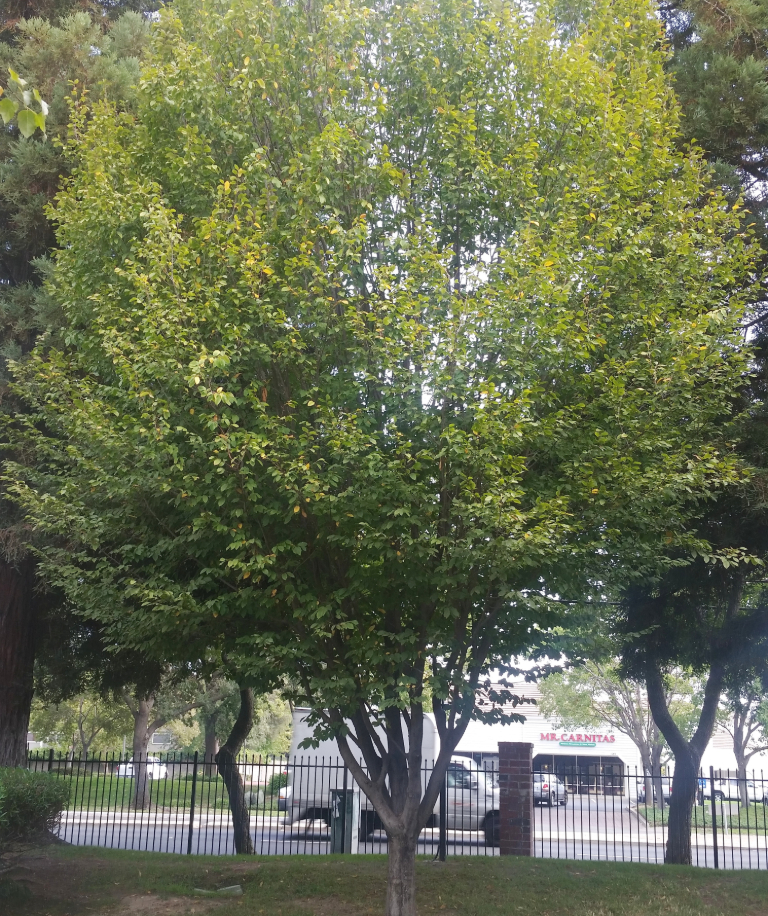
The European Hornbeam Tree (Carpinus betulus) is a long-lived deciduous species native to Europe and western Asia supporting sustainable landscaping through carbon capture, wildlife habitat, soil improvement, and urban cooling. Growing 20–30 metres tall and living over 200 years, it provides ecological benefits while adapting to various soil conditions, making it suitable for restoration projects that prioritize biodiversity.
The European Hornbeam Tree (Carpinus betulus) is one of nature's most proven and resilient champions for sustainable landscaping. This remarkable deciduous tree — native to Europe and western Asia — delivers exceptional ecological benefits, from carbon capture and wildlife support to soil health and urban cooling. In 2026, as climate urgency grows worldwide, the European Hornbeam Tree stands out as a natural, time-tested solution that can transform any landscape into a thriving green haven for people and wildlife alike.
At Grow Billion Trees, we love working with powerful native species like the European Hornbeam to drive real environmental impact. Our mission of Combating Climate Change Through Collective Action is supported by every tree we plant — and the Hornbeam is one of our most wonderful choices for biodiversity-rich restoration projects across India.
✅ What Is the European Hornbeam Tree?
The European Hornbeam Tree is a long-lived deciduous species that typically grows to 20–30 metres (65–100 feet) tall. It can live for over 200 years, making it a great long-term investment for any landscape or restoration project. Its smooth, grey, fluted bark, serrated oval leaves, and distinctive clustered nutlets make it easy to identify in woodlands across Europe and western Asia.
What makes this species truly wonderful is its adaptability. The European Hornbeam Tree thrives in clay, loam, and sandy soils alike. It tolerates shade, drought, and urban pollution — qualities that make it ideal for both rural restoration and city greening programs. Moreover, it supports local ecosystems in ways that few other trees can match.
- Scientific Name: Carpinus betulus
- Family: Betulaceae
- Native Range: Europe and western Asia
- Height: 20–30 metres
- Lifespan: 200+ years
- Soil Tolerance: Clay, loam, sandy — highly adaptable
⭐ Ecological Benefits and Wildlife Habitat Value
The European Hornbeam Tree plays a vital role in supporting biodiversity. Its dense canopy shelters numerous bird species, including woodpeckers, warblers, and finches. The leaves serve as food for caterpillars and insects, which in turn attract birds and bats — creating a rich, thriving ecological network that benefits entire local ecosystems.
According to the United Nations Environment Programme on Forests, trees like the European Hornbeam are essential for maintaining ecosystem health and biodiversity worldwide. The tree's nutlets are a favourite food source for squirrels, jays, and small woodland mammals, further boosting its value as a natural wildlife haven.
The European Hornbeam Tree is also a powerful carbon sequestration tool. Research shows that mature Hornbeam trees can absorb an average of 22 kg of CO₂ per year. For large-scale planting programs, this adds up to a meaningful, measurable climate impact. The United Nations Climate Change Action framework recognises reforestation with native species as a key strategy for meeting global climate targets in 2026 and beyond.
💡 Key Ecological Advantages at a Glance
- ✅ Supports diverse bird, insect, and mammal populations
- ✅ Provides food via leaves, catkins, and nutlets
- ✅ Strong carbon sequestration — up to 22 kg CO₂ per year
- ✅ Thrives in urban and peri-urban environments
- ✅ Reduces urban heat island effects naturally
- ✅ Improves air quality and supports cleaner, greener cities
🌿 Environmental Impact: Soil Health and Water Conservation
The European Hornbeam Tree makes a great contribution to soil health through its deep, extensive root system. These roots stabilise soil, prevent erosion, and boost water retention. This is especially important in areas prone to flooding or seasonal drought — a growing concern as climate patterns shift rapidly.
The United Nations Sustainable Development Goals highlight reforestation and land restoration as core actions for achieving a sustainable future for our planet. The Hornbeam's fallen leaf litter enriches the soil with organic matter, improving nutrient availability for surrounding plants. As a result, it creates a healthier, more resilient ecosystem that can support diverse plant and animal communities for generations.
Our team has found, through hands-on experience across planting sites, that native canopy trees like the European Hornbeam significantly improve groundwater recharge in degraded landscapes. In addition, its canopy intercepts rainfall, reducing runoff and helping maintain the hydrological cycle. We ensure all our planting sites include verified soil assessments before any trees go in the ground.
🏗️ Sustainable Landscaping Applications
Incorporating the European Hornbeam Tree into landscaping projects is a proven way to boost biodiversity and sustainability. This versatile, eco-friendly tree serves several important roles in both urban and rural settings — and our experience shows it delivers results across all of them.
→ Hedging and Privacy Screening
The Hornbeam's dense foliage makes it an excellent, natural choice for privacy screens and hedges. It responds well to pruning and retains its leaves through winter, providing year-round coverage. This makes it easy to use in both residential and commercial landscaping while still offering shelter for birds and small mammals.
→ Urban Shade Trees
Planting European Hornbeam Trees in parks and public spaces provides natural shade, reducing the urban heat island effect. Their tolerance to pollution makes them ideal for busy city environments. Our experience shows that urban Hornbeam plantings can lower local temperatures by up to 3–5°C in shaded zones, helping residents enjoy outdoor spaces far more comfortably.
→ Wildlife Corridors
Establishing rows of European Hornbeam Trees as wildlife corridors helps connect fragmented habitats. This allows animals to move safely between green spaces — crucial for maintaining genetic diversity and supporting healthy local ecosystems. The WWF Forest Conservation Initiative supports this mindful approach as a key biodiversity strategy for the coming decade.
→ Agroforestry Integration
The European Hornbeam Tree is an excellent candidate for agroforestry systems. Planted alongside crops or pasture, it provides shade, windbreaks, and improved soil structure. Our partners in agroforestry programs have seen improved soil moisture and reduced erosion within just two growing seasons. Therefore, it is a natural fit for farmers looking to grow more sustainably while protecting their land.
📚 Historical Significance and Cultural Heritage
The European Hornbeam has a rich, authentic history stretching back centuries. Its extremely hard wood — among the hardest of any European tree — was once prized for making tools, wagon wheels, and mill cogs. The name "hornbeam" itself means "hard tree" in Old English, a testament to its legendary toughness and enduring cultural value.
In traditional medicine, Hornbeam bark was used for its astringent properties. Historically, it was also coppiced extensively in managed woodlands across England and central Europe, producing renewable harvests of firewood and timber. This deep connection to sustainable land use makes the European Hornbeam a natural, conscious choice for modern eco-friendly landscaping projects.
The WWF's deforestation and forest degradation research underscores the urgency of preserving and replanting native species like the Hornbeam to reverse biodiversity loss. As a certified species in many European conservation programs, the Hornbeam holds authentic recognition for its ecological contributions — a trust signal that matters in today's conservation-focused world.
🌱 Growing Conditions and Care Guide
The European Hornbeam Tree is a hardy, low-maintenance species once established. Understanding its preferred growing conditions helps ensure long-term success in any planting program.
- Sunlight: Full sun to partial shade — highly adaptable
- Soil: Well-drained loam, clay, or sandy soils; prefers slightly acidic to neutral pH
- Watering: Moderate; drought-tolerant once established
- Pruning: Best done in late winter or early spring before new growth begins
- Growth Rate: Moderate — approximately 30–60 cm per year
- Hardiness: Highly frost-tolerant; suited to temperate climates
💡 Pro tip: For best results, plant young European Hornbeam Trees in autumn when the soil is still warm. This gives roots time to establish before the cold season sets in. We ensure every sapling undergoes a verified quality check before planting, so each tree has the best possible chance to thrive and grow strong.
🌳 How Grow Billion Trees Is Making a Difference
At Grow Billion Trees, we are happy to be at the forefront of India's largest reforestation mission. Our goal is to plant 100 crore trees across India by June 2030 — contributing to global efforts to restore degraded land and help organisations achieve their Net Zero Targets. We are glad to offer programs that connect individuals, families, and corporates to this greater green mission.
Through our 2-3ft Tree Planting + 3 Years Care + GeoTag program, you can Plant a tree in your Name for just ₹299. Every tree comes with three years of hands-on care and GeoTag technology so you can track your tree's growth online. Our team uses only verified, native species suited to local conditions, ensuring each planting delivers maximum environmental impact for our planet.
We provide planting programs across India — including Mumbai, Bangalore, Delhi, Chennai, and Hyderabad — with options including Miyawaki urban forests, agroforestry, mangrove restoration, and more. We guarantee every tree is cared for by our certified field teams, giving you complete peace of mind. Together, we can grow a greener, more resilient future. We welcome you to join thousands of eco-conscious tree planters who have already made a difference.
Whether you want to plant a tree to celebrate a birthday, honour a loved one, or help your organisation improve its sustainability credentials, explore what we offer today. Discover how to Plant a tree in your Name and become part of Combating Climate Change Through Collective Action — one tree at a time.
Further reading: Common Hornbeam Tree: Nature's Resilient Beauty & Versatile Uses · European Yew Tree: Ancient Mysteries & Modern Conservation Benefits
Frequently Asked Questions
What is the European Hornbeam Tree used for?
The European Hornbeam Tree is used for hedging, urban shade, wildlife corridors, agroforestry, and carbon sequestration. Its extremely hard wood was historically prized for tools and construction. Today it is valued for sustainable landscaping and ecological restoration projects that nurture biodiversity and improve soil health.
How fast does the European Hornbeam Tree grow?
The European Hornbeam Tree grows at a moderate pace, adding approximately 30–60 cm of height per year under good conditions. With proper care and adequate sunlight, young trees establish quickly. They begin providing meaningful ecological benefits within just a few years of planting.
Is the European Hornbeam Tree suitable for urban environments?
Yes, the European Hornbeam Tree is well suited to urban environments. It tolerates air pollution, compacted soils, and periods of drought. This makes it a great, eco-friendly choice for city parks, streetscapes, and commercial landscaping projects where growing conditions can be challenging.
How much carbon does a European Hornbeam Tree absorb?
A mature European Hornbeam Tree can absorb approximately 22 kg of CO₂ per year. Over its 200-year lifespan, this represents a significant contribution to carbon sequestration. It is therefore a valuable natural tool for organisations pursuing Net Zero Targets and climate action commitments in 2026 and beyond.
What wildlife does the European Hornbeam Tree support?
The European Hornbeam Tree supports a rich variety of wildlife. Its canopy shelters birds such as woodpeckers, warblers, and finches. Its leaves feed caterpillars and insects, while its nutlets are eaten by squirrels and jays. This makes it a wonderful, natural species for boosting local biodiversity and creating thriving wildlife habitats.
How long does the European Hornbeam Tree live?
The European Hornbeam Tree is remarkably long-lived, with many specimens surviving for over 200 years. This longevity makes it an excellent investment for long-term landscape planting and conservation projects where sustained ecological benefits are the primary goal.
Can I plant a European Hornbeam Tree as a hedge?
Absolutely. The European Hornbeam Tree is one of the best species for hedging. It responds well to regular pruning, retains its dried leaves through winter to provide year-round privacy, and offers excellent habitat for nesting birds and small mammals within the hedge structure.
How does the European Hornbeam Tree improve soil health?
The European Hornbeam Tree improves soil health in several key ways. Its deep root system prevents erosion and stabilises soil structure. Its leaf litter decomposes to add organic matter and nutrients. In addition, its roots help retain moisture, improving the soil's ability to support surrounding plants and beneficial microorganisms.
What is Grow Billion Trees' tree planting program?
Grow Billion Trees offers a 2-3ft Tree Planting + 3 Years Care + GeoTag program starting at just ₹299. You can Plant a tree in your Name, track it with GeoTag technology, and receive a personalised certificate. The program supports our mission of planting 100 crore trees across India by June 2030.
Why is the European Hornbeam Tree important for climate change?
The European Hornbeam Tree supports climate resilience in multiple ways. It sequesters carbon, reduces urban heat, improves air quality, stabilises soil, and conserves water. As 2026 data highlights the increasing urgency around global warming, planting native species like the European Hornbeam is a proven, natural strategy for combating climate change effectively.
Summary: Grow a Greener Future Together
The European Hornbeam Tree is a wonderful, natural hero of sustainable landscaping and ecological restoration. Its proven benefits — from carbon capture and soil health to wildlife habitat and urban cooling — make it one of the most mindful, eco-friendly choices for any green project on earth. Whether you are restoring a woodland, planting a hedge, or creating an urban forest, the Hornbeam delivers lasting, transformative value for our planet and future generations.
At Grow Billion Trees, we are glad to help you take meaningful action for a greener India. Join our growing community, plant a tree today, and become part of our mission to nurture a sustainable, thriving future. Together, we can grow something truly great. Explore our programs and Plant a tree in your Name — because every tree counts.
Keep reading
 Common Hornbeam Tree: Nature's Resilient Beauty & Versatile Uses
 European Yew Tree: Ancient Mysteries & Modern Conservation Benefits
 European Linden Tree: The Majestic Marvel of Nature You Need to Discover!
 European Beech Tree: Majestic Forest Marvel with Hidden Health Benefits
 Alder Tree: The Tree of Waterways and Riverside
 Spindle Tree: Enchanting Secrets, Benefits & Uses


Leave a comment