
Cotton Tree: Unlocking the Secrets of Nature’s Marvel and Its Eco-Friendly Benefits
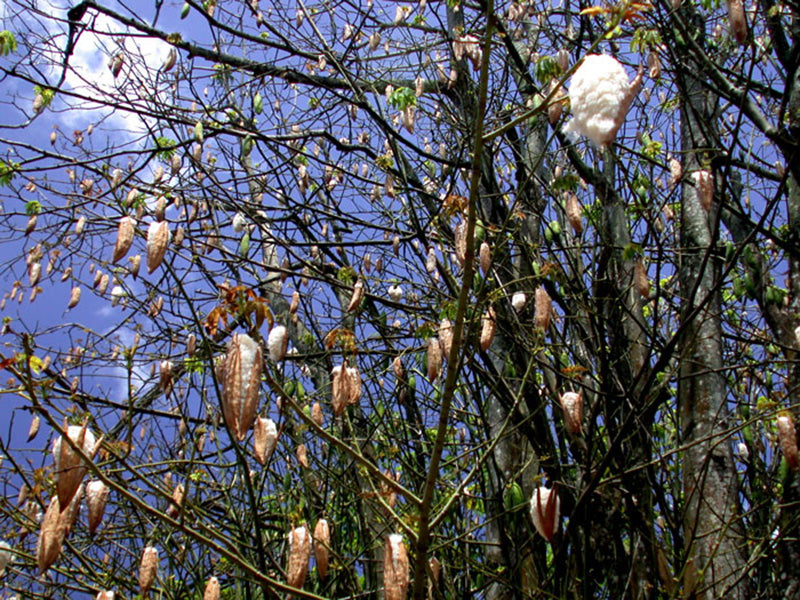
The Cotton Tree, scientifically known as Ceiba pentandra, is a large tropical tree native to Central and South America, Africa, and parts of Asia. Growing up to 70 metres tall with a water-storing bulbous trunk, this drought-resistant species produces kapok fibres used traditionally for bedding and attracts pollinators with white or pink flowers.
Nature has an extraordinary way of providing us with resources that not only enhance our lives but also contribute significantly to the health of our planet. One such resource is the Cotton Tree, scientifically known as Ceiba pentandra.
This majestic tree is not only a marvel in terms of its size and beauty but also plays a pivotal role in various ecosystems. In this blog, we will explore the secrets of the Cotton Tree, its eco-friendly benefits, and how organizations like Grow Billion Trees are working to promote and protect this incredible species.
### The Cotton Tree: An Overview
The Cotton Tree is a large tropical tree native to Central and South America, Africa, and parts of Asia. It can grow up to 70 meters (230 feet) tall and has a trunk diameter of over three meters (10 feet).
The tree is easily recognizable due to its large, bulbous trunk that can store significant amounts of water, making it drought-resistant. The Cotton Tree blooms with stunning white or pink flowers, which are not only beautiful but also attract a variety of pollinators, including bees and butterflies.
Historically, the Cotton Tree has been revered in various cultures. In many African communities, it is considered sacred and is often associated with spiritual practices.
The tree's soft, fluffy fibers, known as kapok, were traditionally used for stuffing pillows and mattresses, while the seeds can be processed into oil. The Cotton Tree's ecological role is equally impressive, as it provides habitat and food for numerous species, including birds, insects, and mammals.
### The Science Behind the Cotton Tree
The Cotton Tree belongs to the Malvaceae family, which also includes hibiscus and cacao. Its scientific name, Ceiba pentandra, derives from the indigenous Taino language, where "Ceiba" refers to the tree itself.
The tree's unique structure allows it to thrive in tropical climates, where it can withstand heavy rains and strong winds. The sapwood of the tree is soft and light, while the heartwood is dense and durable, making it resistant to decay.
One of the most remarkable features of the Cotton Tree is its ability to store water in its trunk. This adaptation allows the tree to survive in periods of drought, making it a crucial species in its native habitats.
Research has shown that the Cotton Tree can store up to 1000 liters (about 264 gallons) of water in its trunk, which it uses during dry spells to maintain its health and support surrounding ecosystems.
### Fun Facts About the Cotton Tree
- The Cotton Tree can live for hundreds of years, with some specimens estimated to be over 1,000 years old.
- Its flowers bloom at night and are often pollinated by nocturnal creatures, such as bats.
- The tree's kapok fibers are lighter than cotton and are naturally water-resistant, making them an excellent choice for insulation and buoyancy.
- In some cultures, the Cotton Tree is believed to be a bridge between the physical and spiritual worlds.
### Environmental Impact of the Cotton Tree
The Cotton Tree plays a critical role in maintaining ecological balance. Its extensive root system helps prevent soil erosion, while its large canopy provides shade and habitat for various species.
The tree also contributes to carbon sequestration, absorbing carbon dioxide from the atmosphere and helping to mitigate climate change. According to a study published in the journal Global Change Biology, mature trees like the Cotton Tree can sequester an average of 22 kilograms (48.5 pounds) of carbon per year.
Moreover, the Cotton Tree supports biodiversity by providing food and shelter for numerous organisms. The flowers produce nectar that attracts pollinators, while the seeds serve as a food source for birds and mammals. The tree's bark and leaves also host various insects, contributing to the overall health of the ecosystem.
### Eco-Friendly Benefits of the Cotton Tree
In addition to its ecological importance, the Cotton Tree offers several eco-friendly benefits:
- Natural Insulation: The kapok fibers are an excellent natural insulation material, making them a sustainable alternative to synthetic materials.
- Soil Enrichment: The fallen leaves of the Cotton Tree decompose and enrich the soil with nutrients, promoting healthy plant growth.
- Water Conservation: The tree's ability to store water contributes to local water cycles, helping to maintain moisture levels in the surrounding environment.
- Carbon Offset: By sequestering carbon, the Cotton Tree helps mitigate climate change and its associated impacts.
### Grow Billion Trees: Partners in Conservation
Organizations like Grow Billion Trees are at the forefront of promoting the growth and conservation of the Cotton Tree and other vital species. Founded on the principle of sustainability, Grow Billion Trees partners with local communities, governments, and environmental organizations to execute tree-planting projects that benefit both the environment and local economies.
Grow Billion Trees employs a comprehensive approach to tree planting, which includes:
- Community Engagement: The organization works closely with local communities to raise awareness about the importance of trees and their role in sustaining the environment. Workshops and educational programs are conducted to inform residents about the ecological benefits of the Cotton Tree.
- Strategic Planting: Projects are designed to ensure that trees are planted in areas where they can thrive and provide the most ecological benefits. This includes selecting suitable locations based on soil type, water availability, and existing flora and fauna.
- Monitoring and Maintenance: After planting, Grow Billion Trees monitors the health and growth of the trees, ensuring they receive the necessary care and support to thrive. This includes regular assessments and community involvement in maintenance activities.
- Research and Development: The organization collaborates with scientists and researchers to study the impact of tree planting on local ecosystems. This data is used to refine planting strategies and improve the effectiveness of conservation efforts.
### The Future of the Cotton Tree
As climate change continues to pose significant threats to our planet, the importance of trees like the Cotton Tree cannot be overstated. Their ability to sequester carbon, support biodiversity, and provide essential resources makes them invaluable in the fight against environmental degradation. By supporting initiatives like Grow Billion Trees, we can ensure that future generations will benefit from the ecological and economic advantages of the Cotton Tree.
In conclusion, the Cotton Tree is a remarkable species that embodies the beauty and complexity of nature. Its eco-friendly benefits, historical significance, and environmental impact make it a vital component of our planet's ecosystems. By partnering with organizations dedicated to conservation and sustainability, we can unlock the secrets of this natural marvel and promote a healthier, greener future for all.
### Call to Action
If you’re inspired by the wonders of the Cotton Tree and want to contribute to its conservation, consider supporting organizations like Grow Billion Trees. Whether through donations, volunteering, or simply spreading the word, every action counts. Together, we can make a difference and ensure that the beauty and benefits of the Cotton Tree are preserved for generations to come.
### Conclusion
The Cotton Tree is not just a tree; it's a symbol of resilience and a testament to nature's ingenuity. By understanding its significance and supporting conservation efforts, we can play a part in protecting this incredible species and the ecosystems it supports. Let’s work together to unlock the secrets of nature’s marvel and embrace the eco-friendly benefits the Cotton Tree has to offer.
Further reading: Silk Cotton Tree: Unveiling the Mysteries and Marvels of Nature's Majestic Wonder · White Silk Cotton Tree: Unveiling Nature's Fluffy Wonder
Frequently Asked Questions
What is the Cotton Tree?
The Cotton Tree, or Ceiba pentandra, is a colossal tropical marvel that can tower up to 70 meters! Native to Central and South America, Africa, and parts of Asia, it’s famous for its bulbous trunk, stunning blooms, and role as a habitat provider. It's a tree that really knows how to stand tall and proud!
Why is the Cotton Tree important for the environment?
The Cotton Tree isn’t just a pretty face; it’s an ecological superhero! With its extensive roots preventing soil erosion and its ability to sequester carbon, it helps combat climate change. Plus, its large canopy provides shade and shelter for countless species. Talk about a tree that gives back!
How does the Cotton Tree store water?
The Cotton Tree has a trunk that acts like a giant water bottle! It can store up to 1000 liters of water, allowing it to thrive in drought conditions. This unique adaptation not only keeps the tree healthy but also supports the surrounding ecosystem during dry spells. Who knew trees could be so resourceful?
What are the eco-friendly benefits of the Cotton Tree?
The Cotton Tree is a green champion! Its kapok fibers serve as natural insulation, while its fallen leaves enrich the soil. It also aids in water conservation and carbon sequestration. This tree is not just a pretty sight; it’s a sustainability powerhouse doing its part for Mother Earth!
How does Grow Billion Trees support the Cotton Tree?
Grow Billion Trees is like the Cotton Tree's personal cheerleader! They engage local communities, strategically plant trees, monitor their growth, and collaborate with researchers. Their mission? To ensure the Cotton Tree thrives and continues to provide its eco-friendly benefits. It’s teamwork at its finest!
What cultural significance does the Cotton Tree hold?
The Cotton Tree is more than just timber; it’s a cultural icon! Revered in various cultures, especially in Africa, it’s often seen as sacred and tied to spiritual practices. Its soft kapok fibers have historically been used for pillows and mattresses, showcasing its practical and spiritual importance. Talk about a multi-talented tree!
How does the Cotton Tree contribute to biodiversity?
The Cotton Tree is a biodiversity hotspot! Its flowers attract pollinators like bees and bats, while its seeds provide food for birds and mammals. The tree's bark and leaves host various insects, creating a thriving ecosystem. It’s like a five-star hotel for wildlife, ensuring nature keeps its guests happy!
How can I get involved in Cotton Tree conservation?
Want to be a Cotton Tree hero? You can support conservation efforts by donating to organizations like Grow Billion Trees, volunteering for tree-planting initiatives, or simply spreading the word about the Cotton Tree's importance. Every little action counts, so roll up your sleeves and join the green revolution!
What makes the Cotton Tree unique?
The Cotton Tree is a one-of-a-kind natural wonder! With its massive size, ability to store water, and beautiful blooms that attract nocturnal pollinators, it stands out in the plant kingdom. Plus, its kapok fibers are lighter than cotton and water-resistant, making this tree a true marvel of nature’s design!
How long can a Cotton Tree live?
The Cotton Tree is the Methuselah of the forest! Some specimens are estimated to be over 1,000 years old. That’s right—this tree has seen centuries of history unfold beneath its sprawling branches. Talk about a wise old tree with stories to tell!
What role does the Cotton Tree play in climate change mitigation?
The Cotton Tree is like nature’s air purifier! By sequestering carbon, it helps reduce greenhouse gases in the atmosphere. With mature trees absorbing an average of 22 kilograms of carbon per year, this tree is a crucial ally in the fight against climate change. Breathe easy, thanks to the Cotton Tree!
Keep reading
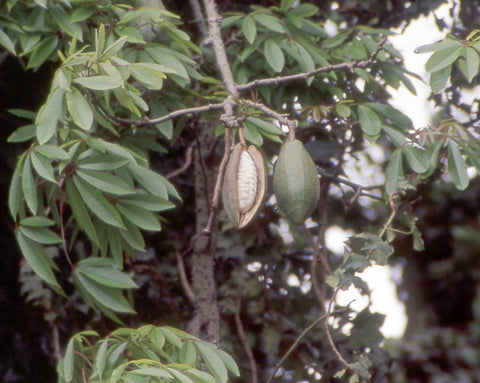 Kapok Tree: The Majestic Giant of the Rainforest – Discover Its Secrets and Benefits
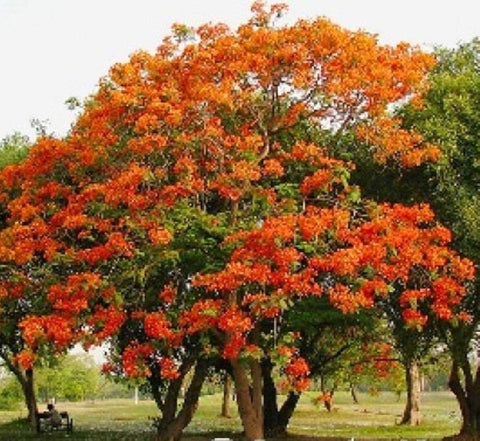 Silk Cotton Tree: Unveiling the Mysteries and Marvels of Nature's Majestic Wonder
 White Silk Cotton Tree: Unveiling Nature's Fluffy Wonder
 Red Silk Cotton Tree: The Majestic Marvel of Nature You Need to Discover
 Katesawer Tree: Unearthing the Hidden Marvels of Nature’s Resilient Healer and Eco-Friendly Powerhouse


Leave a comment