


Silk Cotton Tree: Unveiling the Mysteries and Marvels of Nature's Majestic Wonder
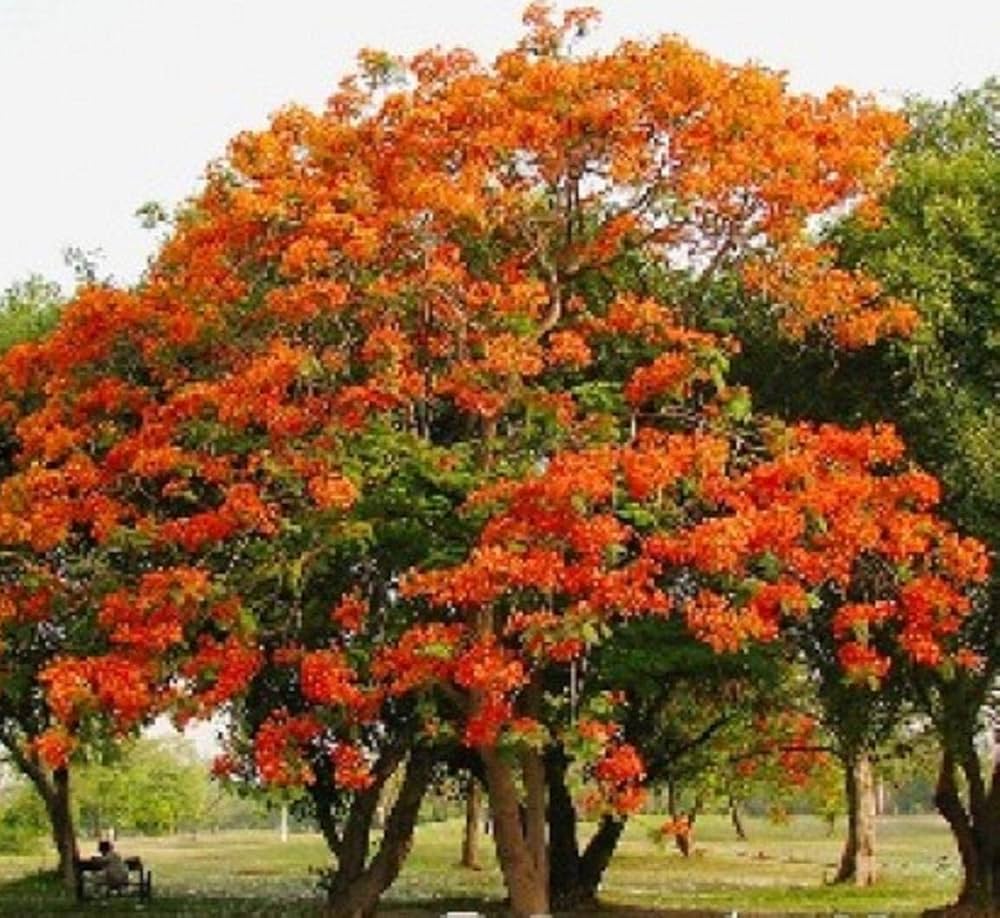
The Silk Cotton Tree (Bombax ceiba) is a deciduous species growing up to 30 metres tall with red or orange flowers and fruit capsules containing kapok—lightweight, water-resistant fibres used historically in textiles and insulation. It attracts pollinators including bees and birds, playing a crucial ecosystem role.
The Silk Cotton Tree, scientifically known as Bombax ceiba, is a magnificent species that captivates both the eye and the mind.
Renowned for its towering height and vibrant flowers, this tree is not just a visual marvel but also a vital part of the ecosystem.
In this blog, we will delve into the mysteries and marvels of the Silk Cotton Tree, exploring its scientific significance, historical context, environmental impact, and the ongoing efforts by organizations like Grow Billion Trees to promote its growth and conservation.
Scientific Classification and Characteristics
The Silk Cotton Tree belongs to the Malvaceae family, which includes other notable species such as hibiscus and cacao. This deciduous tree can grow up to 30 meters in height, with a trunk diameter of about 2 meters.
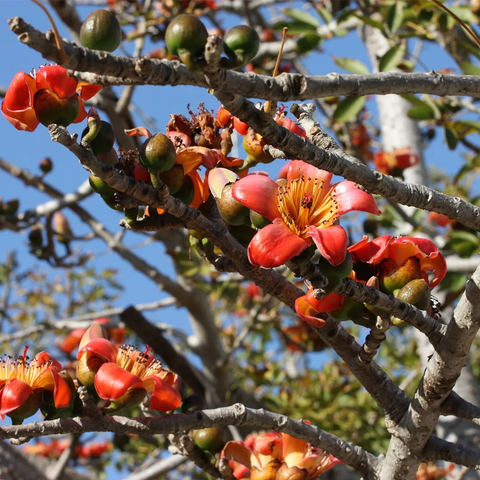
Its bark is thick and spiny, providing a unique texture that is easily recognizable. The tree typically sheds its leaves in the dry season, making way for its stunning red or orange flowers to bloom.
These flowers, which can reach up to 10 cm in diameter, attract a variety of pollinators, including bees and birds, playing a crucial role in the ecosystem.
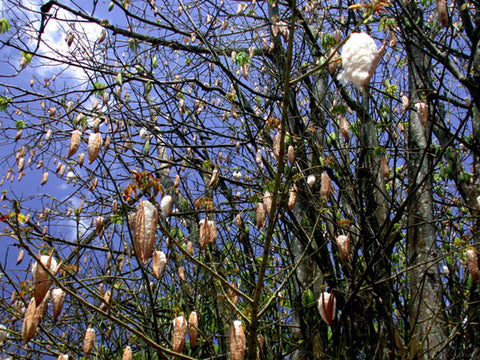
One of the most fascinating aspects of the Silk Cotton Tree is its fruit, which is a capsule that contains silky fibers and seeds. The fibers, known as kapok, are lightweight, buoyant, and water-resistant, making them ideal for use in pillows, mattresses, and life jackets.
Historically, these fibers were also used in the production of traditional fishing nets and as insulation material.
Fun Facts about the Silk Cotton Tree
- The Silk Cotton Tree can live for over 100 years, making it a long-standing member of the forest ecosystem.
- In some cultures, the tree is considered sacred and is often associated with various myths and legends.
- The flowers of the Silk Cotton Tree are not just beautiful; they have medicinal properties and are used in traditional medicine to treat various ailments.
- During the flowering season, the tree can be seen adorned with bright blossoms, creating a breathtaking spectacle that attracts tourists and nature enthusiasts alike.
Historical Significance
The Silk Cotton Tree has been revered in various cultures throughout history. In India, it is known as the "Semul" tree and is often associated with the arrival of spring. The tree's significance is reflected in Indian folklore, where it is believed to be a symbol of love and fertility.
In many African cultures, the tree is seen as a sacred entity, often planted near villages and used for shade during community gatherings.
Furthermore, the tree's fibers have been utilized for centuries. Indigenous communities across the tropics have harvested kapok for various purposes, including crafting textiles and creating traditional garments. The Silk Cotton Tree has thus played a vital role in the cultural and economic lives of many societies.
Environmental Impact
The Silk Cotton Tree plays a significant role in its ecosystem. As a large tree, it provides habitat for various species of birds, insects, and mammals. Its flowers attract pollinators, while its fruits serve as a food source for wildlife. The tree also contributes to soil health by preventing erosion and improving nutrient cycling through its fallen leaves and organic matter.
Additionally, the Silk Cotton Tree is known for its carbon sequestration capabilities. Like other trees, it absorbs carbon dioxide from the atmosphere, helping to mitigate climate change. By planting and preserving these trees, we can enhance biodiversity, combat deforestation, and contribute to a healthier planet.
Further reading: White Silk Cotton Tree: Unveiling Nature's Fluffy Wonder · Red Silk Cotton Tree: The Majestic Marvel of Nature You Need to Discover
Frequently Asked Questions
What is the Silk Cotton Tree?
The Silk Cotton Tree, or *Bombax ceiba*, is a towering beauty known for its vibrant flowers and ecological significance. This deciduous marvel can reach heights of up to 30 meters and boasts a unique spiny bark, making it a standout in any landscape.
Why is the Silk Cotton Tree important for the ecosystem?
This tree is a vital player in its ecosystem, providing habitat for birds, insects, and mammals. Its flowers attract pollinators, while its fruits offer a feast for wildlife. Plus, it helps prevent soil erosion and improves nutrient cycling—talk about multitasking!
What are kapok fibers, and why are they significant?
Kapok fibers, harvested from the Silk Cotton Tree's fruit, are lightweight, buoyant, and water-resistant. Historically used for pillows and fishing nets, these fibers are eco-friendly and sustainable, making them a fantastic alternative to synthetic materials. Who knew a tree could be so versatile?
How long can the Silk Cotton Tree live?
The Silk Cotton Tree can live for over 100 years, making it a long-lasting resident of the forest. Its longevity allows it to continue performing its ecological duties while offering shade and beauty to generations of nature lovers. Talk about a tree that ages gracefully!
What cultural significance does the Silk Cotton Tree hold?
In various cultures, the Silk Cotton Tree is revered as a symbol of love and fertility. In India, it heralds the arrival of spring, while in Africa, it’s often planted near villages for community gatherings. This tree isn’t just a pretty face; it’s steeped in rich folklore!
What are the main threats to the Silk Cotton Tree?
The Silk Cotton Tree faces challenges like deforestation, urbanization, and climate change. These threats jeopardize its population and the wildlife that depends on it. It’s a tough world out there, and this majestic tree needs our help to survive!
How does Grow Billion Trees contribute to conservation?
Grow Billion Trees tackles conservation by partnering with local organizations to plant native species, including the Silk Cotton Tree. Their community-focused approach ensures that tree-planting initiatives are sustainable, making them the eco-heroes we all need!
What role does community engagement play in conservation efforts?
Community engagement is at the heart of Grow Billion Trees’ mission. By involving local residents in planting and caring for trees, they foster a sense of responsibility and ownership. It’s all about turning tree planting into a community affair—who wouldn’t want to join the green team?
How does Grow Billion Trees use technology in their projects?
Grow Billion Trees employs technology to monitor the health and growth of planted trees. This data-driven approach allows them to assess the success of their initiatives, ensuring that their efforts are as effective as possible. Who knew saving the planet could be so high-tech?
What educational initiatives does Grow Billion Trees offer?
Grow Billion Trees conducts workshops and training sessions to educate communities about the Silk Cotton Tree and sustainable practices. By sharing knowledge and promoting biodiversity, they empower individuals to take action—because every little bit helps in the fight for a greener planet!
What can we do to support the Silk Cotton Tree?
Supporting the Silk Cotton Tree is easy! Participate in local tree-planting initiatives, spread awareness about its ecological benefits, and advocate for conservation efforts. Together, we can ensure this majestic tree continues to thrive, making our planet a more beautiful place for generations to come!
Keep reading
 White Silk Cotton Tree: Unveiling Nature's Fluffy Wonder
 Red Silk Cotton Tree: The Majestic Marvel of Nature You Need to Discover
 Kapok Tree: The Majestic Giant of the Rainforest – Discover Its Secrets and Benefits
 Cotton Tree: Unlocking the Secrets of Nature’s Marvel and Its Eco-Friendly Benefits
 Katesawer Tree: Unearthing the Hidden Marvels of Nature’s Resilient Healer and Eco-Friendly Powerhouse


Leave a comment