


Red Silk Cotton Tree: The Majestic Marvel of Nature You Need to Discover
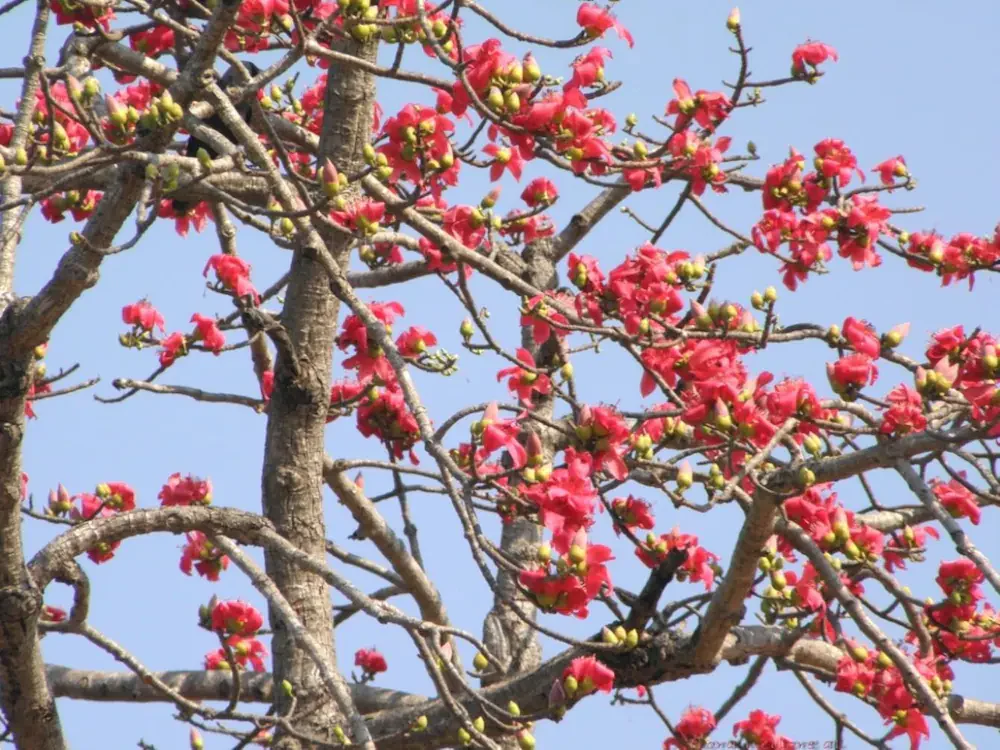
The Red Silk Cotton Tree (Bombax ceiba) is a tropical deciduous tree native to Africa, Asia, and the Americas, reaching heights of up to 30 metres. Distinguished by vibrant red flowers that bloom in spring and attract pollinators, it has smooth grayish bark adorned with sharp spines and palmate leaves that shed seasonally.
The Red Silk Cotton Tree, scientifically known as Bombax ceiba, is a magnificent species that captivates the hearts of nature lovers and environmentalists alike. This majestic tree, native to tropical and subtropical regions of Africa, Asia, and the Americas, stands as a testament to the beauty and resilience of nature.
In this blog, we will delve into the fascinating world of the Red Silk Cotton Tree, exploring its scientific significance, fun facts, historical importance, environmental impact, and the initiatives by organizations like Grow Billion Trees that are working tirelessly to preserve and promote this natural marvel.
Scientific Classification and Characteristics
The Red Silk Cotton Tree belongs to the family Malvaceae and is characterized by its striking appearance. It can grow up to 30 meters tall, with a stout trunk that can measure up to 3 meters in diameter.
The tree's bark is smooth and grayish, often adorned with sharp spines, which serve as a defense mechanism against herbivores. Its most notable feature is its vibrant red flowers, which bloom during the spring season, attracting a plethora of pollinators, including bees and butterflies.
From a botanical perspective, the Red Silk Cotton Tree is a deciduous tree, meaning it sheds its leaves during the dry season.
The leaves are palmate, consisting of five to seven lobes, which can grow up to 30 centimeters in length. The flowers, which can measure up to 15 centimeters in diameter, are not only visually stunning but also play a crucial role in the ecosystem by providing nectar and pollen for various species.
Fun Facts About the Red Silk Cotton Tree
- The Red Silk Cotton Tree is also known by several other names, including the Kapok Tree, Silk Cotton Tree, and Bombax Tree.
- The tree produces large, fluffy seed pods filled with fibers that are light and buoyant, historically used in the production of life jackets and pillows.
- In some cultures, the tree is considered sacred and is often associated with various myths and legends, signifying strength and protection.
- The flowers of the Red Silk Cotton Tree are not only visually appealing but are also edible; they can be used in salads or as a garnish.
- The tree can live for over 100 years, making it a long-term contributor to the ecosystem.
Historical Significance
The Red Silk Cotton Tree has held a significant place in the cultures of various communities for centuries. In India, the tree is revered in many regions, especially in the northeastern states, where it is often associated with the arrival of spring. The vibrant red flowers symbolize the end of winter and the beginning of new life.
Traditional festivals and rituals often incorporate the tree, celebrating its beauty and ecological importance.
Historically, the fibers harvested from the tree have been used for various purposes. Indigenous communities have utilized the silky fibers for making ropes, fishing nets, and even as insulation material in homes.
The seeds are also edible and have been used in traditional medicine for their supposed health benefits.
Environmental Impact
The Red Silk Cotton Tree plays a vital role in its ecosystem. As a large canopy tree, it provides shade and shelter for numerous species, contributing to biodiversity. The flowers attract pollinators, which are essential for the reproduction of many plants in the surrounding area.
Additionally, the tree's large root system helps prevent soil erosion, maintaining the integrity of the landscape.
Furthermore, the Red Silk Cotton Tree is known for its ability to store carbon, making it an important ally in the fight against climate change. By absorbing carbon dioxide from the atmosphere, these trees contribute to reducing greenhouse gas concentrations, thus mitigating global warming.
The presence of such trees in urban and rural landscapes can significantly enhance air quality, providing cleaner air for communities.
Grow Billion Trees: A Partner in Preservation
Organizations like Grow Billion Trees are at the forefront of initiatives aimed at preserving and promoting the Red Silk Cotton Tree and other indigenous species. Their mission is to plant one billion trees globally, focusing on areas that have been significantly affected by deforestation and climate change.
Through community engagement and education, they work to raise awareness about the importance of trees in maintaining ecological balance.
Grow Billion Trees partners with local communities, governments, and environmental organizations to execute tree-planting projects. Their approach includes:
- Community Involvement: Engaging local communities in the planting and maintenance of trees ensures a sense of ownership and responsibility towards the environment.
- Education and Awareness: Conducting workshops and training sessions to educate communities about the ecological benefits of trees, including the Red Silk Cotton Tree.
- Sustainable Practices: Promoting sustainable forestry practices to ensure that tree planting does not disrupt local ecosystems.
- Monitoring and Evaluation: Implementing monitoring systems to assess the growth and health of planted trees, ensuring the success of their initiatives.
Through these efforts, Grow Billion Trees not only contributes to reforestation but also helps restore habitats for wildlife, enhance local biodiversity, and combat climate change. Their projects often include planting native species, like the Red Silk Cotton Tree, which are better adapted to local conditions and more beneficial to the ecosystem.
Conclusion: A Call to Action
The Red Silk Cotton Tree is more than just a beautiful natural wonder; it is a vital component of our ecosystem, a cultural symbol, and a testament to the resilience of nature. As we face increasing environmental challenges, it is crucial to recognize the importance of preserving such majestic trees and their habitats.
By supporting initiatives like Grow Billion Trees, we can all play a part in protecting our planet. Whether through volunteering, donating, or simply spreading the word, every action counts. Let us come together to celebrate the Red Silk Cotton Tree and work towards a greener, more sustainable future for generations to come.
In conclusion, the Red Silk Cotton Tree stands as a majestic marvel of nature, deserving of our admiration and protection. Its beauty, ecological significance, and cultural importance remind us of the intricate connections between nature and humanity. Let us take inspiration from this magnificent tree and strive to nurture and protect the environment around us.
So, next time you come across a Red Silk Cotton Tree, take a moment to appreciate its grandeur and reflect on the vital role it plays in our world. Together, we can ensure that these magnificent trees continue to thrive for centuries to come.
Frequently Asked Questions
What is the Red Silk Cotton Tree?
The Red Silk Cotton Tree, or Bombax ceiba, is a stunning deciduous tree known for its vibrant red flowers and impressive height, reaching up to 30 meters. Native to tropical regions, it's a favorite among nature lovers and an important player in its ecosystem, providing nectar for pollinators and shade for wildlife.
Where does the Red Silk Cotton Tree grow?
This majestic tree thrives in tropical and subtropical regions of Africa, Asia, and the Americas. It prefers well-drained soils and can often be found in forests, savannas, and even urban landscapes, adding a splash of color wherever it takes root. Talk about a tree with a flair for drama!
What are the characteristics of the Red Silk Cotton Tree?
The Red Silk Cotton Tree boasts a stout trunk, smooth gray bark adorned with spines, and leaves that resemble a hand with five to seven lobes. Its eye-catching red flowers bloom in spring, attracting bees and butterflies, making it the ultimate showstopper in the forest. Nature’s own diva, if you will!
How long can the Red Silk Cotton Tree live?
This tree can live for over 100 years, making it a long-term resident in its habitat. Like a wise old sage, it stands tall, weathering storms and seasons while contributing to the ecosystem. It’s not just a pretty face; it’s a tree with a legacy!
What are the uses of the fibers from the Red Silk Cotton Tree?
The fluffy fibers from the tree's seed pods have historically been used for life jackets, pillows, and even insulation materials. Talk about multitasking! These fibers are not only lightweight and buoyant but also eco-friendly, proving that nature has its own version of a Swiss Army knife.
Why is the Red Silk Cotton Tree culturally significant?
In many cultures, especially in India, the Red Silk Cotton Tree is revered and symbolizes strength, protection, and the arrival of spring. Its vibrant flowers mark the end of winter, making it a star in traditional festivals and rituals. Who knew a tree could be such a cultural icon?
How does the Red Silk Cotton Tree impact the environment?
This tree plays a vital role in its ecosystem by providing shade, shelter, and food for various species. Its large root system helps prevent soil erosion, while its ability to store carbon makes it a champion in the fight against climate change. Nature’s very own superhero!
What initiatives are being taken to preserve the Red Silk Cotton Tree?
Organizations like Grow Billion Trees are leading the charge, focusing on planting and preserving the Red Silk Cotton Tree and other native species. Through community engagement, education, and sustainable practices, they’re ensuring that these magnificent trees continue to thrive for generations to come. Tree-huggers unite!
How can I get involved in tree preservation?
You can support initiatives like Grow Billion Trees by volunteering, donating, or simply spreading the word about the importance of trees. Every little action counts in the grand scheme of environmental preservation. So, gather your friends, roll up your sleeves, and let’s plant some trees!
What are some fun facts about the Red Silk Cotton Tree?
Besides its stunning beauty, the Red Silk Cotton Tree is also known for its edible flowers, which can jazz up salads. It produces buoyant fibers and has a reputation for being sacred in various cultures. With such a rich history and quirky traits, this tree is a true conversation starter!
How do the flowers of the Red Silk Cotton Tree benefit the ecosystem?
The vibrant red flowers are not just a feast for the eyes; they provide nectar and pollen for bees, butterflies, and other pollinators. This helps ensure the reproduction of many surrounding plants, creating a symbiotic relationship that keeps the ecosystem buzzing with life. Nature’s matchmaking service at work!
Keep reading
 Silver Birch Tree: Nature's Graceful Wonder & Environmental Champion
 Hawaiian Sandalwood Tree: Ultimate Guide to Mystical Benefits & Sustainable Harvesting
 Jackalberry Tree: Nature's Hidden Gem and Its Surprising Benefits for Wildlife and Ecosystems
 Burmese Grape Tree: Unlocking the Secrets of Nature's Sweetest Superfruit!
 Chinese Parasol Tree: The Ultimate Guide to Beauty, Benefits & Care
 Redwood Ash Tree: Unveiling Nature's Majestic Carbon-Capturing Marvel

Leave a comment