
European Yew Tree: Ancient Mysteries & Modern Conservation Benefits
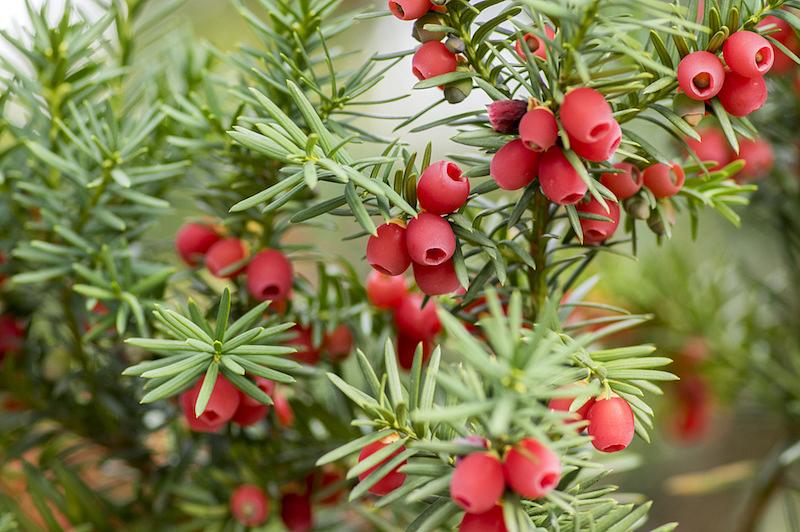
The European Yew Tree (Taxus baccata) is an evergreen species revered for millennia, with some specimens over 5,000 years old. Historically linked to death and immortality in Celtic and Greek cultures, it remains ecologically vital while yielding life-saving medicines, including cancer treatments. These ancient trees demonstrate why biodiversity protection serves both environmental and human health.
The European Yew Tree (Taxus baccata) stands as one of nature's most fascinating evergreens, combining millennia of history with remarkable modern applications. This enigmatic species has captivated civilizations for over 5,000 years while providing crucial ecological services and life-saving medicines. From ancient Celtic rituals to cutting-edge cancer treatments, the European Yew Tree continues to demonstrate why protecting our planet's biodiversity remains essential for both environmental and human health.
✅ Historical Significance of the European Yew
The European Yew has a storied past, deeply intertwined with human civilization. This tree has been revered since ancient times, often associated with death and immortality. The yew tree is frequently found in churchyards across Europe, symbolizing eternal life due to its longevity and resilience.
Some of the oldest yew trees, such as the Fortingall Yew in Scotland, are estimated to be over 5,000 years old, making them some of the oldest living organisms in Europe. These ancient giants have witnessed the rise and fall of empires, serving as living monuments to the passage of time.
In ancient cultures, the yew tree was considered sacred. The Celts believed it to be a symbol of death and rebirth, while in Greek mythology, the yew was associated with the underworld. The tree's dense, dark green foliage and its ability to live for millennia contributed to its mystical aura.
Moreover, the wood of the yew tree was prized for its strength and flexibility, making it a popular choice for crafting longbows during the Middle Ages. The famous English longbow, used in battles like Agincourt, was often fashioned from yew wood, showcasing the tree's historical importance in warfare.
⭐ Scientific Data: The Anatomy of the European Yew
The European Yew is a coniferous tree that can grow up to 20 meters tall, though it is often found as a shrub or small tree in many regions. Its bark is thin and scaly, typically dark brown to reddish-brown in color. The leaves are needle-like, dark green, and arranged spirally on the branches.
One of the most fascinating aspects of the yew tree is its reproductive system. Unlike most conifers, which produce cones, the yew tree bears fleshy, red arils that encase its seeds. These arils are highly attractive to birds, which help in the tree's seed dispersal.
From a botanical perspective, the yew tree is dioecious, meaning that individual trees are either male or female. Male trees produce pollen cones, while female trees produce the distinctive red arils. This reproductive strategy allows for genetic diversity, which is crucial for the species' adaptability and resilience in changing environments.
🌿 Ecological Impact of the European Yew
The European Yew plays a vital role in its ecosystem, aligning with global conservation efforts outlined by the United Nations Environment Programme on forest conservation. Its dense foliage provides shelter and nesting sites for various bird species, while the arils serve as a food source for birds and small mammals.
The yew tree is also an important component of ancient woodlands, where it contributes to biodiversity by providing habitat for numerous plant and animal species. Moreover, yew trees have a unique ability to thrive in shaded environments, making them essential for the understory of forests.
They can grow in a variety of soil types, from sandy to clay, and are tolerant of poor soil conditions. This adaptability allows yews to occupy niches that other tree species cannot, thereby enhancing the overall biodiversity of their habitats.
However, the yew tree faces challenges from pollution and habitat destruction, which have led to population declines in some areas. According to the World Wildlife Fund's research on deforestation, conservation efforts are crucial to preserving this ancient species and maintaining ecological balance.
💡 Modern Benefits of the European Yew
In contemporary society, the European Yew is valued for its medicinal properties and ecological benefits. The bark and needles of the yew tree contain compounds such as taxol, a potent anti-cancer agent. Taxol has been used in chemotherapy treatments for various cancers, including breast and ovarian cancer.
Research has shown that taxol can inhibit the growth of cancer cells, making the yew tree a significant player in the pharmaceutical industry. This discovery has revolutionized cancer treatment, saving countless lives worldwide and demonstrating the invaluable connection between forest conservation and human health.
Furthermore, yew wood is highly regarded for its durability and aesthetic qualities. It is commonly used in furniture making, cabinetry, and musical instruments. The rich color and fine grain of yew wood make it a sought-after material for artisans and craftsmen.
⚠️ Conservation Challenges and Solutions
The European Yew faces several conservation challenges in the modern era. Climate change, habitat fragmentation, and urban development threaten existing populations. The United Nations Climate Change initiative emphasizes the importance of preserving ancient tree species like the yew as part of global climate action.
Conservation strategies include habitat protection, seed banking, and restoration programs. Many European countries have implemented protective measures for ancient yew groves, recognizing their cultural and ecological significance. Combating Climate Change Through Collective Action requires protecting these ancient guardians of our forests.
Organizations like Grow Billion Trees are working toward ambitious goals of planting 100 crore trees across India, including native species that share similar ecological roles to the European Yew. Through programs that allow people to Plant a tree in your Name for just ₹299, complete with 2-3ft Tree Planting + 3 Years Care + GeoTag technology, we're creating a global movement for forest restoration.
🌱 The Role of Tree Planting Organizations
Modern conservation efforts require innovative approaches to forest restoration. Organizations dedicated to large-scale tree planting play a crucial role in preserving biodiversity and supporting species like the European Yew. These initiatives help corporations achieve their Net Zero Targets while contributing to ecosystem restoration.
Tree planting programs offer multiple benefits:
- Habitat creation for wildlife species
- Carbon sequestration for climate mitigation
- Soil stabilization and erosion control
- Educational opportunities for environmental awareness
- Community engagement in conservation efforts
By supporting both native species conservation and international tree planting efforts, we create a comprehensive approach to global forest health.
🏆 Fun Facts About the European Yew
The European Yew continues to amaze scientists and nature enthusiasts with its remarkable characteristics:
- ⭐ Can live for over 2,000 years, with some specimens believed to be over 5,000 years old
- ⚠️ All parts except the fleshy arils are toxic to humans and many animals
- 🌿 Has a unique ability to regenerate from its own stumps, demonstrating incredible resilience
- 🌍 Found in diverse habitats, from ancient woodlands to urban parks
- 💡 Female trees can change sex under environmental stress
- 🎯 Wood was so prized for longbows that England once imported yew from across Europe
Further reading: Yew Tree Wonders: Unlocking the Secrets of Nature's Timeless Guardian · 10 Interesting Facts About Trees That Will Amaze You
Frequently Asked Questions
How long can a European Yew Tree live?
European Yew Trees are among the longest-living tree species in the world, with many specimens living over 2,000 years. The famous Fortingall Yew in Scotland is estimated to be between 3,000-5,000 years old, making it one of the oldest living organisms in Europe.
Are European Yew Trees poisonous?
Yes, all parts of the European Yew Tree are highly toxic except for the red, fleshy arils surrounding the seeds. The bark, needles, and seeds contain taxine alkaloids that can be fatal to humans and most animals if ingested.
What is taxol and how is it derived from yew trees?
Taxol (paclitaxel) is a powerful anti-cancer compound originally extracted from the bark of Pacific Yew trees and later found in European Yews. It's used in chemotherapy treatments for breast, ovarian, and lung cancers, revolutionizing cancer treatment since its discovery.
Where do European Yew Trees naturally grow?
European Yew Trees are native to western, central, and southern Europe, northwest Africa, northern Iran, and southwest Asia. They thrive in various habitats including ancient woodlands, mountainous regions, and can tolerate both sunny and shaded conditions.
How can I identify a European Yew Tree?
European Yew Trees have distinctive dark green, needle-like leaves arranged spirally on branches, reddish-brown scaly bark, and produce bright red, cup-shaped arils on female trees. They often have a broad, spreading canopy and can grow as shrubs or trees up to 20 meters tall.
Why are European Yew Trees often found in churchyards?
European Yew Trees have been planted in churchyards for centuries due to their symbolism of eternal life and immortality. Their incredible longevity and evergreen nature made them powerful symbols of resurrection and continuity in Christian tradition.
Can European Yew Trees be grown as ornamental plants?
Yes, European Yew Trees are excellent ornamental plants due to their attractive evergreen foliage, tolerance of pruning, and ability to grow in various conditions. They're commonly used for hedging, topiary, and landscaping in parks and gardens.
How do European Yew Trees reproduce?
European Yew Trees are dioecious, meaning individual trees are either male or female. Male trees produce small pollen cones, while female trees produce seeds enclosed in bright red, fleshy arils that attract birds for seed dispersal.
What threats do European Yew Trees face today?
European Yew Trees face threats from habitat destruction, climate change, pollution, and over-harvesting for medicinal compounds. Many ancient specimens are also vulnerable to disease and environmental stress due to their age.
How do conservation efforts help protect European Yew Trees?
Conservation efforts include habitat protection, establishing nature reserves, seed banking programs, research into propagation techniques, and public education about their ecological and cultural importance. Many countries have specific protection laws for ancient yew trees.The European Yew Tree represents a living bridge between our ancient past and sustainable future. As we work toward Combating Climate Change Through Collective Action, protecting these remarkable evergreens becomes essential for maintaining biodiversity and cultural heritage. Whether through supporting local conservation efforts or participating in global tree planting initiatives that help achieve Net Zero Targets, every action contributes to preserving these enigmatic guardians for future generations.Ready to make a difference in forest conservation? Explore how you can Plant a tree in your Name and join the movement to create a greener, more sustainable world for all species to thrive.
Keep reading
 Yew Tree Wonders: Unlocking the Secrets of Nature's Timeless Guardian
 10 Interesting Facts About Trees That Will Amaze You
 10 Oldest Trees in the World: Ancient Giants That Survived Millennia
 River Sheoak Tree: The Ultimate Guide to This Resilient Beauty
 Umbrella Pine Tree: The Ultimate Guide to This Majestic Evergreen


Comments
Leave a comment